How To
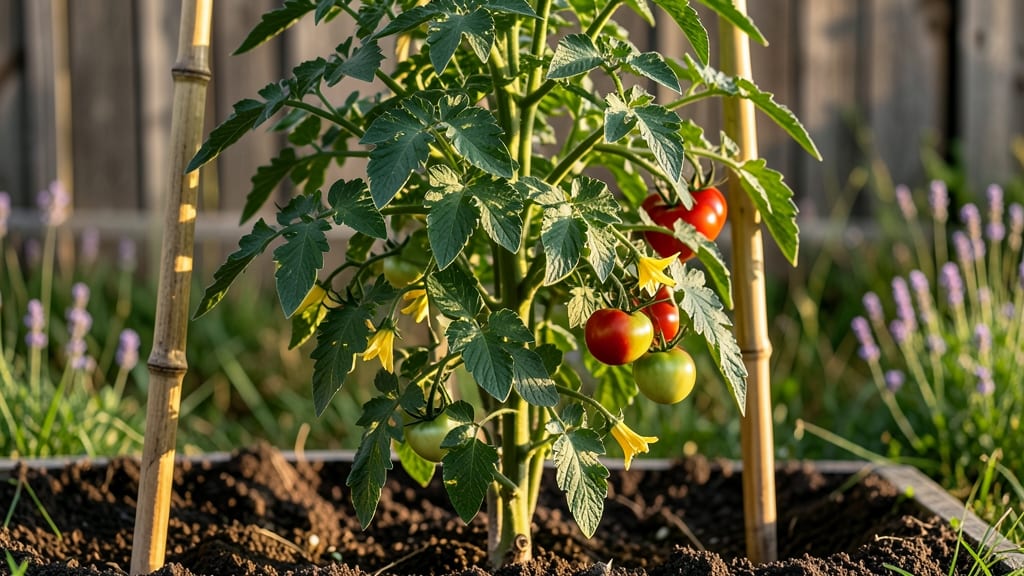
My Celebrity tomato leaves used to look like someone ran a lawnmower over them—yellow, spotted, and sad. 🌱 That changed when I learned the variety’s quirks: it’s prone to blight, pests, and stress from overcrowded foliage.
The key isn’t just treating symptoms; it’s understanding why these problems hit Celebrity harder than other tomatoes.
These tomatoes thrive on strong airflow and even moisture, but their dense canopies trap humidity—perfect for blight spores. I’ve seen aphids turn leaves into sticky messes within days, and spider mites weave their webs when the plants get thirsty.
The good news? Once you spot the patterns, fixes are simple: prune aggressively, rotate crops, and use neem oil before pests take hold.
By summer’s end, you’ll have glossy, disease-free leaves that support heavier fruit loads than you’ve ever seen. The secret’s in the details: spacing plants 24 inches apart, mulching to keep soil moist but not soggy, and snipping off the first sign of yellowing.
No more sad, spotted plants—just lush canopies that feed your harvest.
Works for containers too—just use larger pots and watch how quickly the leaves perk up. The same rules apply whether you’re growing in ground or on a patio. Let’s get those Celebrity tomatoes back to their best.
Root Causes Behind Leaf Issues
Understanding why your tomato plant’s leaves develop problems—like yellowing, curling, or spots—starts with identifying the hidden triggers lurking in soil, air, or even your watering habits. Celebrity tomatoes, known for their disease resistance, can still fall victim to environmental stress or improper care.
Let’s break down the key culprits and why they sabotage your plant’s lush foliage.
---
Tomato leaves often signal distress when they’re starving for essential nutrients, even if the soil looks rich.
Celebrity tomatoes thrive with a balanced diet, but imbalances can lead to: - Yellowing between veins (chlorosis): A classic sign of iron or magnesium deficiency, often caused by: - Alkaline soil (pH > 7.0): Locks out iron, making it unavailable to roots. - Overwatering: Dilutes nutrients in the soil, flushing them away. - Improper fertilization: Too much nitrogen (lush leaves, weak fruit) or too little micronutrients (like zinc or manganese).
Actionable fix: - Test your soil’s pH (aim for 6.0–6.8 for tomatoes). - Use chelated iron or Epsom salt (magnesium sulfate) for quick relief. - Switch to a balanced fertilizer (like 10-10-10) and avoid overdoing nitrogen.
---
Tomatoes are thirsty but hate soggy roots.
Watering mistakes are a top cause of leaf problems, including: - Blossom-end rot: Caused by calcium deficiency (often from inconsistent watering). - Yellow, wilted leaves: Overwatering leads to root rot (Phytophthora), cutting off oxygen. - Crispy, brown edges: Underwatering stresses the plant, causing leaf scorch.
Actionable fix: - Water deeply but infrequently (1–2 inches per week, depending on climate). - Use drip irrigation or soaker hoses to keep soil evenly moist. - Mulch heavily (straw or wood chips) to retain moisture and regulate temperature.
---
Even Celebrity tomatoes (resistant but not invincible) can fall prey to: - Aphids, spider mites, or whiteflies: Sap-sucking pests that curl leaves and spread viruses. - Fungal diseases (like early blight or septoria leaf spot): Thrives in humid, stagnant air. - Bacterial spots: Dark, water-soaked lesions from overhead watering or contaminated tools.
Actionable fix: - Inspect leaves daily (especially undersides) for pests—spray with neem oil or soapy water. - Prune infected leaves immediately and dispose of them (don’t compost!). - Space plants for airflow (18–24 inches apart) and avoid wetting foliage when watering.
---
Tomatoes are sun-lovers, but too much or too little light (plus heat stress) can scorch or weaken leaves: - Sunburnt leaves: White or gray patches from intense afternoon sun (common in greenhouses). - Purple stems/leaves: A sign of phosphorus deficiency under low light or cool nights. - Wilting in heat: Heat stress (above 90°F) causes leaf roll or premature drop.
Actionable fix: - Provide afternoon shade (use shade cloth) in extreme heat. - Mulch with reflective material (like aluminum foil) to reduce soil heat. - Hardening off seedlings gradually if moving from indoors to outdoor heat.
--- Pro Tip 💡: Keep a plant care journal to track watering, fertilizing, and weather—patterns will reveal hidden triggers before they damage your harvest!
Fixing Common Tomato Leaf Issues
A healthy tomato plant starts with vibrant, lush leaves—just like the celebrity tomato varieties you’ve been dreaming of! But when problems arise, quick action keeps your plants thriving. Below, we’ll tackle the most common issues with practical, easy-to-follow solutions.
Whether it’s yellowing, spots, or wilting, these fixes will have your leaves (and tomatoes!) looking their best in no time.
---
Yellow leaves are often a cry for help—your plant might be thirsty, hungry, or drowning. Here’s how to diagnose and fix it:
#### 🔥 Lack of Nitrogen (Pale Yellow Leaves) Nitrogen is the MVP for leaf health, and a deficiency shows up as pale yellowing, especially on older leaves. Fix It: - 🍳 Feed with a balanced fertilizer (10-10-10 or 5-10-10) every 2–3 weeks during the growing season. - 👨🍳 Use organic options like compost tea, fish emulsion, or blood meal for a gentle boost. - 🥘 Add a mulch layer (straw or grass clippings) to retain moisture and slowly release nitrogen.
💡 Prevention Tip: Rotate crops yearly to avoid depleting soil nutrients. Test your soil every 2–3 years for a nitrogen tune-up.
---
#### 🌡️ Overwatering (Yellowing with Wilting or Mushy Stems) Too much water suffocates roots, leading to yellow leaves and poor growth. Drainage is key! Fix It: - ⏰ Check soil moisture before watering—stick your finger 1–2 inches into the soil.
Water only if it’s dry. - 🔪 Improve drainage by amending soil with perlite, sand, or coconut coir. Raise containers slightly off the ground. - 🎯 Prune affected leaves to redirect energy to healthier growth.
💡 Prevention Tip: Use self-watering pots or drip irrigation to deliver consistent, controlled moisture.
---
Spots on leaves?
Blame fungi like early blight or septoria leaf spot—common in humid conditions. Fix It: - 🍳 Remove infected leaves immediately (don’t compost them—trash them!) to stop the spread. - 👨🍳 Apply copper fungicide (like Bordeaux mixture) or a baking soda spray (1 tsp baking soda + 1 quart water + a drop of dish soap) every 7–10 days. - 🥘 Space plants for airflow—crowding creates the perfect fungal party.
Aim for 18–24 inches between plants. - 🔪 Prune lower leaves (where spores often lurk) to improve air circulation.
💡 Prevention Tip: Water in the morning so leaves dry quickly. Avoid overhead watering—use drip lines or soaker hoses instead.
---
Curly leaves can mean pests (like aphids or spider mites) or stress from heat, wind, or poor soil. Fix It: - 🔥 Inspect for pests—look for tiny webs, sticky residue (honeydew), or tiny bugs on the undersides of leaves. - 🍳 Blast off pests with a strong spray of water or use insecticidal soap (1 tsp mild soap + 1 quart water). - 👨🍳 Introduce beneficial insects like ladybugs or lacewings to eat the pests naturally. - 🌡️ Shield from extreme conditions—use shade cloth (30–50%) if temps exceed 90°F or protect from strong winds with a trellis or windbreak. - 🥘 Improve soil health with compost or worm castings to reduce stress.
💡 Prevention Tip: Rotate plants yearly to disrupt pest life cycles. Neem oil (applied every 2 weeks) deters pests proactively.
---
Wilting can mean roots are struggling—whether from underwatering, root rot, or heat stress. Fix It: - ⏰ Water deeply but less often—tomatoes prefer a drink once a week (more in extreme heat) rather than daily sips. - 🔪 Check for root rot—gently tug on the plant.
If it slides out easily, roots are mushy and rotting. - 🍳 Repot in fresh, dry soil and trim away black, mushy roots. Avoid watering for 3–4 days to let roots recover. - 🎯 Provide afternoon shade in scorching climates to prevent heat stress.
💡 Prevention Tip: Use moisture meters to track soil hydration. Mulch heavily to retain moisture and cool roots.
--- For celebrity-worthy tomato plants, combine these habits: - 📊 Feed regularly with a tomato-specific fertilizer (high in potassium for fruit production). - 💪 Prune suckers (side shoots) to focus energy on fruit-bearing branches. - 🥗 Rotate crops to prevent soil-borne diseases. - 🍎 Monitor leaves weekly—catch issues early before they spread!
With these fixes, your tomato leaves will stay vibrant, and your harvest will be the star of the show. 🍅✨
Frequently asked questions
Why do Celebrity tomato leaves turn yellow?
Yellowing leaves usually signal nutrient deficiencies (like nitrogen or magnesium), overwatering, or root stress. Celebrity tomatoes need balanced fertilization and well-draining soil. Check for pale yellow between veins (chlorosis) or yellowing with wilting—both require different fixes. Start by testing your soil pH (6.0–6.8) and adjust watering to 1–2 inches per week.
How do I prevent spots on Celebrity tomato leaves?
Spots (from early blight or septoria) thrive in humid, crowded conditions. Prune lower leaves for airflow, water at soil level (not overhead), and space plants 18–24 inches apart. Use copper fungicide or a baking soda spray (1 tsp baking soda + 1 quart water) every 7–10 days during outbreaks. Remove infected leaves immediately to stop spread.
Can I grow Celebrity tomatoes in containers?
Yes! Use pots at least 12–18 inches deep with drainage holes. Celebrity tomatoes need strong airflow, so prune aggressively and choose lightweight potting mix with compost. Water consistently (containers dry faster) and fertilize every 2–3 weeks with a tomato-specific formula. Trellis them to save space and improve fruit access.
What’s the best way to prune Celebrity tomato leaves?
Prune to remove diseased leaves, improve airflow, and redirect energy to fruit. Snip off lower leaves touching soil (blight risk), suckers (side shoots), and any yellowing/curling leaves. Leave 3–4 main stems for Celebrity varieties—they’re indeterminate and need support. Use clean shears and prune in morning sunlight for faster healing.
Are Celebrity tomatoes resistant to pests like aphids?
Celebrity tomatoes have moderate resistance to common pests but aren’t immune. Aphids and spider mites still attack stressed plants. Inspect leaves daily (especially undersides) and blast pests with water or use neem oil (1 tbsp per gallon) every 2 weeks. Introduce ladybugs or lacewings for natural control. Avoid over-fertilizing with nitrogen—it attracts pests.