
Pests
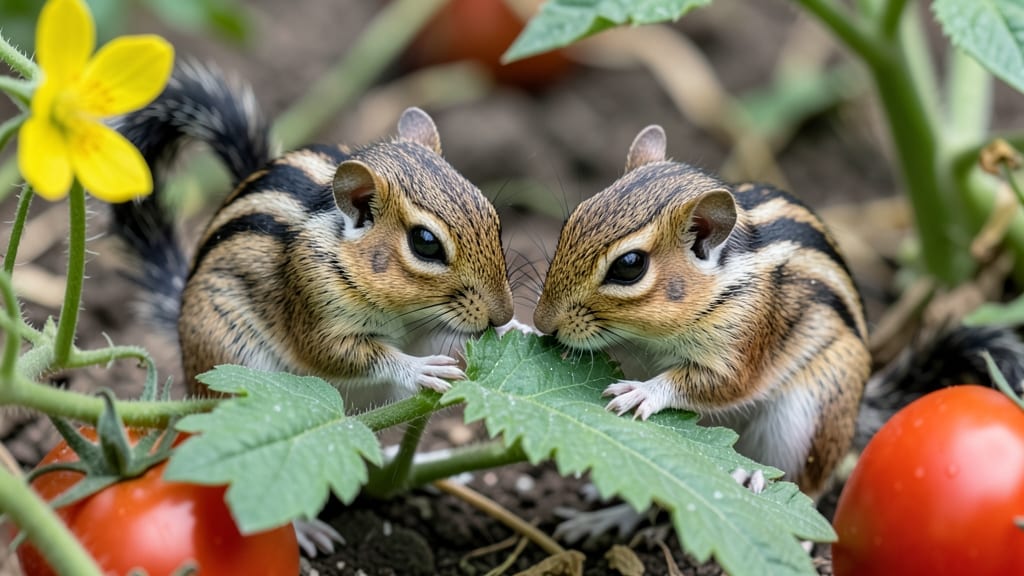
Chipmunks are eating your tomato plants faster than you can say "sauce disaster." 🌱 I’ve watched these tiny bandits turn lush vines into skeleton leaves—until I discovered the humane tricks that actually work.
Most repellents fail because they’re too harsh or temporary, but these methods protect your harvest without harming the critters. The key is combining physical barriers (like hardware cloth tunnels) with natural deterrents (peppermint oil or crushed cayenne).
Chipmunks hate the smell, but they’ll still dig under fences—so I’ll show you how to block their tunnels too. No traps, no poisons, just clever gardening. By the end, your tomatoes will stay vibrant and productive while chipmunks move on to easier snacks. The best part?
These solutions work for any garden size and cost pennies compared to store-bought repellents. Let’s turn those raiders into roadside memories—without a single casualty. Here’s how to outsmart them for good.
The Root Causes Behind Garden Raids
If your lush tomato plants are suddenly looking like a chipmunk buffet, there’s usually a mix of natural triggers at play. These tiny but tenacious rodents don’t just wander into your garden on a whim—they’re drawn by a combination of food availability, habitat appeal, and even seasonal behavior.
Understanding why they’re targeting your tomatoes is the first step to outsmarting them. Let’s break down the key reasons behind their garden raids.
Tomato plants are a nutritional powerhouse for chipmunks, offering a mix of proteins, sugars, and moisture that’s hard to resist. Here’s why your plants are so tempting:
- High Water Content: Chipmunks need to stay hydrated, especially in dry climates. Tomatoes are juicy and provide an easy water source—no need to dig for underground moisture.
- Soft and Easy to Access: Unlike tough-skinned fruits or buried roots, tomato vines and leaves are delicate. A chipmunk can gnaw through them with minimal effort, making them a low-energy meal.
- Rich in Carbohydrates: The fruit itself is packed with natural sugars, giving chipmunks a quick energy boost. Even unripe tomatoes contain enough nutrients to attract them.
- Protein from Leaves and Stems: While the fruit steals the spotlight, chipmunks also munch on young shoots and leaves, which are high in protein and essential for their diet.
Actionable Insight: If you’ve noticed your tomatoes disappearing overnight, it’s not just the fruit—they’re likely snacking on the foliage too. This dual attack weakens the plant, making it more vulnerable to disease and reducing your yield.
Chipmunks are opportunistic nesters, and if your garden provides the right conditions, they’ll move in—permanently. Here’s what makes your space irresistible:
- Shelter from Predators: Dense shrubs, tall grass, woodpiles, or even overgrown tomato plants create perfect hiding spots. Chipmunks avoid open areas where birds of prey or cats can spot them.
- Easy Digging Ground: Loose, well-aerated soil (like that in a newly planted tomato bed) makes it simple for them to burrow. They’ll dig shallow tunnels to store food or create nests.
- Proximity to Water: If your garden has a birdbath, dripping hose, or even morning dew on leaves, chipmunks will linger. They need water daily, and your garden might be the only reliable source nearby.
- Lack of Natural Threats: If your yard is free of owls, snakes, or domestic pets, chipmunks see it as a safe zone. They’ll boldly forage during the day, unlike their nocturnal cousins.
Actionable Insight: A chipmunk’s ideal home is a garden that’s too easy to inhabit. By removing hiding spots and making your space less inviting, you can discourage them from setting up camp near your tomatoes.
Chipmunks are most active during spring and summer, when they’re stockpiling food for winter. Their behavior shifts based on the season, and your tomato plants might be in the crosshairs for one of these reasons:
| Season | Why Chipmunks Target Tomatoes | Peak Activity Time |
|---|---|---|
| Spring | They’re replenishing food stores after winter and need high-energy snacks to build fat reserves. | Morning to early afternoon |
| Summer | Tomatoes are ripe and abundant, making them the easiest meal. They also use the foliage to stay cool in the shade. | Dawn and dusk (but still active midday) |
| Fall | They’re frantically gathering food for winter hibernation. Even green tomatoes are fair game. | All day, especially late afternoon |
Actionable Insight: Timing is everything. If you’re dealing with chipmunks in spring, focus on deterrents early to prevent them from claiming your garden as a food source. In fall, they’ll become more aggressive—so ramp up protection before the first frost.
Chipmunks are curious by nature, and once they discover a food source, they’ll return—again and again. Here’s how habit plays a role:
- Trial and Error: If one chipmunk finds your tomatoes tasty, others will follow. Their social structure means they share discoveries with the colony.
- Memory of Good Locations: Chipmunks have excellent spatial memory. If your garden was a hit last year, they’ll remember the route—and return.
- Lack of Scare Tactics: If previous deterrents (like loud noises or predators) didn’t work, they’ll keep coming back, growing bolder over time.
Actionable Insight: Break the cycle early. If you’ve had chipmunk visitors before, assume they’ll return. Proactive deterrents (like repellents or habitat changes) are your best defense.
Now that you know why chipmunks are eyeing your tomatoes, the next step is turning your garden into a place they’d rather avoid. Stay tuned for natural, humane solutions that actually work! 🚫🐿️
Stopping Garden Thieves Naturally
Now that you know why chipmunks are snacking on your tomato plants, it’s time to put a stop to their feasting—without resorting to harsh chemicals. The good news? There are plenty of effective, eco-friendly solutions to protect your plants while keeping these adorable (but destructive) critters at bay.
Below, we’ll match the most common causes of chipmunk raids to the best fixes, plus some prevention tips to keep your garden chipmunk-free long-term.
---
If chipmunks are digging under fences or squeezing through gaps, they’ll find a way in.
How to Fix It: - Install hardware cloth barriers 🔧: Bury a 1-foot-deep trench around your garden and line it with 1/4-inch hardware cloth (not chicken wire—chipmunks can chew through it!). Extend the barrier 6–12 inches above ground to prevent them from jumping over. - Seal fence gaps 🔒: Check for holes, cracks, or loose boards in fences, decks, or sheds. Use steel wool + caulk or metal flashing to block entry points. - Use raised beds with solid bases 🏗️: If planting in containers or raised beds, ensure they’re fully enclosed with hardware cloth on the bottom and sides.
💡 Pro Tip: Chipmunks are excellent climbers—angle hardware cloth outward at a 45-degree slope to deter them from scaling up.
---
If your garden is a chipmunk smorgasbord, they’ll keep coming back.
How to Fix It: - Pick tomatoes promptly 🍅⏰: Harvest ripe tomatoes daily to reduce temptation. Overripe or fallen fruit is a free all-you-can-eat snack for chipmunks. - Clear garden debris 🧹: Rake up fallen leaves, weeds, and plant waste where chipmunks hide and nest. Store compost bins far from your garden (at least 50 feet away). - Plant chipmunk-resistant alternatives 🌿: While no plant is fully chipmunk-proof, try marigolds, basil, oregano, or snapdragons near tomatoes—their strong scents may deter them.
🔥 Warning: Avoid leaving birdseed, pet food, or fallen fruit lying around—these are chipmunk magnets!
---
Chipmunks hate certain smells, tastes, and textures—use them to your advantage.
How to Fix It: | Repellent | How to Apply | Reapply Every | |-------------------------|------------------------------------------|-------------------| | Hot pepper spray 🌶️ | Mix 2 tbsp cayenne pepper + 1 tsp dish soap + 1 gallon water. Spray tomato leaves and soil around plants. | 3–5 days | | Garlic or onion spray 🧄 | Blend 1 garlic bulb + 1 onion + 1 quart water. Strain, add 1 tsp soap, and spray foliage. | 2–3 days | | Predator urine 🐺 | Purchase fox or coyote urine (available at garden stores). Soak cotton balls and place near entry points. | 1–2 weeks | | Coffee grounds ☕ | Sprinkle used coffee grounds around plants—the strong smell repels them. | After rain |
💡 Pro Tip: Spicy mustard spray (mix 1 tbsp mustard powder + 1 quart water) works well too—just avoid spraying on blooming tomatoes (it can harm bees).
---
Chipmunks are curious but easily spooked—use motion and noise to keep them out.
How to Fix It: - Motion-activated sprinklers 💦: Devices like the ScareCrow spray a short burst of water when they sense movement. Chipmunks learn quickly to avoid the area. - Reflective tape or old CDs 🪄: Hang shiny objects (like CDs or aluminum foil strips) near plants—they create flickering reflections that confuse chipmunks. - Wind chimes or pinwheels 🎵: Place them near your garden to create unpredictable noise (chipmunks dislike sudden sounds). - Fake owls or snakes 🦉: A plastic owl or rubber snake near the garden can temporarily deter them (move it every few days so they don’t get used to it).
✨ Bonus: Ultrasonic repellents (battery-powered devices) emit high-frequency sounds—some gardeners swear by them, but results vary.
---
Once you’ve secured your garden, keep chipmunks from returning.
How to Fix It: - Eliminate food sources 🚫🍽️: Store bird feeders, pet food, and compost far from your garden. Keep trash cans sealed and away from planting areas. - Plant a chipmunk deterrent border 🌿: Surround your garden with thorny plants like roses, barberries, or holly—chipmunks avoid them. - Habitat modification 🏡: If chipmunks are nesting nearby, block burrow entrances with hardware cloth or fill holes with rocks. Avoid leaving woodpiles or dense brush near your garden. - Encourage natural predators 🦉🐍: Attract owls, snakes, or cats to your yard by installing birdhouses or a small water feature—they’ll help keep chipmunk populations in check.
🌡️ Heat Tip: In summer, chipmunks are less active—use this time to strengthen barriers before they become a problem again in fall.
--- Final Reminder: Chipmunks are opportunistic foragers, so combine multiple methods (barriers + repellents + habitat changes) for the best results. With patience and consistency, your tomato plants will stay chipmunk-free—and you’ll get to enjoy that homegrown harvest! 🍅🎉
Frequently asked questions
Will chipmunks eat tomatoes before they're fully ripe?
Chipmunks will snack on green or partially ripe tomatoes—even unripe fruit contains enough nutrients to attract them. They often target young shoots and leaves first, which weakens the plant before going for the fruit. Harvest tomatoes daily and remove any fallen ones immediately to reduce temptation.
Can I use peppermint oil to keep chipmunks away from tomato plants?
Yes, peppermint oil is one of the most effective natural repellents! Mix 10-15 drops of peppermint oil with 1 cup water and 1 teaspoon dish soap, then spray around plant bases and soil. Reapply every 5-7 days or after rain. The strong scent masks tomato aromas that attract chipmunks.
How deep should I bury hardware cloth to block chipmunks?
For maximum protection, bury hardware cloth at least 12 inches deep around your garden perimeter. Chipmunks can dig shallow tunnels, so deeper installation prevents them from burrowing underneath. Angle the cloth outward at a 45-degree slope to deter climbing attempts—this creates a physical barrier they can't navigate.
Are motion-activated sprinklers safe for tomato plants?
Yes, but use them carefully! Motion-activated sprinklers like ScareCrow are safe for plants when set to light mist mode (not heavy water flow). Test the spray pattern first to avoid oversaturating soil. These work best when placed near garden edges where chipmunks enter—just ensure they don't create soggy conditions that invite fungal diseases.
What should I do if chipmunks are already nesting under my tomato plants?
First, avoid disturbing the nest directly—this could make them more aggressive. Instead, gently relocate them by creating a new burrow 20-30 feet away using a small box or plastic container with holes. Place it near their current nest and gradually move their food stores there over 3-5 days. Once they've moved, seal their old burrow with hardware cloth.