
Companion Plants
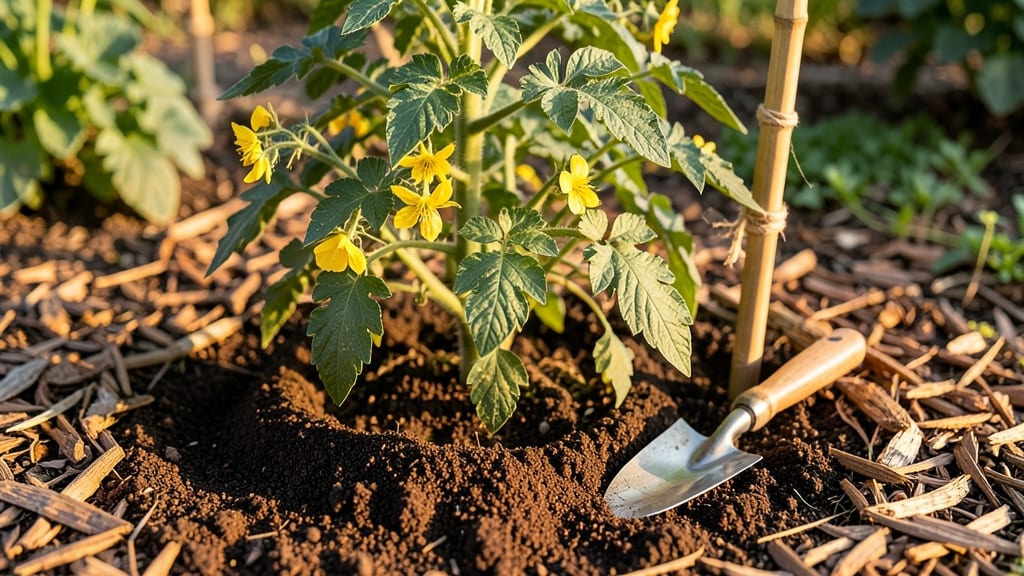
Tomato plants do like coffee in moderation, as used coffee grounds provide nitrogen, improve soil structure, and deter pests—but overuse can acidify soil or attract mold. Apply sparingly as mulch or compost, never directly on stems.
Coffee grounds work as a natural fertilizer because they're rich in nitrogen—an essential nutrient for leafy green growth. 🌱 The organic matter also breaks down over time, creating air pockets in heavy clay soil, which helps roots breathe better.
I've noticed my tomato plants grow more vigorously when I mix a thin layer of grounds into the soil at planting time, but I always balance it with compost to prevent acid buildup.
What's important is the application method. Sprinkling grounds directly on stems risks fungal growth, while mixing them into compost or using them as mulch distributes nutrients evenly.
For best results, I use about 1 cup of used grounds per plant every 4-6 weeks, adjusting based on soil pH tests. This approach keeps the soil healthy without overwhelming your tomatoes.
💡 In This Article
- How Coffee Grounds Benefit Tomato Plant Growth
- Best Ways to Use Coffee Grounds for Tomatoes Without Harming Plants
How coffee grounds benefit tomato plant growth
Coffee grounds act as a powerhouse fertilizer because they're packed with nitrogen—a key nutrient that fuels leafy growth and vibrant foliage in tomato plants. When grounds decompose, they release this nitrogen gradually, providing a slow-release boost that mimics organic fertilizers.
This is especially helpful for tomatoes, which are heavy feeders and need consistent nitrogen to support their extensive foliage and fruit production. The organic matter also introduces beneficial microbes that break down complex compounds into plant-accessible forms.
Beyond nitrogen, coffee grounds improve soil structure by creating tiny air pockets when mixed into heavy clay soil. This aeration helps roots absorb oxygen and water more efficiently, reducing the risk of root rot—a common issue in compacted soils.
I've seen my tomato plants thrive when I incorporate ½ cup of grounds per square foot into garden beds, as the texture becomes lighter and more crumbly over time. The grounds also act as a natural mulch, retaining moisture while suppressing weeds that compete with tomatoes for nutrients.
One of the most surprising benefits is their pest-repellent properties. The strong aroma of coffee grounds deters slugs, snails, and some insects, thanks to the caffeine and tannins present. These compounds create an unpleasant environment for pests while being harmless to beneficial insects like bees.
However, the key is moderation—too much caffeine can stunt growth, so I always balance grounds with compost or aged manure to dilute their effects while maintaining soil health.
The pH effects are where caution comes in. Coffee grounds are naturally acidic (pH 4.5-5.5), which can lower soil pH over time. Tomatoes prefer slightly acidic to neutral soil (pH 6.0-6.8), so overapplication can create an unfavorable environment.
To mitigate this, I mix grounds with lime or wood ash to neutralize acidity, or I use them as a top dressing rather than mixing them deeply into the soil. This approach lets me enjoy the benefits without risking soil chemistry imbalances.
What's fascinating is how microbial activity ramps up when coffee grounds are added. The grounds provide a food source for beneficial bacteria and fungi, which in turn break down organic matter and release additional nutrients. This creates a self-sustaining cycle where the soil ecosystem thrives, indirectly supporting tomato growth.
I've noticed my plants develop stronger root systems and better disease resistance when the soil is teeming with this microbial activity, making them more resilient against common tomato ailments like early blight.
For visual evidence, observe how tomato plants treated with coffee grounds develop darker green leaves and more robust stems compared to untreated plants. The difference is particularly noticeable during flowering, when the extra nitrogen supports vigorous bloom production.
Just remember: the magic happens when grounds are used as part of a balanced soil amendment strategy, not as a standalone solution. 🌱