
Companion Plants
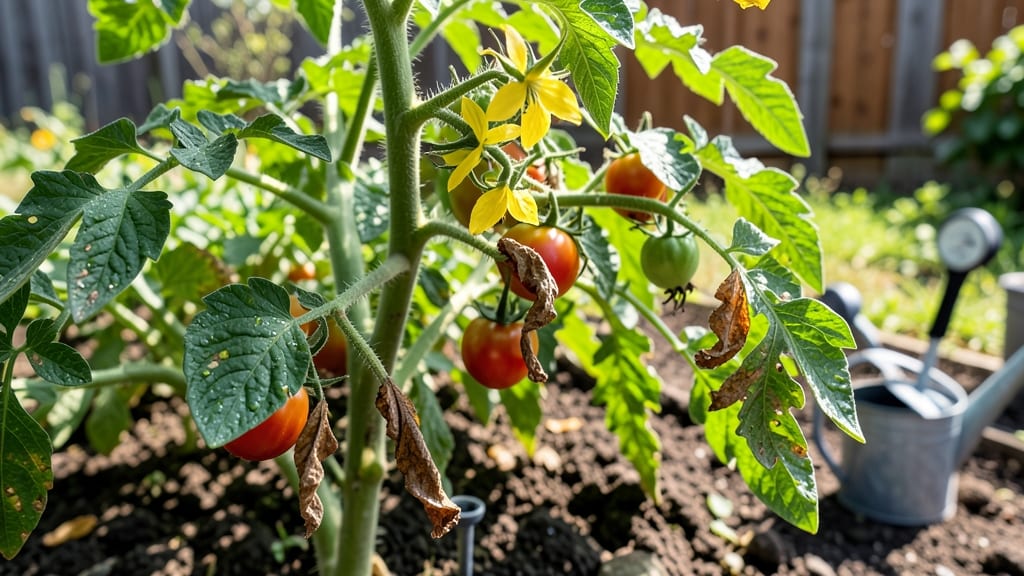
When your tomato plants develop crispy brown leaf tips, it’s usually a cry for help—not from pests, but from a calcium deficiency that’s easier to fix than you’d think. 🌱 I’ve seen this happen to even the most experienced gardeners, and the good news is that with a few simple adjustments, your plants can bounce back in just 3 days.
The key is understanding whether it’s a watering issue, a soil problem, or both—and how to correct it fast.
Most gardeners assume brown tips mean overwatering, but it’s often the opposite: uneven moisture or hard water that prevents roots from absorbing calcium. My first fix? A balanced fertilizer with extra calcium (like crushed eggshells or gypsum) mixed into the soil around the base.
Pair that with consistent watering—deep soaks every 2-3 days rather than light sprinkles—and you’ll see new growth in no time. The leaves won’t just stop browning; they’ll start looking plump and vibrant again.
Here’s the game-changer: prune off the worst-affected leaves (they won’t recover) and focus on the healthy ones. Your plant will redirect energy to new growth, and within a week, you’ll have stronger stems and bigger tomatoes on the way.
The secret weapon? Mulch—it keeps moisture steady and prevents future stress. I’ve used straw or grass clippings, and the difference is night and day.
This fix works for container gardens, raised beds, and in-ground plots alike, so don’t let a few brown tips scare you off. The same principles apply whether you’re growing cherry tomatoes or beefsteaks—just adjust the fertilizer amount based on pot size.
By the time your next harvest rolls around, you’ll have a foolproof system to keep your plants thriving all season long.
Root Causes of Leaf Burn
When your tomato plants start showing brown, crispy leaf tips, it’s often a cry for help from the roots—or a sign of environmental stress. Understanding the why behind these symptoms is the first step to saving your harvest.
Below, we break down the most common culprits, backed by science, so you can diagnose the issue and act fast.
Tomatoes are thirsty plants, but too much water—especially without proper drainage—can drown their roots and starve them of oxygen. When soil stays soggy, roots suffocate, and the plant can’t absorb nutrients efficiently, leading to calcium deficiency (a classic symptom of brown leaf tips).
Why it happens:
- Waterlogged soil disrupts root function, blocking calcium uptake.
- Sodium buildup from tap water or over-fertilization can also block calcium absorption.
- Compacted or clay-heavy soil holds excess moisture, worsening the problem.
Actionable clue: Check the soil 1–2 inches down—if it’s damp after 24 hours, you’re overwatering.
Tomatoes thrive in warmth but hate sudden temperature drops (especially below 50°F/10°C) or scorching heat. Cold stress disrupts nutrient transport, while heat stress causes transpiration to outpace water uptake, leading to calcium deficiency in new growth.
Why it happens:
- Cold nights slow root activity, reducing calcium absorption.
- Hot, dry days cause rapid water loss through leaves, but roots can’t keep up with calcium delivery.
- Windburn (from dry, windy conditions) can mimic brown tips by damaging leaf edges.
Actionable clue: Brown tips appearing after a cold snap or heatwave? Temperature stress is likely.
While calcium deficiency (blossom end rot’s cousin) is the most common cause, other nutrient issues can trigger brown leaf tips. Too much salt, nitrogen, or boron can interfere with calcium uptake, while a low potassium or magnesium level weakens the plant’s ability to manage water and nutrients.
Why it happens:
Nutrient Issue
Symptoms
Why It Blocks Calcium
Excess nitrogen
Dark green leaves, stunted growth
Promotes leafy growth but starves roots of other nutrients.
High salt (from fertilizers)
Crispy edges, yellowing between veins
Salts bind to calcium, making it unavailable.
Low potassium
Weak stems, brown leaf margins
Potassium helps regulate water and nutrient flow.
Actionable clue: If brown tips appear after fertilizing, you may have overdone it.
Disturbed roots (from transplanting, pruning, or even aggressive mulching) can’t absorb calcium efficiently. Even minor root trauma slows nutrient uptake, leading to deficiency symptoms within days.
Why it happens:
- Root pruning during transplanting severs fine feeder roots.
- Compaction from foot traffic crushes roots, reducing surface area for absorption.
- Over-mulching near stems can suffocate roots.
Actionable clue: Brown tips appearing 2–5 days after transplanting or heavy rain? Root stress is the likely culprit.
Some pests and pathogens steal nutrients or block water flow, indirectly causing brown leaf tips. For example:
- Spider mites pierce cells, disrupting nutrient transport.
- Root-knot nematodes damage roots, reducing calcium uptake.
- Fungal infections (like early blight) clog stomata, causing water stress.
Why it happens:
- Pests/diseases create physical barriers to nutrient movement.
- Infected plants divert energy to healing, leaving leaves nutrient-starved.
Actionable clue: Check undersides of leaves for tiny webs, holes, or discoloration.
Quick Fixes for Crispy Tomato Leaves
If your tomato plants are showing brown leaf tips or edges, the good news is that most causes have simple, fast solutions—often within days. Below, we’ve mapped the most common culprits to step-by-step fixes, so you can rescue your plants and keep them thriving.
Don’t forget: prevention is the best cure, so we’ve included pro tips to keep those leaves lush and green!
Too much water (or soggy soil) can drown roots, starving leaves of oxygen and nutrients. Brown tips often appear first on older leaves.
How to Fix It:
🔥 🌱 Step 1: Check the Soil
- Stick your finger 1–2 inches into the soil. If it’s damp or muddy, cut back on watering immediately. Tomato plants prefer soil that’s moist but not soggy.
🍳 👨🍳 Step 2: Improve Drainage
- If your pots lack drainage holes, transfer plants to containers with holes or add a layer of gravel or perlite at the bottom.
- For in-ground plants, amend heavy clay soil with compost or sand to loosen it up.
🥘 ⏰ Step 3: Adjust Your Watering Routine
- Water deeply once every 2–3 days (or when the top inch of soil feels dry). Avoid shallow, frequent watering.
- Water at the base of the plant (not the leaves) to prevent fungal issues.
💡 🔥 Pro Tip: Mulch around plants with straw or wood chips to retain moisture evenly and reduce evaporation.
Dry, crispy leaf tips can also signal thirsty plants—especially in hot, dry weather. Tomato leaves are sensitive to moisture loss.
How to Fix It:
🔥 💦 Step 1: Hydrate Immediately
- Give your plants a slow, deep drink of water. Let it soak into the soil for at least 30 minutes.
🍳 🌿 Step 2: Increase Humidity (If Needed)
- Place a tray of pebbles and water near potted plants or use a shade cloth to protect from scorching afternoon sun.
- For in-ground plants, water in the early morning or late evening to reduce evaporation.
🥘 ⏰ Step 3: Monitor Soil Moisture
- Use a moisture meter or your finger to check soil daily in extreme heat. Aim for consistently moist (not waterlogged) soil.
💡 ✨ Pro Tip: Group tomato plants together to create a microclimate that retains moisture and reduces stress.
Brown, brittle leaf tips (often with yellowing underneath) can signal a calcium shortage, though it’s less common than in fruits. Young leaves are usually the first to show signs.
How to Fix It:
🔥 🥛 Step 1: Boost Calcium Fast
- Sprinkle crushed eggshells or calcium-rich compost around the base of the plant. Water it in well.
- For potted plants, add a 1 tsp of calcium nitrate to the soil and water thoroughly.
🍳 👨🍳 Step 2: Use a Balanced Fertilizer
- Switch to a low-nitrogen, high-calcium fertilizer (like 5-10-10 or a tomato-specific blend). Follow package instructions.
- Avoid high-nitrogen fertilizers, which can worsen calcium uptake issues.
🥘 🔪 Step 3: Improve Soil Health
- Mix in aged manure or bone meal (1–2 tbsp per plant) to replenish calcium over time.
- For container plants, repot into fresh, well-draining potting mix with added compost.
💡 🌡️ Pro Tip: Epsom salt (magnesium sulfate) can help if calcium deficiency is paired with magnesium issues. Use 1 tbsp per gallon of water every 2 weeks.
Over-fertilizing (especially with synthetic salts) or using hard water can leave toxic residues in the soil, causing brown, crunchy leaf edges.
How to Fix It:
🔥 🚰 Step 1: Flush the Soil
- Water the plant thoroughly with distilled or rainwater to leach out excess salts. Repeat 2–3 times over a week.
🍳 🌱 Step 2: Adjust Fertilizer Use
- Switch to an organic fertilizer (like fish emulsion or worm castings) and halve the recommended dose.
- Let the soil dry slightly between feedings to prevent salt buildup.
🥘 ⏰ Step 3: Test Your Water
- If you use hard water, consider collecting rainwater or installing a water softener for gardening.
💡 🎯 Pro Tip: Coffee grounds (used sparingly) can help neutralize soil pH and reduce salt stress. Mix ½ cup into the top inch of soil.
Spider mites, aphids, or fungal infections (like early blight) can cause brown, dry leaf tips as they feed or spread.
How to Fix It:
🔥 🕷️ Step 1: Inspect for Pests
- Hold a white sheet under the plant and shake it gently. Look for tiny webs (mites) or sticky residue (aphids).
- Spray infested areas with neem oil or insecticidal soap (follow label instructions).
🍳 🍄 Step 2: Treat Fungal Issues
- Remove all affected leaves and destroy them (don’t compost).
- Apply a copper fungicide or baking soda spray (1 tsp baking soda + 1 quart water + a drop of dish soap).
🥘 🌿 Step 3: Improve Airflow
- Prune crowded foliage to increase airflow around plants. Space tomato plants 18–24 inches apart.
💡 💪 Pro Tip: Companion plants like basil or marigolds can repel pests naturally. Plant them near your tomatoes!
Remember: Most brown leaf tips resolve within 3–7 days if you address the root cause. Keep an eye on your plants, and don’t hesitate to tweak your care routine as needed. Happy gardening! 🌱🍅
Frequently asked questions
Why do my tomato leaves get brown tips only on the older leaves?
Older leaves showing brown tips usually indicate overwatering or poor drainage. When soil stays too wet, roots suffocate and can't absorb nutrients efficiently. This causes calcium deficiency symptoms to appear first on mature leaves, which can't recover as easily as new growth. Try letting the top inch of soil dry out between waterings.
Can I save my tomato plant if the brown tips are spreading fast?
Yes, but act quickly! First, check for pests or fungal issues (like spider mites or early blight). Prune off severely damaged leaves to redirect energy to healthy growth. Then focus on fixing the root cause—whether it's inconsistent watering, nutrient imbalance, or poor soil drainage. With proper care, most plants recover within 3-7 days.
Will brown leaf tips affect my tomato harvest?
Not necessarily! While brown tips are usually a sign of stress, they rarely harm fruit production. The bigger concern is what's causing the issue—like calcium deficiency or over-fertilization, which can impact fruit quality. Focus on fixing the underlying problem, and your tomatoes should develop normally. The leaves won't recover, but new growth will stay healthy.
How can I tell if my tomato plant needs calcium or just better watering?
Check the soil first: if it's consistently soggy, you're overwatering. For calcium deficiency, look for brittle new leaves (not just brown tips) and possible blossom end rot on fruits. Try both solutions—improve drainage AND add crushed eggshells or calcium nitrate. The plant will tell you what it needs most through its growth response.
Is it safe to use tap water if my plants have brown tips?
Hard water (high in minerals) can actually worsen brown tips by blocking calcium absorption. If you suspect hard water, try collecting rainwater or distilled water instead. For immediate results, flush the soil with distilled water to remove mineral buildup, then switch to filtered water for future watering.