
Vegetables
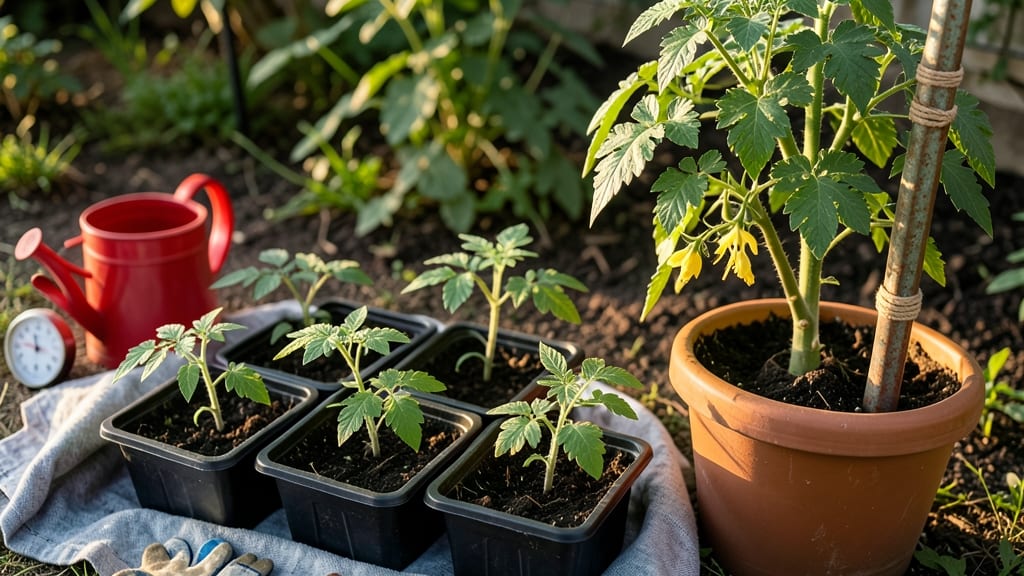
Hardening off tomato seedlings is the secret weapon that turns fragile indoor babies into tough outdoor survivors—7 days of gradual prep makes all the difference. 🌱 I still remember my first year when I planted tender seedlings straight into the garden and watched them wilt by afternoon.
The key isn't rushing; it's mimicking nature's slow transition from cozy indoor conditions to bright sunlight and breezy days.
You'll need your seedlings, a sheltered outdoor spot, and 30 minutes daily for the next week. Start by moving them outside for just an hour on day one, then gradually increase their time outdoors while protecting them from direct sun.
Think of it like giving your plants a sunburn-free vacation—each day they handle a little more wind and light. The goal is to toughen their cell walls so they don't shock when planted in the ground.
By day seven, your seedlings will be ready for their permanent home in the garden. You'll notice stronger stems, deeper green leaves, and plants that stand up straight instead of flopping over.
The best part? They'll establish roots faster and start producing fruit weeks ahead of schedule. This simple process saves you from replanting sad, sun-scorched seedlings later.
Works for all tomato varieties—whether you're growing cherry tomatoes in containers or beefsteak varieties in raised beds. The same method applies to peppers and eggplants too. Here's how to do it right without losing a single plant to transplant shock.
📚 In This Guide
- What you need
- Instructions
- Tips and common mistakes
- Wrapping up and next steps
What you need
- ● Tomato seedlings: Healthy, 4-6 week old plants (about 6–12 inches tall) with 2–4 true leaves.
- ● Garden space: A sheltered outdoor area (like a balcony, patio, or garden bed) with partial shade and protection from wind.
- ● Watering can or hose: With a gentle spray nozzle (or a watering wand) to avoid shocking seedlings.
- ○ Containers or pots (optional but helpful): Small nursery pots (4–6 inches in diameter) for transplanting seedlings temporarily.
- ● Grow bags or biodegradable pots (if you prefer no transplant shock).
- ○ Garden twine or stakes (optional): To support seedlings if they’re leggy or tall.
- ○ Fertilizer (optional): Balanced liquid fertilizer (10-10-10 or 5-5-5) diluted to half-strength.
- ● Compost tea or fish emulsion for a natural boost.
- ○ Shade cloth (optional but recommended for hot climates): 30–50% shade fabric to protect seedlings from intense sun.
- ● Timer or clock: To track daily hardening-off sessions (aim for 1–2 hours per day, gradually increasing).
- ● Weather check: Choose a week with mild temperatures (50–70°F) and no frost warnings.
- ● Soil readiness: If planting directly in the ground, ensure the soil is warm (at least 60°F) and well-drained.
- ● Patience: Hardening off takes 7 days—don’t rush it!
Step-by-step instructions for hardening off tomato plants
Here's how to prepare your seedlings for outdoor life without shocking them.
🌱 Step 1: Start Gradually with Sheltered Exposure
On day one, move your tomato seedlings to a sheltered outdoor spot—like a covered porch or under a tree—where they'll receive dappled sunlight and protection from wind. I like to place them in their final planting containers to avoid transplant shock later. Choose a location with morning sun and afternoon shade to ease them into stronger light conditions.
Leave them outside for just 1-2 hours on the first day. You'll notice they might wilt slightly from the new environment, but this is normal. Water them lightly before bringing them back indoors for the night. The goal is to let them adjust to outdoor temperatures and light intensity without overwhelming them.
☀️ Step 2: Increase Sunlight and Wind Exposure Daily
Each subsequent day, extend their outdoor time by 1-2 hours while gradually increasing their exposure to direct sunlight. By day three, they should be outside for 4-6 hours, and by day five, they can handle a full day if the weather cooperates. Watch for signs of stress—leaves curling or yellowing means they're getting too much sun too soon.
After 3-4 days, introduce gentle wind exposure by placing them in an area with light breezes. This helps strengthen their stems, preventing them from becoming top-heavy and snapping later. If frost threatens, bring them back inside immediately—tomatoes are sensitive to cold even after hardening off.
💧 Step 3: Adjust Watering to Outdoor Conditions
Once seedlings are outside for 6+ hours daily, switch to watering them outdoors to mimic their future environment. Water in the morning so the foliage has time to dry before evening, reducing the risk of fungal diseases. You'll notice the soil dries out faster in direct sun, so check the top inch daily—if it feels dry, it's time to water.
Reduce watering frequency slightly compared to indoor care. Overwatering now can lead to weak roots that struggle when transplanted. Let the soil dry out a bit more between waterings, but never to the point of wilting. Strong, resilient seedlings will have firm stems and deep green leaves by the end of the week.
⏰ Step 4: Finalize the Process Before Transplanting
By day 7, your seedlings should be ready for full outdoor conditions. They'll tolerate direct sun, light wind, and overnight temperatures if they're above 50°F. Before transplanting, do a final check: gently tug on the stems—healthy roots will resist slightly, and leaves should look vibrant, not stressed.
Plant on an overcast day or in the late afternoon to minimize transplant shock. Water deeply at the base after planting to help roots establish quickly. The hardening-off process ensures your tomatoes transition smoothly, giving them the best start for a productive season.
Tips & tricks for perfect seedling transition
Between us, the first time I rushed seedlings outdoors without hardening off, I lost half my plants to shock. Here's what I learned to make the process foolproof.
Sunlight Transition: That first 1-2 hours on day one is crucial—it's not about duration, it's about acclimation. Place seedlings where they'll get gentle morning light and afternoon shade. I've seen dramatic differences when moving them from bright indoor windows to direct afternoon sun too soon. Watch for leaves that look glazed or pale; that's your sign to bring them back inside for another day.
Wind Resistance: After those 3-4 days of gradual sunlight exposure, I start introducing wind by placing seedlings near a gently swaying tree branch. This mimics natural conditions and strengthens stems. What nobody tells you is that tomato plants actually grow taller when exposed to light wind—it's nature's way of preparing them for real-world conditions.
Watering Wisdom: The shift to outdoor watering is where most people mess up. I've learned to check soil moisture with my finger—press an inch down, and if it feels dry, that's your cue. Morning watering is non-negotiable; it prevents fungal issues by giving foliage time to dry. Pro tip: Use a spray bottle for light watering during the first few days to avoid disturbing the soil too much.
Temperature Check: That 50°F minimum overnight temp is critical, but don't rely solely on the thermometer. I've had seedlings survive 48°F nights when sheltered by a cold frame, but they showed stress. When temps drop below 50°F, bring them inside or cover with frost cloth. Remember, tomatoes are tropical plants at heart—they'll never fully harden off for cold climates.
Pro Tips for Harden Off Tomato Plants
- Between us, the first time I rushed seedlings outdoors without hardening off, I lost half my plants to shock.
- Sunlight Transition: That first 1-2 hours on day one is crucial—it's not about duration, it's about acclimation.
- Wind Resistance: After those 3-4 days of gradual sunlight exposure, I start introducing wind by placing seedlings near a gently swaying tree branch.
Frequently asked questions
Got questions about hardening off your tomato plants? You’re not alone—this step can feel tricky, but we’ve got answers to help you succeed! Here are some of the most common concerns, simplified for stress-free gardening.
How long does it really take to harden off tomato plants?
While 7 days is a common guideline, the process depends on your climate and weather. Start with 2–3 hours of exposure on day one, gradually increasing by 1–2 hours daily. If temperatures drop below 50°F (10°C), extend the timeline or use shade cloth. Patience is key! Rushing can shock tender seedlings.
Can I harden off tomato plants in just 3–4 days?
It’s possible in mild, stable weather, but not recommended for most gardeners. Seedlings need time to adjust to wind, sun, and temperature fluctuations. If you’re short on time, start earlier (e.g., 10–14 days) or use a cloche or row cover to protect them during the transition. Better safe than sorry!
What if it rains or gets too cold during hardening off?
Mother Nature can throw curveballs! If rain or chilly temps (below 50°F/10°C) arrive unexpectedly, move plants to a sheltered spot (like a garage or under a porch) for the day. Avoid plastic bags—humidity buys can lead to mold. Monitor forecasts and adjust your schedule accordingly.
Do I need to harden off tomato plants if I’m using containers?
Yes! Container-grown tomatoes still need hardening off because they’re just as vulnerable to transplant shock. The key difference? Portable pots make it easier to move seedlings indoors overnight if needed. Hardening off is about acclimating, not just the soil—so follow the same steps as in-ground plants.
What if my tomato seedlings look wilted or stressed after hardening off?
Don’t panic! Wilting is often a sign of transplant shock or underwatering. Water deeply (but avoid soggy soil) and place them in partial shade for a day or two. If leaves turn yellow (chlorosis), they may need chelated iron or a soil pH check. Give them 2–3 days to recover before full sun exposure.
Pro Tip: Morning vs. Afternoon Hardening
Start hardening off in the morning to avoid the harsh afternoon sun, which can scorch seedlings. If you must expose them later in the day, provide afternoon shade with a light cloth or mesh. Timing matters!
Wrapping up and next steps
Hardening off your tomato seedlings is the secret weapon for thriving plants and a bountiful harvest! 🌱 With just a week of gradual exposure, you’ll transform delicate seedlings into resilient powerhouses ready to face the great outdoors. Remember, patience and consistency are key—your future juicy tomatoes will thank you!
Now that you’re ready to harden off, take the next step: transplant with confidence. Choose a sunny spot, dig deep holes, and give those roots room to stretch. Happy gardening—your garden (and taste buds) will love the results! 🍅✨