
Planting
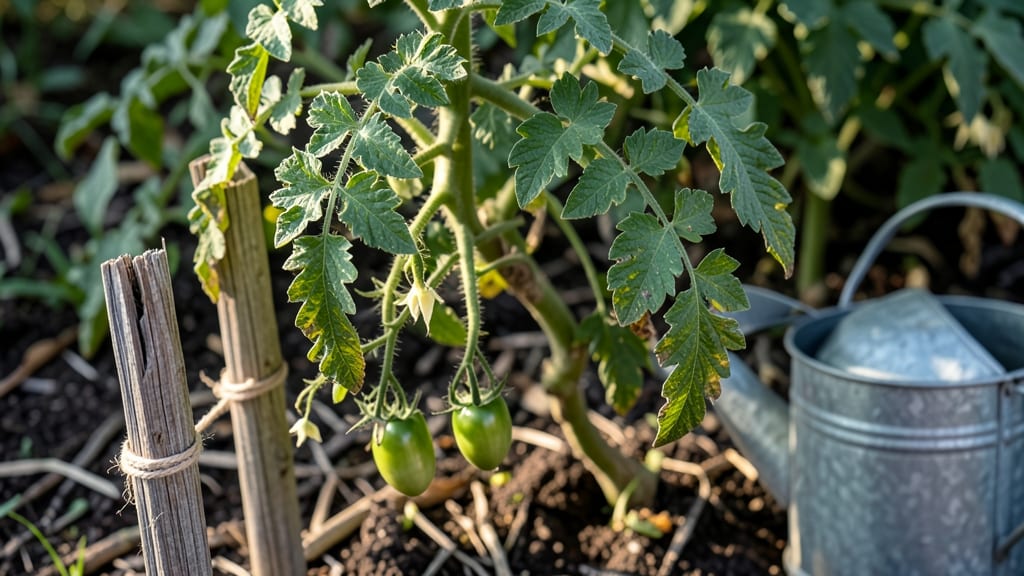
Your tomato plants look like they’ve thrown in the towel—but droopy tomato plants don’t mean game over. 🌱 I’ve brought back dozens of wilted vines using this simple trick, and you can too.
The key is pinpointing the exact cause (underwatering? heat stress? pests?) and acting fast before roots give up for good.
Start by checking the soil: dig your finger in 2 inches deep. If it’s bone-dry, give them a deep drink at the base—not overhead. If it’s soggy, hold off on watering and focus on airflow.
Then inspect the leaves for pests or spots—those are red flags. Most droopy plants bounce back within 24-48 hours with the right fix, but some need a little extra TLC.
The real magic happens when you combine quick fixes with long-term habits: mulch to keep roots cool, prune for better airflow, and water consistently (not sporadically). By day three, your plants should perk up—dark green leaves, stiff stems, and a renewed appetite for sunlight.
That’s when you know you’ve saved them.
This works for container tomatoes, in-ground plants, and even heat-stressed vines. The secret? Paying attention to what your plants tell you before they collapse. Let’s get those vines standing tall again—starting with today’s first step.
Root Causes Of Sagging Tomatoes
Understanding why your tomato plants are drooping starts with identifying the stress signals they’re sending. 🌱💦 Most cases boil down to a few key factors—each with a distinct scientific explanation and actionable fixes. Let’s break down the most common culprits:
Tomatoes thrive on consistency, but too much water (or waterlogged soil) suffocates roots by cutting off oxygen. When roots can’t absorb water efficiently, the plant wilts—even if the soil feels damp.
This is called physiological drought, where excess moisture triggers root rot (Phytophthora or Pythium fungi) or stunts root growth.
Why it happens:
- Compacted soil repels water, creating pockets where roots drown.
- Clay-heavy soil holds moisture like a sponge, starving roots of air.
- Overhead watering washes away soil nutrients and encourages fungal growth.
Actionable fix: Test soil moisture by sticking your finger 2 inches deep—if it’s soggy, hold off on watering. Amend soil with perlite or compost to improve aeration, and water at the base (not leaves) to prevent fungal spread.
Tomatoes are 95% water by weight, and wilting is their first sign of dehydration. High temperatures (above 90°F) accelerate moisture loss through transpiration (water vapor escaping leaves), while shallow roots struggle to replenish it. Heat stress also causes sunscald, where leaves crisp and droop from excessive sun exposure.
Why it happens:
- Shallow root systems (common in young plants) can’t reach deep water reserves.
- Evaporative demand spikes on hot days, outpacing root uptake.
- Plastic pots overheat soil, forcing roots to work harder.
Actionable fix:
- Mulch heavily (straw or wood chips) to retain soil moisture.
- Water deeply 1–2 times daily in extreme heat (early morning is best).
- Use shade cloth (30–50%) if temps exceed 95°F to reduce transpiration.
Droopy leaves with yellowing edges or blossom-end rot (blackened fruit bottoms) often signal potassium (K) or calcium (Ca) deficiencies. These minerals regulate osmotic pressure—when levels drop, plant cells lose turgor (rigidity), causing wilting.
Why it happens:
- Potassium helps regulate water movement; low levels = poor stress resistance.
- Calcium strengthens cell walls; deficiency causes calcium uptake failure in new growth.
- Over-fertilizing with nitrogen (green leaves, weak roots) starves plants of K/Ca.
Actionable fix:
- Test soil pH (aim for 6.0–6.8)—acidic soil locks out calcium.
- Side-dress with compost tea or use a balanced fertilizer (e.g., 5-10-10) every 3–4 weeks.
- Crushed eggshells (for calcium) or banana peels (potassium-rich) boost deficient plants.
Sap-sucking pests (aphids, spider mites) and diseases (early blight, fusarium wilt) disrupt the plant’s vascular system, blocking water transport. Look for:
- Sticky residue (honeydew) from aphids.
- Yellow stippling (mites) or dark spots (fungal infections).
- Wilted leaves that stay droopy even after watering (vascular blockage).
Why it happens:
- Pests inject toxins or feed on phloem (food-conducting tissue).
- Fungal pathogens clog xylem (water-conducting vessels), like a plugged pipe.
Actionable fix:
- Spray neem oil (1 tsp/gallon water) for pests; repeat every 5–7 days.
- Remove infected leaves and apply copper fungicide at first signs of blight.
- Rotate crops yearly to prevent soil-borne diseases like fusarium.
If your tomato plant’s roots are circling the pot or freshly transplanted, they’re struggling to establish a new water-uptake network. Root-bound plants develop a dense, tangled root ball that can’t absorb moisture efficiently, leading to wilting despite wet soil.
Why it happens:
- Small pots restrict root growth, forcing roots to compete for space.
- Transplanting severs fine feeder roots, slowing water absorption for 1–2 weeks.
Actionable fix:
- Repot root-bound plants into a 5-gallon container with fresh potting mix.
- Prune circling roots gently before transplanting to encourage outward growth.
- Use root stimulator (like mycorrhizal fungi) to speed recovery post-transplant.
Quick Fixes for Wilting Tomato Vines
A droopy tomato plant doesn’t mean your harvest is lost—it just needs a little TLC to bounce back. Whether your vines are wilting from heat stress, thirst, or disease, these targeted solutions will help you revive them fast.
Below, we’ve mapped common causes to simple fixes, plus prevention tips to keep your tomatoes thriving long-term.
Fix: Adjust your watering routine immediately. Tomatoes hate soggy roots but also suffer from drought stress. If the soil feels too wet (like a sponge), your plant may be drowning. If it’s bone-dry, it’s thirsty.
- For overwatering:
- Let the top 1–2 inches of soil dry out before watering again.
- Improve drainage by adding compost or perlite to heavy clay soil.
- Water deeply but less frequently—aim for 1–1.5 inches per week (adjust for rain).
- For underwatering:
- Give your plant a slow, deep watering at the base (avoid wetting leaves to prevent disease).
- Use drip irrigation or soaker hoses to deliver water directly to roots.
- Mulch with straw or grass clippings to retain moisture.
💡 Pro Tip: Stick your finger in the soil—if it’s damp past 1 inch, hold off on watering. If it’s dry, it’s time to hydrate!
Fix: Shield your plants from extreme conditions. Tomatoes wilt when temperatures soar above 90°F (32°C), especially if they’re not acclimated. Young plants are especially vulnerable.
- Provide shade cloth (30–50% coverage) during peak afternoon sun.
- Water in the early morning to reduce evaporation and help roots absorb moisture.
- Harvest ripe tomatoes to reduce plant stress—overloaded vines wilt faster.
- Avoid fertilizing during heatwaves, as it can burn roots.
🌡️ Quick Relief: Mist leaves lightly (early morning only) to cool them down, but avoid soggy foliage.
Fix: Feed your plants the right way. Wilting can signal a lack of nitrogen, phosphorus, or potassium—or even compacted soil.
- Test your soil (a simple DIY kit works) to check pH (ideal: 6.0–6.8) and nutrient levels.
- Add compost or well-rotted manure for a slow-release nutrient boost.
- Use a balanced fertilizer (like 10-10-10) at planting, then switch to a low-nitrogen, high-phosphorus fertilizer (like 5-10-10) when flowers appear.
- Avoid fresh manure—it can burn roots and cause more wilting.
✨ Revival Hack: Mix 1 tablespoon of Epsom salt (magnesium sulfate) into a gallon of water and water your plants at the base. This can help with yellowing leaves and wilting from magnesium deficiency.
Fix: Identify the issue and act fast. Fungal diseases (like early blight or fusarium wilt) or pests (aphids, spider mites) can drain your plant’s energy, leading to wilting.
- Check for signs:
- Yellow leaves + brown spots? Likely early blight or blight.
- Wilted leaves that stay droopy even at night? Could be fusarium or verticillium wilt (a fungal root infection).
- Sticky leaves or tiny bugs? Aphids or spider mites are sucking sap.
- For fungal diseases:
- Remove affected leaves immediately and dispose of them (don’t compost).
- Spray with a copper fungicide or baking soda mix (1 tsp baking soda + 1 quart water + a drop of dish soap).
- Water at the base (not overhead) to prevent spore spread.
- For pests:
- Blast off aphids with a strong stream of water.
- Use neem oil spray (follow package instructions) for mites and soft-bodied insects.
- Introduce ladybugs or lacewings (natural predators) to your garden.
🎯 Prevention: Rotate crops yearly and plant resistant varieties (like ‘Mountain Merit’ or ‘Celebrity’) to avoid recurring issues.
Fix: Give your plant space to breathe. If your tomato was recently transplanted or is root-bound, its roots may struggle to absorb water and nutrients.
- Check the roots when repotting—if they’re circling the pot, it’s time to upgrade.
- Repot in a larger container with fresh, well-draining soil.
- Trim any damaged roots before replanting to encourage new growth.
- Water thoroughly after transplanting and keep the soil consistently moist for the first week.
🔥 Post-Transplant Care: Avoid fertilizing for 7–10 days to reduce stress on the roots.
If your tomato plant is severely wilted but not dead, try this 24-hour reset:
- Prune any blackened or mushy leaves (diseased tissue won’t recover).
- Water deeply at the base (not the leaves) with lukewarm water (helps stressed roots).
- Wrap the plant in a damp towel (like a mini greenhouse) for 12–24 hours to retain moisture.
- Move to a shadier spot for 2–3 days to reduce stress.
- Fertilize lightly with a seaweed or fish emulsion (gentle nutrients for recovery).
⏰ Follow-Up: Monitor daily and resume normal care once the plant perks up.
Prevention Checklist for Next Season: ✅ Choose the right variety for your climate (heat-tolerant or dwarf types if space is limited). ✅ Plant in well-draining soil with plenty of organic matter. ✅ Use cages or stakes early to support vines and prevent stress. ✅ Mulch heavily to retain moisture and regulate soil temperature. ✅ Rotate crops to prevent soil-borne diseases.
Frequently asked questions
Why do my tomato leaves droop in the afternoon but perk up at night?
This classic pattern usually means heat stress or underwatering. During hot afternoons, your plant loses moisture faster than roots can absorb it. Check soil moisture at sunset—if top 2 inches are bone-dry, water deeply in the morning. Mulch with straw to lock in moisture and provide afternoon shade with a breathable cloth (50% coverage).
Can I save a tomato plant that's been wilting for over a week?
Possibly! First, diagnose the cause: prune blackened leaves and check roots for rot. If roots are firm (not mushy), try a 24-hour reset: water deeply at base with lukewarm water, wrap in a damp towel, and move to shade. For nutrient issues, mix 1 tbsp Epsom salt in a gallon of water. If roots are rotted, repot with fresh soil—but expect slower recovery.
Is it better to water tomato plants every day or less frequently?
Deep, inconsistent watering wins over daily shallow drinks. Aim for 1-1.5 inches per week (more in heat). Water at soil level in the morning to prevent fungal growth. The key is keeping roots moist but not soggy—stick your finger 2 inches deep. Containers dry faster, so check daily, while in-ground plants may need watering every 2-3 days.
Why do my container-grown tomatoes wilt faster than in-ground plants?
Containers dry out 3x faster than garden beds! Use 5-gallon minimum pots with drainage holes, and switch to self-watering systems if you travel often. Add coco coir to potting mix to retain moisture, and place containers in partial shade during heatwaves. Never let soil dry completely—wilting in containers often means irreversible root damage.
Can over-fertilizing cause droopy tomato plants?
Too much nitrogen (green leaves, weak stems) or salt buildup from fertilizers burns roots. If you've recently fertilized and see wilting, flush soil with 3 gallons of water to leach out excess salts. Switch to a balanced organic fertilizer (like 5-5-5) and water before applying. Yellowing leaves with brown edges? Your plant needs calcium—try crushed eggshells mixed into soil.