Companion Plants
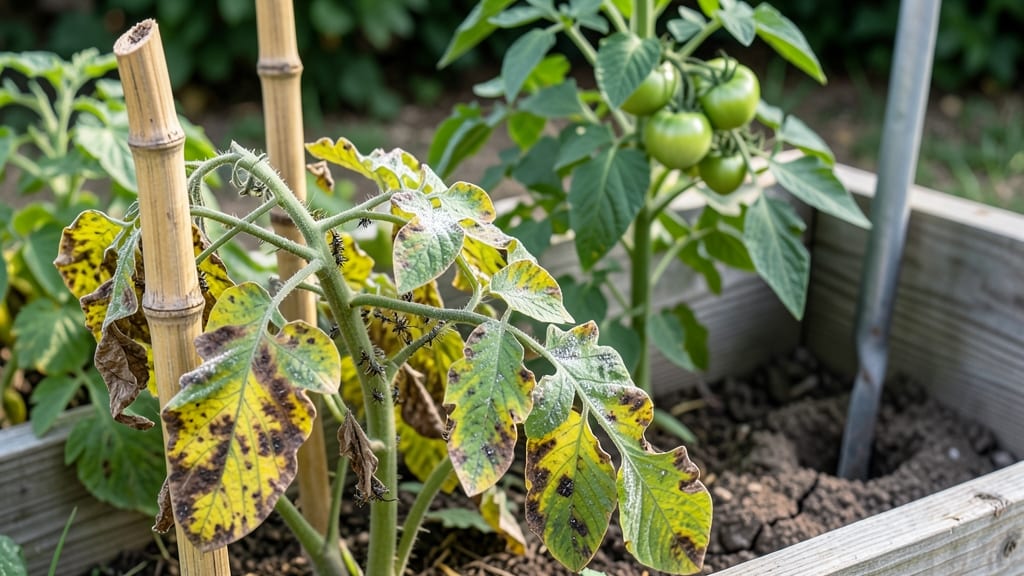
Ugly tomato plants don’t mean your harvest is ruined—just that they need a little TLC. 🌱 I’ve nursed back leggy, yellowing, or spotted tomato plants to produce better than ever, and the fixes are simpler than you’d think.
The key is spotting the problem early, whether it’s nutrient hunger, pests, or just too much shade.
Most "ugly" plants fall into three categories: nutrient deficiencies (like yellow leaves or stunted growth), pest/disease damage (spots, holes, or weird growths), or environmental stress (wilting, curling, or slow growth). Grab a notebook and inspect your plants—check the soil, stems, and undersides of leaves for clues.
The good news? Each issue has a targeted fix, from feeding the soil to pruning for better airflow.
With the right adjustments, you’ll see stronger stems, deeper green leaves, and even more fruit in just a few weeks. I’ve revived plants that looked hopeless with just a handful of changes—like adding compost, rotating crops, or introducing beneficial insects.
The best part? These fixes also prevent future problems, so next season’s tomatoes will start out strong.
Let’s diagnose what’s wrong with your plants and get them back on track. You’ll be harvesting plump, flavorful tomatoes before you know it—no ugly plants in sight.
Root Causes Of Stunted Growth
If your tomato plants look more like sad, scraggly weeds than the vibrant, fruitful vines you dreamed of, the problem likely stems from one (or more) of these common but fixable causes.
Understanding the science behind why tomato plants go "ugly" is the first step to turning them around. Let’s dig into the dirt—literally.
Tomatoes are heavy feeders, and if your soil lacks the right nutrients or structure, they’ll struggle to thrive. Here’s what’s likely going wrong:
- Compacted or clay-heavy soil: Roots can’t spread or absorb oxygen, leading to stunted growth and yellowing leaves. Test your soil’s drainage—if water pools instead of soaking in, it’s a red flag.
- Low organic matter: Soil without compost or aged manure lacks essential nutrients like nitrogen (for leafy growth), phosphorus (for roots), and potassium (for overall health). Think of it like trying to build a skyscraper on sand—it just won’t stand tall.
- pH imbalance: Tomatoes prefer a slightly acidic soil (pH 6.0–6.8). If your soil is too alkaline (pH >7.0) or acidic (pH <5.5), nutrient uptake plummets. Test your soil’s pH—home kits are cheap and easy!
Actionable fix: Amend your soil with compost, well-rotted manure, or a balanced fertilizer (like 10-10-10). For compacted soil, mix in perlite or sand to improve aeration.
Tomatoes are sun worshippers. If they’re not getting enough light, they’ll stretch out (a condition called etiolation) in a desperate bid for sunlight, resulting in weak, leggy plants with small, poor-quality fruits.
- Less than 6–8 hours of direct sun daily: This is the bare minimum for healthy tomato growth. Partial shade or morning sun (without afternoon heat) can also stunt development.
- Overcrowding or shading: Nearby trees, buildings, or even other plants (like tall corn or sunflowers) can cast shade and limit light exposure.
Actionable fix:
- Move potted tomatoes to a sunnier spot or use a reflective surface (like white plastic or aluminum foil) to bounce light onto the plants.
- Prune nearby shade-casting plants or relocate your tomato patch to a south-facing area (in the Northern Hemisphere).
- If growing in containers, place them on a sunny balcony or deck where they can soak up rays.
Watering is an art, not a science—and most gardeners either drown their tomatoes or dehydrate them. Both extremes lead to ugly plants.
- Inconsistent watering: Tomatoes hate "boom or bust" watering. Drought stress causes wilting, yellowing leaves, and blossom-end rot, while overwatering suffocates roots by cutting off oxygen.
- Poor water absorption: If your soil is hydrophobic (common in sandy or clay soils), water beads up instead of soaking in, leaving roots thirsty.
- Wrong time of day: Watering in the heat of the day can scorch leaves, while evening watering can promote fungal diseases (like early blight).
Actionable fix:
- Water deeply 1–2 times per week (depending on climate) rather than daily shallow watering. Aim for 1–2 inches of water per week.
- Use drip irrigation or soaker hoses to deliver water directly to the soil, not the leaves.
- Mulch with straw or grass clippings to retain moisture and regulate soil temperature.
- Check soil moisture with your finger: If the top 1–2 inches are dry, it’s time to water.
Unseen invaders can turn your tomato plants into a sad, chewed-up mess. Common culprits include:
- Herbivorous pests:
- Tomato hornworms (giant green caterpillars that devour leaves overnight).
- Aphids or whiteflies (sap-sucking insects that cause curling leaves and sticky residue).
- Cutworms (larvae that sever stems at ground level, killing young plants).
- Fungal diseases:
- Early blight (brown spots on lower leaves, often from overhead watering).
- Powdery mildew (white, powdery fungus that thrives in humid conditions).
- Verticillium or fusarium wilt (soil-borne fungi that clog xylem vessels, causing sudden wilting).
- Bacterial infections:
- Bacterial spot (tiny dark spots on leaves that spread rapidly).
- Bacterial wilt (yellowing leaves and wilting, often from infected soil or sap-sucking insects).
Actionable fix:
- Inspect plants regularly (especially undersides of leaves) for signs of pests or disease. Catch problems early!
- Use organic sprays like neem oil (for pests) or copper fungicide (for fungal diseases).
- Remove and destroy infected leaves (don’t compost them!).
- Encourage beneficial insects like ladybugs, lacewings, or parasitic wasps to control pests naturally.
- Rotate crops yearly to prevent soil-borne diseases from building up.
Tomatoes are warm-weather crops but can’t handle extreme heat or cold. Stress from temperature swings leads to stunted growth, blossom drop, and poor fruit set.
- Heat stress: Temperatures above 90°F (32°C) can cause:
- Leaf curling or sunburn (white/yellow patches).
- Blossom drop (flowers fall off before fruiting).
- Poor fruit development (small, hard, or misshapen tomatoes).
- Cold stress: Frosts or temperatures below 50°F (10°C) can:
- Stunt new growth.
- Cause blackened or mushy stems.
- Delay flowering and fruiting.
Actionable fix:
- Provide shade cloth (30–50% shade) during heatwaves to protect plants.
- Use
Revive Your Tomatoes Now
Ugly tomato plants don’t mean the end of your harvest—just a call to action! With the right fixes, you can turn those sad, stunted, or diseased-looking plants into thriving producers.
Below are practical, step-by-step solutions tailored to the most common causes of "ugly" tomatoes, plus prevention tips to keep your garden looking (and tasting) great all season.
---
If your plants look weak, yellow, or struggle to grow, nutrient deficiency is likely the culprit. Tomatoes are heavy feeders, and soil that’s lacking in key elements can leave them looking pathetic.
#### How to Fix It: ✅ 🔥 Test Your Soil First - Grab a soil test kit (available at garden centers) or send a sample to your local extension office. This tells you exactly what’s missing—nitrogen, phosphorus, potassium, or micronutrients like magnesium or calcium.
✅ 🍳 Feed with the Right Fertilizer - For leafy growth (nitrogen): Use a balanced fertilizer (like 10-10-10) or compost tea. - For fruiting (phosphorus & potassium): Switch to a tomato-specific fertilizer (5-10-10 or 3-4-6 ratio) or banana peel tea (rich in potassium). - For yellowing leaves (magnesium): Sprinkle Epsom salt (1 tbsp per gallon of water) every 2 weeks.
✅ 👨🍳 Amend the Soil Permanently - Mix in 2-3 inches of compost or well-rotted manure before planting next season. - For sandy soil, add peat moss or coconut coir to retain moisture and nutrients. - For clay soil, blend in perlite or vermiculite to improve drainage.
💡 Pro Tip: Mulch heavily (straw, grass clippings, or wood chips) to lock in moisture and slow nutrient loss.
---
Overwatering or underwatering can turn your tomato plants into soggy messes or crispy disasters. Wilting, cracked stems, or blossom end rot? Water is the likely villain.
#### How to Fix It: ✅ 🌡️ Check Moisture Levels - Stick your finger 1-2 inches into the soil—if it’s dry, it’s time to water. If it’s muddy, cut back immediately.
✅ 🔥 Water Deeply & Consistently - Morning is best (avoids fungal diseases from evening moisture). - Water at the base (not the leaves) to prevent mildew. - Use a drip irrigation system or soaker hose for even distribution.
✅ ⏰ Adjust Your Schedule - Tomatoes need 1-2 inches of water per week (more in heatwaves). - Drought stress? Give them a deep soak (10-15 minutes) every 2-3 days. - Overwatered? Let the soil dry slightly between waterings.
💡 Pro Tip: Self-watering pots or containers with saucers can help maintain steady moisture without drowning roots.
---
Holes in leaves, weird spots, or wilting vines? Pests and diseases are probably crashing your tomato party. The good news? Most can be stopped in their tracks with simple fixes.
#### How to Fix It: ✅ 🔪 Identify the Problem First - Holes in leaves? Likely tomato hornworms or cutworms. - Yellow spots or powdery film? Early blight or powdery mildew. - Black, mushy fruit? Blossom end rot (calcium deficiency or uneven watering). - Sticky residue? Aphids or whiteflies.
✅ 🍳 Treat Pests Naturally - Handpick hornworms (they’re huge and easy to spot!). - Spray neem oil (1 tsp per quart of water) for aphids, mites, and fungal issues. - Introduce beneficial insects—ladybugs eat aphids, praying mantises devour caterpillars. - Row covers (floating fabric) can block pests like flea beetles.
✅ 🌿 Prevent Diseases Before They Spread - Remove infected leaves immediately and dispose of them (don’t compost!). - Space plants 18-24 inches apart for airflow (fungi love humidity). - Rotate crops—don’t plant tomatoes in the same spot yearly. - Copper fungicide (for blight) or baking soda spray (1 tbsp baking soda + 1 quart water + drop of soap) can help.
💡 Pro Tip: Companion plants like basil, marigolds, or nasturtiums repel pests naturally—plant them nearby!
---
Want to avoid ugly tomatoes entirely? Follow these long-term strategies:
- 🌱 Start with healthy seedlings—buy from reputable nurseries or grow from seeds using sterile soil. - 📊 Test soil before planting—know what’s missing so you can supplement early. - 🌡️ Monitor weather—use row covers in early spring to protect from frost or shade cloth in scorching summers. - 🔄 Practice crop rotation—don’t plant tomatoes, peppers, or eggplants in the same spot two years in a row. - 💪 Prune regularly—remove suckers (side shoots) to improve airflow and direct energy to fruit production.
--- Bottom Line: Ugly tomato plants are fixable—and often just need a little TLC. Try one (or all!) of these solutions, and watch your plants bounce back with juicy, red, homegrown tomatoes in no time. 🍅✨
Frequently asked questions
Why are my tomato leaves turning yellow?
Yellowing leaves usually signal nutrient deficiency (like nitrogen or magnesium) or overwatering. Check the soil—if it’s soggy, cut back on watering. For yellowing between veins, try Epsom salt (1 tbsp per gallon of water) every 2 weeks. If only lower leaves yellow, it’s normal aging—prune them to redirect energy to new growth.
Can I still save my tomato plants if they're already wilting?
Yes! First check soil moisture—wilting often means drought stress. Give roots a deep soak (10-15 minutes) in the morning. If stems feel mushy, it could be overwatering or disease—trim affected areas and improve airflow. For heat stress, provide shade cloth (30-50%) until temps drop below 90°F (32°C).
What should I do if my tomato plants have holes in the leaves?
Those holes are likely from tomato hornworms or cutworms. Handpick them (they’re huge and easy to spot!) or spray with neem oil (1 tsp per quart of water). For prevention, plant basil or marigolds nearby—they repel pests naturally. Check undersides of leaves daily during warm months.
Will pruning my tomato plants make them stronger or weaker?
Pruning done right makes plants stronger! Remove suckers (side shoots between main stem and branches) to improve airflow and direct energy to fruit production. Also prune lower leaves to prevent soil-borne diseases. Just don’t overdo it—leave enough leaves to photosynthesize (about 12-18 inches of stem between pruning points).
How do I know if my tomato plants need more sun?
Leggy, stretched-out plants with small leaves? That’s etiolation—a sign of insufficient light. Tomatoes need 6-8 hours of direct sun daily. Move potted plants to sunnier spots or use reflective surfaces (like white plastic) to bounce light. In gardens, ensure they’re in a south-facing location (Northern Hemisphere).