
Companion Plants
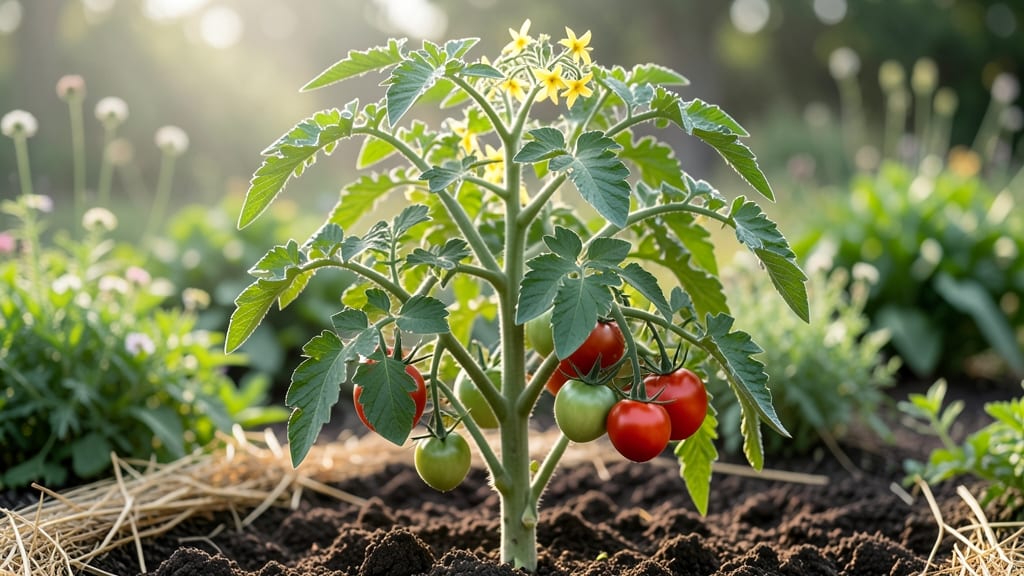
Growing Druzba tomato plants feels like getting a tiny, high-yielding powerhouse for your garden. 🌱 This compact bush variety packs all the flavor of its larger cousins into a space-saving package—perfect when square footage is limited.
I’ve grown them in pots, raised beds, and even along fences, and they’ve never disappointed with their prolific red, beefsteak-style fruits. The secret to their success lies in their care: full sun, well-draining soil, and consistent moisture without soggy roots.
They’re determinate, so no staking or pruning is needed—just set them in the right spot, and they’ll reward you with 6-8 weeks of continuous harvests. Even my black thumb can’t kill these.
What you’ll love most is how they thrive in containers as small as 5 gallons, making them ideal for balconies, patios, or small urban plots. The flavor? Rich, sweet, and meaty—far better than store-bought.
And because they’re disease-resistant, you’ll spend less time fighting pests and more time enjoying the harvest. Here’s the best part: they’re beginner-friendly but still impressive enough to make your gardening friends take notice. Let’s get those plants in the ground!
📚 In This Guide
- What you need
- Instructions
- Tips and common mistakes
- Wrapping up and next steps
What you need
- ● Druzba tomato seeds or seedlings: 1–3 plants (depending on space). Look for organic, non-GMO seeds if preferred.
- ● Containers or garden bed: For containers: 5-gallon pots or larger (minimum 12" deep) with drainage holes.
- ● For in-ground: A sunny spot (6+ hours of light) with well-draining soil.
- ● High-quality potting mix: 1–2 bags (sterile, well-draining soil amended with compost or coconut coir).
- ● Fertilizer: Balanced organic fertilizer (e.g., 5-5-5 or 10-10-10) for planting.
- ● Tomato-specific fertilizer (high in potassium/phosphorus) for flowering/fruiting.
- ● Support system: 1–2 small cages (3–4 ft tall) or stakes per plant (Druzba stays compact but benefits from light support).
- ● Watering can or hose with gentle nozzle: For deep, even watering (avoid overhead spraying).
- ● Pruning shears: Small, sharp pair for trimming suckers and dead leaves.
- ● Mulch (straw or shredded leaves) to retain moisture and suppress weeds.
- ● Companion plants: Basil, marigolds, or onions (plant near Druzba to deter pests naturally).
- ● Grow lights (if indoors) for seedlings or low-light spaces.
- ● pH test kit: Ensure soil pH is 6.0–6.8 (ideal for tomatoes).
- ● Drip irrigation system: For automated, efficient watering.
Step-by-step guide to growing Druzba tomato plants in small spaces
This compact, high-yielding variety thrives in containers or tight garden corners—here's how to maximize its potential.
🌱 Step 1: Select and Prepare Your Growing Space
Druzba tomatoes love warmth and sun, so choose a location that gets 6-8 hours of direct sunlight daily. If growing in containers, ensure each pot is at least 12 inches deep and wide—these plants need room for their strong root systems. I like to use fabric grow bags because they allow excess moisture to evaporate while still providing sturdy support.
For in-ground planting, amend the soil with 2-3 inches of compost mixed into the top 6 inches of soil. Druzba varieties respond well to slightly acidic soil (pH 6.0-6.8), so test your soil if possible. If you're reusing containers, sterilize them with a 10% bleach solution to prevent disease carryover from previous seasons.
☀️ Step 2: Plant with Proper Spacing and Support
Plant Druzba seeds indoors 6-8 weeks before your last frost date or purchase sturdy transplants from a reputable nursery. When transplanting, bury the stem slightly deeper than it was in the container—this encourages stronger root development. Space plants 18-24 inches apart in the ground or 1 plant per 12-inch container.
Install a cage or stake at planting time—these compact plants still produce heavy fruit, and support prevents sprawl. I use 3-foot tomato cages because they provide enough room for the plant to grow upright without restricting airflow. Avoid overcrowding; too many plants competing for space leads to smaller yields and increased disease risk.
💧 Step 3: Water and Fertilize for Optimal Growth
Water deeply 1-2 times per week, ensuring the top 2-3 inches of soil stay consistently moist but never soggy. Druzba tomatoes are drought-tolerant once established, but consistent moisture during flowering and fruiting prevents blossom-end rot. Water at the base of the plant in the morning to allow foliage to dry quickly—this reduces fungal diseases like early blight.
Feed plants with a balanced fertilizer (10-10-10) at planting, then switch to a low-nitrogen, high-phosphorus formula (5-10-10) when flowers appear. I like to use a slow-release granular fertilizer mixed into the soil at planting, followed by liquid feeds every 2-3 weeks. Avoid high-nitrogen fertilizers—they promote leafy growth at the expense of fruit production.
✂️ Step 4: Prune and Maintain for Maximum Yield
Prune suckers (the small shoots that form in the leaf axils) regularly to encourage stronger stem development and better air circulation. Druzba varieties benefit from minimal pruning—remove only the largest suckers to maintain an open, bushy shape. Pinch off the first flower cluster if you want larger fruit later in the season; this redirects the plant's energy toward stronger growth.
Monitor for common pests like aphids or hornworms, and address them immediately. I spray plants with neem oil at the first sign of trouble—it's organic, effective, and won't harm beneficial insects. Harvest fruit when it reaches full color and is slightly soft to the touch. Regular harvesting encourages more production and prevents disease spread from overripe tomatoes.
⏰ Step 5: Extend the Season with Simple Care
As temperatures drop below 50°F at night, protect plants with row covers or move containers to a sheltered location. Druzba tomatoes continue producing until frost, so don't rush to harvest—ripe fruit stores well at room temperature for 1-2 weeks. If you're in a short-season climate, start a second round of seeds indoors 8 weeks before your first frost for a fall harvest.
After the first frost, pull up plants and compost the healthy parts. Save seeds from your best tomatoes for next year by fermenting and drying them—Druzba's compact growth habit and disease resistance make it a great candidate for heirloom propagation. With proper care, you'll enjoy a bountiful harvest from just a few square feet of space.
Tips & tricks for thriving Druzba tomato plants
These pro tips will help you maximize your compact tomato harvest—even in tight spaces.
Sunlight Strategy: While 6-8 hours of sunlight is ideal, Druzba plants can tolerate partial shade if you're in a hot climate. Position them to receive morning sun (cooler) and afternoon shade (hotter hours). I've seen great results with 5-6 hours of direct sun when paired with reflective surfaces like white mulch or light-colored containers that bounce extra light onto the plants.
Container Selection: Fabric grow bags are my go-to for containers, but if you're using traditional pots, ensure they have drainage holes—Druzba's strong roots need airflow. I also recommend using pots with a diameter at least 12 inches wide to prevent root binding, which stunts growth. If you're reusing containers, the 10% bleach solution is key for sterilization, but let them dry completely before planting to avoid fungal issues.
Fertilizer Timing: The switch from balanced (10-10-10) to low-nitrogen (5-10-10) fertilizer at flowering is crucial. I've found that applying the 5-10-10 formula right when the first flowers appear gives the best results. Too much nitrogen at this stage will send the plant into leafy overdrive instead of focusing energy on fruit production. For container growers, I recommend using half the recommended dose of liquid fertilizer to prevent salt buildup in the soil.
Season Extension: When nighttime temperatures drop below 50°F, I've had success using lightweight row covers during the day to maintain warmth while still allowing sunlight through. For containers, move them closer to south-facing walls or under cold frames. The key is to protect the plants without creating a humid environment that invites disease—always remove covers during the day to allow airflow.
Pro Tips for Druzba Tomato Plants
- These pro tips will help you maximize your compact tomato harvest—even in tight spaces.
- Sunlight Strategy: While 6-8 hours of sunlight is ideal, Druzba plants can tolerate partial shade if you're in a hot climate.
- Container Selection: Fabric grow bags are my go-to for containers, but if you're using traditional pots, ensure they have drainage holes—Druzba's strong roots need airflow.
Frequently asked questions
Got questions about growing Druzba tomato plants? You're not alone!
Here are some of the most common inquiries—plus quick, practical answers to help you cultivate this compact, flavor-packed variety like a pro.
How much space do I really need for Druzba tomato plants?
Druzba is a determinate variety, meaning it stays compact—typically 2–3 feet tall and 1–2 feet wide. This makes it perfect for containers, small balconies, or even windowsills! Just ensure each plant has at least 18 inches of space between neighbors for airflow. Pro tip: Use a 5-gallon bucket or larger for container growing to avoid root-binding.
When should I plant Druzba tomatoes?
Start seeds 6–8 weeks before your last frost date indoors (they germinate best at 70–80°F). Transplant seedlings outdoors after soil temps hit 55°F+ and all frost risk has passed. For extended harvests, stagger plantings every 2–3 weeks in warm climates. Warning: Druzba hates cold—even light frosts can stunt growth.
How do I prune Druzba tomatoes for better yield?
Unlike indeterminate varieties, Druzba doesn’t need heavy pruning. Focus on:
- Removing suckers (shoots in leaf axils) to direct energy to fruit.
- Pruning lower leaves to improve airflow and reduce disease risk.
- Avoid over-pruning—this variety thrives on balanced bushiness.
What pests or diseases should I watch for with Druzba?
Common issues include:
- Blight (early/fungal): Prevent with mulch and crop rotation. Remove infected leaves immediately.
- Hornworms: Handpick them (they’re huge and obvious!) or use BT spray.
- Aphids: Blast off with water or introduce ladybugs.
Can I grow Druzba alongside other vegetables?
Druzba pairs well with:
- Companion plants: Basil, onions, garlic, or lettuce (they repel pests and improve flavor).
- Avoid planting near: Potatoes or fennel (they compete for nutrients or stunt growth).
Wrapping up and next steps
Growing Druzba tomato plants is a fantastic way to bring flavor and productivity to your small-space garden! 🌱 Their compact, bushy nature makes them perfect for containers, balconies, or even tight garden corners—proving that big harvests don’t require big yards.
With the right care, these versatile plants reward you with juicy, homegrown tomatoes that are sure to impress.
Ready to dive in? Start by selecting your spot, gathering your supplies, and planting with confidence. Whether you’re a seasoned gardener or a curious beginner, Druzba tomatoes are your ticket to a bountiful, space-efficient harvest. Happy gardening! 🌿