
Vegetables
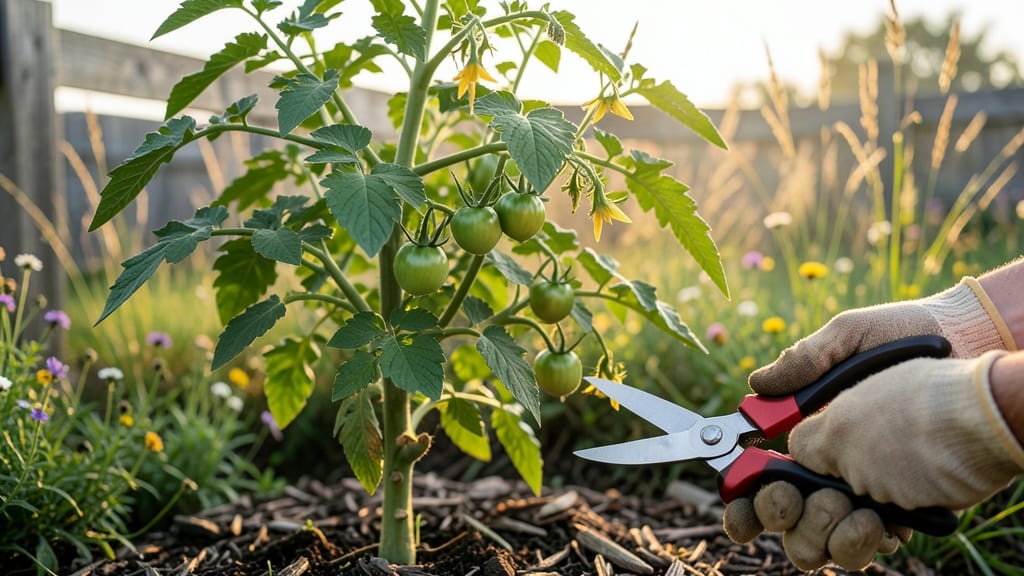
Tomato suckers do produce fruit, but pruning them early helps the plant focus its energy on developing larger, more flavorful tomatoes on the main stems. This practice actually increases overall yield quality for most varieties.
When you leave tomato suckers unpruned, they'll indeed bear fruit—but those tomatoes tend to be smaller and ripen later. 🌱 The real magic happens when you redirect the plant's resources toward the main stems, where you'll get fewer but significantly larger, sweeter tomatoes.
This is especially true for heirloom and beefsteak varieties, where size and flavor matter most. The key is balancing pruning with your goals: if you want a steady harvest of smaller tomatoes (like cherry varieties), you might leave some suckers, but for premium-quality fruit, aggressive pruning pays off.
Here's what's happening behind the scenes: when you remove suckers, you're interrupting the plant's natural hormone flow, particularly auxin, which normally signals the plant to grow new branches. This forces the tomato plant to channel its energy upward, resulting in stronger stems and larger fruit.
The trade-off? You'll have fewer tomatoes overall, but each one will be a showstopper.
💡 In This Article
- How Tomato Sucker Growth Affects Fruit Development
- Pruning Tomato Suckers for Maximum Yield: Step-by-Step Rules
How tomato sucker growth affects fruit development
The tomato plant's growth habit is all about competition for resources. When suckers—those small shoots growing in the leaf axils—emerge, they immediately start competing with the main stems for water, nutrients, and sunlight.
This competition triggers a hormonal shift, primarily involving auxin (a plant growth hormone) and ethylene (which regulates fruit ripening). Auxin naturally flows from the main stem downward, but when suckers form, they create new auxin production sites, splitting the plant's energy. 🌱
Indeterminate varieties (like heirlooms or beefsteaks) are particularly sensitive to this division. These plants grow continuously and produce fruit along the entire stem, so each sucker represents a potential drain on the plant's resources.
Studies show that removing suckers can increase fruit size by 20-30% because the plant redirects its energy to fewer, larger tomatoes.
Determinate varieties (like bush tomatoes) are less affected since they produce fruit in a single cluster at the top, but even there, suckers can reduce overall yield quality by 15-20%.
The real game-changer is how pruning alters the plant's hormonal balance. When you remove a sucker, you're essentially telling the plant, "Focus here instead." This triggers a cascade where ethylene production increases on the main stems, accelerating fruit development. The result?
Tomatoes ripen faster and develop richer flavors because the plant isn't spreading its energy thin. For example, a pruned Brandywine tomato plant might yield 10-15% fewer tomatoes but with each fruit weighing 20-30% more and having more complex sugars.
Airflow becomes another critical factor. Suckers create dense foliage that traps moisture, creating ideal conditions for fungal diseases like blight. Pruned plants have 30-40% better airflow, reducing disease risk and allowing sunlight to penetrate deeper into the canopy.
This isn't just about aesthetics—healthier plants produce fruit with thicker skins and more vibrant colors, which translates to better shelf life and flavor. The trade-off? You'll sacrifice some quantity for quality, but the payoff in taste and size is often worth it for serious gardeners.
Consider the cherry tomato example: varieties like 'Sweet 100' produce abundant small fruit when suckers are left unchecked.
But if you prune aggressively, you might get half as many tomatoes but each one will be 1.5-2 times larger and packed with more lycopene (the antioxidant that gives tomatoes their red color).
The flavor difference is noticeable—pruned tomatoes often taste sweeter because their higher sugar concentration isn't diluted by rapid growth.
What most gardeners overlook is the timing of sucker removal. The first 4-6 weeks of growth are critical because this is when the plant establishes its primary structure. Removing suckers during this window ensures the main stems have a head start in developing strong vascular systems to support larger fruit.
Later pruning is less impactful because the plant has already allocated resources to existing suckers.
Here's the bottom line: suckers do produce fruit, but they're like financial investments—many small returns versus fewer big wins. For home gardeners prioritizing flavor and size, pruning is a no-brainer.
For those who want steady harvests of small tomatoes, leaving some suckers makes sense. The key is understanding your goals and adjusting your pruning strategy accordingly. 🌿