
Plants
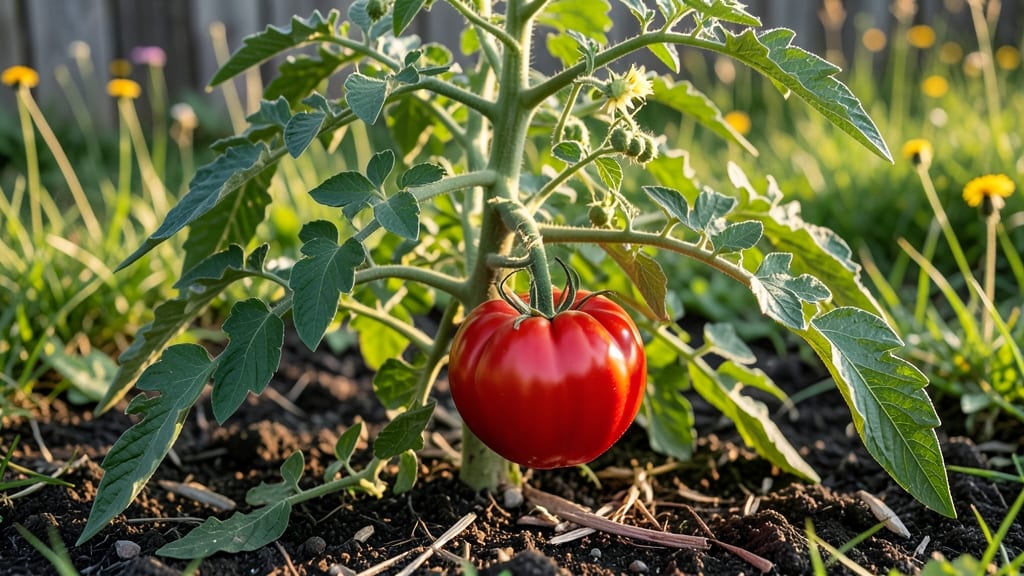
A full-grown beefsteak tomato plant 🍅 is the centerpiece of your summer garden, but only if you know how to coax its massive, meaty fruits from the vine.
Picture this: you’ve waited months for those deep red, beefy tomatoes—only to find your plant struggling with weak stems, stunted growth, or worse, bitter-tasting fruit. The problem isn’t the plant itself; it’s the three overlooked steps most gardeners miss: pruning, feeding, and flushing.
Without the right pruning, your beefsteak tomato can become a tangled mess, its energy wasted on leaves instead of fruit. Skip the fertilizer adjustments, and you’ll end up with smaller, less flavorful tomatoes.
And if you don’t flush the soil at the right time, you’re leaving sweetness and size on the table.
In this guide, I’ll walk you through the exact pruning techniques, feeding schedules, and flushing methods that turn a good harvest into a showstopping one. Whether you’re dealing with a 6-foot monster or a compact variety, these tips will help you maximize every tomato’s potential.

How to prune a beefsteak tomato plant for maximum fruit size
Pruning your full-grown beefsteak tomato plant isn't just about keeping it tidy—it's the secret to growing larger, sweeter fruits while preventing disease. Beefsteaks are indeterminate varieties, meaning they grow continuously and need careful pruning to direct energy toward fruit production.
Skip this step, and you’ll end up with smaller tomatoes and a tangled mess of vines. The key is understanding when to prune, which suckers to remove, and how to support those heavy vines without breaking them.
Before you grab your pruners, know that determinate varieties (like Roma tomatoes) don’t need pruning, but beefsteaks thrive with it. The goal is to remove non-fruiting growth while preserving the plant’s structure. Start by identifying the main stem and the first flower cluster, which should be left untouched.
Everything else is fair game for pruning—if it’s not producing fruit or supporting the plant’s framework, it’s likely a sucker that needs to go.
Timing is everything. Prune your beefsteak tomato in the morning on a dry day to allow wounds to heal quickly. Avoid pruning after rain or in the evening, as wet conditions can introduce fungal infections like early blight.
Use clean, sharp pruners to make clean cuts just above a leaf node or branch. Never tear or crush stems, as this invites pests and disease.
If you’re unsure whether a growth is a sucker or a new branch, wait a few days—suckers grow upward between the main stem and a branch, while new branches grow outward from the main stem.
Identify Suckers
Suckers are the small shoots that grow in the leaf axils (the angle between the main stem and a branch). They compete with fruit for nutrients. Use your thumb and forefinger to gently pinch them off if they’re small, or cut them with pruners if they’re larger than 1/4 inch.
Prune for Airflow
Remove any yellow or diseased leaves from the bottom of the plant. These leaves block airflow and trap moisture, creating a breeding ground for blight and mold. Aim to leave only the healthiest, greenest leaves on the plant. This also helps the plant focus energy on fruit development rather than maintaining unnecessary foliage.
Support Heavy Vines
Beefsteak tomatoes can grow 4-6 feet tall and produce 1-pound fruits. Without support, the vines will snap under the weight. Use a sturdy tomato cage or trellis and tie the main stem to it every 12-18 inches with soft plant ties. Avoid wire or anything that can cut into the stem. As the plant grows, gently weave the branches through the cage to distribute weight evenly.
Balance Fruit Load
If your plant is producing more fruit than it can handle, remove some of the smaller green tomatoes to give the remaining fruit room to grow. Aim for 3-5 main stems with 1-2 fruit clusters per stem. Overloading the plant with too many tomatoes will result in smaller, underdeveloped fruit and stressed vines. Think of it like a grocery store—you wouldn’t stock shelves with too many items, or they’d all be crushed.
One of the biggest mistakes gardeners make is over-pruning. If you remove too many suckers or leaves, your plant will struggle to produce enough energy for fruit development. A good rule of thumb is to leave at least 50% of the foliage intact.
Another common error is pruning too late in the season. Once your plant starts flowering heavily, focus on removing only the weakest suckers and diseased leaves. Late-season pruning can stunt fruit growth and reduce your harvest.
Don’t forget to sterilize your pruners between cuts using rubbing alcohol or a bleach solution (1 part bleach to 9 parts water). This
Best fertilizer schedule to boost beefsteak tomato growth and flavor
A full grown beefsteak tomato plant thrives on precise nutrient timing—too little stunts fruit development, while too much causes bitter flavors. The key is feeding balanced nutrients at each growth stage. Start with transplant feeding to establish roots, then shift to bloom-boosting fertilizers as flowers appear.
Finally, reduce nitrogen during fruiting to sweeten tomatoes. Organic options like compost tea or synthetic blends like 5-10-10 work, but timing matters most.
Your beefsteak’s nutrient needs change dramatically from seedling to harvest. Early growth demands more nitrogen for leafy vigor, but flowering and fruiting stages prioritize phosphorus and potassium. Over-fertilizing with nitrogen late in the season leads to leafy monsters with tiny, bland tomatoes.
Below, I’ll break down the exact fertilizer schedule for each stage, plus how to spot and fix over/under-feeding.
Watch for yellowing leaves or slow growth—signs of under-fertilization. If new leaves curl or brown at edges, you’ve overdone nitrogen. For larger beefsteak tomatoes, reduce nitrogen by half during fruiting and increase potassium.
My secret? Switch to a low-nitrogen tomato fertilizer (like 2-8-4) when flowers appear. This shift prevents leafy growth while fueling fruit expansion.
Organic gardeners swear by compost tea during flowering, while synthetic users prefer slow-release granules for convenience. I’ve had success with both—just adjust timing. For example, if using fish emulsion, dilute it to half-strength during fruiting to avoid burning roots. Always water deeply after fertilizing to distribute nutrients evenly.
Pro tip: Side-dress with compost mid-season to replenish soil nutrients without overloading the plant. This mimics natural ecosystems where nutrients release gradually. Pair this with mulching to retain moisture and prevent nutrient runoff. Your beefsteak tomatoes will reward you with heirloom-sized fruit bursting with flavor—no bitter aftertaste in sight!
🌱