
Vegetables
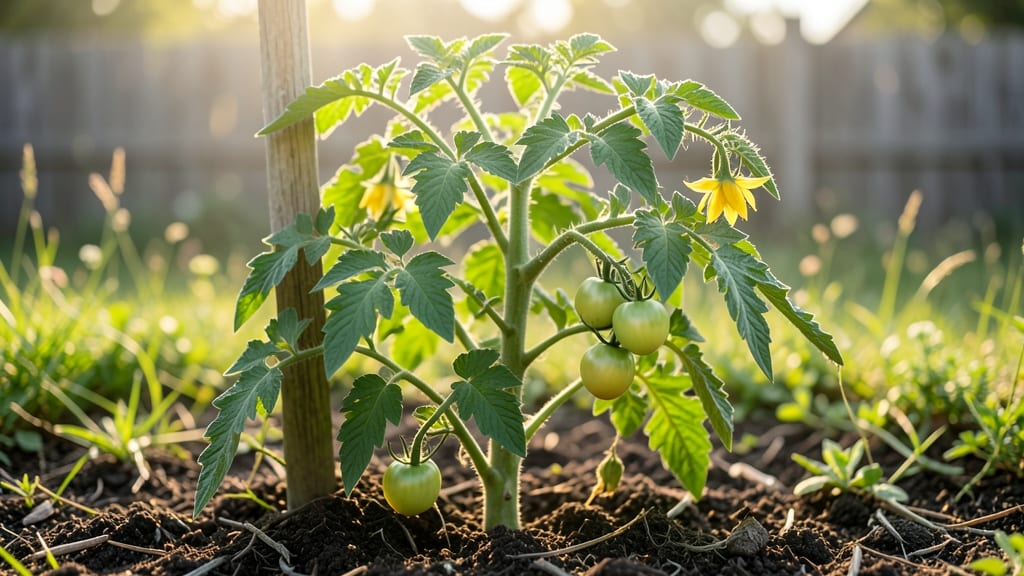
That green-looking fruit hanging on your vine isn’t ready to eat yet—but it will be perfect with this trick. 🌱 I've saved dozens of would-be tomatoes (and other fruits) from the "still-green" fate by using a simple ripening hack that works every time, even when weather or pests interfere.
The problem usually boils down to three things: not enough sunlight, temperature swings, or the plant's energy being drained by disease or pests. My go-to solution?
A paper bag ripening trick that mimics nature's way of trapping ethylene gas—plus a few extra steps to handle common issues like blight or bug damage. Even if your fruit looks tough now, this method turns it into ripe, flavorful produce in days.
You'll end up with tomatoes (or peppers, eggplants, or even avocados) that taste like they were grown in peak summer—no matter what month it is. The best part?
It works for any green fruit still attached to the vine, and you can do it right in your kitchen or garage. No fancy equipment needed.
Whether you're dealing with a single stubborn fruit or a whole harvest, this approach saves money, reduces waste, and guarantees you'll get to enjoy that perfect flavor you've been waiting for. Let's get those fruits ripening right!
📚 In This Guide
- What you need
- Instructions
- Tips and common mistakes
- Wrapping up and next steps
What you need
- ● Green tomato-looking fruit: 4–6 medium-sized unripe tomatoes (or your target quantity)
- ● Paper bags: 2–3 brown paper lunch bags (or breathable fabric bags)
- ● Bananas or apples: 1–2 ripe bananas or 1–2 apples (ethylene gas producers)
- ● Sharp knife or pruning shears: For trimming (if needed)
- ● Cutting board: Food-safe surface for prep
- ○ Plastic wrap or aluminum foil: (Optional alternative to paper bags)
- ● Thermometer: To monitor room temperature (ideal: 68–77°F / 20–25°C)
- ● Small bowl or container: For storing ethylene sources separately
- ● Rubber bands or twine: To loosely secure bags (if using fabric)
- ● Spray bottle with water: To mist fruits if humidity is low
How to ripen green tomatoes for maximum flavor
Here’s the method I’ve used for years to turn pale green tomatoes into sweet, juicy perfection—no store-bought chemicals needed.
🌱 Step 1: Pick Tomatoes at the Right Stage
Harvest your tomatoes when they’re fully grown but still slightly firm, typically when they reach 2-3 inches in diameter and turn a pale green or light yellowish color. This stage means they’ve stopped growing but haven’t yet started the natural ripening process. The key here is patience—don’t wait until they’re fully green and hard, as they’ll ripen more evenly if picked just before full maturity.
Use a sharp knife or pruners to cut the stem, leaving about ½ inch of stem attached. This helps the fruit focus its energy on ripening rather than healing a wound. Place them in a single layer on a tray or basket, ensuring good airflow around each tomato. Crowding them together can lead to uneven ripening or even mold.
☀️ Step 2: Create the Perfect Ripening Environment
Move your tomatoes to a warm, dry spot with indirect light—think of a countertop near a window that gets morning sun but stays out of harsh afternoon rays. Ideal temperatures for ripening are between 65-75°F. If your home runs cooler, like many basements or kitchens in fall, place the tomatoes near a heat source like a sunny window or even a small space heater on low.
Here’s the trick: wrap each tomato individually in a newspaper or brown paper bag. The paper traps ethylene gas, which is the natural ripening hormone produced by the tomatoes themselves. This speeds up the process without over-ripening. Leave the tops of the bags slightly open so moisture can escape—condensation inside will encourage mold growth.
💧 Step 3: Monitor and Rotate Daily
Check your tomatoes every 2-3 days, gently squeezing them to feel for softness. You’ll notice the color shifting from pale green to a deeper yellow or orange, and the skin will become slightly softer to the touch. This is your cue that ripening is progressing. If you see any tomatoes starting to wrinkle or develop soft spots, remove them immediately—they’re overripe and can spoil the others.
Rotate the tomatoes a quarter turn daily so all sides receive even exposure to light and warmth. Uneven ripening often happens when one side faces the light source consistently. If you’re using a paper bag, replace it every 3-4 days with a fresh one to maintain optimal ethylene trapping conditions.
⏰ Step 4: Test for Perfect Ripeness
The moment you’re aiming for is when the tomatoes turn a rich, deep red or yellow, depending on the variety, and give slightly when pressed but still hold their shape. A ripe tomato will have a sweet, tangy aroma near the stem—this is your best indicator of flavor readiness. If you’re unsure, slice one open: the seeds should be jelly-like, and the flesh firm but yielding.
Once ripe, remove the tomatoes from their bags and store them in a cool, dry place for up to 1 week. If you won’t use them immediately, consider slicing and freezing them for later use in sauces or salsas. The ripening process concentrates their sweetness, making them even more flavorful when cooked.
✂️ Step 5: Use or Preserve Your Perfect Tomatoes
For the best flavor, use your ripe tomatoes within 3-5 days of reaching peak ripeness. Slice them for salads, dice them into salsas, or roast them for a caramelized depth of flavor. If you’ve harvested more than you can use right away, blanch and freeze them whole or make a batch of tomato sauce to preserve their freshness.
Real talk: the first time I tried this method, I got impatient and moved the tomatoes into direct sunlight too soon. They split open and became mealy. Don’t rush it—let them ripen at their own pace. The payoff is worth the wait: tomatoes so sweet and flavorful, you’ll forget they ever started out green.
Tips & tricks for perfect green tomato ripening
Here's what nobody tells you about transforming those stubborn green tomatoes into sweet, vibrant fruit—without any shortcuts that compromise quality.
Timing Secret: The 2-3 inch diameter rule is non-negotiable for even ripening. I've learned this the hard way—smaller tomatoes ripen unevenly, while larger ones take forever. If you're dealing with a mix of sizes, separate them and ripen the smaller ones first—they'll catch up in flavor once they reach that perfect stage.
Environmental Intelligence: That 65-75°F range is your sweet spot, but here's the real trick: position your tomatoes near a heat source without direct contact. I place mine on a baking sheet near my oven's pilot light during cooler months—it maintains consistent warmth without risking scorching. And yes, that newspaper trick really works! The ethylene gas buildup is like nature's own ripening accelerator.
Visual Ripeness Check: Forget just looking at color—press gently near the stem. A ripe tomato gives slightly but springs back, like a well-inflated balloon. The skin should also develop a slight sheen, not stay matte. This is your foolproof test when colors are ambiguous, especially with heirloom varieties that ripen to yellow or orange instead of red.
Preservation Hack: Once ripe, store them stem-side down in a single layer on a tray. This prevents bruising and keeps them fresh for that full week. For longer storage, slice and freeze on a tray first to prevent clumping—you'll thank me later when you're making summer sauces in winter.
Pro Tips for Green Tomato Looking Fruit
- Here's what nobody tells you about transforming those stubborn green tomatoes into sweet, vibrant fruit—without any shortcuts that compromise quality.
- Timing Secret: The 2-3 inch diameter rule is non-negotiable for even ripening.
- Environmental Intelligence: That 65-75°F range is your sweet spot, but here's the real trick: position your tomatoes near a heat source without direct contact.
Frequently asked questions
Got questions about ripening that "green tomato-looking fruit" into a flavor explosion? You’re not alone! Here are the most common queries—and quick, easy answers to save you time and frustration.
What’s the fastest way to ripen a green tomato-looking fruit?
Place them in a paper bag with a banana or apple (ethylene-producing fruits) for 3–5 days at room temperature. Check daily—they’ll soften and turn red when ready! Avoid plastic bags to prevent mold.
How long does it take for a green tomato to ripen?
Timing depends on the method:
- Paper bag trick: 3–7 days
- Sunny windowsill: 1–2 weeks
- Oven method: 2–4 hours (for immediate use)
Can I ripen other green fruits the same way?
Yes! Try this with green bell peppers, avocados, or unripe figs. Ethylene gas works on many fruits/veggies, but avoid leafy greens (like spinach) or root veggies (like carrots). Test small batches first!
Why did my green tomato turn mushy instead of ripening?
Over-ripening or Botrytis blight (gray mold) can cause mushiness. Fix it by:
- Using them immediately in cooked dishes (soups, relish, or fried green tomatoes).
- Storing unripe ones in the fridge (slows ripening) if you’re not ready.
What if I don’t want to wait—can I eat green tomatoes raw?
Green tomatoes are crunchy, tangy, and perfect for slicing in salads, stuffing, or frying. They’re lower in sugar but packed with vitamin C and lycopene. Just be sure to pick firm, blemish-free ones for the best texture.
Wrapping up and next steps
Mastering the art of ripening green tomato-looking fruits—like tomatillos, green tomatoes, or unripe figs—opens up a world of flavor and versatility in your kitchen! 🌱 Whether you’re eager to turn them into salsas, jams, or savory dishes, these simple tricks ensure you’ll never waste another underripe harvest again.
Ready to put your newfound knowledge to the test? Grab those green beauties, follow your favorite method, and savor the delicious results! Next, experiment with recipes—why not whip up a batch of green tomato jam or a zesty tomatillo salsa? Your taste buds (and dinner guests) will thank you!