
Transplanting
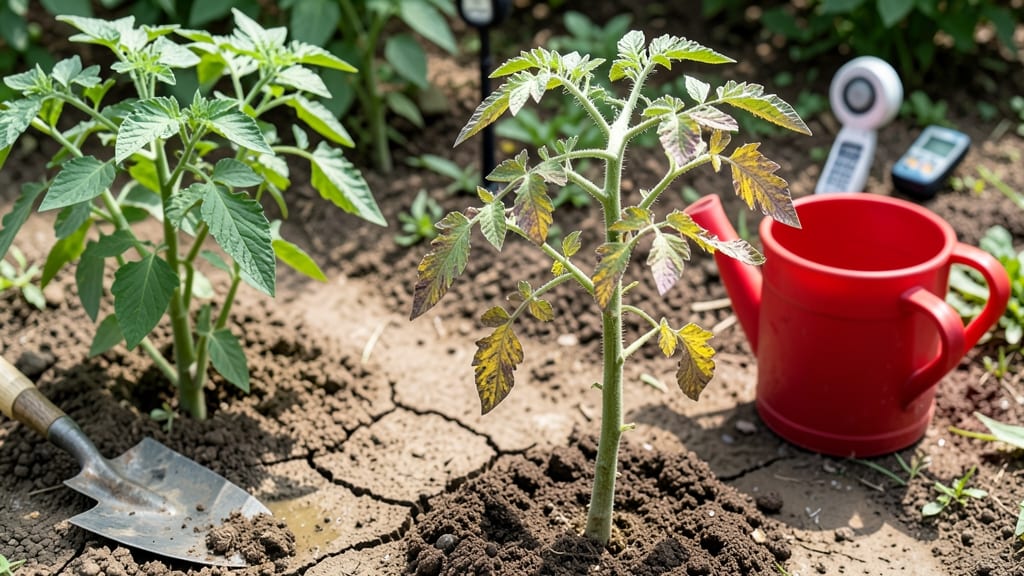
Your tomato plant stopped growing after transplant because root shock is sabotaging its recovery. 🌱 The good news? This is fixable with three simple steps that work even for beginners—no green thumb required.
I’ve nursed back more stunted tomato plants than I can count, and these methods always bring them back to life.
Root shock happens when plants experience stress from uprooting, drying out, or sudden environmental changes. Your tomato might be struggling from compacted roots, underwatering, or even too much love in the form of over-fertilizing right after transplanting.
The key is to slow down and let the plant adjust without extra pressure.
Within 7-10 days, you’ll see new growth if you follow the rescue steps: water deeply but gently, shield from harsh sun, and hold off on heavy feeding.
The goal is to help those roots spread out again without overwhelming the plant. Think of it as giving your tomato a spa day—cool, calm, and nourishing.
This works for seedlings, store-bought transplants, or even those stubborn heirlooms you’ve been waiting months to grow. The same principles apply whether you’re dealing with a single plant or a whole garden bed. Let’s get those tomatoes growing again!
Root Shock & Stress Triggers
Transplanting is a delicate process for tomato plants—even with the best care, they can experience a sudden halt in growth after being moved. The most common culprits behind this setback are physical stress, environmental mismatches, and biological disruptions during or after transplanting.
Let’s break down the science behind why your tomato plant might have hit the brakes.
When you transplant a tomato plant, its roots are uprooted, trimmed, or handled—even if gently. This trauma triggers a defense mechanism called root shock, where the plant temporarily stops growing to prioritize healing.
- Mechanical injury: Rough handling, compacted soil, or over-trimming roots (especially lateral roots) reduces the plant’s ability to absorb water and nutrients.
A healthy root system can regenerate in 3–7 days, but severe damage may delay growth for weeks. - Root desiccation: If roots dry out during transplanting (e.g., waiting too long between digging and replanting), they lose turgor pressure, slowing metabolic processes.
Even a 10–15 minute delay in replanting can stress roots. - Soil compaction: Packing soil too tightly around roots restricts oxygen flow, suffocating roots and stunting growth. Aeration is critical—roots need 15–20% air space in soil to thrive.
Actionable fix: Use a root stimulator (like mycorrhizal fungi or seaweed extract) post-transplant to speed up recovery. Water deeply but gently to avoid displacing roots further.
Tomato plants are sensitive to sudden changes in their surroundings. If the new location differs drastically from the nursery or seedling tray, the plant may go into dormancy-like stress mode.
- Temperature fluctuations: Tomatoes thrive in 60–85°F (15–29°C). If transplanted into cold soil (<50°F/10°C) or hot, dry conditions, root activity slows.
Cold soil also reduces microbial activity, limiting nutrient uptake. - Light intensity shift: Moving from a shaded nursery to full sun (or vice versa) can cause chlorosis (yellowing leaves) and stunted growth.
Tomatoes need 6–8 hours of direct sunlight daily post-transplant. - Wind exposure: High winds dry out leaves faster than roots can replace moisture, leading to transpirational stress. Young plants are especially vulnerable.
Actionable fix: Acclimate plants to outdoor conditions gradually (hardening off) and choose a transplant window with stable temperatures. Use shade cloth for the first week if moving to a sunnier spot.
A sudden lack of essential nutrients—especially nitrogen (N), phosphorus (P), or micronutrients—can halt growth as the plant redirects energy to survival.
- Nitrogen shock: Tomatoes are heavy nitrogen feeders. If the new soil lacks N (common in sandy or depleted soils), the plant stops producing new leaves and stems.
Symptoms include pale yellow lower leaves and stunted shoots. - Phosphorus deficiency: Critical for root and cell growth, a P deficiency (purple stems/leaves) means the plant can’t repair root damage or grow new tissue. - Micronutrient gaps: Zinc, iron, or magnesium deficiencies (often in alkaline soils) cause interveinal chlorosis and weak stems.
Even if soil tests are "fertile," micronutrients may be locked out.
Actionable fix: Apply a balanced fertilizer (10-10-10 or 5-10-10) 3–5 days after transplanting to replenish reserves. For micronutrient issues, use chelated iron or Epsom salt (magnesium sulfate).
Transplanting exposes plants to pathogens and pests they weren’t facing before. Common culprits include: - Fungal infections: Fusarium wilt or early blight thrive in stressed plants.
Dark spots on leaves or wilting stems signal trouble. - Root rot: Overwatering or poorly draining soil post-transplant creates anaerobic conditions, inviting Phytophthora or Pythium fungi. - Sap-sucking pests: Aphids, spider mites, or whiteflies drain sap, weakening the plant’s ability to grow.
Actionable fix: Treat with neem oil (preventative) or copper fungicide (for fungal issues). Ensure 1–2 inches of mulch to retain moisture without suffocating roots.
Transplanting can disrupt auxin and cytokinin hormones, which regulate growth. Auxin (produced in root tips) promotes cell elongation, while cytokinins (from leaves) stimulate shoot growth. If roots are damaged, auxin levels drop, and the plant pauses vertical growth to focus on root regeneration.
Actionable fix: Use rooting hormones (like IBA) on cut roots during transplanting to boost auxin production. Avoid over-pruning—leave at least 6–8 inches of root mass intact.
Transplanting at the wrong time—too early or too late—can stall growth.
- Too early: Cold soil (<50°F/10°C) slows root activity. Tomatoes need consistent warmth to grow.
- Too late: Heat stress or drought conditions post-transplant force the plant into survival mode.
- Wrong season: Transplanting during flowering or fruiting (instead of vegetative growth) diverts energy away from root establishment.
Actionable fix: Time transplants when soil temps are 60°F+ (15°C+) and night temps stay above 55°F (13°C). Avoid transplanting during heatwaves or droughts.
Most growth halts after transplanting stem from one or more of these factors: root trauma, environmental stress, nutrient gaps, or biological threats. The good news? Tomatoes are resilient—with the right care, they’ll bounce back in 1–2 weeks. Focus on hydration, stability, and gradual acclimation to minimize setbacks.
Quick Fixes for Stalled Tomato Growth
When your tomato plant hits the brakes after transplanting, don’t panic—most cases are fixable with a little TLC and problem-specific solutions. Below, we’ve mapped the most common causes to practical fixes, including prevention tips to keep your plants thriving long-term. Let’s get those tomatoes back on track!
Cause: Transplant stress from disturbed roots or improper handling. Fix:
- Water deeply (💧) within 24 hours of transplanting to rehydrate roots. Use a slow drip or soaker hose to avoid shocking the soil further.
- Apply a root stimulator (like seaweed extract or a commercial product) to encourage regrowth. Mix it into the watering can for easy application.
- Mulch heavily (2–3 inches) with straw or shredded leaves to retain moisture and protect roots from temperature swings.
Prevention Tip: 💡 Handle seedlings gently by the leaves (not the stem) and keep them in their pots until roots fill the container—this minimizes root damage during transplant.
Cause: Sudden light changes can stall growth as plants adjust. Fix:
- Gradual acclimation (🌅): If moving from shade to sun, harden off seedlings over 5–7 days by exposing them to increasing sunlight daily.
- Provide shade cloth (30–50%) if direct sun is overwhelming, especially in hot climates. Remove it after 1–2 weeks as the plant adapts.
- Rotate pots (if container-grown) every few days to ensure even light exposure.
Prevention Tip: 🌡️ Check your garden’s sunlight patterns before transplanting—tomatoes need 6–8 hours of direct sun daily. Avoid transplanting during extreme heat (above 90°F).
Cause: Cold soil, frost, or heat waves can shock plants into dormancy. Fix:
- Cold soil? Wait until soil temps reach at least 60°F before transplanting (use a soil thermometer). Cover young plants with row covers if nights dip below 50°F.
- Heat stress? Water deeply in the morning to cool roots and provide afternoon shade. Avoid fertilizing until the plant recovers.
- Frost damage? Trim blackened leaves (🔪) and protect the plant with a cloche or blanket until new growth appears.
Prevention Tip: ✨ Plant tomatoes after the last frost date in your zone, and choose heat-tolerant varieties (like ‘Heatmaster’ or ‘Solar Fire’) if you live in a hot climate.
Cause: Waterlogged roots suffocate plants and halt growth. Fix:
- Check drainage (📊): If water pools in the pot or garden bed, amend soil with perlite or compost to improve aeration.
- Adjust watering (💧): Water only when the top 1–2 inches of soil are dry. Stick your finger in—if it’s soggy, wait.
- Repot if needed: If the original container lacks drainage holes, transplant to a larger pot with fresh, well-draining soil.
Prevention Tip: 🔥 Use raised beds or containers with drainage holes to prevent soggy roots. Avoid watering on a schedule—let soil moisture guide you.
Cause: Lack of nutrients (or too much fertilizer) can stunt growth. Fix:
- Test your soil (📊): A simple home kit can reveal pH or nutrient imbalances. Tomatoes thrive in slightly acidic soil (pH 6.0–6.8).
- Feed lightly: If deficient, use a balanced fertilizer (10-10-10) or compost tea. Avoid high-nitrogen fertilizers—they promote leafy growth at the expense of fruit.
- Side-dress with compost (🥗): Sprinkle a handful of compost around the base (not touching the stem) and water it in for a slow-release nutrient boost.
Prevention Tip: 💪 Fertilize before transplanting (2–3 weeks prior) with a slow-release granular fertilizer. Avoid heavy feeding immediately after transplanting—it stresses roots.
Cause: Hidden pests (like aphids or fungal infections) can drain energy. Fix:
- Inspect leaves (🔍): Look for holes, yellowing, or sticky residue (signs of pests). Spray with neem oil or insecticidal soap if needed.
- Remove infected foliage (🌿): Prune away diseased leaves and dispose of them in the trash (not compost).
- Improve airflow (🌬️): Space plants 18–24 inches apart to reduce humidity and fungal risk.
Prevention Tip: 🎯 Rotate crops yearly to prevent soil-borne diseases. Use row covers early in the season to block pests like flea beetles.
Final Pro Tip: 🌟 Patience is key! Tomato plants may take 7–14 days to recover from transplant shock. Monitor progress and adjust care as needed—your efforts will pay off with juicy, homegrown tomatoes!
Frequently asked questions
How long should I wait before fertilizing my tomato plant after transplanting?
Wait at least 3-5 days before applying any fertilizer. The plant needs time to recover from transplant shock, and feeding too soon can burn the roots. Start with a balanced, water-soluble fertilizer (like 5-5-5) diluted to half-strength. Avoid high-nitrogen formulas—they encourage leafy growth at the expense of root recovery.
My tomato plant's leaves are yellowing after transplanting—is this normal?
Not always normal! Yellowing leaves often signal root shock or nutrient deficiency. If only the lower leaves are yellow, it’s likely normal senescence (aging). But if new leaves are yellowing too, check for overwatering (root rot) or nitrogen deficiency. Flush the soil with water and hold off on fertilizer for 1 week to let the plant stabilize.
Can I transplant tomatoes in hot weather without killing them?
Transplanting in extreme heat (90°F+) is risky but possible with adjustments. Water deeply before and after transplanting, and provide afternoon shade for the first 3-5 days. Choose heat-tolerant varieties (like 'Heatmaster') and transplant in the early morning or late evening to avoid midday sun stress. Mulch heavily to retain moisture.
Should I prune my tomato plant if it's not growing after transplanting?
Wait 2-3 weeks before pruning—focus on recovery first! If the plant is struggling, remove only dead or diseased leaves. Avoid heavy pruning, as it stresses the plant further. Once new growth appears (typically 7-10 days), you can prune suckers (side shoots) to redirect energy to the main stem and fruit production.
What's the best way to tell if my tomato plant is recovering from transplant shock?
Look for these 3 key signs: new leaf growth at the top, firm stems (not wilting), and healthy green color returning to leaves. Within 7-14 days, you should see 1-2 inches of new growth. If no progress after 2 weeks, check for root rot (soggy soil) or pests (aphids, spider mites).