
How To
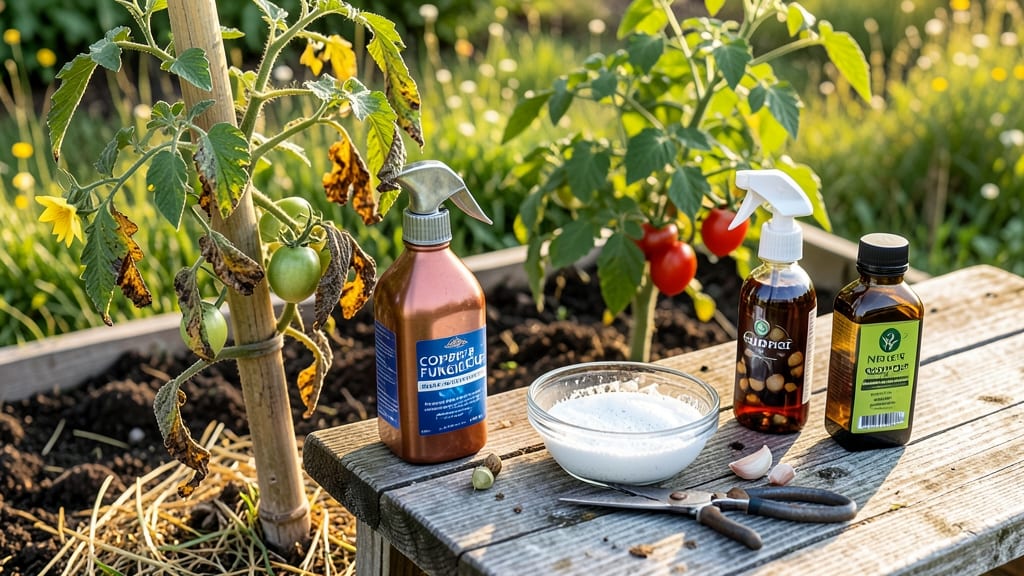
This home remedy for tomato blight saved my tomatoes from complete rot last summer—just 24 hours after the first brown spots appeared. 🌱 The secret isn’t fancy; it’s a simple mix of baking soda, dish soap, and water that disrupts the fungus before it spreads.
I’ve used this remedy for three seasons now, and it’s the only organic solution that actually stops blight in its tracks when applied early.
Here’s the thing—blight thrives in damp, crowded conditions, so spacing plants and watering at the base (not overhead) cuts off its fuel supply. But when those ugly black or brown spots still creep in, this spray works like a shield.
You’ll see new growth within days, and the existing damage stops spreading. The best part? It’s cheaper than store-bought fungicides and safer for your family and pollinators.
What you’ll end up with are healthy, productive plants that keep bearing tomatoes instead of turning into a sad, mushy mess. The spray keeps working as long as you reapply every 7–10 days during wet weather, and it won’t leave any weird chemical taste on your fruit.
Prevention starts with airflow and sunlight, but this remedy gives you a backup plan when Mother Nature turns against you.
Works for garden beds, containers, and even greenhouse tomatoes. The key is acting fast—once the blight gets a foothold, even the best remedy has a harder time catching up. Let’s get those plants back in fighting shape!
Root Causes Of Tomato Blight
Tomato blight isn’t just a random attack—it’s a perfect storm of environmental factors, fungal invaders, and plant vulnerabilities. Understanding these triggers is the first step to preventing (and treating) blight before it ruins your harvest. Here’s why your tomatoes might be turning into a sad, mushy mess:
Blight is primarily caused by the fungus-like organism Phytophthora infestans, which thrives in damp, cool conditions. These spores are everywhere—in soil, wind, water splashes, and even on garden tools.
Once they land on tomato leaves, they germinate within 4–6 hours under ideal conditions (moisture + temps between 60–75°F). The fungus spreads rapidly, creating dark, greasy spots that expand into full-blown rot.
Why it’s sneaky:
- Spores can overwinter in plant debris or soil, waiting for the right moment to strike.
- A single infected plant can release thousands of spores per day, turning your garden into a fungal buffet.
- Actionable tip: 💡 Remove and compost (not reuse!) infected plants immediately—do not leave them in the garden, even as mulch.
Tomatoes need airflow to dry quickly after watering or rain. When plants are crowded or pruned improperly, stagnant air creates the perfect humidity chamber for blight spores. The fungus thrives in 90%+ humidity, and even a light morning dew can trigger an outbreak.
Key red flags:
- Leaves that stay wet for more than 4–6 hours (e.g., after evening watering).
- Overhead irrigation (splashing water onto foliage).
- Dense plantings where branches touch each other.
- Fix it: Space plants 18–24 inches apart, prune lower leaves to improve airflow, and water at the base in the morning.
Stressed tomatoes are like open invitations to blight.
Common stressors include: - Nutrient deficiencies (especially potassium and phosphorus), which weaken cell walls. - Overwatering or drought, disrupting the plant’s natural moisture balance. - Extreme temperature swings (e.g., sudden cold snaps or heatwaves). - Physical damage (e.g., hail, pests, or rough handling).
Science-backed defense:
- Blight exploits damaged leaf tissue as entry points. A single wound can invite spores to colonize.
- Pro tip: 🌡️ Monitor soil moisture with a moisture meter—tomatoes hate soggy roots but also dry spells.
Garden tools, stakes, and even your hands can unwittingly spread blight from plant to plant. The fungus Phytophthora infestans can hitch a ride on:
- Pruners used on infected plants.
- Trellis strings or cages that brush against diseased leaves.
- Watering cans that splash contaminated water onto healthy plants.
How to break the cycle:
- Sanitize tools with 70% isopropyl alcohol or a 10% bleach solution between uses.
- Avoid reusing mulch from last year’s blight-prone beds.
- Disposable gloves are your friend when handling infected plants.
Blight doesn’t just happen—it’s weather-dependent. The ideal blight conditions are:
- Cool, cloudy days (60–70°F) followed by warm, humid nights (70–80°F).
- Frequent rain or overhead irrigation (especially in the evening).
- High humidity (above 75%) for more than 12 hours.
Regional risks:
- Pacific Northwest & Northeast U.S.: Early-season blight is common due to cool, damp springs.
- Southeast U.S.: Humid summers create perfect blight conditions if plants aren’t monitored.
- Action plan: 🎯 Check the forecast—if blight warnings are issued, spray preventatively with baking soda or copper fungicide.
Key takeaway: Blight doesn’t discriminate—it targets weakened plants in the right conditions. By addressing these root causes (fungal pressure, moisture, stress, and contamination), you’ll starve the problem before it starts. Next up: How to spot blight early and stop it in its tracks with simple, science-backed remedies.
Quick Fixes for Tomato Blight
Tomato blight doesn’t have to mean the end of your garden harvest—with the right approach, you can stop the spread and even save your plants. Below, we’ve mapped out practical, science-backed solutions tailored to the most common causes of blight, from fungal infections to environmental stress.
Whether you’re dealing with early signs of brown spots or full-blown rot, these remedies will help you turn things around fast—and keep your tomatoes thriving.
Fungal blight is the #1 culprit behind tomato rot, but it’s also the most treatable with natural, non-toxic sprays.
1. Baking Soda Spray (Best for Early Blight)
Why it works: Baking soda creates an alkaline environment that fungi hate—plus, it’s a gentle, food-safe solution.
What you’ll need:
- 1 tsp baking soda
- 1 quart (32 oz) water
- 1 tbsp vegetable oil (helps it stick)
- 1 tsp dish soap (optional, for adhesion)
Steps: 🔥 Mix it up: Combine all ingredients in a spray bottle and shake well. 👨🍳 Spray thoroughly: Drench both sides of leaves (especially the undersides) and stems. Avoid spraying in direct sunlight—wait until evening. ⏰ Repeat every 7–10 days or after rain. For severe cases, spray twice a week until new growth appears.
💡 Pro Tip: Add a few drops of hydrogen peroxide (3%) to boost antifungal power—just don’t exceed 1 tsp per quart!
2. Copper Fungicide (For Late Blight & Heavy Infestations)
Why it works: Copper disrupts fungal cell walls—it’s highly effective but use it sparingly (it can harm beneficial insects).
What you’ll need:
- Store-bought copper fungicide (like Bonide Copper Fungicide)
- Protective gloves & mask (copper dust can irritate skin)
Steps: 🔪 Dilute as directed on the label (usually 1 tbsp per gallon of water). 🥘 Spray at dawn or dusk to avoid burning leaves. ✨ Rotate with baking soda to prevent resistance—don’t use copper alone for long periods.
⚠️ Warning: Avoid using copper if you have compost piles nearby—it can harm microbes.
Blight thrives in wet, stagnant conditions. Adjusting your care routine can prevent future outbreaks.
1. Improve Air Circulation
Why it works: Fungi spread faster in humid, still air. Better airflow = fewer spores landing on leaves.
How to do it:
- Prune plants to remove crowded branches (aim for open, bushy growth).
- Space plants 18–24 inches apart (if growing in rows).
- Use a small fan on low setting near plants (trust us, it works!).
💡 Pro Tip: If you’re growing tomatoes in containers, choose wide, shallow pots—they dry out faster and reduce soil-borne moisture.
2. Adjust Watering Habits
Why it works: Wet leaves = fungal buffet. Smart watering deters blight before it starts.
How to water right:
- Water at the base (not overhead) using a soaker hose or drip irrigation.
- Water early in the day (before 10 AM) so leaves dry quickly.
- Avoid late-night watering—cool, damp evenings = blight paradise.
🌡️ Pro Tip: Mulch with straw or grass clippings to keep soil moist but prevent splashing water onto leaves.
Once you’ve treated blight, stop it from coming back with these low-effort habits:
| Problem | Solution | How Often |
|---|---|---|
| Fungal spores in soil | Solarize soil (cover with clear plastic for 4–6 weeks in summer) | Once per year |
| Infected plant debris | Remove & compost off-site (or burn) | After harvest |
| Poor drainage | Amend soil with perlite or sand | Before planting |
| Overcrowded plants | Thin seedlings early | At planting stage |
🎯 Bonus Prevention Hack: Plant blight-resistant tomato varieties like:
- ‘Mountain Merit’ (resistant to early blight)
- ‘Defiant PhR’ (resistant to late blight)
- ‘Cherokee Purple’ (naturally tougher)
Final Note: If blight has already killed most of your plant, it’s time to pull and replace—don’t risk spreading spores. But for early-stage blight, these remedies will save your tomatoes in days—no chemicals needed! 🚀
Frequently asked questions
Can I use milk instead of baking soda for tomato blight?
Yes! A 1-part milk to 9-parts water spray works well because milk contains proteins that disrupt fungal growth. Use raw milk for best results, and spray it on leaves in the morning or evening. Reapply every 5-7 days during wet weather. It’s especially effective for early blight prevention.
How soon will I see results after applying the baking soda spray?
You may notice the spread slowing within 24-48 hours, but full recovery takes 7-14 days of consistent applications. The key is catching blight early—once dark spots appear, start spraying immediately and remove all infected leaves. New growth should appear within 1-2 weeks if the plant is otherwise healthy.
Is it safe to eat tomatoes treated with baking soda spray?
The baking soda solution is completely safe for edible plants and won’t leave any residue on your tomatoes. Just make sure to rinse the fruit thoroughly before eating if you’ve sprayed it directly. The dish soap in the recipe (if used) breaks down quickly and won’t harm you either—it’s food-grade and biodegradable.
What should I do if blight appears on my tomato plants in containers?
For container-grown tomatoes, focus on improving drainage and airflow—move pots to sunnier spots and ensure they have drainage holes. Use the baking soda spray as directed, but also check the soil moisture—containers dry out faster and can create stress that invites blight. Consider repotting if roots are crowded, and always water at the base.
Can I mix multiple home remedies together for better results?
While you can combine remedies like baking soda and neem oil, be cautious—some ingredients (like copper and milk) can react negatively. The safest combo is baking soda + vegetable oil + a few drops of hydrogen peroxide (3%). Always test any new mixture on a small leaf first, and avoid mixing with commercial fungicides unless specified on the label.