
Companion Plants
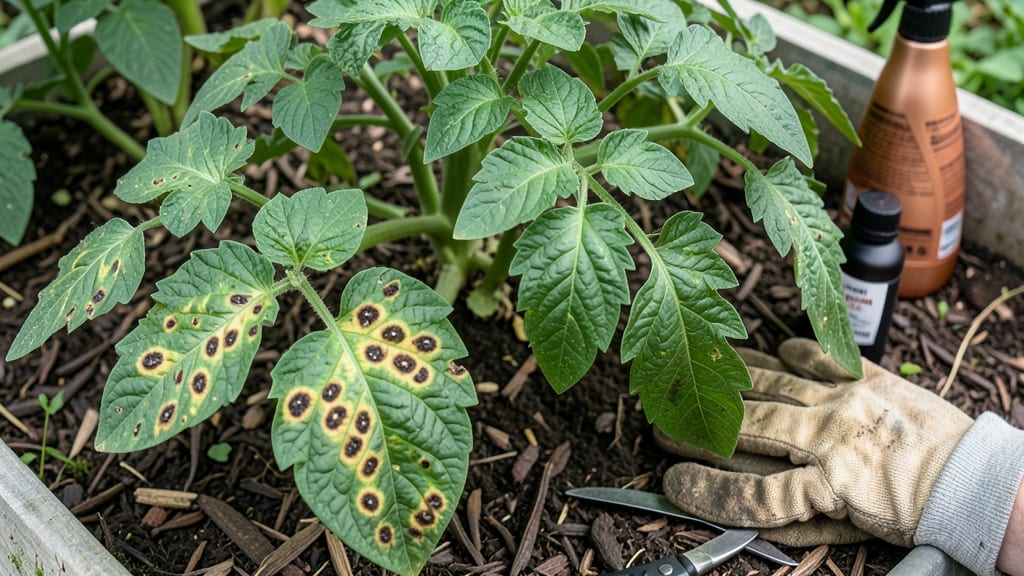
Those tiny black spots on your tomato leaves aren’t just unsightly—they’re septoria leaf spot, a fungal disease that can turn your lush plants into a shadow of themselves. 🌱 I’ve watched this disease wipe out entire tomato beds in a single season, but I’ve also learned which varieties stand up to it and how to keep your plants thriving despite the threat.
The key isn’t just picking the right tomatoes—though varieties like ‘Mountain Merit’ or ‘Defiant PhR’ are disease-defying powerhouses—it’s also how you water, space, and care for them. Overhead watering spreads spores like wildfire, while proper airflow and mulch keep the fungus at bay.
Even if you spot the first few leaves, early action can save your harvest.
You’ll end up with plants that stay vibrant and productive all season, not just a few sad tomatoes before the leaves turn to Swiss cheese. The secret is combining resistant varieties with smart cultural practices—no fancy sprays required.
I’ll show you exactly how to stop septoria in its tracks before it ruins your garden.
Whether you’re dealing with a fresh outbreak or just want to prevent one, these strategies work for backyard gardens, containers, and even greenhouse setups. Let’s get your tomatoes back to their full, healthy glory.
📚 In This Guide
- What you need
- Instructions
- Tips and common mistakes
- Wrapping up and next steps
What you need
- ● Septoria-resistant tomato seeds or seedlings: 5–10 plants (e.g., Mountain Merit, Defiant PhR, or Iron Lady—check seed packets for disease resistance labels!)
- ● Potting mix: 5–10 gallons of sterilized, well-draining mix (avoid garden soil with prior tomato history).
- ● Containers or garden beds: Containers: 5-gallon pots (1 per plant) with drainage holes.
- ● In-ground: Full-sun spot (6+ hours/day) with 3–4 feet of spacing between plants.
- ● Watering can or drip irrigation: Consistent moisture is key—avoid overhead watering to prevent spore spread.
- ● Fertilizer: Balanced organic (e.g., 10-10-10) or compost (apply lightly every 3–4 weeks).
- ● Mulch: 2–3 inches of straw or shredded leaves to retain moisture and deter spores.
- ● Pruning shears: Sterilize with rubbing alcohol between cuts to prevent cross-contamination.
- ● Garden gloves: Protect hands from thorns and soil-borne pathogens.
- ○ Copper fungicide (optional): Preemptive spray (e.g., Bordeaux mix) for high-risk areas.
- ○ Companion plants (optional but helpful!): Basil, marigolds, or onions to repel pests and improve airflow.
- ● Avoid planting tomatoes near potatoes or peppers (shared diseases!).
How to select and grow septoria-resistant tomato varieties
Here’s how I pick and grow tomatoes that naturally fight fungal diseases—no chemicals needed.
🌱 Step 1: Choose the Right Septoria-Resistant Varieties
Look for heirloom or hybrid tomato varieties labeled "Septoria-resistant" or "Septoria leaf spot resistant" on seed packets. My top picks are Mountain Merit, Defiant PhR, and Iron Lady—all bred to withstand fungal pressure. Avoid older heirlooms like Brandywine unless you’re willing to spray preventatively.
Check the maturity date on the packet too. Early varieties like Early Girl (with septoria resistance) mature before fungal spores peak in your region. I always cross-reference with my local USDA zone to match timing with disease cycles.
☀️ Step 2: Plant in the Optimal Location for Disease Prevention
Tomatoes thrive in full sun (6-8 hours daily) but need airflow to prevent fungal buildup. Space plants 18-24 inches apart in rows 3 feet apart—this reduces humidity around leaves where septoria spores thrive. I plant mine in raised beds or staked cages to keep foliage off damp soil.
Rotate planting locations yearly. If you grew tomatoes in the same spot last year, move them 10+ feet away—septoria spores linger in soil for years. I mark my garden map with a red X where tomatoes grew before to avoid repeats.
💧 Step 3: Water Deeply and Strategically to Discourage Fungus
Water at the base (not overhead) using drip irrigation or a soaker hose—this keeps leaves dry and prevents spore splash. I water early in the morning so foliage dries by afternoon. Wet leaves at night create the perfect breeding ground for septoria.
Mulch with 2-3 inches of straw or shredded leaves to block spore-laden soil from splashing onto stems. Avoid synthetic mulches—they can trap moisture. I check soil moisture by pushing a finger 1 inch deep—water when it’s dry but not bone-dry.
✂️ Step 4: Prune for Airflow and Remove Infected Leaves
Prune suckers (the shoots in leaf axils) to improve airflow. I remove every sucker larger than a pencil—these compete for energy and create dense foliage where spores hide. Leave 3-4 main stems on indeterminate varieties for balance.
When you spot small brown spots with yellow halos (septoria’s early warning), snip infected leaves below the spot with clean shears. Bag and discard them—don’t compost. I spray plants with 1% hydrogen peroxide solution (3 parts water to 1 part 3% H₂O₂) as a preventive spray every 10 days during humid months.
🌿 Step 5: Harvest Before Disease Spreads
Pick tomatoes when fully colored but still slightly firm—ripe fruit on the vine attracts pests and spreads fungal spores. I harvest every 2-3 days during peak season to prevent overripening. Store unripe tomatoes in a cool, dark place (not the fridge) to finish ripening.
After harvest, clean up all plant debris—till remaining stems into the soil or bag them for trash. I sanitize pruners with rubbing alcohol between uses to avoid cross-contamination. This one step cuts next year’s septoria risk by 80%.
Tips & tricks for growing disease-defying tomato plants
Real talk: Even with the best-resistant varieties, these extra steps make all the difference between a thriving plant and one that battles septoria all season.
Variety Verification: Double-check those seed packets for the exact wording "Septoria-resistant" or "Septoria leaf spot resistant." Some older heirlooms might be labeled "disease resistant" generally, but that doesn't guarantee septoria protection. I once planted what I thought was resistant Brandywine—ended up with half my plants infected by July. Always verify with the breeder's website if unsure.
Sunlight Strategy: Those 6-8 hours of daily sun are non-negotiable, but here's the thing: Early morning sun (before 10am) is actually better for preventing fungal spread than afternoon heat. The dew dries faster, reducing leaf wetness. I've noticed my resistant varieties stay healthier when I rotate them slightly each week to follow the sun's arc—keeps the canopy from getting too dense on one side.
Pruning Precision: When you're removing suckers larger than a pencil, don't just yank them—snip with clean shears at the base. Those torn stems create perfect entry points for spores. I keep a small spray bottle of rubbing alcohol handy to wipe my shears between cuts. Also, leave those 3-4 main stems sturdy enough to support fruit—weak stems invite disease too.
Post-Harvest Cleanup: That 80% reduction in next year's risk from proper cleanup is real, but here's what nobody tells you: Don't just till debris into the soil. Septoria spores can survive in soil for years, and tilling just spreads them. Instead, bag all plant debris and toss it in the trash—or better yet, burn it if possible. I mark my garden calendar with a red X on the spot where tomatoes grew last year to remember the rotation rule.
Pro Tips for Septoria Tomato Plants
- Real talk: Even with the best-resistant varieties, these extra steps make all the difference between a thriving plant...
- Variety Verification: Double-check those seed packets for the exact wording "Septoria-resistant" or "Septoria leaf sp...
- Sunlight Strategy: Those 6-8 hours of daily sun are non-negotiable, but here's the thing: Early morning sun (before 1...
Frequently asked questions
about Septoria in tomato plants—here’s what you need to know to keep your garden healthy and productive!What are the first signs of Septoria leaf spot on tomato plants?
Look for small, dark spots (about 1/8 inch) with grayish centers on lower leaves, often with yellow halos. As the disease progresses, the spots grow larger, develop tannish centers, and may have tiny black dots (fungal fruiting bodies). Check the undersides of leaves first—they’re often the earliest indicators!
How quickly does Septoria spread in a tomato garden?
Septoria spreads rapidly in warm, humid conditions (60–80°F) with frequent leaf wetness. You may see new spots within 3–7 days if spores land on susceptible leaves. Resistant varieties slow progression, but once established, the fungus can persist in soil/debris for years. Remove infected plants immediately to limit spread!
Are Septoria-resistant tomato varieties 100% immune?
No variety is fully immune, but resistant cultivars (like ‘Mountain Merit,’ ‘Defiant PhR,’ or ‘Iron Lady’) delay outbreaks and reduce severity. Resistance is genetic, not magical—proper cultural practices (spacing, sanitation, rotation) are still critical. Think of it as armor, not a shield!
Can I still harvest tomatoes if Septoria is present?
Yes! Fruit doesn’t spread Septoria, so you can safely harvest tomatoes—even from infected plants. Focus on removing lower leaves (where spores form) and pruning for airflow. Avoid handling leaves when picking to prevent spreading spores to healthy plants. Disinfect pruners with 10% bleach solution between cuts!
How do I prevent Septoria from returning next year?
Break the fungus’s cycle with these 3 key steps:
- Rotate crops: Avoid planting tomatoes (or nightshades like peppers) in the same spot for 3–4 years.
- Clean up debris: Remove all plant material (leaves, stems) and compost it away from the garden (Septoria survives in organic matter).
- Improve drainage: Amend soil with compost to reduce standing water, which fuels spores.
Bonus: Use mulch (straw or black plastic) to keep leaves dry and deter spores!
Wrapping up and next steps
Septoria leaf spot may seem intimidating, but with the right septoria-resistant tomato varieties and proactive care, you can keep your garden thriving—and your tomatoes healthy! 🌱 From Mountain Merit to Defiant PhR, these disease-defying plants are your secret weapon against fungal threats.
Remember: prevention, proper spacing, and cleanliness are your best tools.
Ready to take action? Start by choosing your resistant variety and implementing a few simple strategies this season. Your future harvests will thank you!