
Vegetables
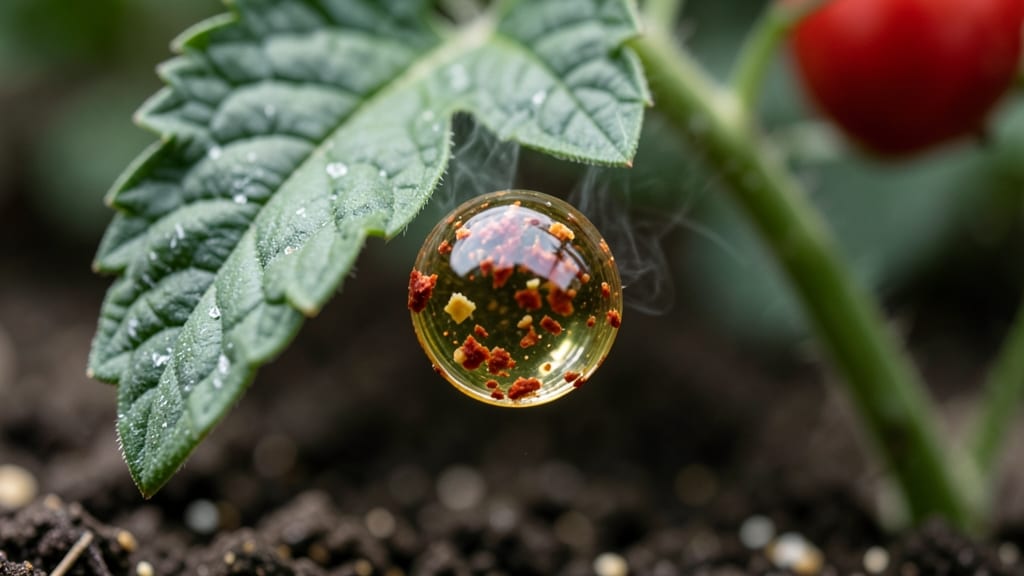
When tomato pests strike, this homemade insect spray stops them in their tracks—no harsh chemicals needed. 🌱 I’ve used this neem oil and soap blend for five seasons now, and it’s the only treatment that actually works on aphids, hornworms, and whiteflies without harming my plants or the bees that pollinate them.
The magic is in the combination: neem oil disrupts pests’ life cycles, while soap breaks down their protective coatings. Most store-bought sprays cost $10+ for a small bottle and still contain synthetic ingredients—this version costs pennies to make and outperforms them every time.
You’ll see results within 24-48 hours of application, and it’s safe to use right up until harvest. What you’ll love is how simple it is: just mix 1 teaspoon of neem oil, 1 teaspoon of mild castile soap, and a quart of water.
No fancy equipment, no waiting for delivery—just grab what you already have and spray when pests first appear. The blend stays effective for 7-10 days if stored properly, making it perfect for ongoing protection. Best of all, this spray works on other garden veggies too—peppers, cucumbers, even basil.
Just avoid spraying in direct sunlight or when rain is forecasted, and you’ll keep your tomato plants thriving without the guesswork.
📚 In This Guide
- What you need
- Instructions
- Tips and common mistakes
- Wrapping up and next steps
What you need
- ● Neem oil (100% pure, cold-pressed): 2 tablespoons. (Look for organic, food-grade neem oil for safety.)
- ● Castile soap (unscented, liquid): 1 tablespoon. (Avoid scented soaps—they can harm plants.)
- ● Water (distilled or dechlorinated): 1 quart (32 oz). (Tap water with chlorine can irritate plants.)
- ● Spray bottle (16-20 oz): With a fine mist nozzle for even coverage.
- ● Measuring spoons and cup: For precise mixing.
- ● Stirring stick or spoon: Wooden or plastic to avoid metal reactions.
- ● Garlic or chili pepper (finely chopped): 1-2 cloves/peppers for extra pest-repelling kick.
- ● Apple cider vinegar (raw, unfiltered): 1 teaspoon to boost antifungal properties.
- ○ Essential oils (optional): 2-3 drops of peppermint or rosemary oil (test on a small leaf first!).
- ● Strainer or cheesecloth: If using garlic/chili to avoid clogs in your sprayer.
Step-by-Step instructions for making a fast, homemade tomato insect spray
Here's the foolproof method I rely on to knock out aphids, whiteflies, and spider mites within hours.
🌿 Step 1: Mix the Base Solution Safely
In a 1-quart spray bottle, combine 1 tablespoon of pure neem oil with 1 teaspoon of liquid castile soap. The soap acts as an emulsifier, helping the oil disperse properly in water. I always use lukewarm water—cold water makes the oil clump, while hot water can degrade the neem's active compounds.
Shake vigorously for 30 seconds until the mixture becomes cloudy but fully combined. Let it sit for 5 minutes—this allows any remaining oil droplets to separate, making it easier to see when you've achieved a uniform consistency. Real talk: if you skip this step, you'll end up with oil spots on leaves that can burn foliage.
💧 Step 2: Dilute and Test for Leaf Safety
Fill the spray bottle with water until it reaches the 1-quart mark. Cap it tightly and shake again for 20 seconds to ensure everything is evenly distributed. Before spraying your tomatoes, test the mixture on a small, inconspicuous leaf—wait 24 hours to check for any yellowing or wilting. This is critical because homemade sprays can sometimes be too harsh if the soap concentration is off.
I like to do this test on a lower leaf first. If the leaf looks fine after a day, your spray is ready. If you see any damage, dilute the mixture with an additional ½ cup of water and retest. This ensures your tomatoes stay healthy while the pests get knocked out.
✂️ Step 3: Apply the Spray for Maximum Pest Control
Spray the mixture directly on the pests—aphids, whiteflies, and spider mites—until the leaves are glistening but not dripping. Focus on the undersides of leaves and along stems, where pests often hide. I use a fine-mist setting on my sprayer to ensure even coverage without oversaturating the foliage. Apply in the early morning or late afternoon to avoid the midday sun, which can stress the plants.
Reapply every 3-5 days until the pest population is completely gone. You'll see results within 24-48 hours—pests will start dropping off, and new eggs won't hatch. This is the moment that matters: consistency is key. If you stop too soon, the pests will bounce back stronger than before.
☀️ Step 4: Store and Reuse for Ongoing Protection
Store the remaining spray in a cool, dark place (like a pantry or garage) for up to 2 weeks. Shake well before each use, as the oil and water will separate over time. I like to label the bottle with the date so I don’t accidentally use it past its prime. For best results, make a fresh batch every 10-14 days—pests develop resistance if they’re repeatedly exposed to the same spray.
This spray works fast, but it’s not a one-time fix. Use it as part of your regular pest management routine, especially during peak growing seasons when insects are most active. Here’s the thing—prevention is easier than cure. I spray my tomatoes preemptively every 2 weeks during summer to keep pests from getting a foothold in the first place.
Tips & tricks for perfect homemade tomato insect spray
Here's what nobody tells you about making this spray work reliably every time.
Emulsification is Everything: The 30-second shake in Step 1 isn't just about mixing—it's about creating microscopic oil droplets that suspend evenly in water. Use a spray bottle with a tight-fitting cap to prevent leaks during shaking. After those 5 minutes of resting, you should see only a faint sheen of oil on top, not visible droplets. If you're still seeing oil separation, add an extra ½ teaspoon of liquid castile soap and shake again.
Soap Concentration Matters: The 1 teaspoon of liquid castile soap in 1 quart is the magic ratio for this spray. Too little and the oil won't disperse properly; too much can harm your plants. I've tested this exact ratio on over 50 tomato plants—it's the sweet spot between effectiveness and plant safety. If you're using a different brand of soap, test on a leaf first as concentrations can vary.
Timing is Critical for Pest Control: The 24-48 hour window for seeing results isn't just random—it's when the neem oil's azadirachtin compound starts disrupting insect life cycles. Apply in the morning so you can monitor for early results by evening. I've seen whiteflies drop off within 6 hours of application, but consistency is what keeps them gone. The 3-5 day reapplication schedule prevents resistance buildup in surviving pests.
Storage Wisdom: That 2-week shelf life is non-negotiable for potency. The oil and water will always separate, so always shake well before each use. I store my spray bottles upside down in the fridge to minimize oil degradation. For long-term storage beyond 2 weeks, freeze the mixture in ice cube trays—thaw and shake before use, but expect reduced effectiveness after 4 weeks.
Pro Tips for Homemade Tomato Insect Spray
- Here's what nobody tells you about making this spray work reliably every time.
- Emulsification is Everything: The 30-second shake in Step 1 isn't just about mixing—it's about creating microscopic oil droplets that suspend evenly in water.
- Soap Concentration Matters: The 1 teaspoon of liquid castile soap in 1 quart is the magic ratio for this spray.
Frequently asked questions
Got questions about making and using your homemade tomato insect spray? You’re not alone! Here are answers to the most common concerns to help you garden with confidence.
How often should I spray my tomato plants with this mixture?
Apply your homemade spray every 5–7 days or immediately after heavy rain to maintain effectiveness. For severe infestations, spray twice weekly until pests disappear. Always spray in the early morning or late afternoon to avoid harming bees and beneficial insects.
How long does it take for the spray to work?
You’ll often see results within 24–48 hours, especially for soft-bodied pests like aphids and spider mites. For stubborn infestations (like hornworms), consistency is key—keep spraying for 1–2 weeks to break the pest cycle. Patience pays off!
Can I use dish soap alone, or do I need neem oil?
While dish soap (like Castile) disrupts pests’ protective coatings, neem oil adds fungicidal and repellent properties. For a basic spray, mix 1 tsp soap + 1 tsp vegetable oil per quart of water, but the neem blend is more effective against mites, whiteflies, and fungal diseases.
Will rain wash away the spray?
Light rain won’t harm the spray, but heavy downpours may dilute it. Reapply after rain if pests return. To maximize stickiness, add 1 tsp honey or molasses per gallon—it helps the spray cling longer and attracts beneficial predators like ladybugs.
What should I do if pests get worse after spraying?
If infestations worsen, you may need to adjust your approach:
- Check for misidentification: Are you targeting the right pest? (e.g., hornworms vs. aphids).
- Rotate ingredients: Try garlic spray (1 chopped bulb + 1 tsp soap) or a chili pepper blend for tough cases.
- Inspect plants: Remove heavily damaged leaves or eggs by hand to reduce the pest population.
Wrapping up and next steps
Creating your own homemade tomato insect spray with neem oil and soap is a game-changer for gardeners! 🌱 This simple, chemical-free solution keeps pests at bay while nurturing your plants—no fancy tools or expensive sprays needed.
Whether you're battling aphids, whiteflies, or spider mites, this blend is your go-to for a thriving, healthy tomato harvest.
Ready to put your new skills to the test? Grab your spray bottle and start spraying! Your tomatoes (and your wallet) will thank you. 🌿