
How To
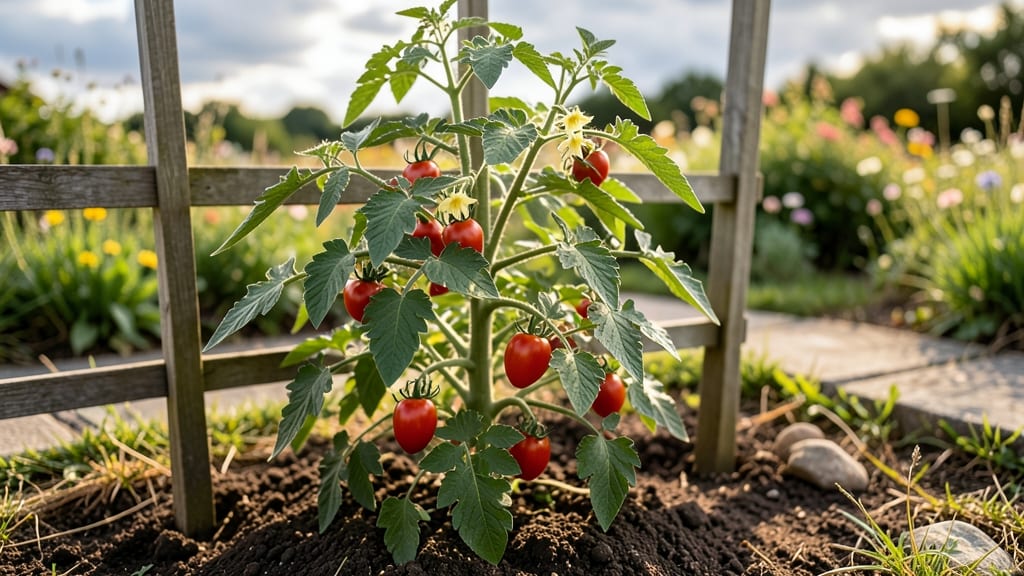
Roma tomato plants can grow anywhere from 3 to 10 feet tall depending on how you train them, making size control the key to fitting them into your garden.
If you're planning to grow Roma tomatoes but worried about space, you're not alone—these plants can grow surprisingly large, or stay surprisingly compact, depending on how you train them. Understanding their growth habits is key to maximizing yield without sacrificing your garden layout.
Most Roma varieties fall into two categories: indeterminate types that climb like vines, reaching 6 to 10 feet or more, and determinate types that stay bushy at 3 to 5 feet.
The difference between these isn’t just height—it’s also how you’ll prune, stake, and space them for the best harvest.
In this guide, I’ll break down how to manage their size, from pruning tips to space-saving tricks, so you can grow bigger yields in smaller spaces—whether you’re working with a backyard plot or a balcony container.
Roma tomato plant growth size: indeterminate vs determinate varieties explained
When planning your Roma tomato garden, one of the first questions I ask myself is: how big do Roma tomato plants get? The answer depends entirely on whether you're growing indeterminate or determinate varieties, with dramatic differences in height, spread, and yield potential.
These growth habits directly impact your garden layout and harvesting strategy. Let me break down the key differences so you can choose what works best for your space.
Indeterminate Roma tomatoes are the towering giants of the garden, capable of reaching 6 to 10+ feet tall with proper support. Their vining growth continues throughout the season, producing fruit until frost.
This means you'll need sturdy trellises or cages to handle their weight, but the payoff is a continuous harvest all summer long. Popular varieties like Roma VF or Plum Regal fall into this category.
Determinate Roma tomatoes, on the other hand, stay compact and bushy, typically growing 3 to 5 feet tall with a similar spread. They set fruit all at once, creating a heavy harvest window (usually 2-3 weeks), then stop growing.
This makes them ideal for container gardening or small spaces. Varieties like Roma Sweet or Roma Purple are classic determinate choices.
Here's where things get interesting: your pruning and training methods can further influence how big Roma plants grow. Even indeterminate varieties can be kept more manageable with regular pruning, while determinate types might need staking to prevent sprawling.
The key is understanding how each growth habit affects your garden's yield per square foot and harvest timing.
| Growth Habit | Height Range | Spread | Harvest Pattern | Best For | Example Varieties |
|---|---|---|---|---|---|
| Indeterminate | 6-10+ ft | 3-5 ft | Continuous | Large gardens, trellises | Roma VF, Plum Regal |
| Determinate | 3-5 ft | 2-4 ft | All at once | Containers, small spaces | Roma Sweet, Roma Purple |
The yield potential differs dramatically between these types. Indeterminate plants produce more tomatoes over time but require more space and maintenance. A single indeterminate plant can yield 20-30 lbs of fruit if properly cared for, while determinate plants typically produce 10-15 lbs in their single harvest window.
For me, this means I plant fewer indeterminate plants but spread them out, while determinate varieties get clustered in containers on my patio.
Space planning becomes critical when considering how big do Roma tomato plants get. Indeterminate varieties need 3-4 feet of vertical space plus 2-3 feet of ground clearance for their roots. Determinate plants only need 18-24 inches of space in all directions.
In my 4x8 ft raised bed, I can fit four determinate plants but only two indeterminate ones with proper trellising.
Another factor to consider is your climate and growing season length. In cooler regions with shorter summers, indeterminate plants might not reach their full height potential. I've found that in USDA Zone 6a, my indeterminate Roma plants typically max out around 7-8 feet rather than 10 feet.
Meanwhile, determinate varieties thrive in these conditions, producing reliable harvests year after year.
For container growing, determinate Roma tomatoes are the clear winners due to their compact size. I've successfully grown Roma Sweet in 5-gallon fabric pots on my balcony, harvesting dozens of plump tomatoes in a single season.
The key is choosing a variety labeled as determinate and ensuring your container has at least 12 inches of depth for proper root development.
If you're working with limited space but want the benefits of indeterminate growth, consider vertical gardening techniques. I've had great success using 6-foot tomato towers that allow indeterminate plants to grow upward while keeping their footprint minimal.
This approach lets me grow roma VF in my small urban garden without sacrificing yield.
Remember that pruning practices can also influence final plant size. Even indeterminate varieties can be kept more compact through regular sucker removal and top pinching. I typically prune my indeterminate plants to maintain a 4-5 foot height, which makes harvesting easier and improves airflow to prevent disease.
The trade-off is slightly reduced yield, but the improved fruit quality makes it worth it.
How to control Roma tomato plant size: pruning and training techniques
Roma tomatoes can reach 6-10 feet tall if left unchecked, but with the right training, you can keep them compact and manageable—even in small spaces. The key lies in understanding two simple techniques: pruning to control growth and training to direct their energy.
These methods not only save space but also improve airflow and fruit production, reducing disease risks while maximizing your harvest.
Whether you're working with indeterminate vining types or determinate bush varieties, the principles remain the same. The difference? Indeterminate plants need more aggressive training, while determinate types benefit from minimal pruning.
Start by assessing your garden layout—tall cages work for vining types, while bush varieties thrive in sprawling configurations with minimal support.
Step-by-Step Roma Tomato Training Guide
-
1
Choose Your Support System
Install cages (5-6 ft tall), stakes (6+ ft), or floppy systems at planting. Cages work for indeterminate types, while stakes suit bush varieties. For containers, use tomato clips or small trellises. -
2
Remove Suckers Weekly
Check for suckers (side shoots) in leaf axils. Pinch them off with your fingers or clean pruners. Focus on the lower third of the plant first to improve airflow and reduce disease. -
3
Top Pinch for Height Control
When your plant hits your desired height (e.g., 4-5 feet for cages), pinch off the top growth. This redirects energy to existing fruit clusters. Repeat every 2-3 weeks for compact growth. -
4
Prune for Airflow
Trim yellow or diseased leaves immediately. Remove overcrowded branches to prevent fungal issues. Aim for a balanced canopy with open centers for sunlight penetration. -
5
Train Vines to Support
Gently tie main stems to cages or stakes with soft ties (e.g., old t-shirts). For floppy systems, weave vines through horizontal strings or bamboo trellises to encourage sprawling growth.
Timing is everything when it comes to pruning. For indeterminate Roma tomatoes, start training as soon as they hit 12-18 inches tall. Focus on removing suckers and pinching tops during the early morning to allow wounds to heal by nightfall.
This reduces the risk of pests and diseases entering the plant.
If you're growing determinate Roma varieties, pruning is less critical—these plants naturally stop growing at 3-5 feet. Instead, prioritize removing lower leaves to keep the fruit cluster elevated and dry. This simple step can double your yield by preventing soil-borne diseases from splashing onto ripe tomatoes.
For organic growers, avoid harsh pruning methods like cutting with shears, which can stress the plant. Instead, use your fingers to pinch off suckers and tops.
This gentler approach encourages stronger growth and higher-quality fruit. Pair your training with regular mulching to retain moisture and suppress weeds, which further supports healthy, controlled growth.
Remember, the goal isn’t just to limit height but to optimize fruit production. A well-trained Roma tomato plant will produce 20-30 pounds of fruit per season—double what an unpruned plant yields. With these techniques, you’ll enjoy bountiful harvests without sacrificing your garden’s layout. Happy growing! 🌱