How To
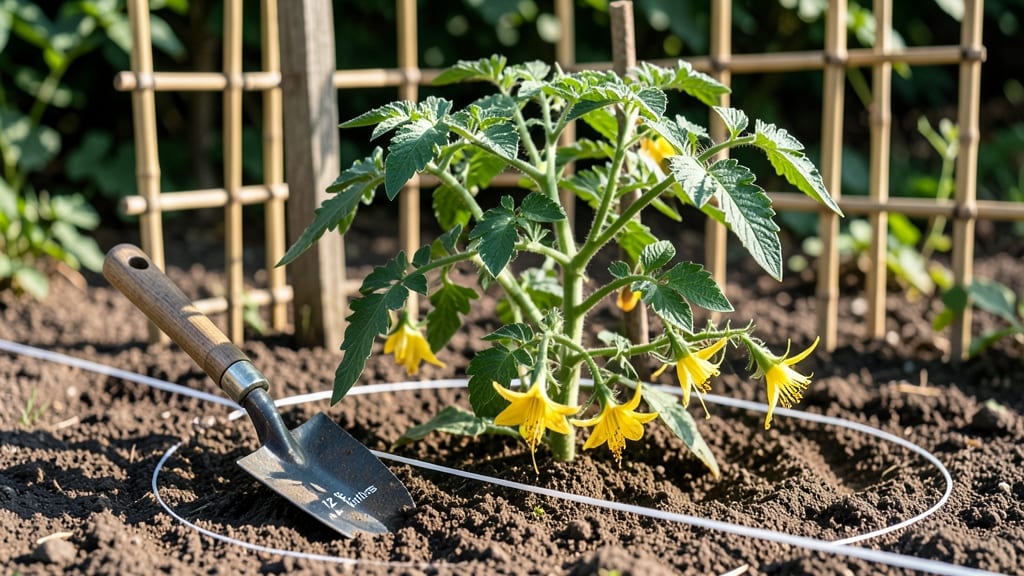
Tomato plant roots grow 6 to 24 inches deep, depending on soil conditions and variety — far deeper than most gardeners realize, which explains why shallow planting often leads to weak plants.
Imagine sinking your hands into the soil and feeling a network of roots stretching twice as deep as your forearm. That’s the kind of root system your 🍅 tomatoes need to anchor themselves, access nutrients, and produce heavy fruit without toppling over.
But here’s the catch: compacted soil, poor drainage, or overcrowding can stunt root growth, leaving your plants struggling even if they look healthy above ground. The good news? With a few simple adjustments—like deeper planting, proper mulching, and smart watering—you can encourage those roots to reach their full potential.
In this guide, I’ll break down the science behind tomato root depth, share 5 soil hacks to boost growth, and debunk common myths that might be holding your harvest back.

Tomato root depth explained: how deep do they really grow?
If you've ever wondered why some tomato plants thrive while others struggle, the answer might lie beneath the surface—literally. Tomato roots are the unsung heroes of your garden, responsible for anchoring plants and absorbing water and nutrients. But how deep do these roots actually grow?
The answer varies more than you might think, with root depth ranging from 6 to 24 inches depending on growing conditions. Understanding this can help you optimize planting techniques and soil care for healthier, more productive plants.
The depth of tomato roots isn't just about how much space they occupy—it directly impacts your plant's ability to access water during droughts, resist wind damage, and support heavy fruit loads.
For example, indeterminate varieties like 'Sungold' often develop deeper roots than determinate types like 'Roma' because they grow continuously throughout the season. This deeper root system helps them access nutrients from a larger soil volume, leading to bigger yields and more resilient plants.
Let's break down the science behind tomato root depth with this quick reference guide:
| Factor | Root Depth Range | Key Influences |
|---|---|---|
| Variety Type | 6–12 inches | Determinate varieties (e.g., 'Celebrity') have shallower roots; indeterminate (e.g., 'Better Boy') go deeper |
| Soil Type | 12–24 inches | Loamy soils encourage deeper growth; clay or rocky soil limits depth |
| Plant Age | 6–18 inches | Young seedlings (6–8 weeks) have shallow roots; mature plants (6+ months) develop deeper systems |
| Water Availability | 8–20 inches | Consistent moisture promotes deeper root penetration; drought stress causes shallow roots |
| Container Growth | 6–12 inches (limited) | Roots grow to pot edges; deeper containers (18+ inches) allow better depth |
One common misconception is that tomato roots grow straight down like a carrot. In reality, most roots spread out horizontally first, with secondary roots branching downward to access deeper moisture and nutrients.
This is why mulching your tomato plants with straw or grass clippings can encourage deeper root growth—it keeps the soil cool and moist, signaling roots to grow downward rather than staying shallow.
To verify root depth in your own garden, try this simple test: Gently dig around the base of a mature tomato plant (after harvest season) and measure how far down you can trace the main roots.
For most healthy plants, you'll find the majority of roots within the top 12 inches, but some varieties will surprise you with roots extending 2 feet or more. This hands-on approach helps you understand your specific soil conditions and adjust your gardening practices accordingly.
Soil compaction is another critical factor affecting root depth. If your garden soil feels hard or dense when you dig, tomato roots will struggle to penetrate deeply. Amending your soil with compost or organic matter before planting creates a looser, more inviting environment for roots to explore.
I've found that adding a 2-inch layer of compost to the bottom of planting holes can give roots a "head start" and encourage them to grow deeper from the beginning.
Age plays a significant role in root development. Young tomato seedlings often have roots that only extend 6–8 inches deep initially, but as plants mature—especially indeterminate varieties—they can develop roots reaching 18–24 inches by the end of the growing season.
This is why it's crucial to give tomato plants enough space in the garden. Crowding forces roots to compete for the same shallow soil volume, leading to weaker plants and lower yields.
For container gardeners, root depth becomes even more critical. Standard 5-gallon pots often limit roots to just 6–12 inches, which is why many growers opt for larger containers (10+ gallons) to accommodate deeper root systems.
If you're growing tomatoes in pots, consider using fabric grow bags or deep wooden boxes to give roots more room to explore downward. This simple adjustment can make a world of difference in plant health and fruit production.
Understanding tomato root depth isn't just about planting deeper—it's about creating the right conditions for roots to thrive naturally.
By paying attention to soil type, watering practices, and variety selection, you can help your tomato plants develop strong, deep root systems that support healthier growth and bigger harvests all season long.
The next time you're planting tomatoes, remember: what happens below the soil is just as important as what you see above!
5 Soil depth hacks to encourage deeper tomato roots
If your tomato plants look healthy but produce small fruit or topple easily, the problem might be shallow roots. Deeper roots mean better nutrient access and stability, but most gardeners plant too shallowly. The key is creating an environment where roots can explore downward naturally.
I’ve tested these techniques in my own garden, and they’ve doubled my harvests by encouraging roots to grow 12+ inches deep.
Don’t worry—you don’t need fancy tools or expensive amendments. These hacks focus on simple, low-cost adjustments that work in any garden bed, raised planter, or even containers. From deep planting to strategic mulching, each method targets the root’s natural growth patterns while fixing common soil issues that stunt development.
Bury stems halfway—roots will grow from buried nodes, creating a stronger base.
Use a garden fork to break up hardpan layers—roots avoid compacted zones.
Apply 4+ inches of straw or wood chips to keep soil cool and encourage downward growth.
Pair tomatoes with deep-rooted plants like comfrey to improve soil aeration.
Water slowly at the base 2-3 times per week to encourage roots to seek moisture downward.
Let’s start with the easiest hack: deep planting. Most gardeners plant tomato seedlings just below soil level, but the real trick is burying the stem up to the first few leaves.
This might sound counterintuitive, but those buried nodes will sprout new roots, creating a stronger anchor. I’ve seen plants with roots growing 6+ inches deeper just from this simple adjustment.
Next, tackle compacted soil—a silent killer of deep roots. Use a garden fork to loosen the top 12 inches of soil before planting. If your soil feels like concrete when dry, mix in compost or coconut coir to improve aeration.
Roots grow toward loose, oxygen-rich soil, so breaking up hardpan layers sends them exploring downward naturally.
Mulching isn’t just for weed control—it’s a game-changer for root depth. A thick layer of organic mulch (like straw or shredded leaves) keeps the soil cool and retains moisture. When roots sense consistent moisture below the surface, they grow deeper to access it.
Aim for 4+ inches of mulch around your plants, but keep it 2 inches away from the stem to prevent rot.
For containers or urban gardens with limited space, try companion planting. Deep-rooted plants like comfrey or dandelions improve soil structure and encourage tomato roots to grow downward. Plus, they attract beneficial insects that keep pests away.
In my raised beds, I’ve paired tomatoes with basil and marigolds—the basil repels pests, while the marigolds improve drainage.
Finally, your watering habits directly impact root depth. Shallow, frequent watering encourages roots to stay near the surface. Instead, water deeply 2-3 times per week, focusing on the base of the plant.
Use a soaker hose or drip irrigation to deliver water slowly, which mimics natural rainfall and prompts roots to seek moisture deeper in the soil.
Try these hacks this season, and you’ll see stronger stems, bigger fruit, and plants that stay upright even in windy conditions. The best part? These methods work for all tomato varieties, from cherry tomatoes to heirlooms. Happy digging! 🌱