Planting
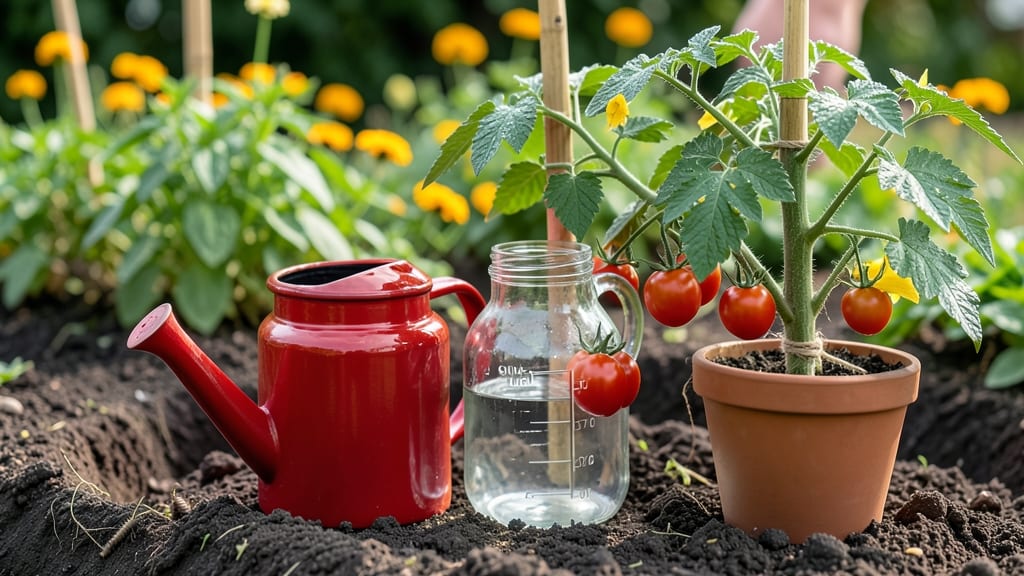
To grow thriving tomato plants 🍅, you’ll need between 1 and 5 gallons of water per week, depending on the plant’s size and growth stage—far more than most gardeners realize until it’s too late.
Picture this: you’ve nurtured your seedlings for weeks, only to watch them wilt under the summer sun because you were guessing at their water needs.
The truth is, tomato plants don’t just need some water—they demand the right amount, and skipping this step can turn your harvest dreams into a sad, shriveled mess.
Whether you’re growing tomatoes in containers or in the ground, the gallon count changes dramatically as your plants mature. A seedling might only need 1 gallon per week, while a full-grown, fruiting plant can guzzle 5 gallons or more during peak summer heat.
Without the right measurements, you’re either drowning your plants or leaving them parched.
In this guide, I’ll break down the exact gallon requirements for every stage of growth, show you how to adjust for your soil type and climate, and share the smart watering tricks that save gallons while keeping your tomatoes happy and productive.

Tomato plant water requirements by gallons: weekly breakdown for seedlings, mature plants, and heavy fruit production
Watering tomato plants effectively isn't just about keeping soil moist—it's about delivering the right amount at the right stage. Seedlings need gentle hydration, while fruiting plants demand deep, consistent watering to prevent cracking.
Without precise gallon measurements, you risk either wasted water or stunted growth. My experience growing heirloom tomatoes taught me that tracking weekly gallons prevents guesswork and maximizes yield.
Tomato plants have three critical growth phases with distinct water needs: seedlings (0-4 weeks), vegetative growth (4-8 weeks), and fruiting (8+ weeks). A 5-gallon bucket is my go-to for measuring, but your actual needs depend on soil type, container size, and climate.
Sandy soil drains faster, while clay holds moisture longer—both require adjustments to your gallon targets.
Here's the weekly gallon breakdown for tomato plants in average conditions (60-80°F, well-draining soil). Adjust these numbers based on your specific setup—more for container-grown plants and less for deep-rooted in-ground varieties.
For container-grown tomatoes, the numbers are lower because roots have limited access to water. A 5-gallon pot holds about 3-4 gallons of soil, so you'll need to water more frequently—but with less total volume per session.
My cherry tomato plants in 1-gallon pots need 1-2 gallons per week during fruiting, while beefsteak varieties in 5-gallon containers require 7-10 gallons weekly.
In-ground tomatoes benefit from deeper root systems, so they can access moisture from larger soil volumes. However, heavy fruit production increases water demands dramatically. A single mature tomato plant with 20+ fruits can require up to 3 gallons per day during peak season.
This is why my heirloom tomatoes get drip irrigation on timers—it delivers consistent moisture without waste.
Adjust your watering based on soil type and weather. Sandy soil may need daily top-ups (even if totals seem low), while clay soil can go 5-7 days between waterings. During 90°F+ heatwaves
How to calculate gallons needed: adjusting for soil type, container size, and weather conditions
Calculating the exact gallons of water your tomato plants need isn't one-size-fits-all. The same plant in a 5-gallon bucket versus a raised bed will demand completely different water volumes. Even your local soil type—whether it's sandy, loamy, or clay—drastically changes how often and how much you should water.
Let's break it down so you can adjust your watering schedule with confidence.
First, understand that container size is your starting point. A tomato plant in a 5-gallon pot may need just 1 gallon per watering, while the same plant in a 4'x8' raised bed could require 5-7 gallons weekly.
Then factor in soil drainage: Sandy soil drains quickly, so you'll water more frequently but with less volume, while clay holds moisture longer, needing deeper but less frequent watering.
Next, consider weather conditions. During heatwaves (90°F+), your tomatoes might need 2x the usual water, while cooler weather (60°F-70°F) can cut water needs by 30-50%. Humidity also plays a role—dry air increases evaporation, so containers may need extra water even if the soil feels moist.
💧 Quick Gallon Calculator for Tomato Plants
- 1. Determine container size: 5-gal bucket = 1 gal/watering; 1-gal pot = 0.5 gal/watering; raised bed (per plant) = 1-2 gal/watering.
- 2. Adjust for soil type: Sandy soil = +20% frequency; clay soil = -30% volume.
- 3. Factor in weather: 90°F+ = double weekly gallons; 60°F-70°F = reduce by 30%.
- 4. Growth stage matters: Seedlings = 0.5 gal/week; flowering = 3-5 gal/week; fruiting = 5-8 gal/week.
- 5. Test soil moisture: Stick your finger 2" deep—if dry, water; if damp, wait.
For container-grown tomatoes, use the bucket method: Fill a 1-gallon jug with water and pour it slowly until it drains from the bottom. This ensures you're not over- or under-watering.
In raised beds, spread water evenly across the entire bed (not just around the plant) to encourage deep root growth. A soaker hose or drip irrigation system makes this easier and more precise.
Watch for visual cues like wilting leaves or dry soil cracks to adjust your schedule. If your tomato leaves curl upward during the day but recover at night, it's a sign of underwatering.
Conversely, yellowing leaves or mushy stems indicate overwatering. Pro tip: Water in the early morning (6-9 AM) to reduce evaporation and fungal risks.
When temperatures drop below 70°F, reduce watering by 25-40%—your tomatoes won't need as much to stay hydrated. In drought conditions, consider mulching with straw or wood chips to retain moisture.
This can cut your water needs by up to 30% while keeping roots cool. Always prioritize deep watering over frequent shallow sessions to encourage strong root systems.
Use this quick adjustment chart next time you're unsure: If your soil feels dry 1" below the surface and it's hotter than 85°F, increase water by 50%.
If the soil is still damp and temps are mild, hold off until the next scheduled watering. Consistency is key—tomatoes hate moisture fluctuations, so stick to a schedule once you've calculated your ideal gallons.