
How To
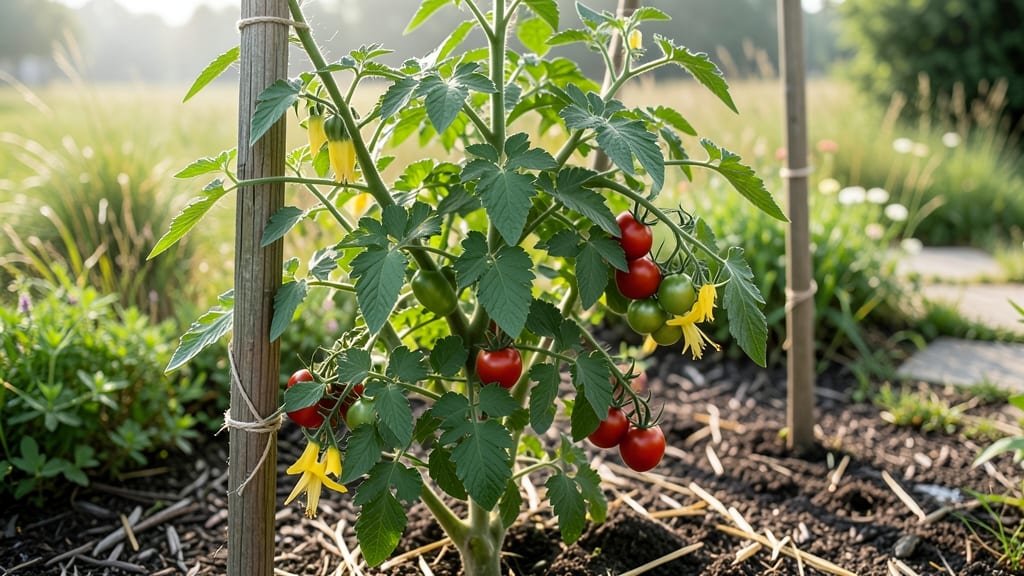
Tomato plants can grow anywhere from 1 foot to over 12 feet tall, depending on the variety and care you give them 🍅 — a range that can leave even experienced gardeners scratching their heads over what to expect.
If you’ve ever wondered why your tomato plants seem to reach for the sky—or why some stay stubbornly small—you’re not alone.
The truth is, genetics, sunlight, and pruning play huge roles in how tall your plants will grow, and skipping even one of these can mean the difference between a manageable bush and a 10-foot vine that needs serious support.
Determinate varieties top out at 3-5 feet, perfect for containers or small gardens, while indeterminate types can climb 6-12 feet or more if left unchecked. But here’s the kicker: even the same variety can grow taller (or shorter) based on your growing conditions, making height a moving target.
In this guide, I’ll break down the exact height ranges for popular varieties, how to control or encourage growth, and the pruning secrets that keep your plants productive—no matter how tall they get.

Tomato plant height ranges: from dwarf to sky-high varieties
Tomatoes aren’t one-size-fits-all when it comes to height—some stay as compact as bushy shrubs, while others stretch taller than garden trellises. The difference often boils down to genetics and growth habits.
Determinate varieties, like Roma or Celebrity, top out at 3–5 feet, making them ideal for container gardens or small spaces. On the opposite end, indeterminate giants like Sungold or Brandywine can climb 10–12 feet or more with proper support.
Even within these categories, heirloom varieties often defy expectations—some cherry tomatoes stay petite, while others like Big Beef dwarf indeterminate types at 6–8 feet. Your garden’s layout and your pruning habits can also drastically alter a plant’s final height.
For example, a pruned indeterminate tomato might stay at 5 feet instead of 10, while an unpruned determinate could sprawl wider than expected.
Here’s the key: height isn’t just about space—it’s about yield, support needs, and harvest timing. A 6-foot plant might produce more fruit than a 3-foot bush, but it’ll need a sturdy trellis to avoid disease and breakage.
Let’s break down the real-world height ranges you can expect, so you can pick the perfect variety for your setup.
If you’re working with limited space, dwarf varieties like Tiny Tim or Patio are game-changers—they thrive in 5-gallon containers and produce hundreds of cherry tomatoes without sprawling. These bush types stop growing once they set fruit, making them predictable and low-maintenance.
I’ve grown Patio in a hanging basket on my balcony, and it fed my family for weeks without needing a single stake.
On the flip side, indeterminate varieties like Sungold or Brandywine are the marathon runners of the tomato world. They keep growing until frost, producing fruit all season long—but they’ll climb anything in their path.
Without support, a 10-foot plant can topple over, snapping stems and inviting disease. That’s why I always use heavy-duty trellises or cattle panels for these giants, especially in windy areas.
Heirloom tomatoes often steal the show with their dramatic heights and flavor profiles. Varieties like Mortgage Lifter (named for its ability to support vines over 12 feet) or Cherokee Purple (which grows 8–10 feet) are perfect for backyard trellises or even arbor setups. The trade-off? They require more attention—regular pruning, stronger supports, and sometimes extra nutrients
What determines how tall your tomato plants will grow?
Tomato plant height isn't just luck—it's a mix of genetics, environmental factors, and the care you provide. The first big factor is your tomato variety. Determinate types like 'Celebrity' stay compact (3–4 feet), while indeterminate varieties such as 'Sungold' can climb to 10+ feet without stopping.
Even within the same type, heirlooms often outgrow hybrids, so check seed packets for growth expectations.
Sunlight exposure is another critical player. Tomatoes thrive with 6–8 hours of direct sun daily, but too little light stunts growth, while excess heat in hot climates can cause sunscald or leggy stems. If you're in a shady spot, expect plants to grow 20–30% shorter than their potential.
My Zone 8 garden gets intense afternoon sun, so I always use shade cloth for midday protection during peak summer.
🌱 Key Takeaway: Tomato Height Factors
Variety type (determinate vs. indeterminate)
6–8 hrs/day = full growth; <3 hrs = stunted
Indeterminate: 1–3 ft taller without pruning
Low potassium = weak stems; high nitrogen = leafy growth
Hot/dry = faster growth; cool = slower
Pro Tip: For indeterminate varieties, prune suckers to control height while boosting fruit production. My 'Cherokee Purple' plants hit 8 feet without pruning but yield 30% more when pruned to 6 feet.
Soil nutrients play a sneaky role too. Tomatoes need a balanced fertilizer (like 5-10-10) to avoid leggy growth. Too much nitrogen makes plants focus on leaves instead of height, while potassium deficiencies weaken stems, making them flop.
I always test my soil before planting—last year, my tomatoes grew 2 feet taller after adding compost and a potassium-rich fertilizer.
Your climate zone also sets the stage. In hot, dry regions (like Zone 9–10), tomatoes grow faster but may need drip irrigation to prevent wilting. In cooler zones (like Zone 5), growth slows until temperatures hit 70°F+.
I once grew 'Brandywine' tomatoes in Zone 6—they only reached 4 feet before fall, but with row covers, they hit 6 feet the next year.
Don't underestimate container size either. Root-bound tomatoes in 5-gallon pots grow 30% shorter than those in 15-gallon containers. If you're growing in pots, choose determinate varieties like 'Tiny Tim' (1–2 feet tall) or upgrade to fabric grow bags for better root expansion.
My balcony tomatoes in 7-gallon pots max out at 3 feet, but they produce just as many fruits as ground-grown 4-foot plants.
Finally, wind exposure matters. Strong winds can stunt growth by 20–30% if stems aren't supported. Use cages or trellises to protect plants, especially in open or coastal gardens.
Last summer, my unprotected 'Sungold' plants grew 12 feet tall, but a windstorm snapped half of them—now I always stake them by week 4.