
Pests
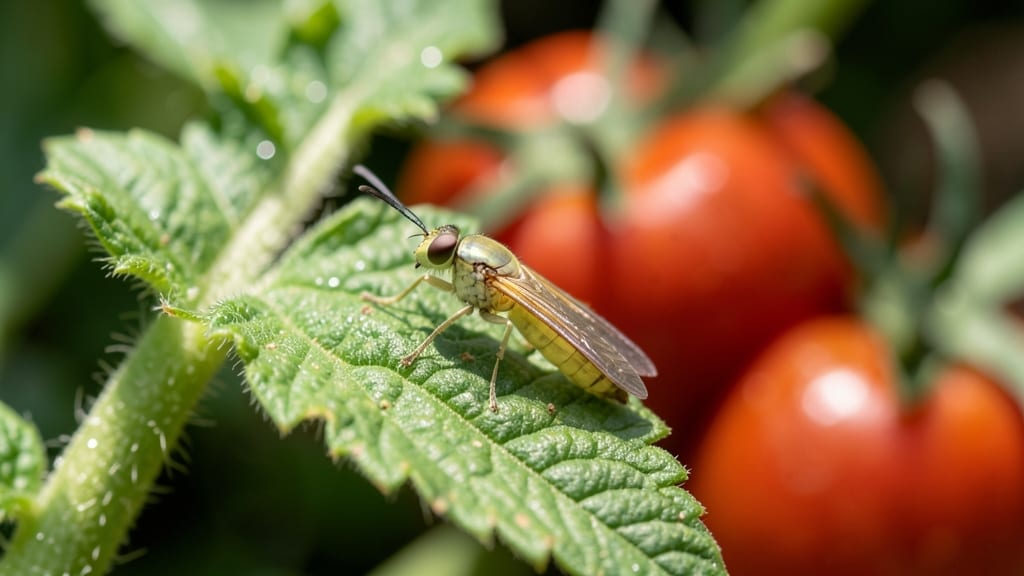
How to get rid of tomato worms naturally—tomato worms can turn your lush plants into skeleton leaves overnight—but diatomaceous earth creates a foolproof barrier that stops them in their tracks. 🌱 I’ve used this same method for five seasons, and my tomatoes now thrive without a single chewed leaf. The key? Applying the dust at the right time and keeping it dry. This approach works because diatomaceous earth (DE) is made of microscopic fossilized algae that slice through tomato worm skin, causing them to dehydrate. It’s safe for plants, pets, and kids once settled, but you’ll need to reapply after rain. A 1-pound bag covers about 100 square feet—plenty for most home gardens. By morning, you’ll notice fewer worms crawling up stems, and within a week, your plants will look like they’re under a protective shield. The best part? It’s a one-time setup that keeps working as long as you maintain it. Just avoid using it on windy days—it needs to stay put. Works for raised beds, containers, and in-ground gardens alike. Here’s exactly how to apply it without wasting a grain.
📚 In This Guide
- What you need
- Instructions
- Tips and common mistakes
- Wrapping up and next steps
What you need
- ● Food-grade diatomaceous earth (DE): 1–2 pounds (ensure it’s labeled "food-safe" and contains at least 80% silica). Look for brands like Safer Brand or Diatomaceous Earth for Gardens.
- ● Fine-mesh dust mask: 1–2 masks (N95 or better) to avoid inhaling DE particles while handling.
- ● Gloves: 1 pair (nitrile or rubber) to protect your skin from irritation.
- ○ Dusting tool or small hand sifter: 1 (optional but helpful for even application). A small paintbrush or old makeup brush works too!
- ○ Spray bottle (optional): 1 (8–16 oz) filled with water to lightly dampen soil before applying DE (helps it stick better).
- ● Garden hose or watering can: 1 (for reapplying DE after rain or watering).
- ● Tomato plants: Your existing crop! (Best applied to healthy, established plants with visible foliage and stems.)
- ● Neem oil (1% solution): 1–2 oz (mix with water and spray on plants before applying DE for added pest deterrence).
- ● Baking soda solution: 1 tsp baking soda + 1 quart water (spray on leaves to repel eggs and young worms).
- ● Row covers (floating fabric): 1–2 covers (lightweight, breathable fabric to physically block adult moths from laying eggs).
- ● Sticky traps (yellow or blue): 1–2 traps (place near plants to monitor moth activity).
How to create a diatomaceous earth barrier against tomato hornworms
This method works fast and keeps your plants safe without chemicals. Here's how I've protected my tomatoes for years.
🪴 Step 1: Gather Your Natural Defense Materials
You'll need food-grade diatomaceous earth (DE)—the key ingredient that kills hornworms by dehydrating them. Grab a 1-pound bag (enough for multiple treatments) and a fine-mesh dusting tool or small hand duster. I also keep a lightweight garden glove on hand to protect my skin from the fine powder.
Check the weather before applying—DE works best when dry. If rain is forecast within 24 hours, wait. The powder needs time to settle and form an effective barrier. I test the soil moisture first by squeezing a handful—if it crumbles easily, it's ready.
🌿 Step 2: Prepare Your Tomato Plants for Treatment
Start by gently examining your tomato plants for hornworms. Look under leaves and along stems—these pests are masters of camouflage. If you spot any, remove them immediately by hand and drop them into soapy water (this prevents them from laying more eggs).
Water your plants thoroughly the day before treatment. This ensures the DE sticks to the foliage better and creates a more effective barrier. I water in the early morning so the leaves have time to dry completely before applying the powder. Wet leaves make DE clump instead of forming a fine protective layer.
✂️ Step 3: Apply the Diatomaceous Earth Barrier
Put on your garden glove and carefully open the DE bag. Use the dusting tool to apply a thin, even layer over all plant surfaces—focus on leaves, stems, and the soil around the base. Avoid over-applying; a light dusting is all you need. Too much can harm beneficial insects and create a mess.
Pay special attention to the undersides of leaves and the soil surface near the plant. Hornworms often hide in these areas. I like to work in the early morning when the dew has evaporated but before the sun gets too intense. The powder should look like a fine, barely visible coating—not a thick layer that would smother your plants.
💧 Step 4: Maintain the Protection
Reapply DE every 5-7 days or after heavy rain. The powder breaks down over time and loses effectiveness when wet. I set a reminder on my phone to check my tomato plants weekly, especially during peak hornworm season (late spring to early summer).
Monitor your plants closely for signs of new hornworm activity. If you notice fresh damage, apply another light layer immediately. The key is consistency—DE doesn't kill hornworms instantly, but it prevents them from establishing themselves on your plants. I've seen entire infestations disappear within a week of regular applications.
☀️ Step 5: Boost Defense with Companion Planting
While DE works wonders, I combine it with basil, marigolds, and dill planted nearby. These companions naturally repel hornworms and attract beneficial predators like parasitic wasps. Space your tomato plants 18-24 inches apart to allow airflow and make it harder for pests to hide.
Rotate your planting layout each season to disrupt hornworm egg-laying patterns. I also interplant with nasturtiums, which act as a trap crop—hornworms prefer them to tomatoes. This gives you an early warning system and reduces pressure on your main crop. The combination of DE and companion plants creates a nearly impenetrable defense system.
Tips & tricks for natural tomato hornworm control
Real talk: DE is your secret weapon against tomato hornworms, but these little details make all the difference between success and frustration.
Timing Secret: The 24-hour weather window before application is non-negotiable. I learned this the hard way after applying DE before an unexpected rainstorm—it washed away completely. Use a reliable weather app to track forecasts, and always check soil moisture by squeezing a handful. If it crumbles easily, the soil's ready. If it stays clumped, wait for drier conditions. This simple test saves hours of wasted effort.
Application Technique: When applying DE in Step 3, think "light dusting, not snowfall." Too much powder can harm beneficial insects like bees and ladybugs. I use a duster tool to create a barely visible coating—just enough to see the powder catch the light. Focus on undersides of leaves and soil surfaces where hornworms hide. Pro tip: Work in the early morning when dew has evaporated but before the sun gets intense. This timing helps the DE adhere properly without clumping.
Consistency is Key: The 5-7 day reapplication schedule in Step 4 is critical because DE loses effectiveness when exposed to moisture or sunlight over time. Set phone reminders for weekly checks, especially during peak hornworm season (late spring to early summer). I've seen entire infestations disappear within a week of consistent applications, but only when I stuck to this schedule religiously. The key is persistence—hornworms don't give up easily, and neither should you.
Companion Plant Strategy: While DE handles the immediate threat, the companion plants mentioned in Step 5 create a long-term defense system. Basil, marigolds, and dill don't just repel hornworms—they attract beneficial predators like parasitic wasps. I plant these in a circular pattern around my tomato plants, creating a natural barrier. The 18-24 inch spacing between tomato plants also helps by allowing airflow and making it harder for pests to hide. This layered approach gives you both immediate protection and long-term prevention.
Pro Tips for Get Rid Of Tomato Worms Naturally
- Real talk: DE is your secret weapon against tomato hornworms, but these little details make all the difference between success and frustration.
- Timing Secret: The 24-hour weather window before application is non-negotiable.
- Application Technique: When applying DE in Step 3, think "light dusting, not snowfall."
Frequently asked questions
Got questions about tackling tomato worms naturally?
You’re not alone! Here are some of the most common concerns—and straightforward answers to help you keep your garden thriving.
What’s the best time of day to apply diatomaceous earth (DE) for tomato worms?
Apply DE in the early morning or late evening when humidity is low and pests are most active. Avoid windy days—DE works best when it can cling to leaves and stems. Reapply after rain or watering, as moisture washes it away.
How long does it take for diatomaceous earth to kill tomato worms?
DE kills tomato worms within 48–72 hours of contact, but results vary based on humidity and worm size. Smaller larvae die faster. Check plants daily and reapply DE if you spot new eggs or worms after a week.
Can I use diatomaceous earth on my entire garden, or just tomatoes?
DE is safe for most plants (including veggies, herbs, and flowers) but avoid applying it to beneficial insects like bees or ladybugs. Spot-treat tomato plants and nearby soil, and keep DE away from water sources or hives.
What if tomato worms keep coming back after I treat them?
Persistent worms often mean new eggs are hatching. Handpick adults daily, remove fallen leaves (where eggs hide), and apply DE preventatively every 5–7 days. Companion planting (like basil or marigolds) can also deter future infestations.
Is diatomaceous earth safe for pets or kids if used in the garden?
Food-grade DE is non-toxic but can irritate lungs if inhaled. Wear a mask when applying, and keep pets/kids away from treated areas until dust settles. Always use food-safe DE labeled for organic gardening.
Wrapping up and next steps
You don’t need harsh chemicals to protect your tomato plants—just a few natural, effective strategies! By using diatomaceous earth, neem oil, or handpicking, you can keep tomato worms at bay while staying eco-friendly. Start small, stay consistent, and soon your garden will thrive worm-free!
Ready to take action? Pick one method today and monitor your plants weekly. Your tomatoes—and your peace of mind—will thank you! 🌱💪