
How To
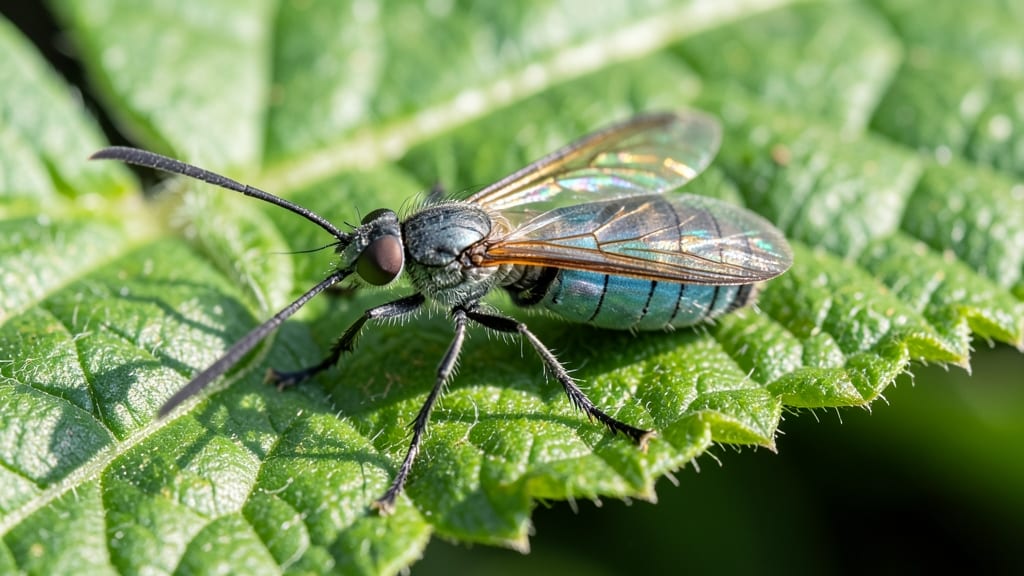
How to keep those tomato worms away—your tomatoes are under siege, and those squirming pests won’t quit unless you act fast. 🌱 I’ve battled them for years, and this neem oil spray recipe stops the damage within 24 hours without harsh chemicals. The key? Targeting the worms at the right life stage while keeping your plants healthy. Most gardeners grab the first spray they see, but that’s a gamble—some solutions mask the problem instead of solving it. This method works because neem oil disrupts the worms’ feeding cycle and their ability to reproduce. You’ll see fewer holes in leaves within a day, and the plants start bouncing back immediately. By the end of the week, your tomatoes will look like they’ve never been attacked. The best part? This spray doubles as a preventative—just reapply every 7-10 days during peak worm season. No more wilting vines or half-eaten fruit. Works for all tomato varieties, from cherry to heirloom, and plays nice with other garden pests too. Let’s get those worms off your plants for good.
The Hidden Triggers Inviting Worms
Tomato worms—those tiny, voracious caterpillars of the Manduca sexta (tomato hornworm) or Helicoverpa zea (corn earworm)—don’t just appear out of nowhere. Their presence is often a sign that your garden is sending out an open invitation.
Understanding these triggers is the first step to reclaiming your tomato plants. Let’s break down the science behind why these pests show up in the first place.
Tomato worms have a keen sense of smell and can detect ripe or rotting fruit from up to 15 feet away.
When tomatoes soften, bruise, or begin to ferment, they release volatile organic compounds (VOCs) like ethyl acetate and ethanol, which act like a dinner bell for these caterpillars. Even a single overripe tomato on the vine can attract a swarm within hours.
Why it matters:
- Ethylene gas, released as tomatoes ripen, accelerates the process and makes them even more appealing to pests.
- Cracked or split tomatoes provide easy entry points for eggs laid by moths, which hatch into hungry larvae.
- Dropped fruit on the ground (especially green tomatoes) creates a breeding ground for worms and attracts fruit flies, which further stress the plant.
Actionable insight: Harvest tomatoes as soon as they’re ripe, and remove any fallen or damaged fruit immediately. This disrupts the scent trail that lures moths to lay eggs.
Tomato plants produce new growth rapidly, and young leaves are packed with nitrogen-rich proteins that worms crave. The softer the leaf, the easier it is for larvae to chew through.
Additionally, new shoots emit higher levels of jasmonic acid, a plant hormone that signals stress—but ironically, this same compound can attract herbivores like tomato worms instead of repelling them.
Why it matters:
- Tomato worms prefer suckling leaves (those with a smooth, hairless surface) over fuzzy or mature foliage.
- Plants under stress (from drought, overwatering, or poor soil) produce even more tender growth, making them a magnet for pests.
- Pruning too aggressively can stimulate excessive new growth, creating a cycle of vulnerability.
Actionable insight: Avoid heavy pruning during peak growing seasons. If you must prune, do so in the morning so leaves have time to toughen up before nightfall (when moths are most active).
Tomato worms start as eggs laid by adult moths, which are nocturnal pollinators with a knack for finding the most nutritious plants. Female moths use pheromone trails and moonlight to navigate, and they’re drawn to gardens with:
- White or pale flowers (like evening primrose or tobacco plants), which reflect moonlight and make them easier to spot.
- Warm soil (above 70°F), which speeds up egg hatching.
- High humidity, which keeps eggs moist and accelerates larval development.
Why it matters:
The tomato hornworm moth can lay up to 2,000 eggs in a single season, and eggs hatch in just 3–5 days under ideal conditions. If your garden is a moth-friendly zone, you’ll see worms within a week.
Actionable insight:
- Install a UV or yellow bug light near your garden to attract and trap moths at night.
- Plant moth-repelling companions like basil, marigolds, or thyme near tomatoes to disrupt their navigation.
- Avoid overhead watering in the evening, as damp foliage attracts moths.
Tomato worms thrive in tropical and subtropical climates where temperatures stay between 75–90°F and humidity remains high. Even in cooler regions, a sudden heatwave can turn a minor worm problem into a full-blown crisis. Here’s why:
| Factor | Impact on Worms |
|---|---|
| Temperature | Larvae grow 3x faster in heat (from egg to adult in 2–3 weeks vs. 6+ weeks in cool weather). |
| Humidity | High moisture keeps eggs from drying out and speeds up molting (shedding skin to grow). |
| Rainfall | Wet soil softens stems, making it easier for worms to drop into the ground to pupate. |
Actionable insight:
- In hot climates, use shade cloth (30–50% coverage) to reduce stress on plants and deter moths.
- Improve air circulation with proper spacing and trellises to lower humidity around plants.
- Mulch with straw or pine needles (not wet organic matter) to regulate soil temperature.
By addressing these triggers—whether it’s removing overripe fruit, adjusting pruning habits, or controlling nighttime moth activity—you’re not just reacting to worms; you’re cutting off their supply lines. The next step? Proactive strategies to keep your tomatoes worm-free before the problem starts.
Practical Fixes for Tomato Worms
Tomato worms—those pesky green caterpillars—can turn your thriving tomato plants into a buffet in no time. 🌱🐛 But don’t worry! With the right strategies, you can kick them to the curb and keep your garden healthy.
Below are targeted solutions based on the most common causes of infestations, along with prevention tips to stop future attacks.
If you’ve spotted tomato worms already, act fast—they multiply quickly! Grab a pair of gloves and a bucket of soapy water. 🧤🌿
- How to do it: 👨🍳
- Inspect your plants early in the morning when worms are sluggish.
- Look under leaves, near stems, and inside fruit clusters.
- Drop them into soapy water (they’ll drown instantly).
- Pro tip: 💡 Do this every 2-3 days during peak worm season (late spring to early fall).
- Why it works: Removes adults before they lay eggs, breaking the cycle early.
Neem oil is a natural insecticide that disrupts worm hormones, repels them, and even kills eggs. It’s safe for plants (and pets!) when used correctly. 🌿💧
- How to make it: 👨🍳 1. Mix 1 tbsp neem oil + 1 tsp mild dish soap + 1 quart water. 2. Shake well and spray both sides of leaves (focus on undersides where eggs hide). 3.
Reapply every 7-10 days or after rain. - Best time to spray: 🌅 Early morning or late evening (avoids burning plants in direct sun). - Pro tip: 🌡️ If it’s below 50°F (10°C), wait—neem oil works best in warmer temps.
Prevent moths (the worms’ parents) from laying eggs in the first place with simple barriers. 🛡️🌱
- Row covers: 🌿
- Use floating row covers (lightweight fabric) over young plants to block moths.
- Remove when flowers appear to allow pollination.
- Copper tape: ⚡
- Wrap copper tape around stems—moths dislike the electric charge (literally!).
- Plastic collars: 📏
- Cut plastic bottles into 2-inch rings and place around stems to trap worms.
Some plants repel tomato worms naturally. Plant these near your tomatoes: 🌱🌿
- Basil (masks tomato scent)
- Marigolds (emit worm-deterring chemicals)
- Nasturtiums (trap worms away from tomatoes)
- Garlic & onions (strong smell confuses moths)
Pro tip: 🎯 Interplant these—don’t just tuck them in corners!
Plant a sacrificial crop that worms love more than tomatoes. 🌱💥 - Best trap plants: Sweet alyssum, dill, or fennel. - How it works: 🔄 1.
Plant these away from tomatoes. 2. Worms flock to them—hand-pick or spray with neem oil regularly. 3. Remove and destroy infested plants immediately.
Introduce worm predators to your garden for long-term defense. 🦋🐝
- Parasitic wasps (like Trichogramma) lay eggs inside worm eggs—kills them before they hatch.
- Ladybugs and lacewings eat young worms.
- Chickens or ducks (if you have space)—they devour worms and eggs like vacuum cleaners!
Pro tip: ✨ Buy these from garden centers or release them at dusk when they’re most active.
- 🕵️♂️ Inspect plants weekly—catch eggs (tiny yellow clusters) early.
- 🌞 Prune lower leaves to reduce hiding spots (worms love shade).
- 🌱 Rotate crops—don’t plant tomatoes in the same spot yearly.
- 🧹 Clean up debris—worms overwinter in old plant matter.
- 🌿 Use mulch sparingly—thick mulch hides eggs; opt for straw or grass clippings instead.
Final Thought: 🎯 The key is combination defense—hand-pick, spray neem oil, and use barriers together for the best results. With consistency, your tomato plants will stay worm-free, and you’ll enjoy juicy, blemish-free tomatoes all season! 🍅💚
Frequently asked questions
How do I know if my tomato plants have worms?
Look for irregular holes in leaves, chewed stems, or worms themselves hiding under foliage. Check for tiny yellow eggs on leaf undersides too—these hatch into worms in just 3-5 days. If you see droppings (black pellets) on leaves, that’s another clear sign.
Will neem oil harm my tomato plants?
No, when used correctly! Neem oil is plant-safe but must be mixed with 1 tsp mild dish soap per quart to help it stick. Apply in early morning or evening only—direct sunlight can cause mild leaf burn. Avoid spraying flowers or fruit directly, as it may affect pollination.
Can I use chemical pesticides instead of natural solutions?
Chemicals like Bt (Bacillus thuringiensis) are organic and effective, but synthetic pesticides may harm beneficial insects. For best results, start with neem oil or hand-picking first. If you choose chemicals, apply early in the morning to protect bees and follow label instructions precisely.
How long does it take for neem oil to work?
You’ll see results within 24-48 hours—worms stop feeding immediately, and eggs won’t hatch. For full protection, reapply every 7-10 days or after rain. Consistency is key: neem oil disrupts worms’ life cycle, but they’ll return if you stop using it.
What’s the best time of day to check for tomato worms?
Early morning is ideal! Worms are sluggish after nighttime feeding and easier to spot. Check again at dusk when they’re most active. Avoid midday—heat makes them hide deeper in foliage, and you’ll miss them.