
How To
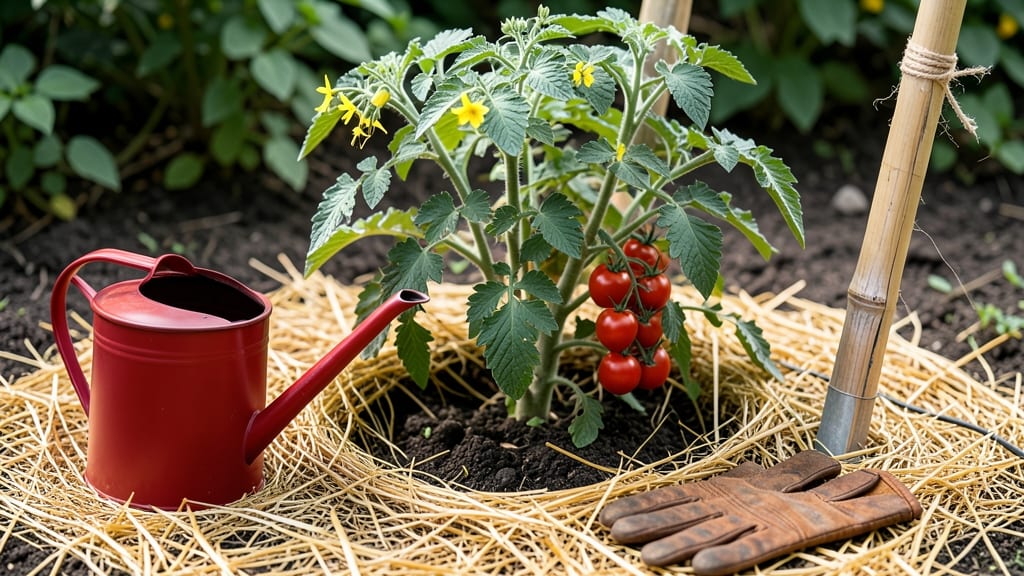
How to prevent tomato rot turns perfect tomatoes into shriveled, leathery messes overnight. 🌱 I’ve lost entire harvests to this sneaky problem—until I learned the two simple fixes that keep my tomatoes firm and juicy all season. The secret isn’t fancy; it’s calcium, airflow, and a watering routine that doesn’t drown your plants.
Most gardeners overlook the early warning signs: small, sunken spots on the blossom end that spread like a dark stain. It’s not always water—sometimes it’s a hidden nutrient deficiency or poor soil drainage.
My tomatoes now stay blemish-free because I test soil pH, add crushed eggshells at planting, and water deeply but infrequently. The difference is night and day.
You’ll see the first results in just 2-3 weeks—firm, flavorful tomatoes that ripen evenly without the telltale dark patches. The key is consistency: check soil moisture weekly, prune for better airflow, and rotate crops to starve fungal pathogens.
No more wasted harvests, just plump, sweet tomatoes from first fruit to last.
Works for backyard gardens, containers, and even greenhouse setups. Here’s how to diagnose the rot and fix it before it ruins your season.
The Hidden Causes of Tomato Spoilage
Tomatoes are delicate powerhouses—packed with nutrients but surprisingly fragile when it comes to rot. Understanding why they spoil is the first step to keeping your harvest fresh and vibrant. Let’s break down the science behind the most common culprits.
Tomatoes don’t ripen evenly, and this inconsistency is a breeding ground for rot. When a tomato stays on the vine too long—overripe—its cell walls break down, making it soft and prone to mold (like Botrytis cinerea, the fungus behind gray mold rot).
Conversely, underripe tomatoes lack the natural defenses of fully ripened fruit, so they’re more susceptible to bruising and bacterial infections.
Why it happens:
- Ethylene imbalance: Ethylene gas triggers ripening, but if tomatoes are harvested too early (green) or left too late (bursting), the balance tips. Overripe tomatoes produce too much ethylene, accelerating decay.
- Cell wall degradation: Pectin in tomato cell walls softens as they age. Overripe tomatoes lose structural integrity, inviting pathogens to feast on the exposed flesh.
- Sugar buildup: As tomatoes ripen, sugars concentrate. This creates a sticky, nutrient-rich environment that attracts mold spores and bacteria.
Tomatoes thrive on airflow, but crowded plants or high humidity turn them into rot magnets. Stagnant air traps moisture, creating the perfect conditions for Phytophthora (a water mold) and Alternaria (a leaf spot fungus).
Even stored tomatoes suffocate in sealed containers, leading to anaerobic (oxygen-deprived) conditions that produce off-gases like ethanol—speeding up decay.
Why it happens:
- Fungal spore spread: Humidity above 80% allows spores to germinate. Poor airflow lets them land and latch onto tomatoes without drying out.
- Surface moisture buildup: Water droplets on leaves or stems create entry points for pathogens. Tomatoes absorb moisture through their skin, diluting natural antimicrobial compounds.
- Temperature fluctuations: Hot days + cool nights = condensation. This "sweating" effect keeps tomatoes damp, mimicking a greenhouse for rot-causing microbes.
Tomatoes aren’t just rotting—they’re being outsmarted by microscopic invaders. Fungi like Fusarium and bacteria like Pseudomonas exploit weak spots (cuts, bruises, or natural openings like the stem scar) to infiltrate the fruit.
Why it happens:
| Pathogen | How It Attacks | Triggers |
|---|---|---|
| Botrytis cinerea (Gray Mold) | Produces enzymes that break down cell walls, turning tomatoes mushy and gray. | High humidity, wounded fruit, overcrowding. |
| Phytophthora infestans (Late Blight) | Thrives in wet conditions, causing brown, water-soaked lesions that spread rapidly. | Poor drainage, rain, contaminated soil. |
| Bacterial Soft Rot (Pectobacterium) | Releases toxins that liquefy tomato tissue, emitting a foul odor. | Physical damage, contaminated water, warm temperatures. |
Pro tip: 🔍 Check for signs early! Fungal spots start as tiny white or brown dots; bacterial rot often oozes a yellowish liquid. Act fast—once a tomato’s compromised, the whole batch can go in days.
A tomato plant under stress is like a fortress with cracks—pathogens walk right in. Nutrient deficiencies, pests, or disease in the plant itself weaken the tomatoes’ natural defenses.
Why it happens:
- Nitrogen deficiency: Leads to thin, weak cell walls. Tomatoes become easier to puncture (e.g., by hail or birds), inviting infections.
- Pest damage: Hornworms or aphids create entry wounds. Their saliva can even transmit viruses that stress the plant.
- Root rot: If the plant’s roots are drowning (from overwatering), it can’t transport nutrients or water efficiently. Tomatoes shrivel or develop blossom-end rot—a calcium deficiency that turns the bottom black and mushy.
Key insight: A healthy plant = healthier tomatoes. Focus on preventative care (balanced soil, pest control) to avoid starting the rot cycle.
Now that you know the why, the next step is the how. Stay tuned for actionable fixes—from airflow hacks to acid tests that’ll keep your tomatoes fresh for weeks!
Fixing Tomato Rot Step by Step
Tomato rot can strike fast, but with the right moves, you can rescue your plants—and future harvests. Below are practical, actionable fixes tailored to the most common causes, plus prevention tips to keep your tomatoes thriving. Let’s turn that mushy mess into a victory!
Problem: Soggy soil, waterlogged roots, or poor drainage lead to blossom-end rot (BER) or fungal rot. Tomatoes hate "wet feet"!
How to Fix It:
- 🔥 Stop watering immediately if the soil is already damp. Let it dry out for 1–2 days before resuming.
- 👨🍳 Adjust your watering routine: Water deeply once every 5–7 days (depending on climate) instead of daily shallow sprinkles. Aim for 1–1.5 inches per week.
- 🥘 Upgrade your soil: Amend heavy clay or compacted soil with compost, perlite, or coconut coir to improve drainage. A quick test: Grab a handful—if it clumps like Play-Doh, it’s too dense!
- ⏰ Time it right: Water early in the morning (6–9 AM) so foliage dries by evening, reducing fungal risks.
💡 Pro Tip: Use a moisture meter or the "squeeze test" (grab soil—if it crumbles easily, it’s dry enough).
Problem: Blossom-end rot (BER) often stems from calcium deficiency, worsened by uneven pH or over-fertilizing with nitrogen.
How to Fix It:
- 🔪 Prune affected fruit: Snip off rotting tomatoes to redirect the plant’s energy to healthy growth.
- 🍳 Boost calcium fast: Sprinkle crushed eggshells, oyster shell grit, or gypsum around the base (avoid direct contact with stems). For a quick fix, foliar spray with a calcium nitrate solution (1 tsp per gallon of water).
- 🌡️ Check your pH: Tomatoes thrive in 6.0–6.8 pH. Test your soil with a kit, and adjust with lime (to raise pH) or sulfur (to lower pH) if needed.
- 🎯 Fertilize smarter: Switch to a balanced fertilizer (e.g., 10-10-10) or a low-nitrogen, high-calcium option like bone meal. Avoid heavy nitrogen feeds during fruiting.
✨ Prevention Hack: Add 1–2 tbsp of crushed eggshells per plant at planting time for a slow-release calcium boost.
Problem: Gray mold, early blight, or late blight turn tomatoes into a slimy disaster. Fungi love humidity and crowded plants.
How to Fix It:
- 🔥 Remove infected plants or fruit immediately—don’t compost them! Bag and trash them to prevent spores from spreading.
- 👨🍳 Thin out plants: Space tomatoes 18–24 inches apart for airflow. If growing in containers, ensure they’re not packed like sardines.
- 🥘 Spray with fungicide: Use copper fungicide, neem oil, or a baking soda spray (1 tsp baking soda + 1 quart water + a drop of dish soap) every 7–10 days for prevention.
- ⏰ Water at the base: Avoid wetting leaves, especially in the evening. Use a soaker hose or drip irrigation to keep foliage dry.
💡 Pro Tip: Mulch with straw or grass clippings to keep soil moist (reducing stress) while preventing splashing spores onto leaves.
Problem: Temperature swings (below 50°F or above 90°F) weaken tomatoes, making them prone to rot.
How to Fix It:
- 🔥 For heat stress: Provide shade cloth (30–50%) during peak afternoon sun. Mulch with straw or black plastic to keep roots cool.
- 🍳 For cold stress: Cover plants with frost blankets if nights dip below 55°F. Move potted tomatoes to a sheltered spot.
- 🌡️ Harden off seedlings: Gradually expose young plants to outdoor conditions over 7–10 days before transplanting to avoid shock.
✨ Prevention Hack: Choose heat-tolerant varieties like ‘Solar Fire’ or ‘Heatmaster’ for hot climates.
Problem: Bugs like aphids, hornworms, or spider mites damage plants, making them vulnerable to rot.
How to Fix It:
- 🔪 Handpick pests: Check leaves daily for tomato hornworms (squish or drop in soapy water).
- 🍳 Use row covers: Lightweight fabric keeps pests out while allowing sunlight and water through.
- 🥘 Spray with soapy water: Mix 1 tbsp mild soap per gallon of water and spray affected areas.
- 🎯 Encourage predators: Plant marigolds, basil, or dill nearby to attract ladybugs and lacewings.
💡 Pro Tip: Neem oil (1 tsp per quart of water) deters pests and prevents fungal growth—spray in the evening.
Keep rot at bay with these game-changing habits:
- 🌱 Start with healthy soil: Mix in compost and aged manure before planting.
- 🍅 Choose resistant varieties: Look for disease-resistant tags (e.g., ‘Celebrity’ for cracking resistance).
- 🌡️ Monitor weather: Use a plant thermometer to track temperature swings.
- 🔄 Rotate crops: Avoid planting tomatoes in the same spot yearly to prevent soil-borne diseases.
- 🧼 Sterilize tools: Clean pruners with rubbing alcohol between plants to avoid spreading pathogens.
Final Thought: Tomato rot is beatable—it just takes consistency and quick action. Start with the fixes above, then lock in prevention for a bountiful, rot-free harvest! 🍅💪
Frequently asked questions
Why do my tomatoes develop black spots at the blossom end?
This is classic blossom-end rot, caused by calcium deficiency—often from uneven watering or poor soil drainage. The plant can't absorb enough calcium to strengthen cell walls. Fix it by adding crushed eggshells or using a calcium-rich fertilizer, and water consistently (never letting soil dry completely between waterings).
Can I still eat tomatoes that show early signs of rot?
Cut out only the rotted portion if it's small and the rest of the tomato is firm. For fungal issues like gray mold, discard the whole tomato—fungi spread quickly. With bacterial rot (soft, mushy spots), toss it immediately to prevent contamination of other produce.
How often should I prune my tomato plants to prevent rot?
Prune every 2-3 weeks during growing season to improve airflow and reduce humidity around fruit. Remove suckers (side shoots) and lower leaves touching soil. Leave 18-24 inches between plants for best circulation—crowding traps moisture that fuels rot-causing pathogens.
Is there a quick test to check if my soil has enough calcium?
Yes! Do the vinegar test: Mix equal parts vinegar and water, pour into a cup of soil. If it fizzes vigorously, your soil has enough calcium. No fizz? Add crushed eggshells or gypsum. For a faster fix, spray leaves with diluted calcium nitrate solution (1 tsp per gallon of water) every 2 weeks.
What's the best way to store harvested tomatoes to prevent spoilage?
Store at room temperature (55-75°F) in a single layer with good airflow—never in the fridge! Use a wooden crate or paper bags for ventilation. Ripen green tomatoes in a paper bag with a banana (ethylene gas speeds ripening), then move to a cool, dry spot once ripe.