
Plants
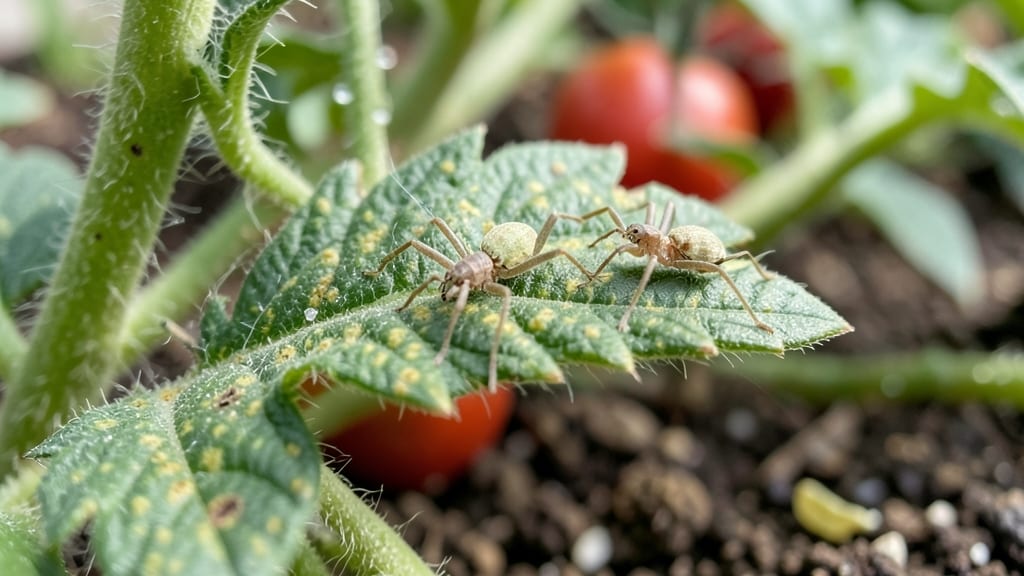
Spider mites on tomato plants turn lush green leaves into dusty yellow skeletons faster than you can say "harvest." 🌿 I’ve watched my thriving plants go from vibrant to struggling in days—until I learned these three organic fixes that actually work.
The key isn’t just killing mites but restoring balance to your plants without toxic sprays.
These tiny pests thrive in dry, dusty conditions, which is why they often strike during hot summers or when you’re not watering enough. The first sign? Tiny white specks on leaves and a faint webbing—like a spider’s invisible net.
Most store-bought pesticides miss the mark because they don’t address the root cause: stressed plants and disrupted ecosystems.
With the right approach, you’ll see new growth within 7-10 days, and your tomatoes will bounce back stronger. No more wilting leaves or stunted fruit—just healthy, productive plants that keep yielding all season. The best part? These methods work for other garden plants too.
Whether you’re dealing with a small outbreak or a full-blown infestation, these steps will get your tomato plants back on track without harming your soil or future harvests. Let’s turn that crisis into a comeback story.
Hidden Triggers Inviting Spider Mites
Spider mites don’t just randomly attack tomato plants—they’re drawn by specific conditions that turn your garden into a five-star resort. Understanding these triggers is the first step to outsmarting them. Let’s break down the real reasons these tiny pests show up, so you can eliminate their welcome mat.
Spider mites thrive in hot, dry environments. When temperatures climb above 85°F (29°C), these pests become hyperactive, reproducing at alarming rates. Their bodies are tiny (about 0.5mm wide), so they lose moisture quickly in arid conditions.
Tomato plants under stress—like those wilting from heat—emit volatile organic compounds (VOCs) that signal distress, making them even more attractive to mites.
Why it matters:
- Heat accelerates their lifecycle—egg to adult in just 5–7 days.
- Low humidity (40% or below) weakens plant defenses.
- Drought-stressed plants produce less sap, a primary food source for mites.
Actionable fix: 💡 Mulch around tomato plants to retain soil moisture. 💡 Use shade cloth (30–50%) during peak afternoon heat. 💡 Install a mist system or group plants to create microclimates with higher humidity.
Spider mites love weak hosts. When tomato plants are overcrowded, nutrient-deficient, or diseased, their leaves become easier targets. Mites prefer new growth and undersides of leaves, where they can feed undisturbed.
Overwatering or poor drainage also creates stagnant, anaerobic soil, which stresses roots and signals mites that the plant is vulnerable.
Why it matters:
- Stressed plants produce less chlorophyll, making leaves lighter green or yellow—a mites’ dream.
- Crowded plants trapped heat and humidity, creating ideal breeding grounds.
- Fungal or bacterial infections (like early blight) weaken plants, making them more attractive to mites.
Actionable fix: 💡 Prune plants for airflow—aim for 12–18 inches between plants. 💡 Fertilize with compost tea or a balanced organic fertilizer (5-5-5) to boost resilience. 💡 Rotate crops annually to prevent soil-borne stress.
Spider mites don’t always arrive on their own—they hitchhike. They can:
- Overwinter in garden debris, weeds, or nearby plants (like peppers or eggplants).
- Blow in on wind currents, especially from dusty or infested areas.
- Travel on tools, clothing, or even your hands after working in another garden.
Why it matters:
Mites are explosive colonizers. A single female can lay 200+ eggs in her lifetime, and if she arrives via wind or tools, your entire tomato patch could be infested within weeks.
Actionable fix: 💡 Scout regularly—check undersides of leaves and new growth with a 10x magnifying glass. 💡 Quarantine new plants for 2 weeks before introducing them to your garden. 💡 Clean tools with rubbing alcohol between garden sessions.
Ironically, synthetic pesticides often worsen spider mite infestations. These pests have developed resistance to many broad-spectrum insecticides (like pyrethroids), and when you kill off their natural predators—such as lacewings, ladybugs, or predatory mites—the mites reproduce unchecked.
Why it matters:
- Pesticides disrupt the food web, leaving mites as the only survivors.
- Mites evolve quickly—some populations are now resistant to neonicotinoids.
- Chemicals can burn plant leaves, making them more susceptible to mite feeding.
Actionable fix: 💡 Switch to organic sprays like neem oil, horticultural oil, or insecticidal soap (applied early in the morning to avoid harming bees). 💡 Encourage beneficial insects by planting dill, fennel, or marigolds nearby. 💡 Avoid over-spraying—focus on direct treatment of infested areas.
Now that you know why spider mites crash your tomato party, the next step is how to evict them—without chemicals. Stay tuned for our 3-step organic rescue plan!
Quick Fixes for Tiny Tomato Troubles
Spider mites might be microscopic, but their damage isn’t—so don’t let them spin their webs on your tomato plants! The good news? You can tackle these pests organically with targeted solutions that work fast.
Below, we’ve mapped out the most effective fixes based on the root cause of your infestation, plus prevention tips to keep your tomatoes thriving.
If your tomato plants are already struggling from poor spacing, drought, or nutrient deficiencies, spider mites will move in like uninvited guests. Fix the environment, and you’ll make your plants less appealing to these pests.
🌱 Step 1: Prune for Better Airflow
Spider mites love hiding in dense foliage where humidity lingers. Thin out crowded branches to improve airflow—this helps leaves dry faster and deters mites.
- 🔪 Snip away 10-20% of leaves (especially older, yellowing ones).
- 🌿 Remove suckers (the small shoots between stems and leaves) to reduce hiding spots.
- ⏰ Do this in the early morning so plants recover by afternoon.
💦 Step 2: Hydrate Deeply (But Not Too Much!)
Spider mites thrive in dry conditions, so consistent watering keeps them at bay. However, overwatering can cause root rot, so aim for deep, infrequent watering at the base of the plant.
- 🌱 Water early in the day (6–8 AM) to let foliage dry before nightfall.
- 📏 Use a soaker hose or drip irrigation to avoid wetting leaves.
- 🌡️ Check soil moisture—stick your finger 1 inch deep. If dry, water; if damp, wait.
🍽️ Step 3: Feed for Strength
Healthy plants resist pests naturally. If your tomatoes are nutrient-deficient (especially nitrogen or potassium), they’ll attract mites.
- 🥬 Use a balanced organic fertilizer (like 5-5-5 or compost tea) every 2–3 weeks.
- 🍅 For flowering/fruiting stages, switch to a low-nitrogen, high-phosphorus feed (e.g., bone meal).
- 🌿 Top-dress with compost or worm castings for slow-release nutrients.
If you’ve spotted fine webbing, stippled leaves, or tiny moving dots, it’s time for direct action. These methods kill mites on contact without harsh chemicals.
🚿 Blast Them Off with Water
Spider mites hate water pressure—it washes them away and disrupts their webs.
- 💦 Use a hose with a gentle spray nozzle (or a plant mister) to drench the undersides of leaves (their favorite hiding spot!).
- 🌧️ Do this every 2–3 days for a week to break their life cycle.
- ⏰ Best time: Morning or evening to avoid scorching leaves in the sun.
🍋 DIY Sprays That Pack a Punch
Mix these in a 1-gallon spray bottle and apply until leaves glisten. Reapply every 5–7 days until mites disappear.
| Solution | How to Make It | Why It Works |
|---|---|---|
| Neem Oil Spray | 1 tbsp neem oil + 1 tsp mild soap (like Castile) + 1 quart water. Shake well. | Disrupts mites’ feeding and reproduction. Safe for all plant stages. |
| Garlic Pepper Spray | Blend 2 cloves garlic + 1 tsp cayenne pepper + 1 quart water. Strain and add 1 tsp soap. | Garlic repels mites; pepper burns their bodies. Strong smell fades quickly. |
| Soap Spray | 1 tbsp mild liquid soap (like Dr. Bronner’s) + 1 quart water. | Soap suffocates mites by breaking their waxy coating. Test on a few leaves first! |
🐝 Introduce Beneficial Predators
Nature’s pest control is free and effective. Release these mites’ natural enemies near your plants:
- 🕸️ Predatory mites (Phytoseiulus persimilis): Hunt spider mites 24/7. Buy online or from garden centers.
- 🐞 Ladybugs: Release them in the morning so they don’t fly away.
- 🕷️ Lacewings: Their larvae devour spider mites. Plant dill or fennel nearby to attract them.
An ounce of prevention is worth a pound of cure! Once your tomatoes are mite-free, lock in their defenses with these habits:
🌿 Year-Round Garden Hygiene
- 🧹 Clean up debris (fallen leaves, old plants) where mites overwinter.
- 🌱 Rotate crops—don’t plant tomatoes in the same spot yearly.
- 🌡️ Monitor humidity: Use a hygrometer to keep levels below 60%.
🌱 Companion Planting Tricks
Some plants repel spider mites naturally. Interplant tomatoes with:
- 🌿 Basil, marigolds, or nasturtiums (mask tomato scent, confuse mites).
- 🌻 Chives or garlic (release sulfur compounds mites dislike).
🔍 Weekly Inspections (Yes, Really!)
Catching mites early means no full-blown battle. Spend 5 minutes weekly checking:
- 🕷️ Undersides of leaves (use a magnifying glass if needed).
- 🌿 New growth (mites love tender leaves).
- 🕸️ Fine webbing (even a few strands mean action time!).
With these cause-specific fixes, your tomato plants will bounce back faster—and stay mite-free for the season. Pro tip: 💡 Act at the first sign of trouble—the sooner you intervene, the easier the cleanup!
Frequently asked questions
How do I know if my tomato plants have spider mites?
Look for tiny yellow or white specks on leaves (mite droppings), fine webbing between leaves, and stippled or discolored foliage. Use a 10x magnifying glass to spot the mites themselves—tiny red or yellow dots moving along leaf veins. Check undersides of leaves first, as that's where they hide.
Can I use regular dish soap to kill spider mites?
Only mild liquid soap (like Dr. Bronner's) works—regular dish soap can damage plant leaves. Mix 1 tablespoon with 1 quart water and spray until leaves glisten. Reapply every 5-7 days for 2 weeks to break their life cycle. Always test on a small leaf first!
Why do spider mites keep coming back after treatment?
Mites often return because their eggs survive treatments or new ones arrive from nearby plants. Focus on prevention: improve airflow, maintain proper humidity (50-60%), and introduce beneficial predators like ladybugs. Treat all nearby plants simultaneously to prevent reinfestation.
Are spider mites harmful to humans or pets?
No, spider mites are plant pests only—they don't bite humans or pets. However, their webbing can irritate sensitive skin if handled directly. Always wear gloves when pruning infested plants and wash hands afterward. The real danger is to your tomato plants, which can become severely stressed if the infestation isn't controlled.
Can I save my tomato plants if they're already heavily infested?
Yes, but act fast! Remove all heavily infested leaves immediately and apply neem oil or horticultural oil (follow label instructions). For severe cases, consider pruning back 30-50% of the plant to remove hiding spots. With consistent care, most plants recover within 2-3 weeks, though you may lose some fruit during the recovery period.