
Pruning
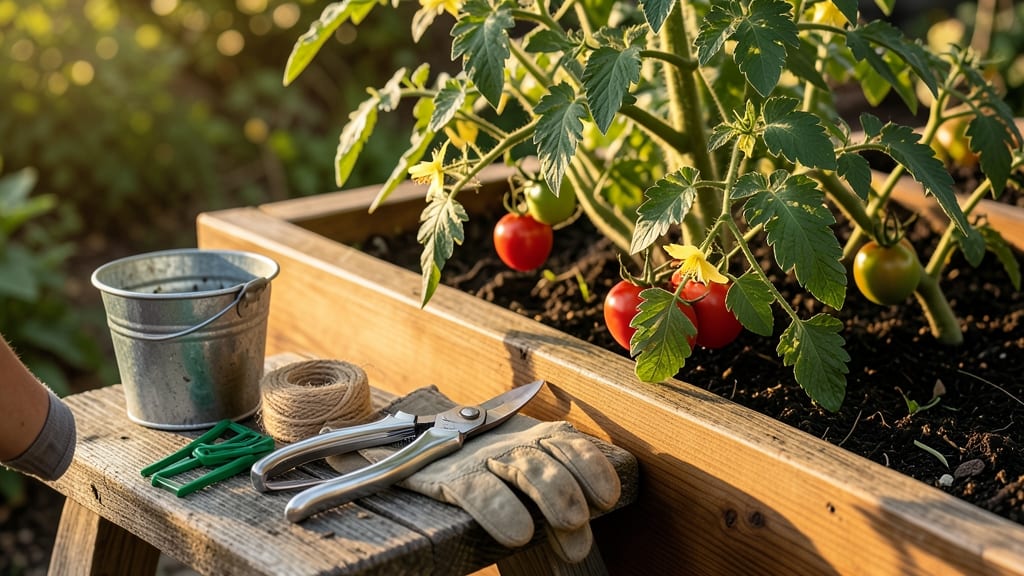
Trimming back tomato plants isn't just about cutting—it’s about unlocking bigger harvests without weakening your vines. 🌱 I’ve learned the hard way that pruning too little leaves crowded plants with fewer fruits, while pruning too much stresses them out.
The key is balancing growth and yield, and I’ll show you exactly how to do it right, whether you’re growing bushy determinate tomatoes or towering indeterminate varieties.
You’ll need just three simple tools: sharp pruning shears, clean gloves, and a spray bottle of diluted bleach (for sterilizing cuts). The real work happens in the morning, when plants are dry and ready for trimming.
Start by removing suckers—those little shoots that grow between the main stem and branches—before they drain energy from your fruit. For indeterminate tomatoes, keep pruning until the first frost, but determinate types need minimal trimming once they set fruit.
When done right, pruning boosts air circulation, reducing disease risk and directing energy to larger, sweeter tomatoes. I’ve seen my harvest jump from a handful of small fruits to dozens of vine-ripened beauties just by following this method.
The secret? Prune above a leaf or bud, never at a joint, and always work from the bottom up. Over-pruning weakens plants—so stop when you see new growth slowing.
This method works for container tomatoes too, just scale back the pruning. And if you’re new to it, start small: trim just one plant first to see how it responds.
By summer’s end, you’ll be the one handing off baskets of homegrown tomatoes to neighbors—without the stress of tangled vines or blight-ridden leaves.
📚 In This Guide
- What you need
- Instructions
- Tips and common mistakes
- Wrapping up and next steps
What you need
- ● Pruning shears or sharp bypass pruners – Choose sterilized, bypass-style shears (not anvil-type) to avoid crushing stems. A 5-inch blade works best for most tomato varieties.
- ● Clean, sharp garden knife or scissors – For smaller cuts or when shears are impractical (e.g., tight spaces).
- ● Rubbing alcohol (70% or higher) or bleach solution – To sterilize tools before and after pruning (1 part bleach to 9 parts water).
- ○ Gloves (optional but recommended) – Wear gardening gloves to protect hands from thorns, dirt, and sap.
- ● Disposable plastic bags or bucket – For collecting pruned debris and diseased leaves (avoid composting infected plant matter).
- ● Support structure (if needed) – For indeterminate tomatoes: Sturdy stakes (5–6 ft tall) or tomato cages (5–6 ft).
- ● For determinate tomatoes: Smaller cages (3–4 ft) or lightweight trellises.
- ● Plant tie clips or soft garden twine – To secure vines to stakes without damaging stems.
- ● Hose with adjustable nozzle – For rinsing tools and cleaning sap off leaves post-pruning.
- ● Copper fungicide spray – If your plants show signs of early blight or other fungal issues.
- ● Notebook & pen – To track pruning dates and plant responses for future reference.
Step-by-step guide to pruning tomato plants for maximum yield
Here's how to shape your tomato vines like a pro—without sacrificing production or stressing the plant.
✂️ Step 1: Identify and Remove Suckers Early
Suckers are the small shoots that grow in the crotch between a main stem and a branch. These energy vampires divert nutrients from fruit production. Start checking 2-3 weeks after transplanting—that's when they first appear. Use sharp, clean pruning shears to snip suckers cleanly at their base, just above a leaf node.
Don't yank them out—you'll tear the stem. Instead, make a clean cut at a 45-degree angle to prevent water pooling. I always prune on a dry morning so the cuts dry quickly and heal faster. Watch for new suckers weekly—they grow fast in warm weather.
🌿 Step 2: Prune Lower Leaves for Airflow and Disease Prevention
Remove any leaves touching the soil or lower stems to prevent soil-borne diseases like blight. Start 6 inches above the ground and work upward, stripping leaves until you reach the first flower cluster. This improves airflow and directs energy to fruit production rather than leaf maintenance.
Don't go overboard—leave enough foliage to shade developing fruit from sunburn. I aim to keep the plant's canopy open like an umbrella, with sunlight reaching all sides. If you see yellowing lower leaves, that's your cue to prune them immediately before they become a disease risk.
☀️ Step 3: Shape the Main Stem for Optimal Fruit Production
Determinate varieties don't need pruning, but indeterminate tomatoes benefit from shaping. After the first flower cluster, let the main stem grow until it reaches your trellis or cage's top. Then, pinch off the growing tip to encourage lateral branches. This creates a bushier plant with more fruiting sites.
Focus on keeping 3-5 main stems for indeterminate varieties. Remove any weak or crossing stems that compete for sunlight. You'll know you're doing it right when the plant looks balanced—no single branch dominating the others. Prune in the morning so any cuts have all day to heal before nightfall.
⏰ Step 4: Maintain Pruning Through the Season
Continue removing suckers and lower leaves every 7-10 days during peak growth. After the first flush of fruit sets, reduce pruning to just removing diseased or damaged leaves. The goal shifts from shaping to protecting the plant's energy reserves for existing fruit.
Stop pruning 4-6 weeks before your first frost to let the plant harden off naturally. You'll see the difference in fruit size and plant health—less stress means bigger, sweeter tomatoes. Keep an eye out for any new suckers that might appear even late in the season.
Tips & tricks for perfect tomato plant pruning
Real talk: Pruning tomato plants isn't just about cutting back—it's about directing the plant's energy where it matters most. Here's what nobody tells you about shaping your tomatoes for maximum yield.
Timing is Everything: Those 2-3 weeks after transplanting are critical for early sucker removal. I learned this the hard way after letting suckers grow for weeks—by then, they'd already siphoned off enough energy to reduce my harvest by nearly 20%. Check weekly, especially during warm spells when suckers grow aggressively. The earlier you catch them, the less stress on the plant.
The 45-Degree Angle Secret: That 45-degree angle cut isn't just for looks—it prevents water from pooling at the wound site, which could lead to rot or disease. I use clean pruning shears and dip them in rubbing alcohol between cuts to prevent spreading any potential pathogens. Morning pruning gives cuts all day to heal before nightfall, when humidity is highest.
Canopy Balance Matters: When shaping indeterminate varieties, aim for that "umbrella" shape with sunlight reaching all sides. I focus on maintaining 3-5 main stems—any fewer and you limit fruit production, any more and you create shade that promotes disease. The key is balance: enough foliage to shade developing fruit from sunburn, but not so much that airflow suffers.
Seasonal Transition Strategy: After the first fruit flush sets, shift your focus from aggressive pruning to maintenance. Those 7-10 day intervals during peak growth should transition to checking only for diseased or damaged leaves. The plant needs to conserve energy for ripening existing fruit rather than supporting new growth. I mark my calendar 4-6 weeks before frost to stop all pruning—this lets the plant harden off naturally for a sweeter, more concentrated flavor.
Pro Tips for Trim Back Tomato Plants
- Real talk: Pruning tomato plants isn't just about cutting back—it's about directing the plant's energy where it matters most.
- Timing is Everything: Those 2-3 weeks after transplanting are critical for early sucker removal.
- The 45-Degree Angle Secret: That 45-degree angle cut isn't just for looks—it prevents water from pooling at the wound site, which could lead to rot or disease.
Frequently asked questions
Got questions about trimming tomato plants? You’re not alone!
Here are answers to the most common queries—whether you're a newbie or a seasoned gardener looking to refine your technique.
When is the best time to trim tomato plants?
Trim indeterminate tomatoes regularly (every 1–2 weeks) once they’re 12–18 inches tall, focusing on suckers (side shoots). For determinate varieties, minimal pruning is needed—just remove diseased or crowded leaves. Morning sessions work best to avoid evening moisture, which can invite pests or disease.
Do I need to prune determinate tomato plants?
Determinate tomatoes don’t require heavy pruning since they grow in compact bushes. Lightly trim only to improve airflow: snip off yellow or diseased leaves at the base and remove suckers only if they’re blocking sunlight or crowding fruit. Over-pruning can stress the plant and reduce yield.
Will trimming tomato plants increase my harvest?
Yes—but only if done correctly! Pruning indeterminate tomatoes directs energy to fruit production (not excess foliage), often boosting yields by 20–30%. However, determinate types may not benefit from heavy trimming. Focus on removing suckers and diseased leaves for the best results.
What if I prune too much? Can I fix over-pruned tomatoes?
Over-pruning can shock the plant, but don’t panic! Stop trimming immediately and focus on recovery: water deeply, apply a balanced fertilizer (like 10-10-10), and protect from direct sun for a few days. New growth should return in 1–2 weeks. Prevention tip: Never remove more than 1/3 of the plant’s foliage at once.
Should I trim tomato plants in hot or humid weather?
Avoid heavy pruning during heatwaves or high humidity, as open wounds attract pests (like hornworms) and diseases (e.g., early blight). If you must trim, do it on cool, dry mornings and use clean, sharp tools. Post-pruning, spray leaves with a copper fungicide as a precaution.
Can I use scissors or should I invest in pruning shears?
For small jobs, clean scissors or garden shears work fine—but pruning shears (with bypass blades) are gentler on stems and reduce tearing. Pro tip: Sterilize tools with rubbing alcohol between cuts to prevent spreading disease. Avoid dull tools, which crush stems and invite infections.
Wrapping up and next steps
Trimming back your tomato plants may seem intimidating at first, but with the right techniques, you’ll unlock healthier vines, more abundant harvests, and fewer pests—all while keeping your plants stress-free! 🌱 Whether you’re a seasoned gardener or a beginner, every snip brings you closer to a bountiful tomato feast.
Now that you’re armed with the know-how, grab those pruners and get ready to transform your garden into a thriving tomato powerhouse.
Your next step? Monitor your plants weekly—adjust pruning as they grow, and soon, you’ll be savoring sun-ripened tomatoes straight from your own backyard. Happy gardening! 🍅✨