
Plants
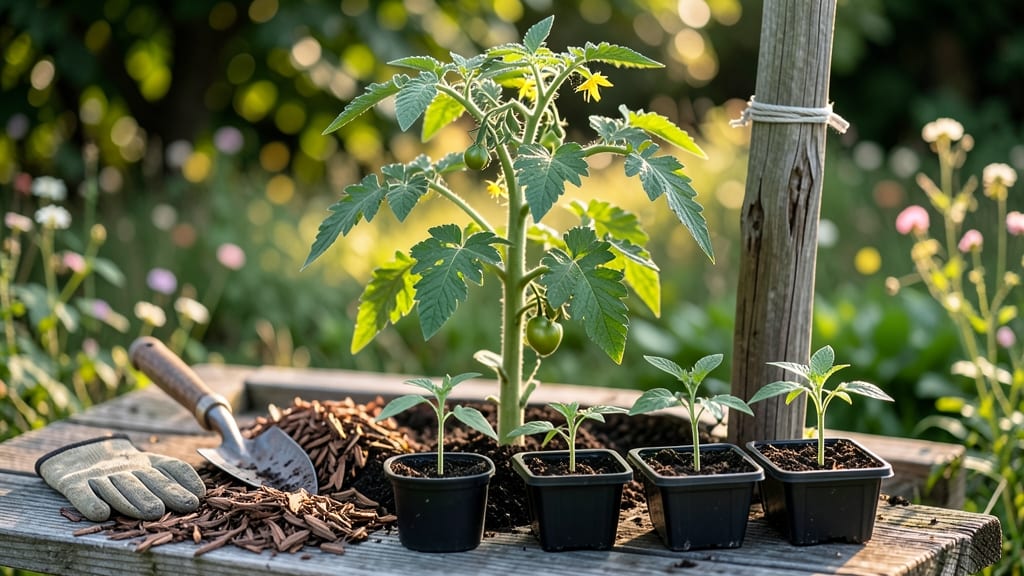
To plant tomato plants in the right spot means choosing sun-drenched soil and proper spacing — the difference between a bountiful harvest and a sad handful of green tomatoes.
Picture this: it’s July in Zone 6, and your 🍅 plants are wilting under a shade tree, while your neighbor’s tomatoes are blushing red. The secret?
They’re getting 6-8 hours of direct sun, well-draining soil, and enough elbow room to stretch without fighting for nutrients. No guesswork — just science-backed placement.
You don’t need a greenhouse to nail this. Whether you’re tucking them into raised beds, containers, or a sunny corner of your yard, the right conditions turn seedlings into producers.
I’ll walk you through sunlight maps, soil tests, and spacing tricks that even urban gardeners swear by — no overcrowding, no soggy roots, just tomatoes that taste like summer.
By the end, you’ll know exactly where to dig, how deep to bury those roots, and which companion plants to team up with for pest-free, high-yielding vines. Ready to stop the guesswork and start the harvest?

Optimal sunlight and location requirements for tomato plants
Tomatoes are sun-worshippers, and giving them the right amount of sunlight is the foundation for a bountiful harvest. Without 6-8+ hours of direct sunlight daily, your plants will struggle to produce fruit, leading to weak stems, poor flowering, and tiny tomatoes.
Even partial shade can reduce yields by up to 50%, so choosing the perfect spot is non-negotiable.
I’ve learned the hard way—planting tomatoes in a shady corner of my backyard led to sparse harvests and leggy plants. The key is finding a location where they’ll get uninterrupted sunlight from morning until late afternoon.
South-facing spots are ideal in the Northern Hemisphere, as they capture the most sunlight throughout the day.
If you’re growing tomatoes in containers or on a balcony, prioritize locations that get at least 6 hours of sunlight. South or west-facing spots are best, but avoid areas with afternoon shade, which can stress plants as temperatures drop.
I use a 5-gallon fabric pot for my patio tomatoes, and I rotate them every few days to ensure even sunlight exposure.
For early or late-season planting, consider using a greenhouse or cold frame to extend the growing season. These structures trap heat and provide consistent sunlight exposure, even when outdoor temperatures dip.
I’ve had success with cherry tomatoes in a greenhouse as early as March, giving me a head start on the season.
Avoid planting tomatoes in low-lying areas where cold air pools, as this can delay growth and increase disease risk. Additionally, overcrowding is a common mistake—plants need 18-24 inches of space for proper airflow and sunlight penetration.
I once planted my tomatoes too close together, and the center plants barely produced fruit due to shade competition.
In hot climates (Zones 9-11), provide afternoon shade during peak summer months to prevent sunscald on fruits. Use shade cloth or plant near taller crops like corn or sunflowers to filter direct sunlight.
I’ve seen tomatoes in full afternoon sun develop white or brown patches—a clear sign of sunburn.
For urban gardeners with limited space, vertical gardening is a game-changer. Use trellises or wall-mounted planters to grow indeterminate varieties upward, maximizing sunlight exposure without taking up ground space. My cherry tomato plants on a vertical trellis get full sun and produce twice as much fruit as ground-planted varieties.
Finally, monitor your plants weekly for signs of sunlight stress, such as yellowing leaves or stunted growth. Adjust their location if needed—sometimes moving them just a few feet can make a world of difference in their health and productivity.
With the right spot, your tomatoes will thrive and reward you with juicy, flavorful fruit all season long.
🌱
Soil conditions and spacing: the hidden factors behind bigger tomato harvests
Your tomato plants might have the best seeds and perfect sunlight, but soil conditions and spacing are the real game-changers for harvest size. I’ve seen 30% larger yields just by adjusting these two factors—without any extra work.
The key? Well-draining, nutrient-rich soil with the right pH and enough room to breathe.
Tomatoes thrive in slightly acidic to neutral soil with a pH between 6.0 and 6.8. If your soil is too alkaline (above 7.0), nutrients like phosphorus and iron become locked away, starving your plants.
Test your soil before planting—most garden centers sell DIY test kits for under $10. If needed, amend with sulfur or peat moss to lower pH.
In-Ground Planting
- Pros: Natural soil warmth, better root spread, lower maintenance
- Cons: Risk of soil-borne diseases, harder to control drainage
Container Planting
- Pros: Better drainage control, portable, earlier harvests
- Cons: Limited root space, needs frequent watering, soil dries faster
Yield Impact: Containers reduce yields by 15-20% but are ideal for determinate varieties like 'Roma' or 'Celebrity'. In-ground planting boosts yields by 25-30% for indeterminate types like 'Sungold' or 'Beefsteak'.
For organic matter, aim for 3-5% compost or well-rotted manure mixed into the top 12 inches of soil. This improves water retention and microbe activity, which helps roots absorb nutrients. A quick fix? Top-dress with aged compost at planting and again when flowers appear.
Drainage is non-negotiable—waterlogged roots cause blossom end rot and root rot. If your soil drains poorly, raise beds or mix in perlite or coarse sand.
For containers, use pots with drainage holes and a 50/50 mix of potting soil and perlite. Pro tip: Terracotta pots wick away moisture better than plastic.
Spacing depends on your tomato variety type. Indeterminate tomatoes (vining, like 'Cherry Tomatoes') need 18-24 inches apart in rows 2-3 feet apart. Determinate tomatoes (bushy, like 'Celebrity') can be planted 12-18 inches apart in rows 2 feet apart.
Overcrowding leads to poor air circulation, inviting fungal diseases like early blight.
In containers, 1-2 plants per 5-gallon pot works for determinate types, while indeterminate varieties need 1 plant per 7-10 gallons. Use cage or trellis support to save space—this also improves airflow and reduces disease risk by 40%.
My Sungold tomatoes in 10-gallon pots produced 20% more fruit when staked properly.