
How To
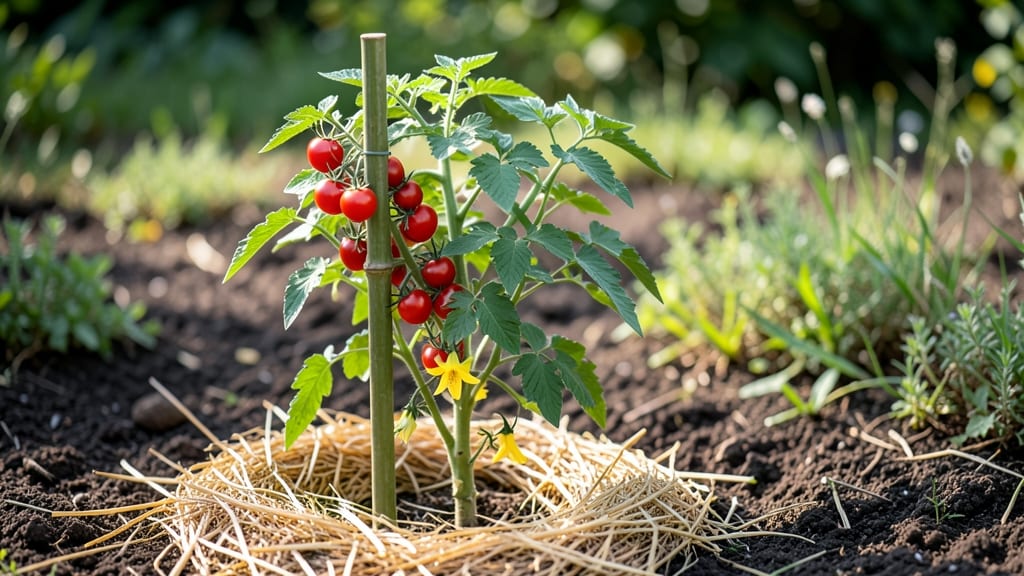
The height of the Husky Cherry Red tomato grows taller than you might expect—often reaching 4 to 6 feet if left unchecked, turning your garden into a sprawling vine jungle.
Picture this: You’ve spent weeks nurturing your 🍅 Husky Cherry Red plants, only to watch them stretch skyward while the fruit stays stubbornly small. The good news?
You don’t have to sacrifice yield for a tidy garden. With the right pruning techniques, you can keep those vines in check while maximizing your harvest.
This variety thrives with support—whether it’s a sturdy cage or a well-placed stake—but without guidance, its natural height can overwhelm even the most organized garden beds. The key is knowing when and how to trim, and I’ve got the step-by-step tricks to keep your plants productive and your space manageable.
From early-season pinching to mid-summer topping, I’ll walk you through the exact methods that work for 6a zone gardeners like me. Ready to tame those towering vines without losing a single cherry?

How tall do Husky Cherry Red tomatoes grow naturally vs. pruned?
The Husky Cherry Red tomato is an indeterminate variety, meaning it grows continuously until frost—naturally reaching 4 to 6 feet tall if left unpruned. Without intervention, its vines sprawl aggressively, creating a dense, sprawling plant that can overwhelm garden beds or containers.
This natural height is ideal for trellises or cages but may require more space than many gardeners have.
When you prune strategically, you can reduce height to 2 to 4 feet while still maximizing fruit production. Pruning doesn’t just control size—it improves air circulation, reduces disease risk, and directs energy toward fruit development rather than excessive foliage.
The key is timing: early pruning (when the plant is young) yields the most dramatic height reduction, while late-season trims focus on yield rather than size control.
Comparison Table: Husky Cherry Red Tomato Height
| Growth Condition | Mature Height | Yield Impact | Pruning Timing | Ideal Spacing |
|---|---|---|---|---|
| Unpruned | 4–6 ft | Moderate (smaller fruit, more shading) | None | 36–48 in apart |
| Light Pruning (early season) | 3–4 ft | High (larger fruit, better air flow) | First 6 weeks | 24–30 in apart |
| Heavy Pruning (ongoing) | 2–3 ft | Very High (focused energy on fruit) | Weekly (throughout season) | 18–24 in apart |
| Late-Season Pruning | 3–5 ft (varies) | Moderate (focus on existing fruit) | After flowering | 24–36 in apart |
If you choose to leave your Husky Cherry Red unpruned, expect a taller, bushier plant that may produce smaller cherries due to self-shading. This approach works best in large gardens or when using strong trellis supports (like tomato cages or stakes).
However, unpruned plants are more prone to diseases like blight because of poor air circulation and dense foliage.
For container gardening or small spaces, pruning is essential. By removing suckers (the shoots that grow between the stem and branches) and topping the plant at 3–4 feet, you encourage a bushier, more manageable shape.
This method also boosts fruit production by redirecting energy to existing clusters rather than new growth. Just be sure to support the plant with a sturdy trellis or cage to handle the weight of ripe cherries.
Timing matters when it comes to pruning. Early-season pruning (within the first 6 weeks) sets the stage for a shorter, stockier plant, while late-season pruning focuses on removing diseased leaves and encouraging new fruit sets as the season progresses.
Avoid heavy pruning after mid-summer, as it can delay ripening and reduce your harvest window before frost.
Another factor to consider is spacing. Unpruned plants need 36–48 inches between them to avoid competition, while heavily pruned plants can thrive in as little as 18–24 inches. Proper spacing ensures better airflow, reducing the risk of fungal infections and pests like aphids.
In tight spaces, like balcony gardens, pruning becomes even more critical to prevent overcrowding.
For maximum yield without sacrificing height control, aim for a balanced approach: prune lightly in early spring to shape the plant, then prune regularly throughout the season to remove suckers and diseased foliage.
This method keeps your Husky Cherry Red compact enough for most gardens while still producing abundant, flavorful fruit. Just remember—less pruning means more height, but more pruning means better airflow and bigger harvests.
One common mistake gardeners make is over-pruning, which can stress the plant and reduce fruit production. Stick to removing only the suckers (those little shoots in the leaf axils) and avoid cutting into the main stem.
If you’re unsure, prune conservatively—you can always do more later in the season if needed. With the right balance, your Husky Cherry Red will stay manageable, productive, and healthy all season long. 🌱
Step-by-step pruning guide: when and how to trim for maximum yield
Pruning your Husky Cherry Red tomato isn’t just about controlling its 4–6 ft height—it’s about directing energy toward fruit production and airflow. Timing matters most: prune too early, and you’ll stunt growth; too late, and you risk losing yield.
The key is working with the plant’s natural growth phases while keeping vines manageable.
Start by gathering your tools: sharp bypass pruners, gardening gloves, and a trellis or stake for support. Husky Cherry Reds are indeterminate, meaning they’ll keep growing unless you guide them.
My goal? Keep them at 3–4 ft tall while maximizing cherry tomatoes. Let’s break it down by growth stage.
Step List: Pruning Husky Cherry Red Tomatoes
- 🌱 Seedling Stage (2–4 weeks)
- Pinch off the top set of leaves when the plant reaches 12–18 inches tall to encourage bushier growth.
- Remove any weak or yellowing leaves to improve airflow and reduce disease risk.
- 🌿 Flowering Stage (4–6 weeks)
- Trim suckers (shoots growing between the stem and branches) to 1/4 inch above a leaf—focus on the lower half of the plant first.
- Leave 1–2 leaves above each fruit cluster to support photosynthesis while keeping vines tamed.
- 🍅 Fruiting Stage (6+ weeks)
- Prune lateral branches growing beyond 3–4 ft tall to redirect energy to existing fruit.
- Remove dead or diseased leaves immediately to prevent spread—this is critical for Husky Cherry Reds, which are prone to blight.
- ✂️ Post-Harvest (Late Season)
- Lightly prune overlapping branches to improve air circulation and sun exposure.
- Stop pruning 4–6 weeks before first frost to let the plant harden off and store energy in roots.
After pruning, secure your vines to a trellis or cage to prevent sprawl. I use soft plant ties to avoid damaging stems—Husky Cherry Reds can be delicate when overloaded with fruit. Water deeply the day after pruning to help the plant recover and support new growth.
Avoid these common mistakes: over-pruning (which stresses the plant), trimming during hot afternoons (increases sunburn risk), or ignoring sucker growth (they steal energy from fruit production). Always prune in the morning when the plant is hydrated and tools are sharp.
With consistent pruning, your Husky Cherry Red will stay at an ideal 3–4 ft height while producing bountiful cherry tomatoes. The secret? Balance—trim enough to control height, but never so much that you sacrifice yield. Happy pruning! 🌿