
Companion Plants
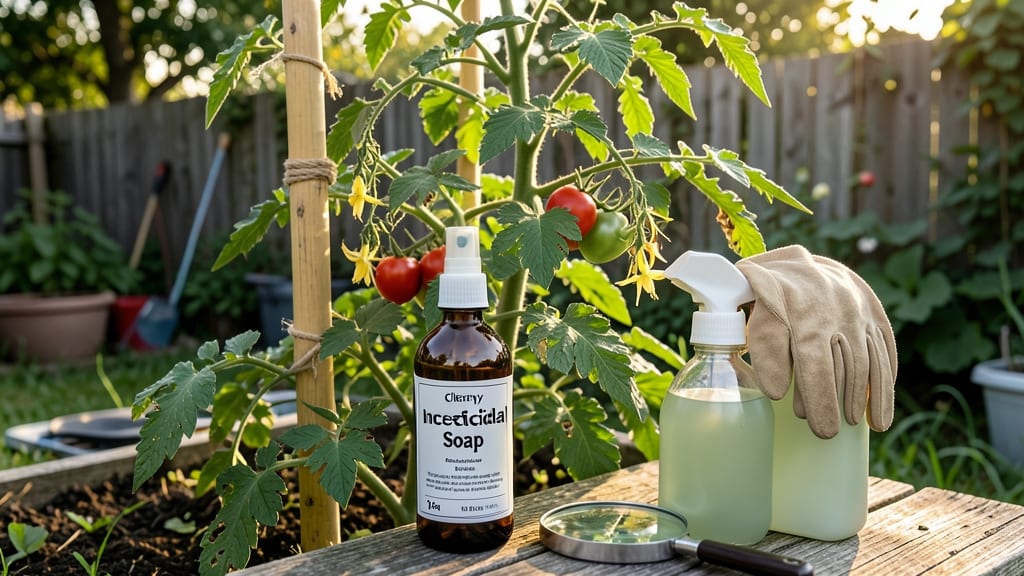
When aphids turn your tomato leaves into sticky messes, homemade insecticidal soap is your secret weapon. 🌱 I’ve saved dozens of tomato plants from infestations using this simple spray—no harsh chemicals, just soap and water that pests can’t stand.
The key is getting the dilution right and applying it at the perfect time, so your plants stay healthy without harming the good bugs.
This spray works best on soft-bodied pests like aphids, spider mites, and whiteflies—just mix 2 tablespoons of mild liquid soap (like Castile) with 1 quart of water and shake it up. Spray early in the morning or late afternoon to avoid burning leaves, and always test a small area first.
The soap disrupts the pests’ protective coating, and they’ll drop off within hours.
You’ll notice the difference in 24-48 hours: fewer pests, shinier leaves, and plants that keep growing strong. The best part? It’s safe for your tomatoes once fully dried and won’t harm bees or ladybugs if applied correctly. Just avoid spraying when flowers are open or during extreme heat.
For extra protection, pair this with neem oil or companion plants like basil and marigolds. Reapply every 5-7 days until pests are gone, and your tomatoes will thrive without a single chemical in sight. Here’s how to make it work perfectly every time.
📚 In This Guide
- What you need
- Instructions
- Tips and common mistakes
- Wrapping up and next steps
What you need
- ● 1 tablespoon of pure, liquid castile soap (unscented, like Dr. Bronner’s or similar—no detergents or synthetic additives).
- ● 1 quart (32 oz) of distilled water (tap water works in a pinch, but distilled prevents mineral buildup).
- ○ 1 teaspoon of vegetable oil or neem oil (optional but recommended to help the soap stick to pests).
- ● 1 small spray bottle (16–32 oz, with a fine mist nozzle—glass is best to avoid chemical leaching).
- ● A measuring spoon (for precise soap and oil quantities).
- ● A wooden or silicone spoon (metal can react with soap—no stainless steel!).
- ○ Gloves (optional but handy if you’re sensitive to soap or oils).
- ● Sunny day or well-ventilated area (soap sprays work best when applied in mild weather).
- ● Tomato plants with visible pests (aphids, whiteflies, or spider mites are prime targets!).
- ● Test on a small leaf first—some tomato varieties may react to soap (even natural kinds!).
- ● Avoid spraying in direct sunlight or when plants are wilted (soap can cause leaf burn).
- ● Store in a cool, dark place—homemade sprays last up to 1 week (shake before use!).
Step-by-step guide to making insecticidal soap for tomato plants
Here's how to whip up a powerful, plant-safe spray that'll keep tomato pests in check without harsh chemicals.
🌱 Step 1: Gather Your Supplies
You'll need 1 tablespoon of pure castile soap (unscented works best), 1 quart of water, and a spray bottle with a fine mist nozzle. I like to use a dedicated spray bottle for this project—it keeps your gardening tools organized and prevents cross-contamination with other sprays. Also grab a measuring cup and a wooden spoon for mixing.
Fill your quart-sized container with lukewarm water (never hot—it can degrade the soap's effectiveness). Add the 1 tablespoon of castile soap and stir gently until fully dissolved. The mixture should look slightly cloudy but not sudsy. If you notice suds forming, you've added too much soap—start over with less.
💧 Step 2: Mix and Test the Solution
Once the soap is completely dissolved, transfer the mixture to your spray bottle. Give it a gentle shake to ensure everything is well combined. Here's the thing—this isn't a "mix and forget" solution. You'll want to use it within 24 hours for maximum effectiveness, so make only what you need for immediate use.
Before spraying your tomato plants, do a patch test on a small, hidden leaf. Wait 30 minutes to ensure no adverse reactions occur. Healthy tomato leaves should show no signs of distress—no wilting, browning, or discoloration. If you notice any issues, dilute the mixture with more water (up to 1 part soap solution to 3 parts water) and retest.
☀️ Step 3: Apply to Tomato Plants
Choose a calm, overcast day for spraying—direct sunlight can stress the plants after application. Hold the spray bottle 12-18 inches away from the plants and apply until the leaves are thoroughly wetted, including the undersides where pests like to hide. Focus on areas where you've spotted pests like aphids, whiteflies, or spider mites.
Spray in the early morning or late afternoon to allow the leaves to dry before the heat of the day. Reapply every 5-7 days or after rain, as the soap breaks down over time. You'll see results within 24-48 hours—pests will start to drop off, and new growth will appear healthier. This is the moment that matters: consistency is key to keeping pests under control.
✂️ Step 4: Monitor and Maintain
After your first application, keep an eye out for pests returning. If you notice an infestation creeping back, repeat the spray every 3-4 days until the pests are completely gone. I know it seems tedious, but pests are persistent—don't skip this step. Also, check the soil moisture around your plants. Overwatered or stressed plants are more susceptible to pest attacks, so maintain a consistent watering schedule.
Store any leftover solution in a cool, dark place. If it starts to smell off or looks cloudy after a few days, toss it and make a fresh batch. Your tomato plants will thank you for the extra care—you'll see stronger stems, bigger leaves, and a bumper crop of tomatoes. Real talk: this method works, but it requires a little patience and diligence. Stick with it!
Tips & tricks for perfect homemade insecticidal spray
Here's what I learned after battling pests in my own garden—these little tweaks make all the difference.
Soap Selection Matters: Not all castile soaps work equally well. Look for 100% pure, unscented castile soap—fragrances can irritate plants or attract pests. Dr. Bronner's is my go-to because it's gentle yet effective. If you accidentally use scented soap, dilute it further (up to 1 part soap solution to 4 parts water) to minimize risk, but always patch test first.
Mixing Technique: Stirring too vigorously when combining the 1 tablespoon of soap with 1 quart of water creates suds, which can harm plants. Instead, pour the soap into the water and use a wooden spoon to gently swirl until fully dissolved. The mixture should be cloudy but completely free of bubbles. This gentle approach preserves the soap's effectiveness while protecting your plants.
Application Strategy: When spraying in Step 3, focus on the undersides of leaves—that's where most pests hide. Use a fine mist setting on your spray bottle to create a light, even coating rather than soaking the leaves. Reapply every 5-7 days or after rain, but always do a quick check first: if leaves look dry and crispy, they're ready for another treatment. The key is consistency—don't wait until pests are overwhelming before spraying again.
Storage Wisdom: Leftover solution lasts only 24 hours at room temperature, but you can extend its shelf life by storing it in a cool, dark place (like your fridge) for up to 5 days. Freeze any extra in ice cube trays—thaw individual cubes as needed. Just remember, fresh is always best! The soap's effectiveness degrades over time, so never use cloudy or smelly mixtures.
Pro Tips for Insecticidal Soap For Tomato Plants
- Here's what I learned after battling pests in my own garden—these little tweaks make all the difference.
- Soap Selection Matters: Not all castile soaps work equally well.
- Mixing Technique: Stirring too vigorously when combining the 1 tablespoon of soap with 1 quart of water creates suds, which can harm plants.
Frequently asked questions
Got questions about using insecticidal soap on your tomato plants?
Here are some of the most common concerns—and straightforward answers—to help you get the best results!
How often should I spray insecticidal soap on tomato plants?
Apply insecticidal soap every 5–7 days for active pest control, especially during outbreaks. For prevention, a weekly spray works well. Always apply in the early morning or late afternoon to avoid harming beneficial insects like bees. Stop spraying if rain is forecast within 24 hours—water can wash it away before it works!
Can I use insecticidal soap on tomato plants at any growth stage?
Yes, but with caution! You can safely use it on seedlings, mature plants, and even fruiting tomatoes. However, avoid spraying directly on flowers or open blossoms—it may harm pollinators. For flowering/fruiting plants, target pests (like aphids) on leaves and stems only. Always test a small area first to check for sensitivity.
What temperature is safe for applying insecticidal soap?
Apply insecticidal soap when temperatures are between 50°F and 85°F (10°C–29°C). Extreme heat or cold can reduce its effectiveness or even damage plant leaves. If temps are below 50°F, wait for warmer conditions—cold stress makes plants more vulnerable. Early morning or evening applications help maintain ideal conditions!
What’s a good alternative if I don’t have insecticidal soap?
If you’re out of insecticidal soap, try these natural alternatives:
- Neem oil: Mix 1 tbsp neem oil + 1 tsp mild soap in 1 quart water. Spray on pests (avoid flowers).
- Garlic or chili pepper spray: Blend 2 garlic cloves or 1 chili pepper with 1 quart water, strain, and add a drop of dish soap.
- Horticultural oil: Effective for mites and soft-bodied insects (follow label instructions).
- Water spray: A strong blast from the hose can knock off aphids and spider mites!
For severe infestations, consider introducing beneficial insects like ladybugs or lacewings.
Why isn’t my insecticidal soap working on tomato pests?
If your spray isn’t effective, check these common issues:
- Incorrect dilution: Too much water weakens the solution. Stick to the 1.5–2 tbsp per quart water ratio.
- Missed pests: Focus on the undersides of leaves where pests hide.
- Resistant pests: Some insects (like whiteflies) may need repeated applications or a different approach.
- Poor coverage: Use a fine mist and apply until leaves are glistening.
- Wrong timing: Spray when pests are active (early morning or late afternoon).
If problems persist, rotate with neem oil or insecticidal soap with added pyrethrins (check labels).
Wrapping up and next steps
Using insecticidal soap for tomato plants is a simple, effective, and eco-friendly way to keep pests at bay without harsh chemicals. 🌱 With just a few household ingredients, you can create a natural spray that protects your garden while nurturing your plants.
Start small, test your spray, and enjoy the peace of mind—and delicious tomatoes—knowing you’re growing the healthy way!
Next step: Try making your batch today and observe how your tomato plants thrive with this gentle yet powerful solution! 🌟