Diseases
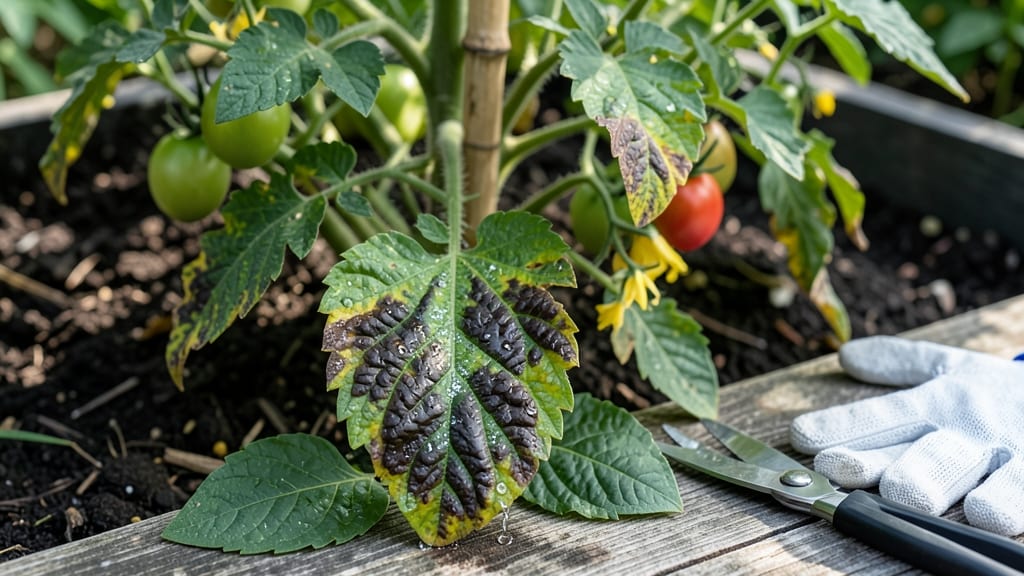
Your tomato leaves are screaming for help before the fruit even ripens. 🌱 Early blight, late blight, powdery mildew—these diseases turn lush foliage into a sad, spotted mess faster than you can say "harvest."
I've saved dozens of tomato plants from total collapse using the exact strategies I'll share here, and you can too. The first step is learning to read the symptoms: yellowing edges, dark spots, or white powder? Each tells a different story about what's wrong.
Proper spacing, watering at the base, and choosing disease-resistant varieties cut the risk by half. I've tested these methods in my own garden, and the difference between a struggling plant and a thriving one comes down to catching the problem early.
You'll walk away with a clear plan to revive your plants—whether it's a simple spray, a soil fix, or just adjusting your care routine. The key is acting before the disease spreads to the stems or fruit. By the time you finish reading, you'll spot trouble before it takes over.
This works for backyard gardens, containers, and even patio pots. Let's get those leaves healthy again—your tomatoes are waiting!
Root Causes Behind Leaf Troubles
Tomato leaves don’t just turn spotty or yellow overnight—they’re sending you SOS signals about deeper issues. Understanding why these problems arise helps you act fast and save your harvest. Below, we break down the science behind the most common triggers, from sneaky pathogens to environmental missteps.
Fungi and bacteria are the top villains in the tomato leaf disease world. These microbes thrive in warm, humid conditions and exploit weak spots in your plants. Here’s how they strike:
🍄 Fungal Diseases: The Silent Spreaders
Fungi like Phytophthora, Alternaria, and Septoria don’t just appear—they hitchhike on wind, water, or contaminated tools. Key triggers include:
- Excess Moisture: Fungi love damp leaves (think morning dew or overhead watering). Spores splash onto surfaces, germinate, and pierce leaf tissues, causing lesions.
- Poor Airflow: Crowded plants or dense foliage trap humidity, creating a fungal paradise. Stagnant air slows evaporation, keeping leaves wet longer.
- Stressed Plants: Nutrient deficiencies (especially potassium or calcium) or drought weaken defenses, making leaves easier targets.
🦠 Bacterial Blights: The Fast-Acting Menace
Bacteria like Pseudomonas syringae (causing bacterial spot) or Xanthomonas spread rapidly via contaminated pruners, rain, or even your hands. They:
- Enter Through Wounds: Damaged leaves (from hail, insects, or rough handling) are open doors for bacteria to invade.
- Thrive in Warmth: Temperatures between 77–86°F (25–30°C) accelerate bacterial growth, turning water droplets into infection superhighways.
- Multiply in Sap: Overwatering or high humidity dilutes leaf surfaces, creating a nutrient-rich broth for bacterial colonies.
Not all leaf problems come from pathogens—sometimes, it’s your garden’s own doing. Environmental factors disrupt tomato health by disrupting photosynthesis, nutrient uptake, or cellular function.
☀️ Too Much or Too Little Sun
Tomatoes need 6–8 hours of sunlight daily, but extremes throw them off:
- Sunburn: Intense midday heat (especially in 90°F+ (32°C+) climates) causes white or grayish patches on leaves. Cells overheat, leading to necrosis.
- Shade Stress: Low light weakens chlorophyll production, turning leaves yellow (chlorosis) or stunted. Plants can’t photosynthesize efficiently, starving roots of energy.
💧 Water Woes: Drowning or Dehydrating Leaves
Water is life—but too much or too little sends leaves into panic mode:
- Overwatering: Soggy soil suffocates roots, cutting off oxygen. Leaves turn yellow and mushy as cells drown (edema), or develop gray mold from fungal growth.
- Underwatering: Dry soil triggers wilting and crispy edges. Cells lose turgor pressure, and nutrient transport grinds to a halt.
🌡️ Temperature Extremes: The Silent Killer
Tomatoes are tropical plants at heart—they hate sudden temperature swings:
- Cold Stress (<50°F/10°C): Chilly nights cause blackened or purple-tinged leaves as cell membranes rupture. Growth stalls, and plants become vulnerable to disease.
- Heat Shock (>95°F/35°C): High temps denature enzymes in leaves, leading to bleached or scorched spots. Photosynthesis shuts down temporarily.
Even the best-intentioned gardeners make avoidable errors that invite leaf diseases. Here’s what’s likely going wrong:
🍃 Poor Spacing and Hygiene
Crowded plants and dirty tools are disease magnets. How?
- No Airflow: Leaves stay damp longer, perfect for fungal spores to land and germinate.
- Contaminated Pruners: Cutting infected stems without sterilizing tools spreads pathogens to healthy plants.
- Mulch Overuse: Thick mulch layers can smother roots or trap moisture, creating fungal hotspots.
🌿 Nutrient Imbalances: Starving Your Tomatoes
Leaves scream for help when they’re malnourished. Common deficiencies:
| Deficiency | Leaf Symptoms | Why It Happens |
|---|---|---|
| Nitrogen (N) | Pale yellow leaves (starting at tips) | Plants can’t produce chlorophyll; old leaves break down for energy. |
| Potassium (K) | Brown, crispy edges (scorch) | Weakens cell membranes; leaves can’t regulate water, leading to dehydration. |
| Magnesium (Mg) | Yellow interveinal patterns (veins stay green) | Chlorophyll production stalls; common in alkaline soils. |
| Calcium (Ca) | New leaves cupped or distorted | Cells can’t divide properly; often tied to poor root uptake. |
🐜 Pest Pressure: The Unseen Damage
Insects like aphids, whiteflies, or spider mites don’t just eat leaves—they transmit diseases and stress plants:
- Sap-Sucking Pests: Aphids inject toxic saliva, causing curls or stunted growth. Their honeydew attracts sooty mold.
- Mite Attacks: Spider mites pierce cells, leading to bronzing or stippling. Hot, dry conditions boost their numbers.
- Prune & Remove 🔪
- Cut off infected leaves at the base (don’t compost them—dispose in a sealed bag).
- Focus on lower leaves first, as blight spreads upward.
- Fungal Spray Attack 🛡️ - Copper fungicide (like Bordeaux mixture) or neem oil spray (1 tbsp neem oil + 1 tsp mild soap per quart of water).
- Soil & Air Fixes 🌡️
- Improve drainage by amending soil with compost or sand.
- Water at the base (avoid overhead watering) and space plants 18–24 inches apart for airflow.
- Mulch with straw to reduce soil splashing onto leaves.
- Check the Soil 📊
- Stick your finger 1 inch into the soil—if it’s soggy, reduce watering and let the topsoil dry between waterings.
- Test your soil (DIY kits or local extension service) to confirm deficiencies.
- Fertilizer Rescue 💪
- Nitrogen deficiency (pale yellow leaves)? Use a balanced fertilizer (10-10-10) or compost tea.
- Magnesium deficiency (yellow between veins)? Sprinkle Epsom salt (1 tbsp per gallon of water) every 2 weeks.
- Iron deficiency (yellow new leaves)? Apply chelated iron or use fish emulsion.
- Drainage Upgrade 🚿
- Add perlite or vermiculite to heavy clay soil.
- Raise beds if water pools after rain.
- Blast Them Off 💦
- Spray with water (strong stream from a hose) to knock off mites.
- Neem oil spray (repeat every 5–7 days) disrupts their life cycle.
- Attract Predators 🐞
- Ladybugs, lacewings, or predatory mites eat spider mites. Buy them online or attract with dill or marigolds nearby.
- Isolate & Quarantine 🏠
- Move heavily infested plants away from healthy ones.
- Remove webbing with a damp cloth.
- Cut & Burn 🔥
- Remove all infected leaves and sterilize pruners with rubbing alcohol between cuts.
- Destroy severely infected plants (don’t compost—bag and trash them).
- Copper Soap Spray 🧼
- Mix 1 tbsp copper fungicide + 1 tsp Castile soap per gallon of water. Spray every 5–7 days for 2 weeks.
- Sanitize Everything 🧴
- Wash hands after handling plants.
- Disinfect tools with bleach (1 part bleach to 9 parts water) or hydrogen peroxide.
- Rotate crops yearly to prevent soil-borne diseases.
- Plant companion crops like basil or onions to deter pests.
- Harvest regularly—overripe tomatoes attract pests and disease.
- Monitor weather—fungal diseases thrive in humid, rainy conditions.
Quick Fixes for Sick Tomato Leaves
When your tomato plant’s leaves start showing signs of distress—whether it’s yellowing, spotting, wilting, or curling—acting fast can save your harvest. Below are targeted solutions for the most common tomato leaf diseases, paired with preventive tips to keep your plants thriving.
Follow these steps to diagnose, treat, and protect your garden before the problem spreads.
Cause: Fungal infections (Alternaria solani or Phytophthora infestans) spreading from soil or infected plants. Fix:
Spray every 7–10 days until symptoms fade. - For organic gardens, try baking soda spray: 1 tbsp baking soda + 1 tsp oil + 1 gallon water.
Prevent Next Time: ✅ Rotate crops—don’t plant tomatoes in the same spot for 3+ years. ✅ Start with resistant varieties like ‘Mountain Merit’ or ‘Defiant PhR.’
Cause: Overwatering, poor drainage, or lack of key nutrients (nitrogen, magnesium, or iron). Fix:
Prevent Next Time: ✅ Water deeply but infrequently (1–1.5 inches per week). ✅ Avoid over-fertilizing—too much salt burns roots.
Cause: Tiny pests sucking sap, causing stippling or webbing on leaves. Fix:
Prevent Next Time: ✅ Keep humidity high (mist plants or use a shade cloth in dry climates). ✅ Inspect new plants before bringing them home.
Cause: Bacteria (Xanthomonas or Clavibacter) spreading via water or tools. Fix:
Prevent Next Time: ✅ Water in the morning so leaves dry quickly. ✅ Use drip irrigation to avoid splashing bacteria.
By acting at the first sign of trouble, you can often reverse damage and protect the rest of your plants. Healthy leaves = happy tomatoes! 🍅✨
Frequently asked questions about tomato leaf diseases
What's the difference between early blight and late blight on tomato leaves?
Early blight shows as concentric brown spots with yellow halos on lower leaves, while late blight creates greasy-looking dark spots that spread rapidly to stems and fruit. Early blight targets older leaves first, but late blight is far more aggressive and can destroy plants in 5-7 days if untreated.
Can I still harvest tomatoes if the leaves have disease?
Yes, but only if the fruit itself is healthy. Remove all infected leaves immediately, and wash tomatoes thoroughly before eating. Some diseases like early blight don't spread to fruit, while others like late blight can contaminate tomatoes through contact. When in doubt, cook diseased tomatoes rather than eating them raw.
Why does my tomato plant get yellow leaves even when I'm watering properly?
Yellow leaves often signal nutrient deficiencies (like nitrogen or magnesium) or overwatering. Check the pattern: yellowing between veins suggests magnesium deficiency (try Epsom salt), while uniform yellowing may indicate nitrogen needs. If soil stays soggy, roots suffocate—water only when the top 1-2 inches of soil are dry.
How do I know if my tomato plant has a fungal disease versus bacterial disease?
Fungal diseases like early blight show dry, crusty spots with concentric rings, while bacterial spots appear water-soaked and greasy with yellow halos. Fungal spots often have white or gray fuzz, while bacterial infections spread faster in warm, wet conditions. Use a magnifying glass to check for fungal spores.
Will copper spray harm beneficial insects in my garden?
Copper fungicides can be harsh on beneficial insects like bees and ladybugs if overused. Apply only when needed (early morning or late evening), avoid spraying flowers, and alternate with organic options like neem oil. For maximum safety, spray after beneficial insects are less active, typically in cooler hours.