
Neem Oil
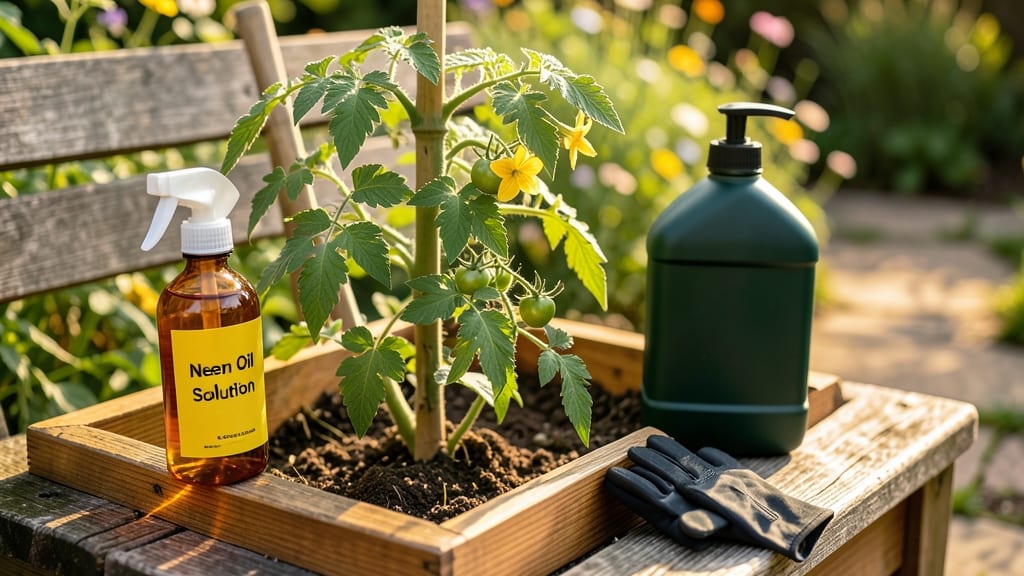
Neem oil is safe for tomato plants when used correctly—diluted properly (1-2 teaspoons per quart of water) and applied during early morning or evening to avoid leaf burn or stress. Always test on a small area first and avoid spraying in direct sunlight or extreme temperatures.
Neem oil's safety for tomato plants comes from its natural pest-fighting compounds like azadirachtin, which disrupts insect life cycles without harming the plant itself when applied correctly. 🌱 The key is proper dilution—undiluted oil can clog pores or cause leaf damage, while the right concentration (about 1-2%) provides protection without stressing the plant.
Tomato plants, being sensitive to chemical residues, respond best to neem oil when it's applied as a preventative measure rather than a cure, especially during their flowering and fruiting stages.
What many gardeners don't realize is that neem oil works best as a prophylactic treatment rather than a reactive one. The oil's antifungal properties also help prevent common tomato diseases like early blight, but timing matters—spraying during peak sunlight can increase the risk of leaf scorch.
I always recommend mixing a small batch first to check for any adverse reactions, particularly if your tomatoes are young or heat-stressed.
For those using neem oil regularly, consistency is more important than frequency. A biweekly application during growing season (spring through summer) is typically sufficient, but always follow up with water after 2-3 hours to help the plant absorb nutrients.
Organic formulations are generally safer than synthetic ones, though both should be applied with caution to avoid over-saturation of the soil.
💡 In This Article
- How Neem Oil Works on Tomato Plants: Mechanisms and Plant Safety
- Best Practices for Applying Neem Oil to Tomato Plants Without Harm
How neem oil works on tomato plants: mechanisms and plant safety
Neem oil's effectiveness on tomato plants stems from its active compound, azadirachtin, which acts as a natural insect growth regulator.
This compound disrupts the feeding and reproductive cycles of pests like aphids and whiteflies by mimicking juvenile hormones, preventing them from maturing. 🌿 Unlike synthetic pesticides, azadirachtin doesn't kill pests outright but instead confuses their biological systems, making it safer for the plant.
Tomato plants metabolize neem oil differently than other crops because their waxy leaf surfaces can absorb the oil more readily, which is why proper dilution is critical—concentrations above 2% can clog stomata (leaf pores) and inhibit gas exchange.
The oil's antifungal properties come from another compound, nimbin, which inhibits the growth of fungal spores like those causing early blight. Studies show that neem oil can reduce fungal infections by up to 70% when applied preventatively, but its effectiveness drops if the plant is already infected.
The phytotoxicity threshold (the point where neem oil becomes harmful) for tomatoes is around 10% concentration—far higher than the recommended 1-2% for safe use. This means even "strong" neem oil formulations are safe when diluted correctly.
Tomato plants respond best to neem oil when applied during their vegetative growth stage (before flowering) because the oil can interfere with pollination if sprayed directly on blossoms.
The oil's sticky texture also makes it effective against soft-bodied pests like mites, but it must be reapplied every 7-14 days due to rainfall or plant growth washing it away. 🌱 What's often overlooked is that neem oil's scent (a mix of terpenes and fatty acids) repels pests even before contact, creating a protective barrier around the plant.
One key mechanism is how neem oil interacts with the plant's cuticle—the waxy outer layer of leaves. When properly diluted, it forms a thin, protective film that reflects sunlight and deters pests without clogging pores.
However, if applied in high concentrations or under 90°F+ temperatures, the oil can cause leaf burn by increasing transpiration (water loss) beyond the plant's ability to regulate. This is why early morning or evening applications are ideal—the cooler temperatures and lower sunlight intensity reduce stress on the plant.
Comparing neem oil to other organic treatments, it stands out for its dual action against both pests and diseases. For example, while insecticidal soap targets only insects, neem oil also addresses fungal issues. However, its broad-spectrum nature means it can disrupt beneficial insects like bees if overused.
The LD50 (lethal dose) for neem oil in tomatoes is extremely high—typically requiring concentrations 100x stronger than recommended to cause harm, highlighting its safety when used as directed.
For gardeners concerned about residue, neem oil breaks down quickly in sunlight (within 24-48 hours), leaving no harmful byproducts. This makes it ideal for organic gardening, especially when compared to synthetic neem-based pesticides that may contain additional chemicals.
The oil's safety profile is further supported by its use in USDA Organic farming standards, where it's approved for use on edible crops like tomatoes.