
How To
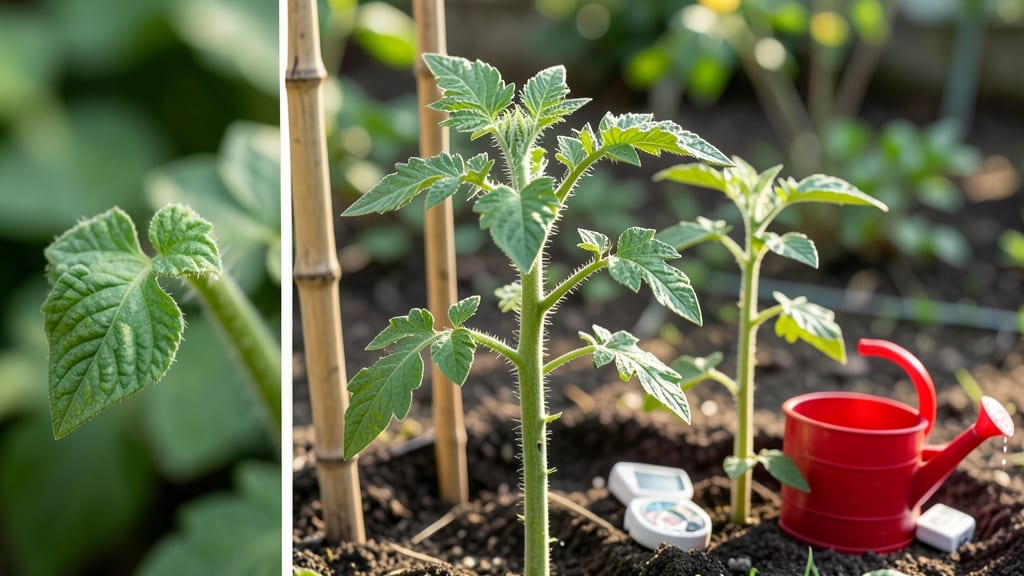
Tomato seedling leaves curling up? That crispy, cupped look isn’t healthy—it’s a distress signal from your plants. 🌱 I’ve nursed back dozens of seedlings from this exact problem, and the fixes are simpler than you’d think, starting with checking for pests hiding on the undersides of leaves.
Most curling comes from either too much heat, thrips or spider mites, or overwatering that stresses roots. The good news? Each issue has a targeted fix—adjusting humidity, spraying with neem oil, or letting soil dry slightly between waterings.
Within 3-5 days, leaves should flatten out if you catch it early. What you’ll end up with are sturdy, vibrant seedlings ready for transplanting. The key is acting fast—curling left unchecked leads to stunted growth or even death.
I’ll walk you through the most common causes and foolproof solutions that work in any garden setup. No need for fancy tools or chemicals—just a sharp eye and a few basic supplies. Let’s get those leaves looking crisp and green again!
The Hidden Triggers Behind Curling
When your tomato seedlings start showing those telltale curled leaves, it’s often their way of screaming for help—before the damage becomes permanent. Understanding the why behind this stress signal is half the battle.
Below, we break down the most common culprits, backed by science, so you can diagnose the issue fast and act before your plants throw in the towel.
Tomatoes are warm-weather babies, and when temperatures swing outside their comfort zone (50–85°F), their leaves curl as a protective response. Here’s how it plays out:
- Heat Stress: Above 90°F, leaves curl upward to reduce water loss (a process called transpiration). The edges may also scorch or turn crispy. Pro tip: 🌡️ Shade cloth (30–50%) can drop temps by 10–15°F—critical for seedlings in peak summer.
- Cold Stress: Below 50°F, especially at night, disrupts cell function. Leaves curl downward or inward to conserve heat. Watch for: Slow growth, yellowing, or a "glazed" look (like frostbite for plants).
Quick Fix: Move seedlings to a consistently warm spot (e.g., a greenhouse or south-facing windowsill). For outdoor plants, use row covers or mulch to stabilize soil temps.
Watering is an art, not a science—but get it wrong, and your seedlings will curl up like a sad burrito. Two extremes trigger this:
- Underwatering: When soil dries out, roots can’t supply enough water, causing leaves to curl inward to minimize surface area. Signs: Dry, crispy edges and a wilted (but not limp) feel.
- Overwatering: Soggy soil cuts off oxygen to roots, leading to root rot. Curling often pairs with yellowing leaves or a foul smell. Pro tip: 💡 Stick your finger 1 inch into the soil—if it’s damp, wait.
Quick Fix:
- For drought: Water deeply at the base (not the leaves) and repeat every 2–3 days.
- For soggy soil: Let the top 2 inches dry out between waterings. Drainage holes in pots are non-negotiable.
Curling can be a silent alarm for pests or diseases hitching a ride on your seedlings. Here’s what to watch for:
| Culprit | How They Attack | Tell-Tale Signs |
|---|---|---|
| 🐜 Aphids/Spider Mites | Suck plant sap, weakening leaves. | Sticky residue ("honeydew"), webbing, or puckered leaves. |
| 🍄 Fungal Diseases (e.g., Early Blight) | Clog stomata (pores) with spores. | Curling + brown spots on undersides; thrives in humid conditions. |
| 🐛 Whiteflies | Cluster on undersides, draining nutrients. | Leaves curl downward; tiny white bugs when shaken. |
Quick Fix:
- 🔥 Pests: Blast off with a soapy water spray (1 tsp mild soap per quart of water) or introduce ladybugs.
- 🌡️ Fungus: Improve airflow (prune crowded plants) and spray with copper fungicide.
Tomatoes are heavy feeders, and when their diet is off, leaves curl as a cry for help—or a protest. Two key issues:
- Nitrogen Deficiency: Leaves curl upward and turn yellowish-green (older leaves first). Nitrogen fuels leaf growth, so a shortage stunts it.
- Potassium or Calcium Deficiency: Leaves curl downward with brown edges (a classic sign of blossom end rot’s early stages). These minerals regulate water and cell structure.
- Too Much Salt/Fertilizer: Curling + crispy edges = fertilizer burn. Excess salts disrupt water uptake.
Quick Fix:
- 💪 Boost Nitrogen: Use a balanced fertilizer (10-10-10) or compost tea.
- 🥗 Fix Deficiencies: For potassium, try banana peel tea; for calcium, use crushed eggshells.
- 🚫 Avoid Burn: Flush soil with water to leach excess salts; dilute fertilizer to half-strength.
Most of these issues are reversible—but the key is acting fast. Next up, we’ll dive into actionable fixes to uncurl those leaves and get your seedlings thriving again. 🚀
Quick Fixes for Wrinkled Tomato Leaves
Now that you know the why behind your tomato seedlings’ curled leaves, let’s roll up our sleeves and get to the how. Whether it’s pests, heat stress, or nutrient deficiencies causing the trouble, these targeted solutions will help your seedlings bounce back—fast.
And don’t worry, we’ve included prevention tips to keep future plants thriving without the drama.
If tiny invaders like aphids, spider mites, or whiteflies are sucking the life out of your seedlings, act now before the damage spreads.
🔥 Step 1: Inspect & Isolate
- 👀 Check undersides of leaves (pests love hiding there!).
- 🚪 Move affected seedlings away from healthy ones to prevent cross-contamination.
🍳 DIY Sprays That Work
Mix one of these in a spray bottle and apply early in the morning (pests hate sunlight!): - 🧂 Soapy water solution: 1 tbsp mild dish soap + 1 quart water.
Spray until leaves glisten. - 🌿 Neem oil blend: 1 tsp neem oil + 1 tsp horticultural oil + 1 tsp soap + 1 quart water.
Shake well and spray every 5–7 days. - 🍋 Vinegar spray (for soft-bodied pests): 1 cup white vinegar + 1 gallon water + 1 tsp dish soap.
👨🍳 Prevent Future Attacks
- 🌡️ Keep humidity in check (pests thrive in damp, stagnant air). Use a small fan for airflow.
- 🎯 Introduce beneficial insects like ladybugs or lacewings—they eat pests for you!
- ✨ Inspect new plants before bringing them indoors or into the garden.
If your seedlings are wilting or curling from too much sun or heat, they need immediate shade and hydration.
🔪 Step 1: Provide Shade ASAP
- 🌳 Use shade cloth (30–50% block) or move seedlings to a sheltered spot (e.g., under a porch or patio).
- 🌿 Transplant deeper if roots are exposed—heat stress often starts with shallow root systems.
💧 Hydration Hacks
- 💦 Water deeply at the base (not overhead) in the early morning or evening to reduce evaporation.
- 🌱 Mulch with straw or grass clippings to retain moisture and cool soil.
- 🌡️ Mist leaves lightly (but avoid soggy soil—root rot is a sneaky enemy).
🎯 Long-Term Heat Prevention
- 📊 Choose heat-tolerant varieties like ‘Solar Fire’ or ‘Heatmaster’ tomatoes.
- 🌿 Harden off seedlings gradually before transplanting—expose them to 1–2 hours of sun/day, increasing over a week.
- ✨ Use row covers for young plants in hot climates.
Curling leaves can signal too much or too little of key nutrients. Let’s diagnose and fix it.
📊 Quick Nutrient Fixes
| Symptom | Likely Cause | Solution |
|---|---|---|
| Yellow lower leaves | Nitrogen deficiency | 🌿 Top-dress with compost or use a balanced fertilizer (10-10-10). |
| Purple stems/leaves | Phosphorus deficiency | 💊 Use a phosphorus-rich fertilizer (5-10-10) or bone meal. |
| Brown leaf edges | Over-fertilization (burn) | 💧 Flush soil with water to dilute salts, then reduce fertilizer. |
| Slow growth, weak stems | Potassium deficiency | 🍠 Add wood ash or banana peel tea (rich in potassium). |
💡 Pro Tips for Healthy Soil
- 🔥 Test your soil with a DIY kit (available at garden centers) before planting.
- 🌱 Rotate crops—don’t plant tomatoes in the same spot yearly (exhausts nutrients).
- ✨ Use worm castings—they’re a gentle, nutrient-packed soil booster.
Too much or too little water can stress roots, leading to curled leaves. Here’s how to find the Goldilocks zone.
👨🍳 Step 1: Check Soil Moisture
- 🧵 Stick your finger 1–2 inches into the soil:
- Dry? Water thoroughly.
- Soggy? Let it dry out slightly before watering again.
💧 Watering Like a Pro
- 🌱 Water at the base, not the leaves (prevents fungal diseases).
- 🕒 Use a moisture meter if you’re unsure—no more guesswork!
- 🌿 Drip irrigation or soaker hoses deliver water slowly and evenly.
🎯 Prevention Tips
- 📊 Use well-draining soil (mix in perlite or sand if your soil is clay-heavy).
- 🌡️ Water in the morning so leaves dry quickly (reduces disease risk).
- ✨ Avoid overhead sprinklers—they can wash away soil nutrients and spread pests.
If your seedlings are curling after moving, they’re likely struggling to adjust. Here’s how to soothe the shock.
🔥 Step 1: Ease Them In
- 🌿 Transplant on a cloudy day or in the late afternoon (less sun stress).
- 💧 Water deeply before and after moving to reduce stress.
💡 Post-Transplant Care
- 🌱 Prune any damaged leaves (helps focus energy on recovery).
- 🌡️ Keep them in shade for 3–5 days, then gradually increase sun exposure.
- 🎯 Use a root stimulator (like seaweed extract) to boost recovery.
✨ Prevention for Next Time
- 📊 Harden off seedlings 1 week before transplanting (acclimate to outdoor conditions).
- 🌿 Choose the right pot size—too small = root-bound stress.
- 🌱 Plant at the same depth as their original container (buried stems can rot).
Final Thought: Most curled leaves are fixable with the right care! Start with the most likely cause, act fast, and your tomato seedlings will be thriving in no time. 🍅✨
Frequently asked questions
Why do my tomato seedling leaves curl upward instead of downward?
Upward curling often signals heat stress or nitrogen deficiency. When temperatures exceed 90°F, leaves curl upward to reduce water loss. For nitrogen issues, check for yellowing lower leaves first—top-dress with compost or a balanced fertilizer (10-10-10) to fix it.
Can I save my tomato seedlings if the leaves are already crispy and curled?
Act fast! If leaves are still attached but crispy, trim the damaged parts and focus on fixing the root cause (water, pests, or nutrients). For severe cases, prune back to healthy growth and adjust care immediately. Most seedlings recover within 3-5 days if stress is removed.
How do I tell if my tomato seedlings have spider mites vs. heat stress?
Check for tiny webs or speckled leaves—these are spider mite red flags. Heat stress leaves will feel dry and papery to the touch, while mite damage shows up as stippled yellowing. Use a magnifying glass for close inspection.
Is it safe to use neem oil on tomato seedlings?
Yes! Neem oil is organic and safe for seedlings when used correctly. Mix 1 tsp neem oil + 1 tsp soap + 1 quart water and spray leaves thoroughly. Apply in the early morning to avoid sunburn, and reapply every 5-7 days for pests.
Will my tomato seedlings recover if I move them to shade immediately?
Shade cloth (30-50% block) can drop temperatures by 10-15°F, giving seedlings time to recover. Combine with deep watering at the base and monitor for 24-48 hours—you should see improvement within 3 days if no other issues exist.