
Companion Plants
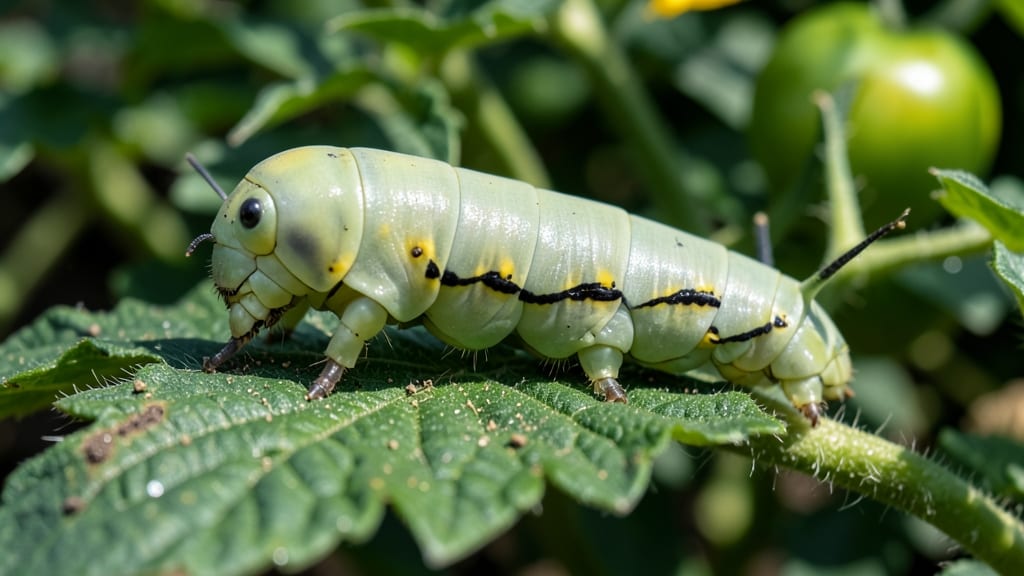
A large caterpillar on your tomato plant isn’t just unsightly—it’s a hungry thief that can strip your harvest in days. 🌱 I’ve lost entire tomato plants to these guys (usually hornworms or tomato fruitworms), but I’ve also learned how to stop them without chemicals.
The key is acting fast—before they skeletonize your leaves or devour your fruit. These caterpillars leave behind tattered leaves and half-eaten tomatoes, often hiding along stems or under foliage. Handpicking is the fastest solution: just grab them (they’re surprisingly plump) and drop them in soapy water.
For a natural backup, Bacillus thuringiensis (Bt) or neem oil disrupts their digestive systems without harming bees or other beneficial insects. Prevention starts with companion planting—basil, marigolds, and dill repel pests naturally.
I also check my plants every 2-3 days during peak season (late June through August), which catches them before they become a full-blown problem. A little vigilance saves your tomatoes—and your sanity. This method works for all tomato varieties, whether you’re growing in containers, raised beds, or the ground.
No more helplessly watching your plants get eaten alive—just a few simple steps to reclaim your garden. Let’s get those caterpillars under control!
Root Causes Of Tomato Plant Invaders
Discovering a large caterpillar munching on your tomato plant can feel like a betrayal—your hard work suddenly under siege! But before you panic, it’s key to understand why these hungry pests show up in the first place.
The truth? Your tomato plants are basically caterpillar buffets, and several factors turn your garden into a five-star dining destination. Let’s break down the science—and the sneaky tricks—behind their arrival.
Caterpillars, especially hornworms (the infamous "large caterpillar" culprits), have a nose for trouble—or rather, a taste for ripe, soft fruit. Here’s why:
- Sugar & Moisture Magnet: Overripe tomatoes release sugars and ethylene gas, signaling to pests that they’re a ready-to-eat snack. A single bruised or split tomato can lure caterpillars from yards away.
- Hidden Entry Points: Cracks in tomato skin or wounds from hail/harvesting create easy access. Caterpillars burrow in, leaving only the outer shell visible—until it’s too late.
- Nighttime Raiders: Many caterpillars (like tomato fruitworms) are nocturnal. They wait until dusk to feast, so daytime inspections might miss the damage until it’s severe.
💡 Pro Tip: Harvest tomatoes before they fully ripen if you’re battling an infestation. Green or breaker-stage fruit is less appealing—and store-bought red tomatoes can be a decoy to distract pests from your plants!
Companion planting is a gardener’s secret weapon—but if done incorrectly, it can backfire spectacularly. Some plants that seem harmless (or even helpful) can actually attract caterpillars to your tomatoes. Here’s the breakdown:
| Attractive Plants | Why They’re Problematic | Solution |
|---|---|---|
| Dill, Fennel, or Parsley | Lure swallowtail butterfly caterpillars, which later migrate to tomatoes. | Plant these far from tomatoes (at least 10+ feet away). |
| Nightshade Family (e.g., Eggplant, Potatoes) | Share the same pests (hornworms, Colorado potato beetles). | Avoid planting near tomatoes; use trap crops instead. |
| Weedy Areas or Unkempt Borders | Provide shelter for moths (caterpillar parents) and alternative food sources. | Keep garden edges tidy and mulch heavily to block hiding spots. |
✨ Key Insight: If you love dill for your cocktails, try container gardening it away from your tomato patch. A few feet can make a huge difference!
Caterpillars don’t just appear out of nowhere. They’re the larval stage of moths, and their life cycle is designed for chaos. Here’s how it works:
- Rapid Reproduction: A single female hornworm moth can lay 2,000–3,000 eggs in her lifetime. With a 2–3 week incubation period, your garden can go from zero caterpillars to a full-blown invasion in weeks.
- Seasonal Peaks: Moths are most active during warm, humid nights (late spring to early fall). If your area has mild winters, moths may survive and re-infest year after year.
- Lack of Predators: Young caterpillars are highly vulnerable to birds, parasitic wasps, and spiders. But if these natural controls are missing (due to pesticides or habitat loss), caterpillar numbers skyrocket.
🎯 Action Step: Set up moth traps (like pheromone traps) in early spring to disrupt mating. Even a few traps can reduce egg-laying by up to 90%!
Caterpillars thrive in specific conditions—conditions you might unknowingly be creating. Here’s how your environment could be inviting them:
- Warm, Stagnant Air: Tomatoes love heat, but so do caterpillars. Poor airflow (from overcrowded plants or dense foliage) traps heat and humidity, making leaves juicier and easier to digest.
- Nitrogen-Rich Soil: Lush, leafy tomato plants are a caterpillar’s dream. While nitrogen boosts growth, it also makes plants more palatable to pests. Balance with phosphorus/potassium to toughen up foliage.
- Drought Stress: Surprisingly, underwatered tomatoes can also attract caterpillars. Stressed plants produce more sugars in their leaves, making them a sweeter target.
💡 Quick Fix: Improve airflow with pruning and staking. Mulch with straw or wood chips to regulate soil moisture—neither too dry nor soggy.
Now that you know why these caterpillars crash your tomato party, the next step is action. The good news? Organic removal is totally possible—without sacrificing your plants or the planet. Stay tuned for our step-by-step elimination guide!
Quick Fixes for Garden Pests
Got a large caterpillar munching on your tomato plants? Don’t panic—there are easy, organic ways to remove them without harming your garden. Below, we break down the most common causes of these unwelcome visitors and the practical solutions to kick them out for good.
---
These green, striped caterpillars are the most common culprits. They grow fast and can devour a tomato plant overnight!
How to Remove Them: 🔥 Handpick in the Morning – Check plants early when they’re sluggish. Drop them into soapy water (1 tbsp dish soap per gallon) to kill them instantly. 🍳 Create a DIY Trap – Place a bucket of soapy water near the plant. The caterpillars will fall in and drown. 👨🍳 Use Neem Oil Spray – Mix 1 tsp neem oil + 1 tsp mild soap + 1 quart water. Spray directly on caterpillars (avoid flowers to protect bees). ⏰ Set Up a Trap Crop – Plant basil or dill nearby—hornworms love these too! Check them daily and remove pests before they reach your tomatoes.
Prevention Tips: ✨ Encourage Natural Predators – Ladybugs, praying mantises, and parasitic wasps eat hornworms. Plant marigolds or alyssum to attract them. 🌡️ Rotate Crops – Avoid planting tomatoes in the same spot yearly to disrupt caterpillar life cycles.
---
These slimy, inchworms chew leaves into skeletons and hide under mulch.
How to Remove Them: 🔪 Roll Them Up – Use a cardboard tube or toilet paper roll to scoop them off. Drop them into soapy water. 🥘 Diatomaceous Earth (DE) Barrier – Sprinkle food-grade DE around the base of plants. It dehydrates pests without harming plants. 💡 Beer Trap for Cutworms – Bury a small cup filled with beer near the plant. The scent attracts cutworms, which drown.
Prevention Tips: 🎯 Use Row Covers – Lightweight floating row covers block egg-laying moths before they hatch. 🔥 Remove Debris – Clear weeds and old plant matter where caterpillars hide.
---
If you see silky webs on branches, these caterpillars are group-feeding and spreading fast.
How to Remove Them: 🍖 Prune Infested Branches – Cut off heavily webbed sections and burn or bag them (don’t compost!). 🌿 Spray Bt (Bacillus thuringiensis) – A natural bacteria that kills caterpillars without harming other insects. Reapply after rain. 👨🍳 Hose Them Off – A strong spray of water can dislodge them before they pupate.
Prevention Tips: 💡 Monitor Early – Check plants weekly in spring when eggs hatch. ✨ Plant Resistant Varieties – Some tomato types (like ‘Defiant PhR’) are less attractive to pests.
--- Final Pro Tip: 🌱 Companion planting with basil, marigolds, or onions can deter caterpillars naturally while boosting tomato growth!
Now you’re ready to save your tomatoes—without chemicals! 🍅💪
Frequently asked questions
What kind of caterpillar is eating my tomato leaves?
Most likely it's a hornworm or tomato fruitworm—both are common tomato pests. Hornworms are large (up to 4 inches), green with white stripes and a horn-like tail. Fruitworms are smaller (about 1 inch) and green with black spots. Both can defoliate plants in days if left unchecked.
Is it safe to eat tomatoes with caterpillar damage?
Only if the damage is superficial. If caterpillars have burrowed into fruit or left large holes, discard those tomatoes. The good news is that most caterpillars prefer leaves and young fruit over fully ripened tomatoes. Always wash all tomatoes thoroughly before eating, even if they look intact.
How often should I check my tomato plants for caterpillars?
During peak season (June-August), inspect your plants every 2-3 days. Early morning is best when caterpillars are sluggish. Focus on the undersides of leaves, stems, and near fruit clusters where they hide. Regular checks help you catch them before they become a full-blown infestation.
Will neem oil kill caterpillars instantly?
No, neem oil works as a growth disruptor, not an instant kill. It takes 24-48 hours to show full effect. For immediate removal, handpick caterpillars and drop them in soapy water. Neem oil is best used as a preventive spray every 5-7 days during peak caterpillar season. Always apply in the evening to protect bees.
Can I use coffee grounds to repel caterpillars?
Coffee grounds won't repel caterpillars directly, but they can help indirectly by improving soil health and attracting beneficial predators like ground beetles. For better results, mix them with diatomaceous earth (food-grade) around plant bases. This creates a physical barrier that dehydrates soft-bodied pests while supporting your garden's ecosystem.