
Plants
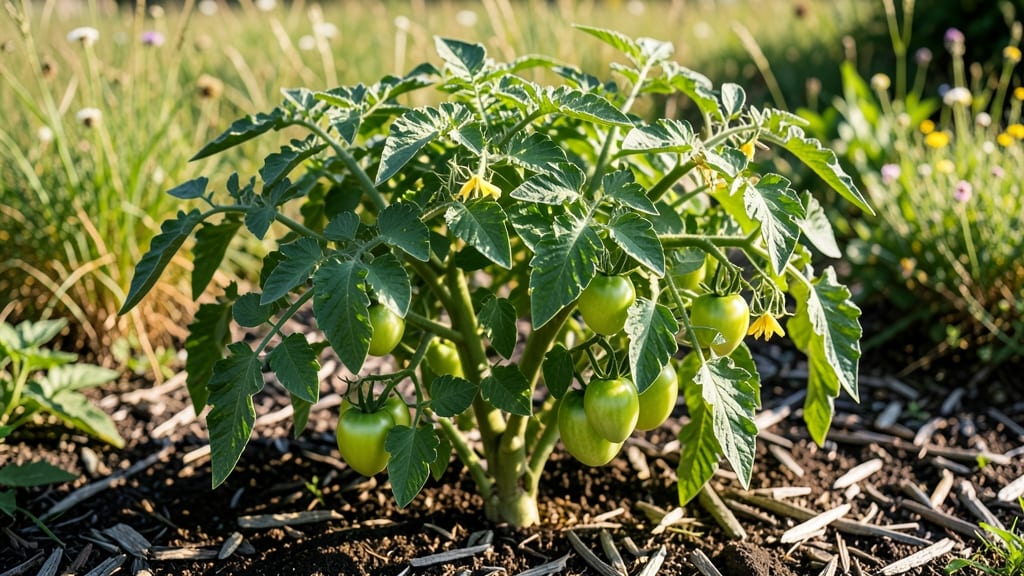
Lime tomato plants aren’t a flavor profile—they’re a warning sign your plants need help. 🌱 I’ve seen gardeners waste entire seasons chasing the wrong fixes, so let’s cut through the confusion and get to the real causes: nutrient imbalances, disease pressure, or environmental stress that’s turning your vines into something that looks more like a science experiment than a productive garden.
The first step is simple but critical: soil testing. Most lime-colored tomatoes stem from magnesium deficiency (yes, that’s the classic lime symptom) or calcium issues—both fixable with targeted amendments.
But don’t grab random fertilizer; we’ll pinpoint exactly what your plants are missing and how to correct it without burning the roots or inviting pests that thrive in stressed plants.
You’ll walk away with a step-by-step troubleshooting plan that covers soil adjustments, organic remedies for disease pressure, and growing conditions that keep your tomatoes vibrant and productive.
No more guessing—just science-backed fixes that actually work, whether you’re dealing with pale leaves, weak stems, or fruit that looks like it’s been dipped in chalk.
This method works for container gardens, raised beds, and in-ground plots—no matter your setup. Let’s turn those limp, lime-tinged plants into the deep red, juicy tomatoes you planted for.
Root Causes Of Plant Struggles
Growing lime tomato plants—those vibrant hybrids blending sweet tomato and tangy lime flavors—can be a rewarding but sometimes frustrating experience. If your plants aren’t thriving, the issue often stems from a few key factors.
Understanding why these problems occur is the first step to fixing them. Below, we break down the most common culprits, backed by science, so you can diagnose and act with confidence.
Lime tomatoes (a cross between tomatoes and citrus) thrive in slightly acidic to neutral soil (pH 6.0–7.0). If your soil is too alkaline (high pH) or acidic (low pH), nutrient uptake suffers, leading to yellowing leaves, stunted growth, or poor fruit development.
- Why it happens:
- High pH (alkaline soil) locks out essential nutrients like iron, manganese, and phosphorus, causing chlorosis (yellowing between leaf veins).
- Low pH (acidic soil) can leach vital nutrients (e.g., calcium, magnesium) or attract harmful fungi.
- Regional soil types (e.g., clay-heavy or limestone-rich areas) naturally skew pH extremes.
- Actionable fix:
- Test your soil with a home pH kit or send a sample to a local extension office.
- For alkaline soil: Amend with sulfur, peat moss, or pine needles (adds acidity slowly).
- For acidic soil: Mix in lime (calcium carbonate) or wood ash (raises pH gradually).
- Pro tip: 💡 Lime tomatoes are more tolerant of pH swings than true citrus, but consistency is key—avoid drastic changes mid-season.
Lime tomatoes are drought-tolerant but hate soggy roots. Overwatering or inconsistent moisture triggers a cascade of issues, from root rot to blossom-end rot (a classic tomato problem).
- Why it happens:
- Overwatering: Compacted soil cuts off oxygen, suffocating roots and inviting Phytophthora (a water mold). Symptoms include black, mushy stems and wilting despite wet soil.
- Underwatering: Stress causes blossom-end rot (calcium deficiency from poor uptake) or leaf curl as the plant conserves water.
- Inconsistent watering: Fluctuating moisture levels confuse the plant’s nutrient absorption, leading to uneven fruit ripening or split tomatoes.
- Actionable fix:
- Water deeply 1–2 times per week (early morning) rather than daily shallow drinks. Aim for 1–1.5 inches of water per week.
- Use drip irrigation or soaker hoses to deliver water at the soil level, avoiding foliage (reduces fungal risks).
- Mulch with straw or wood chips to retain moisture and prevent soil temperature swings.
- Pro tip: 🌡️ Check soil moisture with your finger—if the top 1–2 inches are dry, it’s time to water. Never let lime tomatoes sit in standing water.
Lime tomatoes need full sun (6–8 hours daily), but extreme heat or insufficient light throws their growth off balance. Poor light leads to leggy, weak plants, while heat stress causes sunscald or dropped flowers.
- Why it happens:
- Insufficient light: Plants stretch toward light (etiolation), resulting in thin stems, small leaves, and few flowers. Chlorophyll production drops, weakening the plant.
- Excessive heat (>90°F): High temperatures stop pollen formation, leading to flower drop or poor fruit set. Leaves may yellow or crisp from sunscald.
- Cold snaps (<50°F): Lime tomatoes are tender perennials—frost or chilly nights halt growth and can kill young plants.
- Actionable fix:
- Plant in a south-facing location with afternoon shade (use shade cloth if temps exceed 90°F).
- For container growers: Move pots to a bright, sheltered spot during heatwaves.
- Use row covers or mulch to moderate soil temperature and protect roots.
- Choose heat-tolerant varieties (e.g., ‘Solar Fire’ or ‘Heatmaster’) if you’re in a hot climate.
- Pro tip: ✨ If flowers drop due to heat, hand-pollinate with a small brush to boost fruit set.
Lime tomatoes are susceptible to the same pests and diseases as regular tomatoes, but their hybrid vigor can mask early signs. Left unchecked, these issues stunt growth, defoliate plants, or ruin fruit.
- Why it happens:
- Pests:
- Aphids/Whiteflies: Sap-sucking insects curling leaves and spreading viral diseases like mosaic virus.
- Tomato Hornworms: Giant caterpillars devour leaves and fruit overnight.
- Spider Mites: Thrive in dry, hot conditions, causing stippled, yellow leaves.
- Diseases:
- Early Blight: Fungal spots on lower leaves (caused by Alternaria) spread upward, defoliating plants.
- Powdery Mildew: White, powdery fungus blocks sunlight, weakening growth.
- Verticillium/Wilt: Soil-borne fungus clogs xylem vessels, causing sudden wilting (no recovery).
- Pests:
- Actionable fix:
- Prevention:
- Rotate crops annually to break disease cycles.
- Use resistant varieties (e.g., ‘Mountain Merit’ for blight resistance).
- Space plants 18–24 inches apart for airflow.
- Treatment:
- Sp
- Prevention:
Quick fixes for lime tomato troubles
Growing lime tomato plants can be incredibly rewarding, but like any garden gem, they come with their own set of challenges. Whether your plants are struggling with pests, diseases, or environmental stressors, these practical solutions will help you revive your citrus-kissed tomatoes and keep them thriving.
If your lime tomato leaves are turning yellow, it’s often a sign of nutrient deficiency or poor light exposure.
🔥 Fix It:
- Check soil pH – Lime tomatoes prefer a slightly acidic to neutral soil (pH 6.0–7.0). Test your soil and amend with sulfur or lime if needed.
- Add compost or balanced fertilizer – A slow-release organic fertilizer (like 5-5-5) can replenish nitrogen, phosphorus, and potassium.
- Ensure 6–8 hours of sunlight daily – Move potted plants to a sunnier spot or supplement with grow lights if indoors.
💡 Prevention Tip: Mulch around the base to retain moisture and prevent nutrient loss from evaporation.
Aphids, whiteflies, and spider mites love lime tomato plants—but you don’t need harsh chemicals to evict them.
🍳 Homemade Spray Recipes:
- Neem oil spray (1 tsp neem oil + 1 tsp mild soap + 1 quart water) – Spray on leaves to deter pests.
- Garlic-chili spray (blend 2 garlic cloves + 1 chili pepper + 1 quart water, strain, and spray) – Repels soft-bodied insects naturally.
👨🍳 Manual Removal:
- Handpick larger pests (like hornworms) and drop them in soapy water.
- Prune heavily infested leaves to stop the spread.
🎯 Prevention Tip: Encourage beneficial insects (like ladybugs and lacewings) by planting marigolds nearby.
If your tomatoes develop dark, sunken spots at the blossom end, it’s a classic sign of calcium deficiency—often caused by uneven watering or poor soil structure.
⏰ Immediate Fix:
- Apply crushed eggshells or calcium-rich fertilizer (like gypsum) around the base.
- Water consistently – Keep soil evenly moist (not soggy) to prevent calcium uptake issues.
🔥 Long-Term Solution:
- Improve drainage – Amend heavy clay soil with perlite or compost.
- Use a balanced fertilizer (like 10-10-10) to support overall plant health.
✨ Prevention Tip: Mulch with straw to maintain steady soil moisture and temperature.
If your lime tomato plants are slow to grow or look leggy, they may need better soil conditions or more space.
🔪 Prune & Repot (If Needed):
- Trim overcrowded foliage to improve airflow and sunlight penetration.
- Repot if roots are circling – Choose a container 2–3 inches larger with drainage holes.
🌿 Soil Upgrade:
- Mix in coconut coir or worm castings for better aeration and nutrients.
- Avoid over-fertilizing – Too much nitrogen leads to leafy growth but fewer tomatoes.
💡 Prevention Tip: Start with well-draining potting mix and prune regularly to encourage bushier growth.
By addressing these common issues early, your lime tomato plants will bounce back stronger—and you’ll be rewarded with sweet, tangy fruit that rivals anything store-bought! 🍋🍅
Frequently asked questions about lime-colored tomato plants
Why are my tomato leaves turning lime green instead of their usual color?
This is often a sign of magnesium deficiency (lime leaves) or iron deficiency (chlorosis). Lime tomatoes need 6.0–7.0 pH soil—test yours with a kit. If pH is too high, amend with sulfur; if too low, add lime. Yellowing between veins? That’s classic magnesium deficiency—apply Epsom salt (1 tbsp per gallon of water) every 2 weeks.
Can I fix lime-colored leaves without chemicals?
Start with organic fixes: Mix compost into the soil for nutrients, use fish emulsion (1-2-2 ratio) for nitrogen, and ensure 6–8 hours of sunlight daily. For magnesium, soak leaves with a 1% Epsom salt solution (1 tbsp per gallon) every 2 weeks. Avoid overwatering—lime tomatoes hate soggy roots.
Will lime-colored leaves affect my tomato harvest?
Yes, if left untreated! Nutrient deficiencies weaken the plant, leading to smaller fruit, poor flavor, or even fruit drop. However, if you catch the issue early and correct soil pH/nutrients, your plants can recover fully. Focus on balanced fertilization (5-5-5 or 10-10-10) and consistent moisture to revive growth.
Are lime tomatoes different from regular tomatoes in care?
They’re hybrid citrus-tomato crosses, so they need the same basics as regular tomatoes but with extra attention to pH balance (they’re more sensitive to soil acidity). Use well-draining soil, mulch heavily, and avoid overwatering. Their unique flavor comes from their hybrid vigor—just give them the right conditions!
How do I prevent lime-colored leaves in the first place?
Start with soil prep: Test pH before planting and amend as needed. Use compost-rich soil and a balanced organic fertilizer (like worm castings). Monitor moisture—lime tomatoes prefer consistent watering (1–1.5 inches per week) and hate soggy roots. Rotate crops annually to prevent nutrient depletion.