
Vegetables
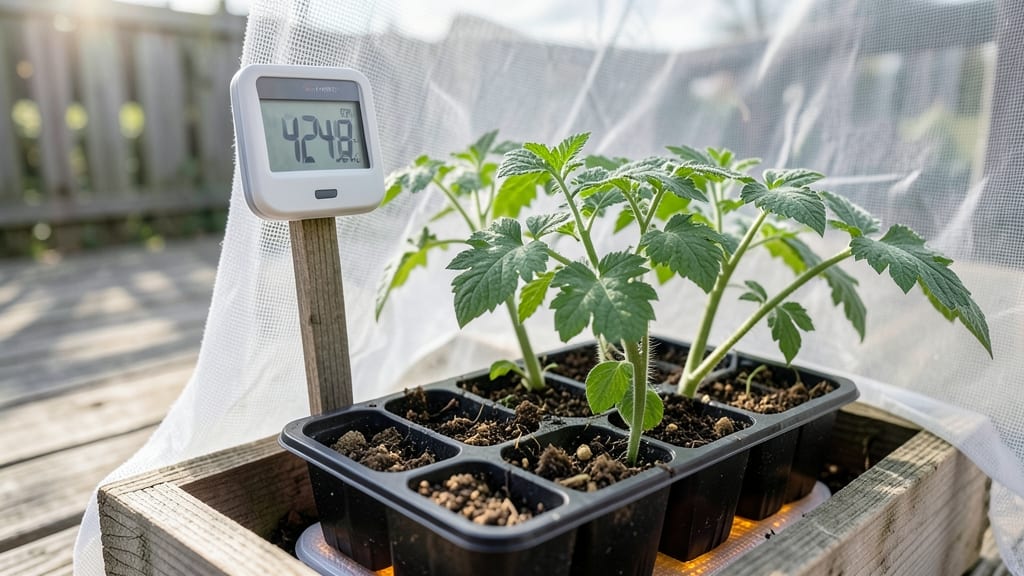
Tomato seedlings shiver below the lowest temperature of 50°F—that’s the magic line where even tough varieties turn mushy. 🌱 I’ve lost more starts than I’d like to admit to frost, but now I know exactly how to protect them: row covers, indoor starts, or simply waiting for the right moment.
The key isn’t rushing them into cold soil—it’s matching their timing to your climate.
Most gardeners make one fatal mistake: planting too early. Seedlings need consistent warmth to grow strong roots, and cold snaps can stall them for weeks. Instead, use frost cloth or a cold frame to buy time, or start them indoors where you control the temperature.
Even in Zone 7, a late frost can still sneak up in April.
What you’ll end up with are stocky, dark-green seedlings ready to thrive once the soil warms to 60°F. The payoff? A harvest that starts earlier and lasts longer than anything from the nursery.
Harden them off gradually—just like you’d toughen up a city kid for summer camp—and they’ll handle outdoor life like pros.
This works for any climate, from short-season Zone 3 to mild Zone 10. Next up: when to transplant those babies for maximum success. Let’s get them growing!
📚 In This Guide
- What you need
- Instructions
- Tips and common mistakes
- Wrapping up and next steps
What you need
- ● Tomato seedlings: Healthy, 2–4 week-old starts (1–2 per container for best growth).
- ● Grow containers: Plastic pots (4–6" diameter) or biodegradable peat pots (for transplanting).
- ● Grow trays with drainage holes (if starting multiple seedlings).
- ● Potting mix: Seed-starting mix or well-draining soil (avoid garden soil—it’s too dense!).
- ● Cold protection gear: Frost cloth or row covers (breathable, lightweight fabric).
- ● Plastic domes or clear plastic cups (for mini greenhouses).
- ● Bubble wrap or old blankets (emergency backup!).
- ○ Heating aid (optional but helpful): Heat mat (set to 65–75°F for seedlings).
- ● Incandescent grow light (12–16 hours/day).
- ● Watering supplies: Spray bottle (for gentle watering).
- ● Watering can with a fine rose (to avoid disturbing soil).
- ● Thermometer: Digital soil or air thermometer (to monitor temps accurately).
- ● ✨ Harden off seedlings: Acclimate them to outdoor temps 1–2 weeks before last frost by placing them outside for 2–4 hours daily.
- ● 🌡️ Know your zone: Check your USDA Plant Hardiness Zone to plan for local frost dates.
- ● 🔥 Avoid overcrowding: Space seedlings 12–18" apart once transplanted to prevent competition.
How to protect tomato seedlings from cold snaps
Here's how I keep my tomato starts thriving even when nighttime temps drop unexpectedly.
🌱 Step 1: Recognize the Critical Temperature Threshold
Tomato seedlings can't handle temperatures below 40°F—that's their absolute minimum. Below this, their cells start breaking down, and you'll see leaves turn black or develop a water-soaked appearance within hours. I always check the forecast before moving plants outside, especially in spring when nights can still dip dangerously.
The real danger zone is 32-40°F. At these temperatures, seedlings may survive briefly but will suffer stunted growth or even die back. Watch for frost warnings in your area—the National Weather Service provides local alerts that save my plants every year.
☀️ Step 2: Use Temporary Cold Protection
For 40-45°F nights, I cover seedlings with frost cloth (the lightweight, breathable fabric) secured with clips or rocks. This raises temperatures by 5-10°F without smothering the plants. Make sure the fabric touches the soil edges to trap warm air—leave a small gap at the bottom if using a hoop tunnel.
Never use plastic sheeting—it creates a greenhouse effect that can scorch leaves during sunny days. Instead, remove covers by 10 AM when temperatures rise above 50°F. You'll see seedlings perk up noticeably within hours of proper airflow.
🪴 Step 3: Implement Long-Term Cold Hardening
Start 2 weeks before your average last frost date by placing seedlings outside during the day and bringing them back in at night. This process, called hardening off, strengthens their cell walls. On nights dipping to 45°F, I move pots to a sheltered spot against a south-facing wall where they benefit from reflected heat.
For 35-40°F nights, I use row covers weighted with small bricks at the edges to prevent wind from tearing them. The key is gradual exposure—each day, leave them out a bit longer. You'll notice stems thickening and leaves developing a deeper green as they adapt.
⏰ Step 4: Activate Emergency Heat Sources
When temperatures drop below 35°F, it's time for emergency measures. I place heat mats under containers or use plant heaters (the small, plug-in units) near seedlings. These keep root zones above 45°F even when air temps plummet. Never let soil temperatures fall below 40°F—this causes irreversible damage.
For garden beds, I create mini cold frames using clear plastic bins with lids. These trap radiant heat from the day and release it slowly at night. Check seedlings daily—if you see condensation on covers during the day, remove them briefly to prevent fungal issues.
🌿 Step 5: Monitor and Adjust Daily
After any cold treatment, inspect seedlings for blackened leaves or wilting stems—these are early warning signs. Trim damaged foliage immediately with clean scissors, cutting just above healthy tissue. Healthy seedlings should bounce back within 24-48 hours of proper care.
Keep a plant journal noting temperatures and treatments. I record my lowest successful temperature each year—last season, my seedlings survived down to 38°F after using all these methods together. The goal is to push limits safely, not risk losing your entire crop to one cold night.
Tips & tricks for protecting tomato seedlings from cold snaps
These battle-tested strategies will help you push your seedlings' limits without risking their survival.
Temperature Thresholds: Remember that 40°F is your absolute minimum—anything below this causes irreversible cell damage. The 32-40°F range is where seedlings struggle most, so monitor forecasts closely. I've found that checking the National Weather Service alerts gives me a 24-hour heads-up before dangerous drops. That extra warning time makes all the difference when planning protection.
Layered Protection Strategy: For 40-45°F nights, frost cloth is your best friend—it raises temps by 5-10°F while allowing airflow. The key is securing it tightly at the edges to trap warm air near the soil. I've learned the hard way that leaving gaps lets cold air sneak in and defeats the purpose. For 35°F or lower, combine frost cloth with heat mats or plant heaters to maintain root zone warmth above 45°F.
Hardening Off Timeline: That 2-week hardening period before last frost is crucial for building resilience. I start by leaving seedlings out for just 1 hour the first day, then gradually increase by 1 hour each subsequent day. This slow adaptation prevents shock. Watch for leaves developing a deeper green—this visual cue tells me they're strengthening their cell walls properly.
Daily Monitoring Routine: After any cold treatment, check seedlings for blackened leaves or wilting stems—these are your early warning signs. I trim damaged foliage immediately with clean scissors, always cutting just above healthy tissue. This prevents disease from spreading to the rest of the plant. Healthy seedlings typically bounce back within 24-48 hours of proper care, but don't wait that long to act if you see problems.
Pro Tips for Lowest Temperature For Tomato Seedlings
- These battle-tested strategies will help you push your seedlings' limits without risking their survival.
- Temperature Thresholds: Remember that 40°F is your absolute minimum—anything below this causes irreversible cell damage.
- Layered Protection Strategy: For 40-45°F nights, frost cloth is your best friend—it raises temps by 5-10°F while allowing airflow.
Frequently asked questions
Got questions about keeping your tomato seedlings safe in chilly weather? You’re not alone! Here are answers to the most common concerns—so you can protect your future harvest without stress.
What’s the absolute lowest temperature tomato seedlings can tolerate?
Tomato seedlings typically survive down to 32°F (0°C), but prolonged exposure to freezing temps (<32°F) will kill them. If frost is forecasted, act fast—even a light frost can stunt growth or cause irreversible damage. For extra safety, aim to keep seedlings above 40°F (4°C).
How do I protect seedlings from a sudden cold snap?
Use these quick fixes:
- Cloche or row covers: Drape lightweight fabric or plastic over seedlings to trap heat.
- Mulch: Pile straw or leaves around the base to insulate roots.
- Move indoors: Temporarily relocate pots to a sunny windowsill or under grow lights.
- Heat sources: Place a safe, low-wattage bulb nearby (never direct contact!).
When is it too early to plant seedlings outdoors?
Wait until the soil temperature reaches at least 50°F (10°C) and nighttime temps stay above 55°F (13°C). Use a soil thermometer to check—cool soil slows growth, and seedlings may rot or fail to thrive. In cold climates, start seedlings 6–8 weeks before the last frost date indoors.
Can I save frost-damaged seedlings, or should I start over?
Check for wilting, blackened leaves, or mushy stems—these are signs of irreversible damage. If only the tops are frosted but roots look healthy, trim damaged foliage and monitor closely. If roots are affected, it’s safer to replant. Pro tip: Harden off new seedlings gradually to boost cold resistance!
Are there cold-hardy tomato varieties for early planting?
Yes! Try these varieties known for better cold tolerance:
Variety
Cold Tolerance Notes
‘Stupice’
Handles temps down to 28°F (-2°C); slow to germinate but resilient.
‘Mountain Merit’
Tolerates brief dips to 30°F (-1°C); disease-resistant.
‘Siberian’
Survives 23°F (-5°C) for short periods; great for short seasons.
Wrapping up and next steps
Growing tomato seedlings strong and resilient starts with understanding their temperature limits—never let them face below 32°F (0°C), as frost will stall or kill them.
With the right protection (like row covers or heat mats) and gradual hardening, your seedlings can thrive even in cooler climates. You’ve got this!
Ready to take the next step? Start monitoring your local frost dates and plan your transplanting schedule to avoid chilly surprises. Happy gardening—your future tomato harvest is waiting! 🌱🍅