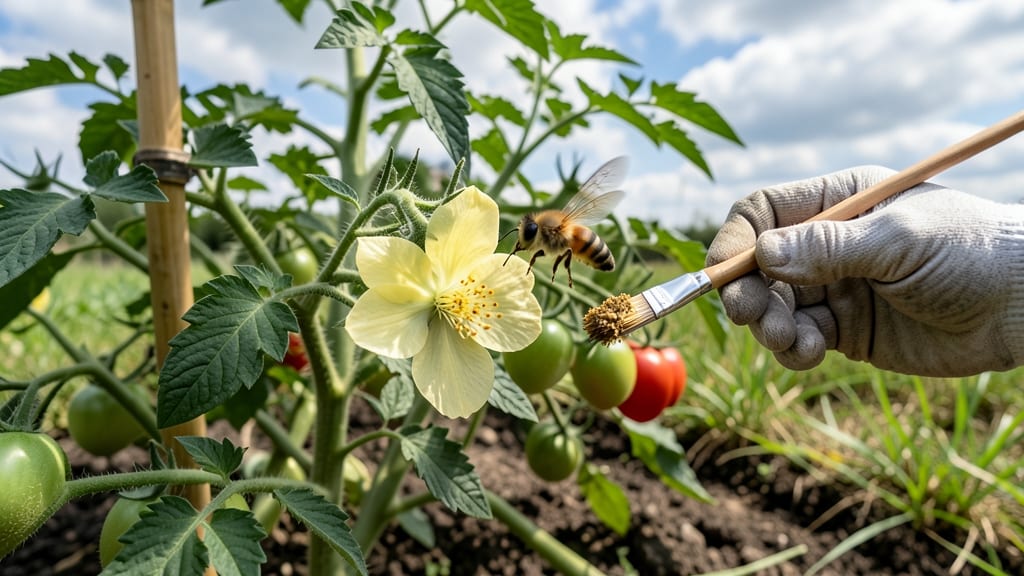
💥 Quick Answer Tomato plants don't strictly need bees to pollinate, as they can self-pollinate through wind or gentle shaking, but bees dramatically improve fruit set and quality by enhancing cross-pollination. Tomatoes…
💥 Quick Answer A hybrid tomato plant is a crossbred variety developed by combining traits from two different parent plants to improve disease resistance, flavor, yield, or adaptability, often outperforming heirloom or…
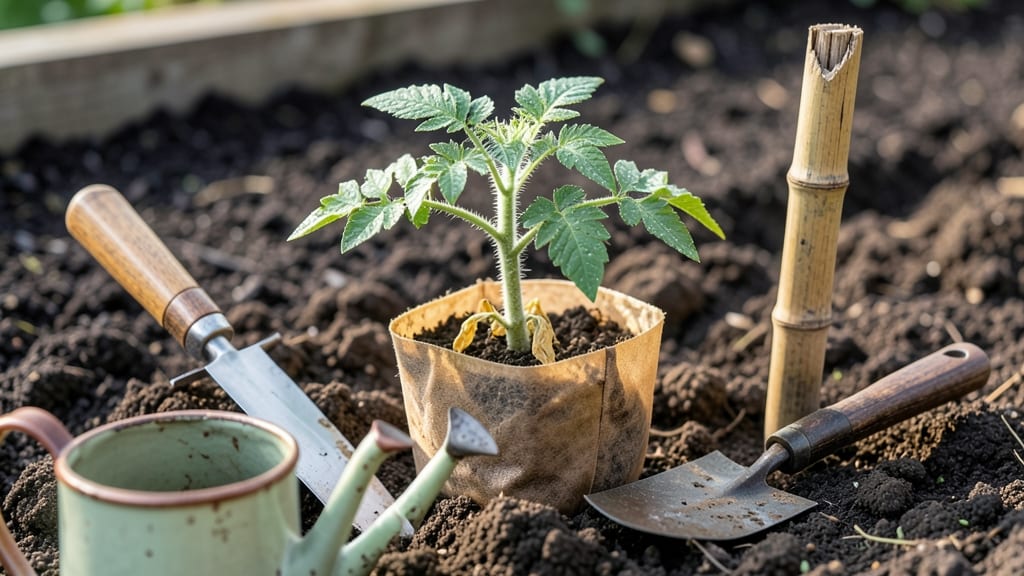
Growing a tomato plant from a grocery-store tomato is easier than you'd think—just save the seeds inside. 🌱 I've turned store-bought tomatoes into thriving plants year after year, and the secret starts with a simple…
Tomato plants need a lot of sun to thrive, and if yours aren’t producing the way you expect, light might be the culprit. Picture this: you’ve planted your 🍅 seedlings with care, watered them just right, and even…
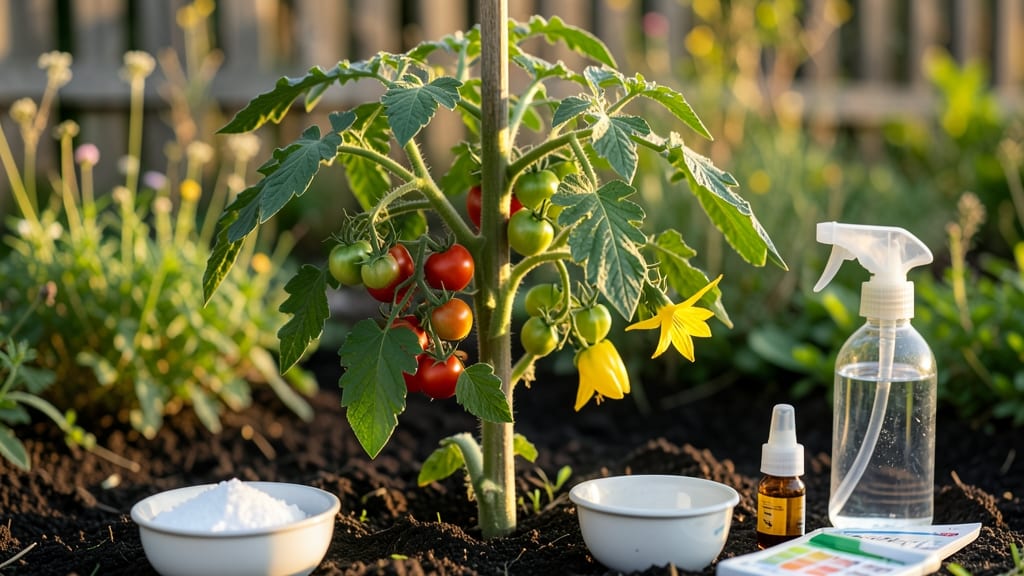
💥 Quick Answer Baking soda can be good for tomato plants when used sparingly as a natural fungicide or soil pH adjuster, but overuse risks nutrient deficiencies or plant stress due to high sodium content. Baking soda…
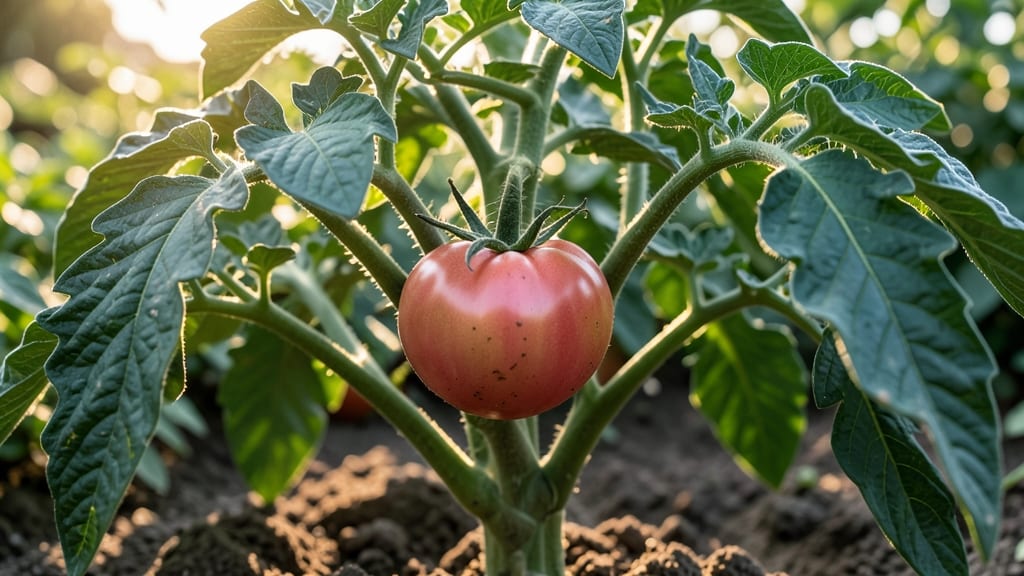
Root-knot nematodes can devastate tomato plants, but these 10 nematode-resistant varieties thrive even in infested soil while delivering exceptional flavor and productivity. Perfect for organic gardeners and commercial…
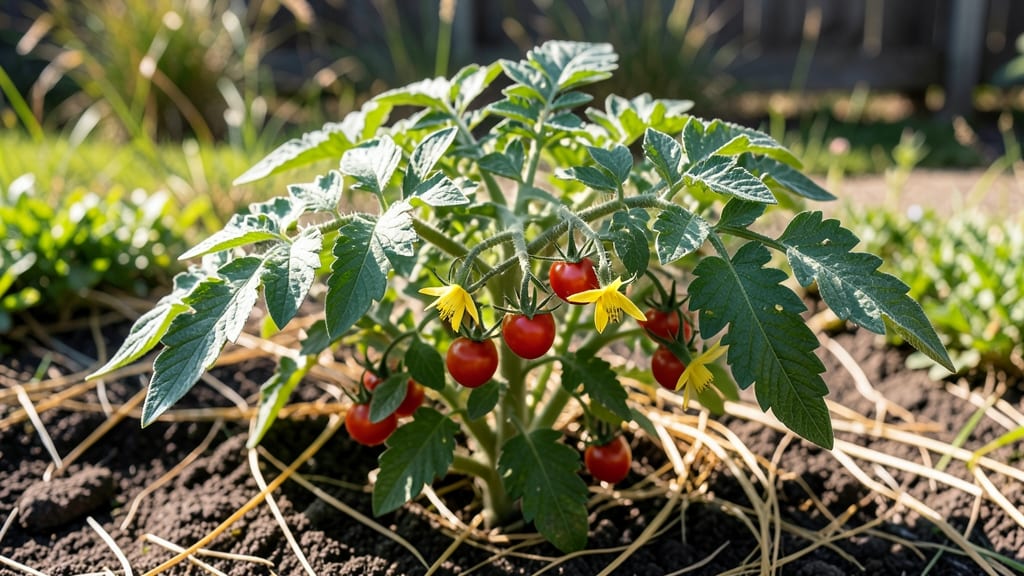
💥 Quick Answer The world's smallest tomato variety is 'Tiny Tim,' producing fruits just 1 inch wide and under 1 ounce each. These pint-sized heirlooms are prized for their ornamental appeal and delicate flavors…
I still remember the first tomato I grew from seed—it was tiny, sunburned, and tasted like summer in a bite. That moment hooked me for life, and now I spend my days digging into soil, chasing the perfect harvest, and sharing every lesson (and disaster) along the way.
This site is where I pass on the tricks I’ve learned from backyard experiments, community gardens, and a few too many failed crops. If you’re here, you’re already part of the fun.