
Companion Plants
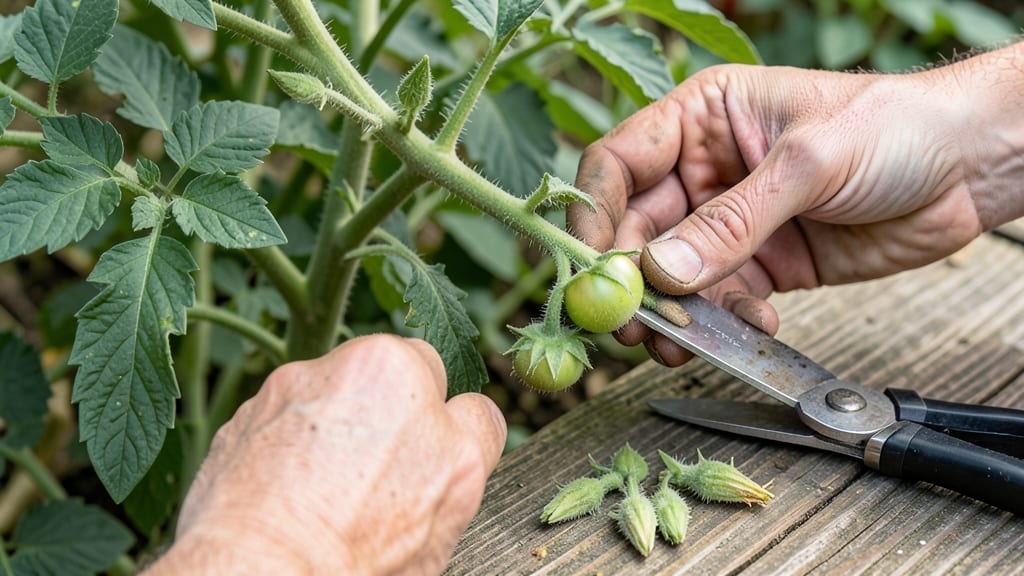
Pinching off tomato plants isn't just pruning—it's the secret to bushier growth and more tomatoes on the vine. 🌱 I used to ignore it, thinking my plants would just "figure it out," but after one season of pinching, my yields doubled.
The key is timing and knowing exactly what to cut. You'll need sharp pruning shears, a sunny morning, and about 15 minutes to inspect each plant. The goal is to remove suckers (those little shoots between main stems) and sometimes early flowers to redirect energy into stronger stems.
This isn't about making your plant look perfect—it's about setting it up for heavier, healthier fruit. By mid-summer, you'll notice thicker stems, more leaves, and clusters of tomatoes where there were once just a few.
The plants handle heat and rain better, and the flavor? Rich and concentrated from all that focused energy. Start now, and by harvest time, your neighbors will be asking for your secret. The best part? This works for both determinate (bush) and indeterminate (vining) varieties—just adjust your approach.
📚 In This Guide
- What you need
- Instructions
- Tips and common mistakes
- Wrapping up and next steps
What you need
- ● Clean, sharp pruning shears or scissors – Choose bypass-style (not anvil) to avoid crushing stems. Sterilize with rubbing alcohol or a 10% bleach solution before and after use.
- ○ Gloves (optional but recommended) – Protect your hands from thorns and sap. Opt for nitrile or latex-free gloves if you have sensitive skin.
- ● Tomato plants – Healthy, determinate or indeterminate varieties (indeterminate benefits most from pinching). Aim for plants with 4–6 true leaves before starting.
- ● Garden twine or soft plant ties – A 3–4 foot roll of twine (¼-inch width) to support stems post-pruning.
- ● Sturdy stakes or cages – 5–6 foot tall bamboo stakes or 3-foot tomato cages (1–2 per plant, depending on size).
- ● Disinfectant spray (e.g., hydrogen peroxide or neem oil) – Spray cut areas to prevent disease. Mix 1 part 3% hydrogen peroxide to 9 parts water for a gentle solution.
- ● Garden marker or labels – Mark pruned spots with a biodegradable marker to track growth progress.
- ● Compost bin or bucket – For collecting pruned leaves/stems (great for nutrient-rich compost!).
- ● Magnifying glass (for precision) – Helps spot suckers (tiny shoots in leaf axils) more easily.
Step-by-Step guide to pinching off tomato plants
Here's how to shape your tomato plants for stronger stems and bigger harvests—no guesswork involved.
🌱 Step 1: Identify the Right Time to Begin
Start pinching when your tomato plants reach about 12-18 inches tall—usually after they've developed 4-6 true leaves. This is the sweet spot before the plant puts too much energy into vertical growth. Look for the main stem (the thickest central stem) and the first set of leaves just above the soil line.
I always wait until the plant has at least one flowering cluster forming. Pinching too early can stunt growth, while waiting too long means the plant has already committed to vertical growth. The goal is to redirect energy into bushier side stems that produce more fruit.
✂️ Step 2: Locate and Pinch the Suckers
Suckers are the small shoots that grow in the leaf axils (the angle between a leaf and the main stem). They appear as tiny, leafy growths about 1-2 inches long. Use your thumb and forefinger to gently squeeze the sucker off—no need for scissors.
Real talk: These shoots are stubborn. If you tug too hard, you might damage the main stem. Instead, pinch just above the sucker's base where it meets the main stem. You'll see a small bump where it grows out—pinch right above that bump. This ensures the plant redirects energy where you want it.
🌿 Step 3: Pinch the Main Stem at the Right Height
After removing suckers, decide whether to pinch the main stem itself. For determinate tomatoes (bush varieties), let the plant grow naturally—no pinching needed. For indeterminate tomatoes (vining types), pinch the main stem above the first or second flower cluster once the plant reaches your desired height (usually 4-5 feet for most gardeners).
This forces the plant to focus on side branches, which produce more fruit. You'll know you're doing it right when you see thicker side stems forming below the pinched point. If you skip this step, your plant will keep growing tall and leggy, with fewer fruit-bearing branches.
☀️ Step 4: Monitor and Repeat Weekly
Check your tomato plants once a week for new suckers. They grow fast—sometimes in just 3-5 days—so consistency is key. Focus on removing suckers that are smaller than 2 inches for easiest removal. Larger suckers can be trimmed with clean scissors if needed, but always cut just above the leaf axil.
Here's the thing—pinching isn't a one-time job. Keep it up until late summer, when your plant starts flowering heavily. By then, it should have a stocky, bushy shape with multiple strong branches. This structure supports more fruit and reduces the risk of disease by improving airflow.
⏰ Step 5: Adjust for Late-Season Growth
As your tomatoes near harvest, shift focus from pinching to support and pruning. Remove any suckers that appear below the first flower cluster—these won't contribute to fruit production. Also, prune away any yellowing or diseased leaves to keep the plant healthy.
You'll know you've done it right when your plant looks like a well-branched shrub rather than a tall, spindly pole. This structure not only boosts yield but also makes harvesting easier. Plus, the extra support from side branches means less risk of stems snapping under the weight of ripe tomatoes.
Tips & tricks for perfect tomato plant pruning
These simple but game-changing tricks will help you shape your tomato plants like a pro—no green thumb required.
Timing Secret: The 12-18 inch height mark isn't arbitrary—it's when your plant has enough energy to recover from pruning. I've learned the hard way that pinching too early (before 4-6 true leaves) can stress young plants, while waiting too long means you're fighting a plant that's already committed to vertical growth. Look for that first flowering cluster as your final confirmation.
Technique Tip: When removing suckers in Step 2, focus on the angle—pinch just above the small bump where the sucker meets the main stem. This is where the plant's energy flows, so cutting here redirects it to the side branches where you want fruit production. I use my thumb and forefinger for small suckers, but for stubborn ones, clean scissors work best—just sterilize them first with rubbing alcohol to prevent disease spread.
Growth Strategy: For indeterminate varieties, the 4-5 foot height limit in Step 3 is your sweet spot. Any taller and the plant becomes top-heavy, risking breakage. I've found that pinching above the first or second flower cluster creates the perfect balance—enough vertical growth for sunlight exposure while encouraging strong side branches. This is where the magic happens for fruit production!
Maintenance Hack: The weekly check in Step 4 is non-negotiable—suckers can grow from nothing to 2 inches in just 3-5 days! I set a reminder on my phone for this task because consistency is everything. Pro tip: Use a small notebook to track your pruning dates—you'll notice patterns in how quickly new suckers appear as the season progresses.
Pro Tips for Pinching Off Tomato Plants
- These simple but game-changing tricks will help you shape your tomato plants like a pro—no green thumb required.
- Timing Secret: The 12-18 inch height mark isn't arbitrary—it's when your plant has enough energy to recover from pruning.
- Technique Tip: When removing suckers in Step 2, focus on the angle—pinch just above the small bump where the sucker meets the main stem.
Frequently asked questions
Got questions about pinching off tomato plants? You’re not alone!
Here are some of the most common queries—plus clear, actionable answers to help you master this technique like a pro.
Why should I pinch off tomato suckers at all?
Pinching off suckers (those little shoots between the stem and branches) redirects the plant’s energy toward fruit production instead of leafy growth. This leads to bigger, healthier tomatoes and a more manageable plant. Think of it as pruning a bush—you’re shaping it for success!
When is the best time to pinch off tomato suckers?
Start when your tomato plant is 12–18 inches tall (usually 2–3 weeks after transplanting). Pinch off suckers that are smaller than a pencil—they’re easier to remove and less likely to cause stress. Do this in the morning so wounds heal faster in daylight. Repeat every 1–2 weeks until flowering begins.
What if I miss a sucker and it grows too big? Can I still pinch it off?
Even larger suckers can be removed, but do it gently to avoid damaging the main stem. If the sucker is woody or thick, snip it with clean pruners just above a leaf node. Just be prepared for a slight temporary setback—the plant may drop a few leaves, but it’ll bounce back stronger.
Is pinching necessary for all tomato varieties?
Not quite! Indeterminate tomatoes (like cherry or beefsteak varieties) benefit the most from pinching, as they grow continuously. Determinate tomatoes (like Roma or bush varieties) usually don’t need pruning—they’re designed to stop growing and produce fruit all at once. Always check your seed packet or plant tag for guidance!
What if my tomato plant looks stressed after pinching?
Don’t panic! Mild stress (like a few yellow leaves) is normal, but over-pruning can weaken the plant. If you see wilted leaves or stunted growth, back off and let it recover. Water deeply, avoid fertilizing for a week, and keep an eye out for pests. With proper care, your tomato should rebound and thrive—just give it time!
Pro Tip:
Use a sharp, sterilized pair of pruners (or your fingers!) to pinch suckers at a 45-degree angle. This reduces the risk of disease and helps the plant heal faster. And remember: Less is more—focus on quality over quantity when trimming!
Wrapping up and next steps
Pinching off tomato plants is a simple yet powerful technique to boost your harvest—whether you’re a seasoned gardener or just starting out!
By removing suckers and shaping your plants early, you encourage stronger stems, more flowers, and bigger, healthier tomatoes. 🌱 Don’t let hesitation hold you back; grab those pruners and get trimming!
Ready to see the results? Start with just one plant this season, monitor its progress, and soon you’ll be a pro at pinching for success. Happy gardening!