
Landscaping
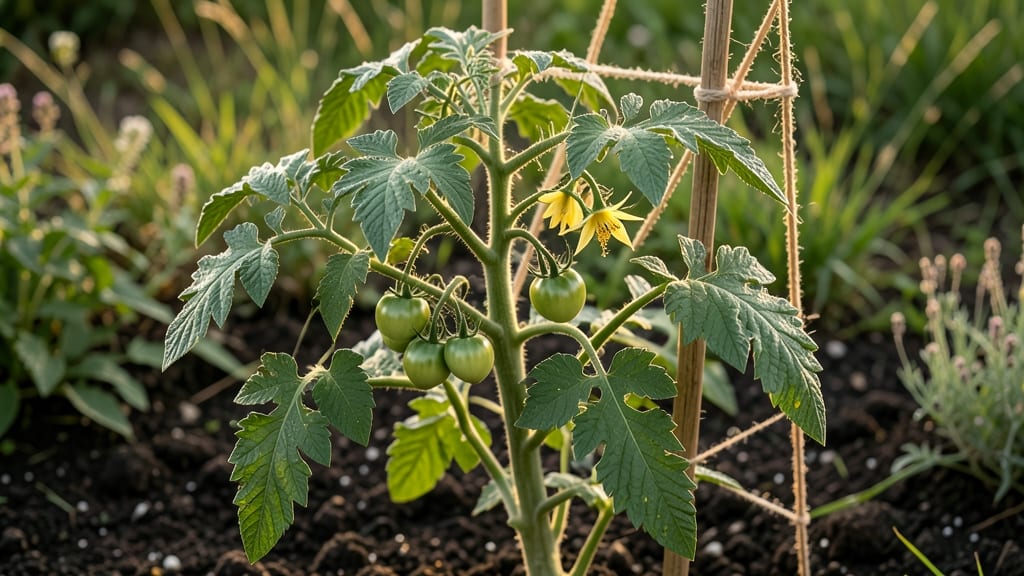
Growing tomato plants in a planter box turns even the smallest patio into a sun-drenched harvest zone. 🌱 I learned the hard way that not all tomatoes thrive in containers—but the right varieties, soil, and care transform a simple box into a fruit factory.
My first attempt with a sprawling beefsteak nearly toppled the stand, but this year's cherry tomatoes are thriving and producing like crazy.
Start with determinate varieties like 'Sweet 100' or 'Roma' for compact growth, and choose a planter box at least 18 inches deep with drainage holes. The secret sauce is a 50/50 mix of potting soil and compost, topped with a slow-release fertilizer.
Place your box where it gets 6-8 hours of sunlight daily—tomatoes are sun worshippers, and they'll tell you if they're unhappy with yellowing leaves.
Watering is where most people stumble: deep soaks twice a week (more in heatwaves) keep roots happy without drowning them. Prune suckers regularly to boost airflow and fruit production, and watch for early signs of blight or pests—catching them fast makes all the difference.
By mid-summer, you'll be harvesting plump, vine-ripened tomatoes that outshine anything from the store.
This method works for balconies, rooftops, or sunny windowsills—no yard needed. The key is adapting: use self-watering containers in hot climates, add trellises for indeterminate types, and don't skimp on the soil. Your first harvest will taste like victory, and you'll be hooked for seasons to come.
📚 In This Guide
- What you need
- Instructions
- Tips and common mistakes
- Wrapping up and next steps
What you need
- ● Planter box: At least 12–18 inches deep and 12–24 inches wide (per tomato plant). Larger boxes (e.g., 24" x 48") can fit 2–4 plants.
- ● High-quality potting mix: 10–15 gallons (sterile, well-draining mix with compost or aged manure). Avoid garden soil—it compacts!
- ● Tomato seeds or seedlings: Seeds: 2–4 seeds per box (or 1–2 per cell in seed trays). Start indoors 6–8 weeks before last frost.
- ● Seedlings: 1–2 healthy plants per box (transplant after hardening off).
- ● Fertilizer: Balanced 10-10-10 or tomato-specific fertilizer (follow package rates). Organic options like compost tea or worm castings work too!
- ● Support system: Cages: 5–6 ft tall (1 per plant).
- ● Trellis or stakes: 6+ ft long (2–3 per plant).
- ● Drip irrigation or watering can: 1–2 gallons capacity (self-watering planters are a game-changer!).
- ● Mulch: 1–2 inches of straw or shredded leaves to retain moisture.
- ● Pruning shears: Sharp, clean pair for trimming suckers and dead leaves.
- ● Grow lights: For seed starting (12–16 hrs/day).
- ● pH test kit: Aim for 6.0–6.8 (tomatoes love slightly acidic soil).
- ● Slow-release fertilizer pellets: Mix into soil at planting for steady nutrition.
- ● Row covers: Protect young plants from pests or cold snaps.
- ● Tomato saver clips: Secure vines to supports without damaging stems.
Step-by-step guide to growing tomato plants in planter boxes
Here's how to transform a simple planter box into a productive tomato haven—no greenhouse needed.
🌱 Step 1: Select and Prepare Your Planter Box
Choose a box that's at least 12 inches deep—tomato roots need room to spread, and shallow containers stunt growth. I like cedar because it's naturally rot-resistant, but any sturdy material works. Drill drainage holes in the bottom if they don't exist, then line the interior with landscape fabric to prevent soil from washing out while still allowing water through.
Fill the box with high-quality potting mix mixed with compost (I use a 70/30 ratio). Avoid garden soil—it compacts in containers and suffocates roots. Moisten the mix until it feels like a damp sponge, then let it settle for an hour before planting. This ensures even moisture distribution right from the start.
☀️ Step 2: Plant Seedlings at the Right Depth and Spacing
For four plants, space them 18 inches apart in a square pattern. Dig holes just deep enough to bury the seedlings up to their first true leaves—burying stems too deep causes rot, while planting too shallow leaves roots exposed. Gently firm the soil around each plant to eliminate air pockets, then water deeply to settle everything.
Here's the thing—tomatoes need full sun (6+ hours daily), so position your box where it gets morning light and afternoon shade if your climate runs hot. If you only have partial sun, choose indeterminate varieties like 'Sungold'—they tolerate less light better than heirlooms. Watch for leaves turning pale yellow; that's your signal to move the box to sunnier spot immediately.
💧 Step 3: Water and Fertilize for Consistent Growth
Water deeply every 2-3 days until the top 2 inches of soil feel dry—shallow watering encourages weak roots. I use a soaker hose to deliver moisture at the base without wetting foliage, which prevents fungal diseases. Mulch with 2 inches of straw after planting to lock in moisture and suppress weeds. This is especially critical in planter boxes where soil dries out faster than in-ground gardens.
Feed plants with a balanced liquid fertilizer (10-10-10) every 2 weeks once flowers appear. Too much nitrogen early on leads to leafy growth at the expense of fruit. You'll know you're doing it right when vines grow 12-18 inches per week and leaves stay deep green. If new leaves yellow between veins, that's a classic sign of over-fertilizing—flush the soil with plain water and cut back on feedings.
✂️ Step 4: Prune and Support Vines for Maximum Yield
Install tomato cages or stakes when plants reach 12 inches tall—waiting too long makes training difficult. For indeterminate varieties, prune suckers (the small shoots that grow in the leaf axils) to encourage upward growth and better air circulation. I remove suckers larger than 2 inches to avoid stressing the plant. This might seem harsh, but it redirects energy to fruit production.
Watch for first flower clusters appearing about 6-8 weeks after planting. Pinch off the first few flowers if your plants are still small—this encourages stronger stem development before they bear fruit. Once vines hit the top of your cage, trim the main stem to promote bushier growth. You'll see fruit set within 2 weeks of proper pruning, and the difference in yield is dramatic compared to unpruned plants.
🍅 Step 5: Harvest and Extend the Season
Harvest tomatoes when they're fully colored and slightly soft to the touch—waiting too long leads to cracked fruit. Pick regularly to encourage more production; I harvest every 2-3 days during peak season. For planter boxes, indeterminate varieties like 'Better Boy' produce until frost, while determinate types like 'Celebrity' finish in 70-80 days. This is why variety choice matters so much for container growing.
To extend the season, cover boxes with frost cloth when nighttime temperatures drop below 50°F. Remove it during the day to let sunlight through. With proper care, you can keep producing tomatoes 2-3 weeks beyond what your hardiness zone suggests. The key is watching your plants—not the calendar—and adjusting protection accordingly.
Tips & tricks for thriving planter box tomatoes
Here's what nobody tells you about growing tomatoes in containers—these tricks make all the difference.
The Depth Factor: That 12-inch minimum depth isn't just a suggestion—it's critical for root development. I've seen shallow boxes (under 10 inches) where plants grew slowly and produced tiny fruits. If you're working with a shallower box, add a layer of gravel at the bottom to create extra root space. This mimics natural soil depth and prevents root binding, which stunts growth in containers.
Sunlight Strategy: The 6+ hours of full sun requirement is non-negotiable, but here's the secret: morning sun is more important than afternoon in hot climates. Position your box to catch east-facing sunlight first, then supplement with west-facing exposure. I've noticed indeterminate varieties like 'Sungold' actually tolerate partial shade better than heirlooms because they grow continuously—so if you're limited on space, they're the smart choice for planter boxes.
Watering Wisdom: That 2-3 day watering schedule assumes consistent temperatures. In hot weather, you might need daily watering, while cooler days could stretch it to 4 days. The key is checking soil moisture at the 2-inch depth—this is where roots actively absorb water. I use a simple screwdriver to test: if it comes out clean, water again. Overwatering is just as damaging as underwatering in containers.
Fertilizer Timing: The 2-week feeding schedule starts only after flowers appear—this isn't a mistake, it's intentional. Too much nitrogen early on creates leafy monsters with no fruit. I've seen gardeners double their fertilizer too soon, and their plants just grew taller without producing a single tomato. Once flowers appear, that's when you switch to a balanced feed and watch your plants respond with vigorous growth and fruit set.
Pro Tips for Planter Box Tomato Plants
- Here's what nobody tells you about growing tomatoes in containers—these tricks make all the difference.
- The Depth Factor: That 12-inch minimum depth isn't just a suggestion—it's critical for root development.
- Sunlight Strategy: The 6+ hours of full sun requirement is non-negotiable, but here's the secret: morning sun is more important than afternoon in hot climates.
Frequently asked questions
Got questions about growing tomato plants in planter boxes? You’re not alone! Here are some of the most common queries—plus quick, actionable answers to keep your vines happy and productive.
What’s the best tomato variety for a planter box?
Choose determinate (bush) varieties like ‘Roma,’ ‘Patio,’ or ‘Tiny Tim’—they stay compact (3–4 ft tall) and thrive in containers. Indeterminate types (e.g., ‘Cherry,’ ‘Sungold’) need deeper boxes (18"+) and staking, but reward you with continuous harvests. Pro tip: Dwarf or patio hybrids are perfect for small spaces!
When is the ideal time to plant tomato seeds in a planter box?
Start seeds indoors 6–8 weeks before your last frost date (use a seedling heat mat for warmth). Transplant seedlings after soil temps hit 60°F+ and nighttime temps stay above 50°F. For faster results, buy transplants from a nursery 2–3 weeks before the last frost. Watch out: Tomatoes hate cold soil—waiting too long delays fruiting!
How often should I water tomato plants in a planter box?
Water deeply 1–2 times per week (more in heatwaves), aiming for 1–1.5 gallons per plant. Let the top 1–2 inches of soil dry between waterings to prevent root rot. Morning watering is best—it reduces evaporation and fungal risks. Hack: Use a moisture meter or poke your finger in the soil to check!
Why are my tomato leaves turning yellow or curling in a planter box?
Yellow leaves often signal overwatering or nutrient deficiencies (like nitrogen). Curling can mean aphids, spider mites, or heat stress. Check the undersides of leaves for pests—spray with neem oil if needed. Adjust care: Ensure drainage, fertilize with tomato-specific feed, and provide afternoon shade in extreme heat.
Can I grow tomatoes in a planter box without soil?
Yes! Hydroponics or coco coir work well for tomatoes in containers. Use a deep water culture (DWC) system or soilless mix (60% coco coir, 30% perlite, 10% worm castings). Monitor pH (5.8–6.5) and nutrient levels closely—tomatoes are heavy feeders. Bonus: Hydroponic tomatoes grow faster and yield more in small spaces!
How do I protect my planter-box tomatoes from pests?
Prevent pests with row covers, reflective mulch, or companion plants (basil, marigolds). For existing issues:
Blossom end rot? Add calcium (crushed eggshells or lime) and keep soil moist.
Hornworms? Handpick them (they’re huge and easy to spot!).
Fungal spots? Prune infected leaves and space plants for airflow.
Preventative tip: Rotate crops yearly and avoid wetting foliage when watering.Wrapping up and next steps
Growing tomato plants in a planter box is a rewarding journey that brings fresh, homegrown flavor to your table—and it’s easier than you think! 🌱 With the right soil, sunlight, and care, you’ll soon be harvesting juicy, vine-ripened tomatoes that taste far better than store-bought.
Whether you’re a beginner or a seasoned gardener, this method makes it simple to enjoy the sweet satisfaction of homegrown produce.
Now that you’re armed with tips and answers, it’s time to get your hands dirty! Start by gathering your materials, prep your planter box, and plant those seeds or seedlings.
Before you know it, you’ll be feasting on sun-warmed tomatoes straight from your own backyard. Happy gardening—and enjoy the harvest! 🍅✨