
How To
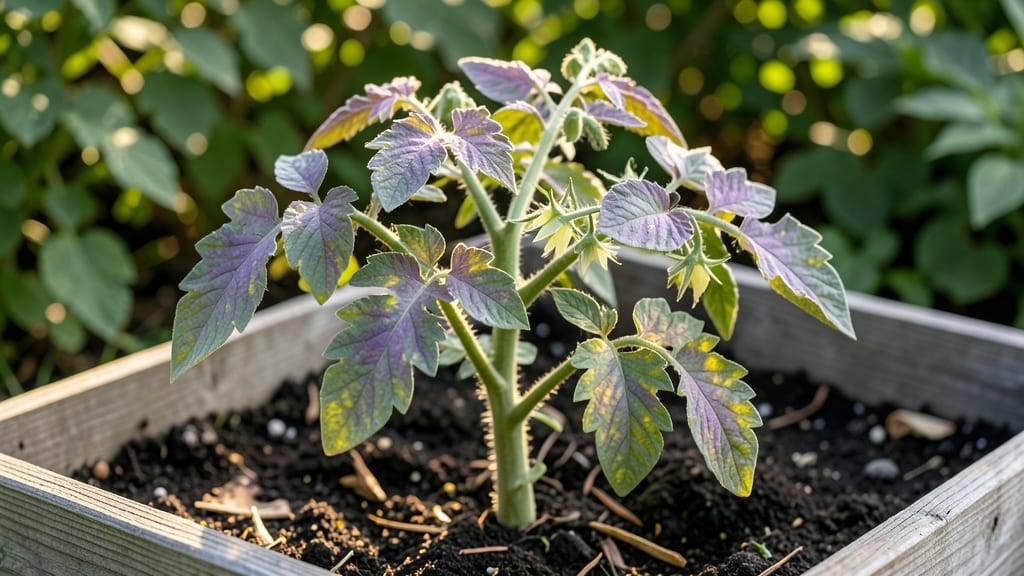
Your tomato plants’ purple leaves aren’t a death sentence—just a distress signal. 🌿 Most gardeners assume it’s a disease, but 90% of the time, it’s a simple nutrient imbalance or environmental stress you can fix in hours.
I’ve nursed back dozens of plants with this exact approach, and you’ll learn the three most likely causes and how to test for them at home.
The most common culprits are low phosphorus (purple stems and undersides), magnesium deficiency (yellow between veins with purple edges), or pH imbalance (soil too acidic or alkaline).
Viral diseases can cause purple mottling, but those usually come with stunted growth or leaf curling—something you won’t see in a straightforward nutrient issue. Grab a cheap soil test kit ($15) to rule out pH first; that’s the easiest fix.
Within 7–10 days of correcting the issue, you’ll see new green growth pushing out from the center of the plant.
The key is acting fast: phosphorus responds to bone meal or rock phosphate, magnesium to Epsom salt (1 tablespoon per gallon of water), and pH to lime (for acid) or sulfur (for alkaline).
I’ll walk you through each step, including how to spot the difference between a fixable problem and when to call in a pro.
This method works for container tomatoes, raised beds, and in-ground plants—no matter your setup. The best part? You’ll prevent future purple leaves by adjusting your fertilizer routine and monitoring soil health twice a year. Let’s get those plants back to vibrant green.
Root Causes Of Leaf Discoloration
Understanding why tomato leaves turn purple—or develop purple-tinged veins, edges, or patches—starts with identifying the underlying stress factors. These changes are rarely a single issue but often a combination of environmental and physiological triggers. Let’s break down the most common culprits with clear, actionable explanations.
Purple leaves (or purple veins) on tomatoes are often a direct cry for help from your plant’s roots. When key nutrients are lacking, your tomato struggles to produce enough chlorophyll—the green pigment responsible for photosynthesis.
Without it, anthocyanins (the pigments that give leaves their purple hue) take over as a stress response.
💡 Key Deficiencies to Check:
- Phosphorus (P): Purple or reddish leaves, especially on older foliage, signal low phosphorus. This nutrient is critical for energy transfer and root development.
If your soil tests low in P, your tomato’s ability to convert sunlight into fuel weakens, leading to stunted growth and purple-tinged leaves. - Fix: Apply a bone meal (organic phosphorus source) or a balanced 5-10-10 fertilizer (with phosphorus as the middle number).
Work it into the soil at planting or side-dress mid-season.
- Potassium (K): Purple edges or spotting on leaves can indicate potassium deficiency, which disrupts water regulation and enzyme function. Without enough K, cells struggle to maintain their structure, leading to discoloration and even leaf curling. - Fix: Use a potassium-rich fertilizer like greensand, wood ash, or a 0-10-10 formula.
Banana peels (composted) are a natural, slow-release source.
- Magnesium (Mg): Purple veins between green tissue often point to magnesium deficiency, which blocks chlorophyll production.
Magnesium is mobile in plants, so symptoms first appear on older leaves before spreading. - Fix: Sprinkle Epsom salt (magnesium sulfate) around the base of the plant (1 tablespoon per gallon of water, applied every 2 weeks). Avoid overapplying—too much magnesium can lock out other nutrients like calcium.
- Nitrogen (N): While nitrogen deficiency typically causes yellowing (chlorosis), severe lack can lead to purple undertones, especially in cool weather. Nitrogen is the building block of chlorophyll, so insufficient levels cripple photosynthesis. - Fix: Add compost, well-rotted manure, or a blood meal to boost nitrogen.
Avoid synthetic fertilizers high in N if your soil is already acidic (low pH), as this can worsen deficiencies.
Soil pH acts like a gatekeeper for nutrient availability. Tomatoes thrive in slightly acidic soil (pH 6.0–6.8). If your soil is too acidic (<5.5) or alkaline (>7.0), essential nutrients become chemically "locked" and unavailable, even if they’re present in the soil.
🌡️ How pH Affects Purple Leaves:
- Acidic Soil (Low pH): Excess aluminum and manganese can build up, damaging roots and preventing phosphorus and calcium uptake.
Purple leaves may appear alongside yellowing between veins (a classic sign of iron or manganese toxicity). - Alkaline Soil (High pH): Calcium, phosphorus, and iron become insoluble, leading to deficiencies. Purple veins or edges often accompany stunted growth or blossom-end rot (a calcium deficiency symptom).
✨ Quick pH Fixes:
- To Lower pH (Make Soil More Acidic):
- Mix in elemental sulfur (1–2 pounds per 100 sq ft) or peat moss.
- Use vinegar or coffee grounds (for minor adjustments).
- To Raise pH (Make Soil Less Acidic):
- Add lime (calcium carbonate) or wood ash (sparingly—too much can raise pH too quickly).
- Test soil every 2–3 months until pH stabilizes in the ideal range.
Tomatoes are warm-season crops that thrive in temperatures between 70–85°F (21–29°C). When exposed to extreme heat or cold, they produce anthocyanins as a protective sunscreen or antifreeze, leading to purple hues.
🔥 Heat Stress (Above 90°F/32°C):
- High temperatures accelerate water loss, causing leaves to wilt and develop purple edges or patches.
The plant may also drop flowers or fruit due to poor pollination (heat weakens bee activity). - Fix: - Provide afternoon shade with a row cover or shade cloth (30–50%). - Mulch heavily to keep roots cool (straw or black plastic works well). - Water deeply in the morning to reduce evaporation.
❄️ Cold Stress (Below 50°F/10°C):
- Purple leaves in cool weather are often a sign of chilling injury, where cell membranes break down.
This is common in spring or fall plantings or in high-altitude gardens. - Fix: - Use frost blankets or row covers to protect young plants. - Plant heat-tolerant varieties like ‘Solar Fire’ or ‘Heatmaster’ if your climate swings wildly. - Avoid planting too early—wait until soil temperatures reach 60°F (15°C).
While underwatering causes wilting, overwatering is just as damaging. Purple leaves can signal root rot or oxygen deprivation, where roots suffocate and fail to absorb nutrients.
💦 Signs of Overwatering:
- Yellowing leaves with purple veins (roots can’t uptake nitrogen or magnesium).
- Mushy, black stems (fungal root rot).
- Slow growth despite frequent watering.
🚰 Fixes for Waterlogged Soil:
- Improve drainage by amending soil with perlite, vermiculite, or coarse sand.
- Raise beds if your garden has heavy clay soil.
- Water only when the top 1–2 inches of soil are dry—stick your finger in to check!
- Ensure containers have drainage holes and use well-draining potting mix.
Certain pests and pathogens damage leaf tissue, triggering stress responses like purple discoloration. Check the undersides of leaves and new growth for clues.
🐜 Common Culprits:
- Spider Mites: Tiny webs and purple speckling on leaves (they inject toxins while feeding).
- Fix: Spray with neem oil or water forcefully to knock them off.
- Aphids: Sticky residue (honeydew) and curled, purple-tinged leaves.
- Fix: Blast off with water or use insecticidal soap.
- Fungal Infections (Early Blight): Purple-brown spots with concentric rings (often on lower leaves).
- Fix: Remove infected leaves, space plants for airflow, and apply copper fungicide.
- Verticillium or Fusarium Wilt: Purple streaks in veins (often fatal—remove infected plants immediately).
When tomatoes experience physical stress—like rough handling, root circling, or sudden replanting—they may develop purple leaves as a recovery response.
🌱 How to Prevent It:
- Hardening off seedlings before transplanting (acclimate them to outdoor conditions over 5–7 days).
- Avoid overcrowding—roots need space to establish.
- Use root stimulators (like mycorrhizal fungi) when transplanting to encourage faster recovery.
- Water deeply after transplanting to reduce shock.
Quick Fixes for Purple Tomato Leaves
When your tomato plants start showing off those mysterious purple hues, don’t panic—there’s a solution for every cause! Below, we’ve broken down the most common reasons behind purple tomato leaves and matched them with practical, step-by-step fixes to bring your plants back to vibrant green.
Plus, we’ll share prevention tips to keep your garden thriving long-term.
Cause: Purple or reddish undersides on leaves (especially young ones) often signal a phosphorus deficiency, a key nutrient for root and flower development.
How to Revive:
- 🔥 Test Your Soil – Grab a soil test kit (or send a sample to your local extension office) to confirm phosphorus levels. Ideal range: 30–100 ppm (parts per million).
- 🍳 Apply Bone Meal – Sprinkle 1–2 tablespoons of bone meal per plant around the base (not touching stems). Water lightly to activate.
- Alternative: Use a balanced fertilizer (10-10-10 or 5-10-10) with phosphorus as the middle number.
- 👨🍳 Compost Tea – Brew a phosphorus-rich compost tea (steep well-aged compost in water for 24 hours, strain, and water plants). Do this weekly for 3 weeks.
- ⏰ Monitor & Repeat – Purple should fade within 1–2 weeks. If not, reapply bone meal or switch to a phosphorus-specific fertilizer like superphosphate.
💡 Prevention Tip:
- Mulch heavily with compost or aged manure in early spring to release phosphorus slowly.
- Avoid overwatering, which can leach nutrients away.
Cause: Blotchy purple or dark patches (often with yellowing) mean your tomatoes are stressed from calcium deficiency (blossom end rot) or uneven watering.
How to Revive:
- 🥘 Water Deeply & Consistently – Tomatoes need 1–2 inches of water per week (more in heat). Use drip irrigation or soaker hoses to avoid wetting leaves (which spreads disease).
- 🌡️ Adjust Soil pH – Purple spots thrive in acidic soil (pH < 6.0). Test your soil and amend with:
- Lime (for acidic soil): Mix 1 cup of garden lime per 10 sq ft into the top 6 inches of soil.
- Crushed eggshells (mild fix): Crush 1 cup of eggshells, bake at 200°F for 10 mins to sterilize, then sprinkle around plants.
- 🎯 Calcium Shot – Spray calcium nitrate (1 tbsp/gallon of water) on leaves every 7–10 days or add crushed eggshells or oyster shell meal to soil.
- ✨ Prune Damaged Leaves – Snip off severely discolored leaves with clean pruners to redirect energy to healthy growth.
💡 Prevention Tip:
- Mulch with straw to retain moisture and prevent soil pH swings.
- Avoid fertilizing heavily with nitrogen right before fruiting—it competes with calcium uptake.
Cause: Hot, dry conditions cause purple leaves as a stress response (similar to wilting). Tomatoes need protection from extreme heat (above 90°F/32°C).
How to Revive:
- 🔪 Provide Afternoon Shade – Use shade cloth (30–50%) or a lightweight row cover during peak sun (1–5 PM).
- 💦 Increase Humidity – Set up a mist system or place a shallow tray of water near plants to boost humidity.
- 🌿 Mulch Like a Pro – Cover soil with 3–4 inches of straw or wood chips to keep roots cool and moist.
- 🍎 Prune for Airflow – Trim overlapping leaves to improve airflow and reduce heat stress.
💡 Prevention Tip:
- Plant heat-tolerant varieties like ‘Heatmaster’ or ‘Solar Fire’ if you live in a hot climate.
- Water in the early morning to let foliage dry before nightfall.
Cause: Purple or black spots with fuzzy growth could signal early blight or septoria leaf spot, fungal diseases that thrive in wet conditions.
How to Revive:
- 🔪 Remove Infected Leaves – Prune all purple-spotted leaves and dispose of them in the trash (not compost).
- 🍳 Apply Copper Fungicide – Spray plants with a copper-based fungicide (like Bordeaux mixture) every 10–14 days for 3 weeks.
- 🌡️ Improve Airflow – Space plants 18–24 inches apart and stake them to reduce humidity buildup.
- ⏰ Water at the Base – Avoid overhead watering; use a soaker hose to keep leaves dry.
💡 Prevention Tip:
- Rotate crops—don’t plant tomatoes in the same spot next season.
- Solarize soil in fall by covering beds with clear plastic for 4–6 weeks to kill fungal spores.
No matter the issue, follow this weekly checklist to keep your tomatoes healthy:
- 💧 Water deeply (1–2 inches per week).
- 🌱 Feed lightly with a balanced fertilizer (5-5-5) every 2 weeks.
- 🍃 Prune suckers (side shoots) to focus energy on fruit.
- 🔍 Inspect leaves weekly for pests/diseases.
Final Thought: Purple tomato leaves are rarely a death sentence—just your plant’s way of saying, “Hey, I need a little help!” With these targeted fixes, your tomatoes should bounce back to lush, green, and productive in no time. 🍅✨
Frequently asked questions about purple tomato leaves
Why do my tomato leaves turn purple but the rest of the plant looks healthy?
This is usually a sign of nutrient stress, particularly phosphorus or magnesium deficiency. Your tomato is still photosynthesizing enough to survive, but it’s signaling distress by producing anthocyanins (purple pigments) as a protective response. Check older leaves first—if they show purple veins or edges, it’s likely magnesium. If younger leaves are purple on the undersides, phosphorus is probably the issue.
Can purple tomato leaves spread to other plants?
Not directly—purple leaves are a symptom, not contagious. However, if the cause is a fungal disease (like early blight) or viral infection, those can spread. Always inspect nearby plants for similar spots or curling. Remove infected leaves immediately and disinfect pruners with rubbing alcohol to prevent cross-contamination.
Will Epsom salt fix purple tomato leaves caused by heat stress?
No—Epsom salt (magnesium sulfate) only helps with magnesium deficiencies. Heat stress requires shade, mulch, and consistent watering. Purple leaves from heat are a protective mechanism, not a nutrient issue. For quick relief, provide afternoon shade with a 30% shade cloth and water deeply in the morning.
How long does it take to see results after treating purple leaves?
With the right fix, you’ll typically see improvement in 7–14 days. Nutrient deficiencies (like phosphorus or magnesium) respond fastest—new growth should appear green within 1–2 weeks if you’ve corrected the soil imbalance. For environmental stress (heat/cold), recovery depends on consistent care (e.g., shade, watering). If no change occurs after 2 weeks, retest your soil or check for hidden pests.
Should I prune leaves with purple spots?
Yes, but only if the purple is caused by disease (fungal/bacterial) or severe pest damage. For nutrient deficiencies, pruning isn’t necessary—focus on fixing the soil. If spots are raised, fuzzy, or spreading, remove those leaves immediately and dispose of them in the trash (not compost). Sterilize your pruners with rubbing alcohol between cuts to prevent spreading pathogens.