
Aphids
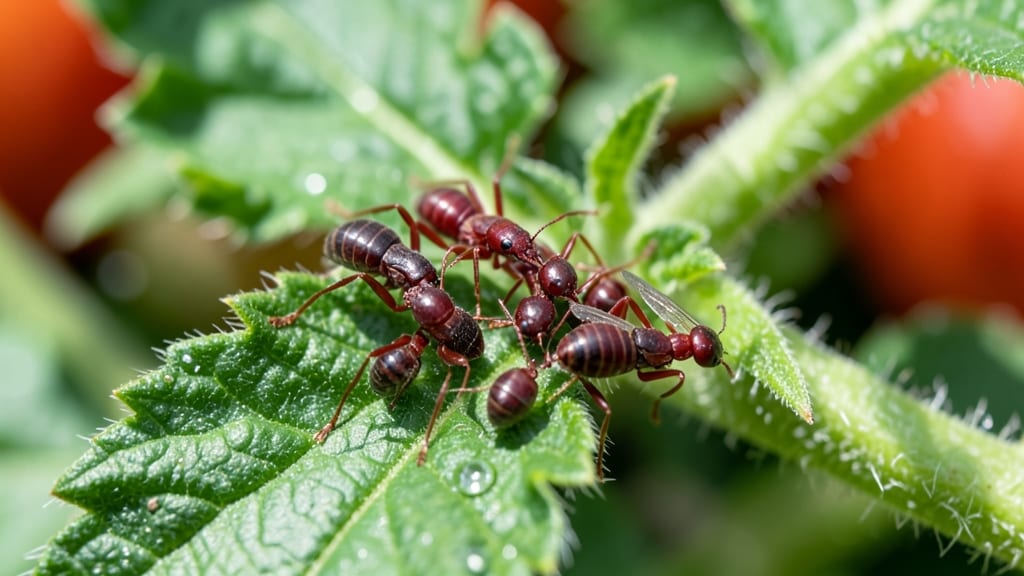
Red aphids on tomato plants can turn lush vines into sticky, curled messes in days. 🌱 I’ve watched my prize tomatoes go from thriving to tragic when these tiny invaders strike—until I discovered a 15-minute natural spray that clears them without harsh chemicals.
The key is acting fast and using the right mix of ingredients you likely already have.
These red aphids aren’t just annoying—they suck plant sap, spread viruses, and leave behind a sticky residue called honeydew that attracts mold. My first attempt with soapy water worked somewhat, but the real game-changer was combining neem oil, water, and a drop of dish soap for better adhesion.
Once you spray, check back in 24 hours—you’ll see the difference.
By the end of the day, your tomatoes will look revitalized, and the aphids? Gone. The spray works because it disrupts their life cycle while being safe for your plants and pollinators. Plus, it’s a foolproof method that even my black thumb can master—no fancy equipment needed.
Prevention is easier than cleanup: introduce ladybugs, plant basil nearby, and spray preventatively every two weeks. This isn’t just about saving your tomatoes—it’s about keeping your garden thriving without toxic sprays. Let’s get those plants back to their best.
Root Causes of Tomato Aphid Infestations
When you spot red aphids clinging to your tomato plants, it’s rarely a random event—these tiny pests are drawn to specific conditions that make your garden a buffet. Understanding why they appear helps you disrupt their life cycle before they multiply into a full-blown crisis.
Let’s break down the science behind their invasion, so you can take action with confidence.
Healthy tomato plants are resilient, but when they’re stressed, they release sugary compounds called phloem sap—aphids’ favorite snack. Here’s what makes your plants vulnerable:
- Poor soil nutrition:
Aphids target plants deficient in nitrogen, phosphorus, or potassium. Without these nutrients, tomatoes produce weaker stems and softer leaves—perfect for aphid feeding.
- Actionable fix: Test your soil and amend with compost or balanced fertilizer (e.g., 10-10-10) before planting.
- Overcrowded seedlings:
When young tomato plants compete for light and water, they grow slowly and spindly. Aphids detect this weakness and swarm to the most accessible sap sources.
- Actionable fix: Space seedlings 18–24 inches apart and thin them early to encourage strong root systems.
- Water stress:
Both underwatering (wilting) and overwatering (root rot) trigger stress signals. Aphids use their antennae to detect these chemical cues and land on struggling plants first.
- Actionable fix: Water deeply 1–2 inches per week (check soil moisture with your finger—top inch should be dry).
💡 Pro Tip: If you’ve recently transplanted tomatoes, they’re extra vulnerable for 2–3 weeks while recovering. Monitor closely and use neem oil as a preventive spray during this period.
Aphids don’t just appear out of nowhere—they’re often drawn by other pests or hitchhike on plants. Here’s how they sneak into your garden:
- Ant trails:
Ants farm aphids like cattle, protecting them in exchange for honeydew (aphid poop). If you see ants crawling on your tomatoes, they’re likely herding aphids to feed on the sap.
- Actionable fix: Disrupt ant highways with diatomaceous earth or borax bait stations (place near the base of plants).
- Wind or water dispersal:
Aphids can’t fly far, but they ride wind currents or hitchhike on garden tools, clothing, or even birds. A single infested plant in your neighborhood can spread them miles away in a season.
- Actionable fix: Inspect new plants for aphids before bringing them home. Keep tools clean and disinfected with rubbing alcohol.
- Companion plants that attract them:
Some plants lure aphids away from tomatoes, but others magnetize them. Avoid planting nasturtiums, dill, or fennel near tomatoes—they’re aphid magnets.
- Actionable fix: Use aphid-repelling companions like marigolds, basil, or garlic to create a protective barrier.
✨ Science Note: Red aphids (Macrosiphum euphorbiae) are polyphagous, meaning they’ll eat over 400 plant species. If your tomatoes are near weeds like cleavers or milkweed, aphids may be migrating from those hosts.
Aphids thrive in specific weather conditions, and their life cycles accelerate when these factors align. Here’s how climate plays a role:
| Weather Factor | Why Aphids Love It | Actionable Fix |
|---|---|---|
| Warm springs (50–75°F) | Aphids reproduce asexually in warm weather—no males needed! A single female can birth 50–100 nymphs in 2 weeks. | Use row covers early in the season to block winged aphids from landing. |
| Dry, sunny days | Aphids desiccate quickly in direct sun, so they cluster on shaded undersides of leaves where humidity is higher. | Prune plants to improve airflow and reduce shade-happy aphid hotspots. |
| Cool nights + warm days | This temperature swing weakens plant defenses and makes them more attractive to aphids. | Apply compost tea or fish emulsion to boost plant immunity during these transitions. |
🔥 Hot Tip: If your area has mild winters, aphids may overwinter on weeds or garden debris. Clean up plant debris in fall to starve them out before spring.
Now that you know why red aphids target your tomatoes, you’re ready to disrupt their party with natural sprays and preventive care. Stay tuned for our 15-minute rescue plan to kick them off for good!
Quick Fixes for Tomato Plant Pests
Red aphids on your tomato plants? Don’t panic—these tiny invaders can be tackled fast with the right approach! The key is identifying the root cause (overcrowding, weak plants, or environmental stress) and matching it with a targeted solution.
Below, we break down the most effective fixes, from immediate action to long-term prevention, so your tomatoes stay lush and pest-free. 🍅🚫🐜
When tomato plants are weak or overcrowded, they attract aphids like a buffet. Strengthen your plants to make them less appealing:
- 🌱 Prune for airflow: Trim crowded foliage to improve circulation. Aim for 12–18 inches between plants.
- 💧 Water at the base: Avoid wetting leaves (aphids love dampness). Water early in the morning to let foliage dry quickly.
- 🌿 Feed with compost tea: A balanced organic fertilizer (like fish emulsion or worm castings) boosts resilience. Apply every 2–3 weeks during growing season.
Pro Tip: 💡 Mulch with straw or grass clippings to retain moisture and deter aphids from climbing up stems.
For a fast, natural knockout, try these sprays—no harsh chemicals needed!
🔪 Homemade Soap Spray (Best for Light Infestations)
Mix 1 tbsp mild liquid soap (like Castile soap) + 1 quart water in a spray bottle. Test on a small leaf first, then spray directly on aphids until leaves glisten. Reapply every 3–5 days.
🍳 Neem Oil Solution (Kills Eggs & Adults)
Combine 1 tbsp neem oil + 1 tsp mild soap + 1 quart water. Shake well and spray evenly on undersides of leaves (aphids hide there!). Use at dusk to avoid harming bees.
🥘 Garlic & Chili Pepper Spray (Repels & Kills)
Blend 4 garlic cloves + 1 tbsp cayenne pepper + 1 quart water. Strain, add 1 tsp soap, and spray. The strong scent confuses aphids and disrupts their feeding. Reapply weekly.
Pro Tip: 🌡️ For stubborn infestations, alternate sprays every other day to break the aphid life cycle.
Let ladybugs, lacewings, and parasitic wasps do the dirty work! These predators devour aphids and won’t harm your tomatoes.
- 🐞 Buy ladybugs online: Release 1,000–2,000 adults near infested plants in the early morning (they’re sluggish in heat).
- 🌿 Plant companion flowers: Marigolds, dill, and fennel attract beneficial insects. Place them near your tomato patch.
- 🌱 Avoid pesticides: Even organic sprays can harm ladybugs. Use them only at night if you’ve introduced predators.
Pro Tip: ✨ Keep a shallow dish of water + a few drops of honey nearby to give ladybugs a drink while they hunt!
An ounce of prevention is worth a pound of cure. Keep aphids away with these habits:
- 🌱 Rotate crops: Don’t plant tomatoes in the same spot yearly. Aphids overwinter in soil debris.
- 🌿 Inspect new plants: Quarantine store-bought seedlings for 2 weeks before transplanting.
- 🍃 Clean up debris: Remove fallen leaves and weeds where aphids hide.
- 🌱 Use reflective mulch: Aluminum foil or silver plastic mulch confuses aphids and deters them from landing.
Pro Tip: 🎯 If aphids return, try yellow sticky traps near plants to monitor and catch early signs.
With these solutions, your tomato plants will bounce back faster than you can say “harvest season!” 🍅💚 Start with the fix that matches your situation, and soon you’ll be enjoying aphid-free, juicy tomatoes.
Frequently asked questions
Are red aphids different from green aphids on tomatoes?
Yes! Red aphids (Macrosiphum euphorbiae) are often larger and more aggressive than green aphids, reproducing faster in warm weather. While green aphids may stay clustered, red aphids spread quickly and leave more honeydew, which attracts mold. Both species weaken plants, but red aphids can also transmit more viruses to tomatoes.
How do I know if my tomato plants have aphids or mites?
Check closely: aphids are soft-bodied, 1/8-inch long and leave sticky residue, while mites are tiny (0.004 inches), spider-like and cause stippled leaves. Rub a leaf over white paper—aphids leave visible bodies, but mites won’t show. Aphids cluster on new growth; mites prefer leaf undersides.
Will neem oil harm my tomato plants if used too often?
Neem oil is safe when used correctly, but applying it more than every 7–10 days can stress plants. Always dilute it properly (1 tbsp per quart of water) and avoid spraying in direct sunlight or extreme heat. For heavy infestations, alternate with soap sprays to prevent buildup.
Can I still harvest tomatoes if aphids are present?
Yes, but wash tomatoes thoroughly before eating. Aphids rarely transmit diseases to fruit, but their honeydew can cause mold. Focus on treating the plants first—remove heavily infested leaves and spray undersides where aphids hide. Harvesting ripe tomatoes regularly also reduces plant stress, making them less attractive to pests.
Why do aphids keep coming back after I treat them?
New aphids likely arrive from nearby plants, weeds, or wind. To break the cycle, remove all infested plants and debris, introduce ladybugs or lacewings, and use reflective mulch (like aluminum foil) to deter them. Treat the entire garden, not just individual plants, for lasting results.