
Plants
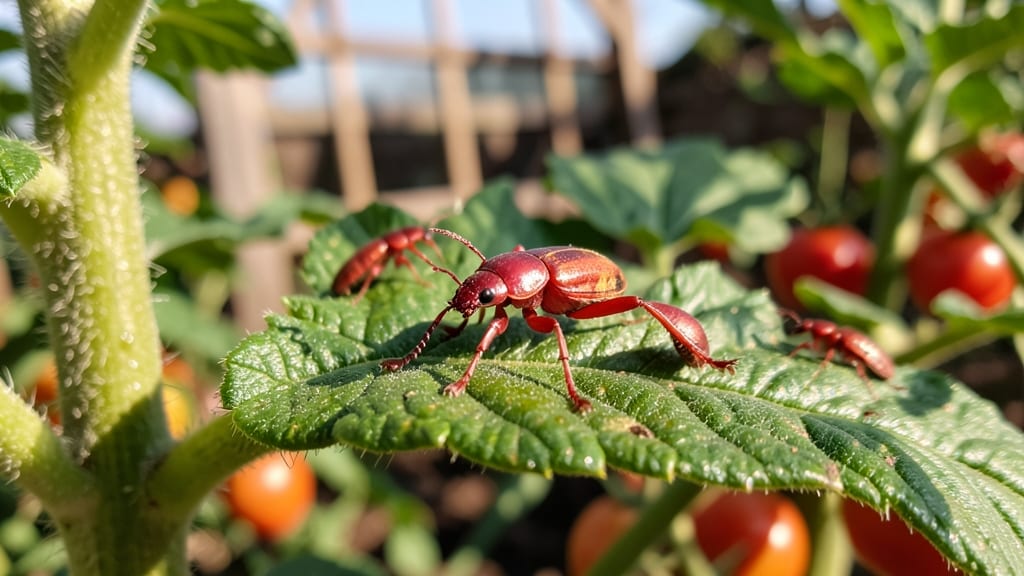
Those small red bugs on your tomato plants are likely spider mites or thrips—both of which can turn lush foliage into a skeleton in days. 🌱 I’ve battled them three summers running, and I’ve learned that the key isn’t just spraying something, but understanding what they hate (and what they crave).
The first sign is usually silvery webbing on undersides of leaves or stippled, yellowing patches where mites suck sap. Thrips leave behind black speckles on fruit, while mites create a fine dusting that looks like flour.
Both thrive in dry, dusty conditions—so your first line of defense might be as simple as a strong spray of water.
You’ll see results within a week if you combine neem oil sprays (diluted properly) with releasing predatory mites like Phytoseiulus persimilis. The plants recover faster than you’d expect, and the tomatoes stay blemish-free—no more grocery-store prices for imperfect fruit. Even my black thumb can’t kill these with this method.
Prevention is the real game-changer: mulch heavily to retain moisture, rotate crops yearly, and inspect new plants before they hit the garden. These pests won’t stand a chance if you catch them early—and your harvest will thank you.
Root Causes Behind Tiny Invaders
When you spot tiny red bugs feasting on your tomato plants, it’s not just bad luck—it’s usually a mix of environmental cues, plant stress, and pest behavior.
Understanding these triggers helps you outsmart them before they ruin your harvest. Let’s break down the most common reasons these critters show up uninvited.
Tomatoes thrive on space and sunlight, but when they’re packed too tightly or struggling, they become prime targets for pests like red spider mites or aphids. Here’s why:
- Weakened defenses: Stressed plants produce fewer natural repellents (like volatile organic compounds that deter bugs). Think of it like a person with a cold—you’re more vulnerable to germs.
- Dry conditions: Spider mites love dry air. When tomato leaves wilt or curl due to underwatering, mites move in to suck out moisture, leaving behind tiny red specks and webbing.
- Nutrient deficiencies: Yellowing leaves (from lack of nitrogen or magnesium) signal poor health, making plants easier prey. Bugs detect these cues and flock to the most “nutrient-rich” (aka weakest) spots.
Pro tip: 💡 Space tomato plants 18–24 inches apart and mulch to retain moisture. A quick soil test can reveal deficiencies—fix them before bugs arrive!
Red spider mites and other tiny red pests boom in heat and drought. Here’s the science:
- Rapid reproduction: Temperatures above 85°F (29°C) trigger mites to lay eggs every 2–3 days. Their populations explode in weeks if unchecked.
- Low humidity: Bugs like aphids and whiteflies struggle in humidity over 60%, but red spider mites thrive below 40%. Dry air dries out tomato leaves, making them easier to pierce.
- Sunburned foliage: Leaves scalded by intense sun become crispy and brittle—perfect for mites to burrow into. Look for silver or bronze spots on undersides.
Action step: 🌡️ Install a shade cloth (30–50%) during peak heat and water deeply in the morning to boost humidity. A simple hose blast (see next section) can also wash away eggs.
Pests don’t randomly appear—they hitchhike or migrate from other plants. Common culprits:
| Bug Type | How They Spread | Prevention |
|---|---|---|
| Red Spider Mites | Blow in on wind or crawl from weeds, strawberries, or neighboring gardens. | Remove debris and plant marigolds or basil as natural barriers. |
| Aphids | Hitch rides on tools, clothing, or beneficial insects (like ladybugs’ larvae). | Sanitize tools with rubbing alcohol and avoid over-fertilizing (aphids love soft new growth). |
| Chigger Mites (rare but possible) | Lurk in grass or mulch and jump onto plants when disturbed. | Keep mulch 3–4 inches away from stems and avoid tall grass near beds. |
Key insight: 🔍 Inspect new plants for hitchhikers before adding them to your garden. Quarantine them for a week if needed.
Over-fertilizing—especially with synthetic nitrogen—can backfire by attracting pests. Here’s how:
- Soft, lush growth: Excess nitrogen produces tender leaves that aphids and mites love to pierce. It’s like fast food for bugs!
- Disrupted microbial balance: Healthy soil fungi and bacteria (like Bacillus thuringiensis) naturally suppress pests. Chemical fertilizers can kill these allies, leaving plants defenseless.
- Salt buildup: Over-salty soil (from tap water or fertilizers) stresses plants, making them more attractive to predators.
Fix it: ✨ Switch to compost or organic fertilizers (like fish emulsion) and flush soil with water to reduce salts. A neem oil spray (1 tsp per quart of water) deters pests while supporting soil health.
Natural Ways to Kick Out Tiny Red Invaders
Discovering small red bugs munching on your tomato plants can feel like a garden disaster, but don’t panic! These pests—often aphids, thrips, or spider mites—are beatable with the right approach.
Below, we’ve mapped out practical, chemical-free solutions tailored to the culprit, plus prevention tips to keep your plants thriving. Let’s reclaim your harvest!
🐞 Tiny red aphids (soft-bodied, clustered pests)
Aphids suck sap, leaving sticky residue and stunted growth. Here’s how to evict them:
- 🍳 Step 1: Blast Them Off Use a strong spray of water (from a hose nozzle) to dislodge clusters. Repeat every 2–3 days until gone. Pro tip: 💡 Aim at the undersides of leaves where they hide.
- 👨🍳 Step 2: Soap Up the Solution Mix 1 tbsp mild liquid soap + 1 quart water in a spray bottle. Test on a small leaf first—aphids hate it! Pro tip: 🌡️ Add a few drops of neem oil (1 tsp per quart) for extra power.
- 🌿 Step 3: Lure in Predators Attract ladybugs or lacewings by planting dill, fennel, or marigolds nearby. These bugs eat aphids for breakfast!
🕷️ Spider mites (red specks + webbing)
These microscopic pests thrive in dry heat, leaving yellow dots and fine webs. Fight back with:
- 🔪 Step 1: Increase Humidity Mites hate moisture! Mist plants daily or place a tray of water near them. A shower hose works too.
- ⏰ Step 2: Spray with Oil Mix 1 tsp horticultural oil + 1 tsp soap per quart of water. Spray thoroughly (they’re tiny!). Repeat weekly. Pro tip: ✨ Apply in the early morning or evening to avoid burning leaves.
- 🌱 Step 3: Prune & Dispose Snip heavily infested leaves and drop them in soapy water (not compost!). Mites can’t survive long-term without a host.
🌀 Thrips (slender, fast-moving red bugs)
Thrips damage flowers and leaves, causing silver streaks. Stop them with:
- 🍳 Step 1: Yellow Sticky Traps Hang yellow cards coated in petroleum jelly near plants. Thrips are attracted to yellow and get stuck! Pro tip: 🎯 Place traps 1–2 feet above plants for best results.
- 👨🍳 Step 2: Diatomaceous Earth (DE) Sprinkle food-grade DE lightly on soil and leaf undersides. It dehydrates thrips but is safe for plants. Warning: 🌡️ Reapply after rain—DE loses potency when wet.
- 🌿 Step 3: Companion Planting Thrips dislike basil, garlic, and onions. Plant these around tomatoes to repel them naturally.
Once your plants are pest-free, lock in the victory with these habits:
- 💡 Inspect New Plants Quarantine newly purchased tomato starts for 1–2 weeks before planting. Check leaves/stems for hitchhikers.
- 🌱 Rotate Crops Avoid planting tomatoes in the same spot yearly. Bugs overwinter in soil—confuse them with variety!
- 🍃 Healthy Soil = Strong Plants Amend soil with compost to boost plant resilience. Healthy tomatoes fend off pests better than weak ones.
- 🌞 Water Wisely Water at the base (not leaves) to reduce humidity-loving pests like spider mites.
With these targeted strategies, your tomato plants will bounce back—and next season, you’ll be one step ahead of those tiny red troublemakers. Happy gardening! 🌱🍅
Frequently asked questions
Are those tiny red bugs on my tomato plants harmful?
Yes, they can be! Common culprits like spider mites, aphids, or thrips weaken plants by sucking sap, causing yellowing leaves, stunted growth, and even fruit damage. Spider mites leave webbing, while thrips create silver streaks on leaves. Act fast—these pests multiply quickly in dry, hot conditions.
How do I tell if it’s spider mites vs. aphids?
Check for key differences: spider mites are tiny red specks (often invisible to the naked eye) with fine webbing, while aphids are soft-bodied, clustered bugs that leave sticky residue. Mites thrive in dry heat, while aphids prefer cooler, humid conditions. Use a magnifying glass for closer inspection.
Will neem oil really work on these bugs?
Neem oil disrupts pests’ life cycles and deters new infestations. Mix 1 teaspoon neem oil + 1 teaspoon mild soap per quart of water and spray thoroughly on both leaf surfaces. Reapply every 5–7 days for best results. It’s safe for plants and pets once fully dried.
Can I use store-bought pesticides without harming my tomatoes?
Some chemical pesticides work, but many harm beneficial insects and leave residues on edible fruit. For organic gardens, opt for pyrethrin-based sprays (derived from chrysanthemums) or kaolin clay. Always follow label instructions and harvest tomatoes at least 3 days after application to minimize exposure.
How do I prevent these bugs from coming back next season?
Start with crop rotation—avoid planting tomatoes in the same spot yearly. Use mulch to retain moisture, plant companion crops like basil or marigolds, and inspect new plants before adding them to your garden. Regularly remove garden debris to eliminate hiding spots for overwintering pests.