
Plants
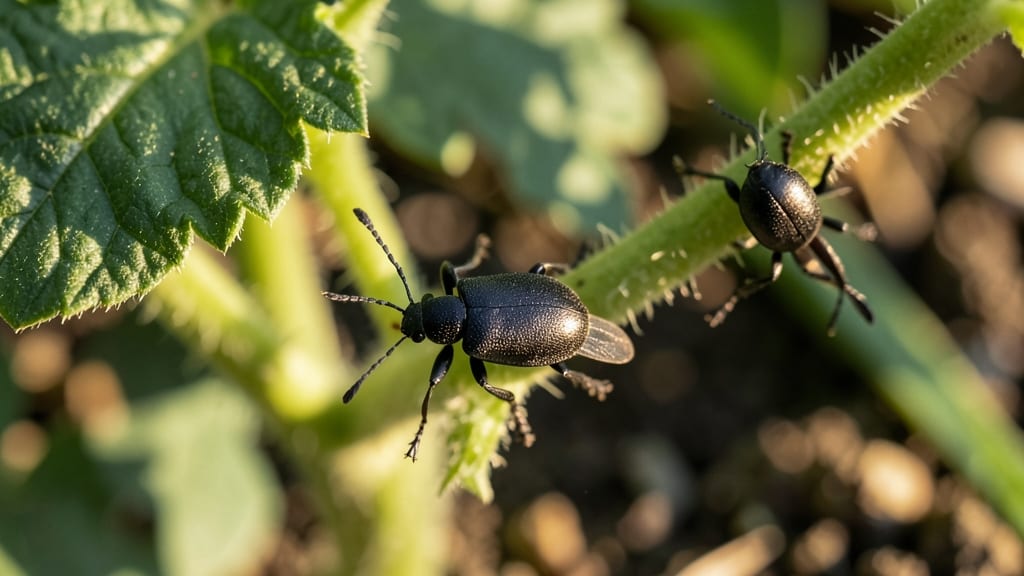
Those tiny small black bugs on tomato plants could mean aphids, flea beetles, or stink bugs—and they’re already costing you harvests. 🌱 I’ve spent years battling these pests, and the first 72 hours are critical to saving your plants before they turn into Swiss cheese or sticky messes.
Each bug leaves a different signature: aphids cluster on new growth, flea beetles chew tiny holes, and stink bugs flatten leaves overnight. The good news? Most can be stopped with simple fixes—neem oil, soapy water, or even a strong spray of water—without harsh chemicals.
I’ll show you exactly how to tell them apart and which remedy works fastest.
By day three, you’ll see fewer bugs and healthier leaves if you act now. The key is consistency: check plants daily, remove eggs by hand, and use row covers to block new arrivals. With the right approach, your tomatoes can bounce back stronger than ever.
Works for garden beds, containers, and even balcony plants—no matter how bad it looks today, these methods turn things around.
Root Causes Of Tiny Invaders
When you spot tiny black bugs feasting on your tomato plants, they’re rarely just a random nuisance—they’re usually drawn by specific conditions that turn your garden into a five-star hotel.
Understanding these triggers is the first step to kicking them out for good. Here’s why these pests show up in the first place:
Tomato plants under stress—whether from poor spacing, nutrient deficiencies, or overwatering—emit chemical signals that attract insects like aphids, flea beetles, or even fungus gnats. These pests thrive on weakened hosts because:
- Thin cell walls: Stressed plants have softer, easier-to-penetrate tissues, making them a buffet for sap-suckers.
- Hormonal changes: Damaged or nutrient-starved plants produce higher levels of volatile organic compounds (VOCs), which act like a dinner bell for insects.
- Reduced natural defenses: Healthy plants produce sticky resins (like trichomes) that deter pests. Stressed plants? Not so much.
Actionable fix: Prune plants for airflow, mulch to retain moisture, and fertilize with balanced NPK (e.g., 10-10-10) to reduce stress signals.
Many small black bugs—such as aphids, whiteflies, or fungus gnats—love warmth and humidity because it speeds up their life cycles. Your tomato plants create the perfect hideout when:
- Leaves stay damp: Overhead watering or poor drainage keeps foliage moist, ideal for fungus gnat larvae or aphid colonies.
- Soil overheats: Black plastic mulch or compacted soil traps heat, attracting ground-dwelling pests like stink bugs or cutworms.
- Nighttime temps stay mild: Pests like hornworms (which can look like tiny black specks when young) are more active in 70–85°F ranges.
Actionable fix:
- Water at the base early in the day to let leaves dry.
- Use reflective mulch (like silver plastic) to deter flying pests.
- Install a fan on low speed near plants to disrupt humidity pockets.
Pests don’t just appear—they hitchhike or overwinter in debris, soil, or nearby plants. Common hygiene failures that invite them:
- Last year’s plant residue: Old tomato stems or fallen leaves harbor egg masses of aphids or whiteflies.
- Weeds acting as pest hotels: Dandelions, chickweed, and nightshade (a tomato relative!) host hornworms and colorado potato beetles.
- Contaminated tools or compost: Pruners, gloves, or homemade compost can transfer fungus gnat eggs or root-knot nematodes.
Actionable fix:
- Remove all plant debris from the bed after harvest (or compost it separately for 6+ months).
- Solarize soil in spring: Cover beds with clear plastic for 4–6 weeks to kill overwintering pests.
- Interplant with traps like marigolds to lure pests away from tomatoes.
Sometimes, the issue isn’t too many pests—but too few predators. Tiny black bugs like aphids or thrips explode in numbers when their natural enemies (ladybugs, lacewings, or parasitic wasps) are missing. Causes include:
- Pesticide overuse: Broad-spectrum sprays (like neonicotinoids) kill beneficial insects faster than pests.
- Monoculture gardening: Planting only tomatoes starves predator species that need diverse habitats.
- Urban/suburban isolation: Few wildflower borders or hedgerows = fewer ladybugs migrating in.
Actionable fix:
- Avoid chemical pesticides; opt for neem oil or soapy water sprays instead.
- Add predator-friendly plants: Dill, fennel, and alyssum attract lacewings; basil deters whiteflies.
- Install a small water source (like a shallow dish with pebbles) to keep beneficial bugs hydrated.
How to Fix Tiny Black Invaders
Got those pesky small black bugs wreaking havoc on your tomato plants? Don’t panic—there are fast, effective, and eco-friendly ways to tackle them before they ruin your harvest. Below, we break down the best fixes based on the culprit, from quick remedies to long-term prevention. Let’s reclaim your garden!
Before grabbing the first spray bottle, confirm the bug—different invaders need different solutions. Here’s a quick cheat sheet:
| Bug Type | Signs | Best Fix |
|---|---|---|
| Aphids | Tiny, soft-bodied, clustered | Soapy water spray or neem oil |
| Flea Beetles | Jumping, skeletonized leaves | Row covers or diatomaceous earth |
| Stink Bugs | Shield-shaped, pungent odor | Handpick + drop in soapy water |
| Black Vine Weevils | Black beetles, chewed stems | Beneficial nematodes or traps |
| Fungus Gnats | Tiny, fly-like, moist soil | Yellow sticky traps + dry soil |
Need results ASAP? Try these same-day solutions:
🔥 Spray Solutions (Safe & Fast)
- Soapy Water Blast 🧼 Mix 1 tsp mild dish soap + 1 quart water in a spray bottle.
Drench leaves (especially undersides) where bugs hide. Reapply every 2–3 days until gone. Pro Tip: 💡 Use castile soap—it’s gentler on plants and bugs (except the pests!).
- Neem Oil Barrier 🌿 Mix 1 tbsp neem oil + 1 tsp mild soap + 1 quart water. Spray evening or cloudy days (avoid direct sun—it burns leaves). Neem disrupts bug life cycles and smells awful to them! Reapply weekly for 2–3 weeks.
👨🍳 Physical Removal (No Chemicals)
- Handpick & Drop 🕷️ For stink bugs or weevils, wear gloves and pluck them into a bucket of soapy water. Do this early morning when bugs are sluggish.
- Sticky Traps for Fungus Gnats 🎣 Place yellow sticky cards near plants. Fungus gnats are drawn to yellow—replace traps weekly for best results.
Once you’ve kicked the bugs out, keep them from returning with these low-effort habits:
🌡️ Garden Hygiene
- Remove Debris 🧹 Clear fallen leaves, weeds, and plant waste—these hide eggs and larvae. Mulch with straw to deter soil-dwelling pests like weevils.
- Rotate Crops 🌱 If you grew tomatoes in the same spot last year, move them 10+ feet away this year. Many bugs (like flea beetles) target the same plants yearly.
🎯 Natural Deterrents
- Plant Companion Plants 🌼 Basil, marigolds, or garlic repel aphids and flea beetles. Interplant them near tomatoes for 24/7 protection.
- Encourage Beneficial Bugs 🐞 Ladybugs, lacewings, and parasitic wasps eat tomato pests. Attract them with:
- Dill or fennel (ladybugs love it)
- Small water sources (shallow dishes with pebbles)
- Avoid pesticides—they kill good bugs too!
✨ Soil & Water Tricks
- Dry Out Soil 💦 Fungus gnats thrive in wet soil. Water only at the base (not overhead) and ensure pots have drainage holes.
- Diatomaceous Earth (DE) Dust 🏖️ Sprinkle food-grade DE around plant bases (reapply after rain). It’s non-toxic but deadly to soft-bodied bugs like aphids—avoid windy days so it doesn’t blow away.
If bugs keep coming back despite your efforts:
- Try beneficial nematodes (for weevils/grubs)—safe for plants, deadly for pests.
- Consult a local extension office for region-specific solutions.
- Last resort: Pyrethrin spray (organic insecticide)—use only at dusk to protect bees.
Remember: Consistency is key! Most infestations clear up in 3–7 days with daily checks and treatments. Once your tomatoes are pest-free, enjoy your harvest—and maybe a victory garden selfie! 📸🍅
Frequently asked questions
What do tiny black bugs on tomato plants look like up close?
Most common culprits include aphids (tiny, oval, soft-bodied with long antennae), flea beetles (tiny jumping beetles, 1/16-inch long), or stink bugs (shield-shaped, 1/3-inch, with a strong odor when crushed). Use a magnifying glass to spot key features like legs, wings, or antennae.
How do I tell if my tomato plants have fungus gnats vs. aphids?
Fungus gnats are tiny flying insects (like tiny mosquitoes) that swarm near wet soil, while aphids are stationary and cluster on leaf undersides. Check for yellowing leaves (fungus gnats) or sticky residue (aphid honeydew). Fungus gnats thrive in damp soil; aphids prefer new growth.
Will neem oil harm my tomato plants if I use it too often?
Neem oil is safe when used correctly, but overapplication can stress plants. Stick to 1-2 sprays per week (mix 1 tbsp neem oil + 1 tsp soap + 1 quart water). Avoid spraying in direct sunlight—it can cause leaf burn. Always test on a small area first.
Can I use diatomaceous earth on tomato plants with fruit?
Yes, but apply it only to soil or leaf undersides—avoid direct contact with fruit or flowers. Food-grade DE is non-toxic but can dry out plant tissues. Reapply after rain or watering. For edible plants, use only outdoors and keep away from pets/kids until settled.
Why do I keep getting new bugs after treating my tomato plants?
Bugs often return due to hidden eggs or new infestations from nearby plants. Check leaf undersides, stems, and soil for eggs. Rotate treatments (e.g., soapy water one week, neem oil the next) and remove all plant debris. Consider row covers for severe cases.