
Vegetables
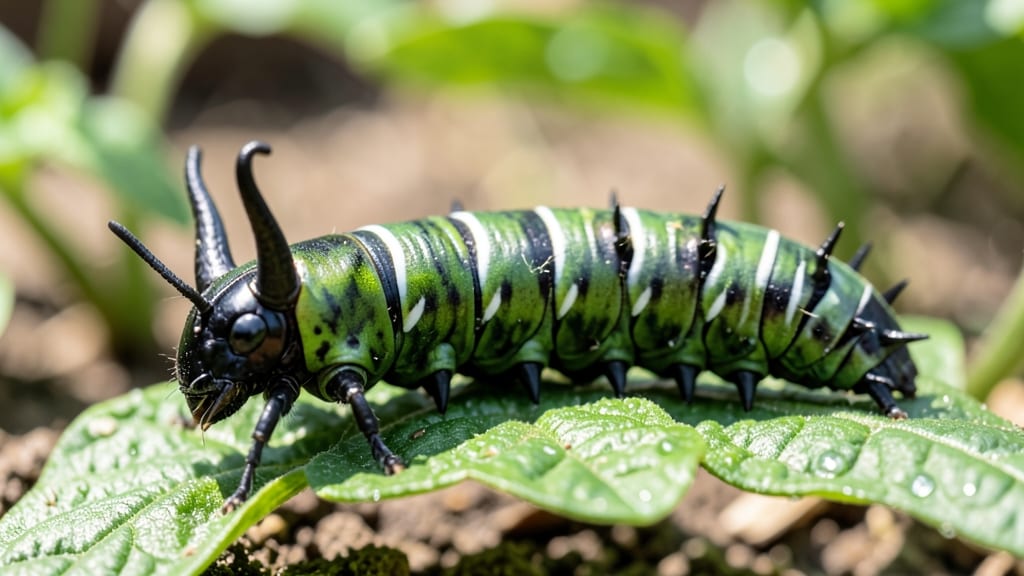
The sphinx moth’s tomato hornworm—those green, striped caterpillars—can turn your thriving tomato plants into skeleton leaves overnight. 🌱 I’ve lost entire crops to them, but I’ve also learned how to keep them in check without harsh chemicals.
The key is acting fast and working with nature, not against it.
These striped devils (up to 4 inches long) target tomatoes, peppers, and eggplants, leaving behind half-eaten leaves and a trail of frass (that’s gardener-speak for poop). The good news?
They’re easy to spot—just look for their white diagonal stripes and horn-like protrusions. And while they’re destructive, they’re also a food source for birds, parasitic wasps, and even other hornworms.
You’ll protect your plants by handpicking them (they’re gross but satisfying to squish), introducing Bacillus thuringiensis (a natural bacteria), or encouraging their predators. A few wasp cocoons on a hornworm means nature’s already doing the job for you.
The goal? A garden where your tomatoes thrive and the ecosystem stays balanced.
This works for any garden—containers, raised beds, or in-ground—without harming bees or other beneficial insects. Let’s keep those hornworms in check the smart way.
Why Your Garden Becomes Hornworm Haven
Tomato hornworms—those striped, voracious caterpillars of the sphinx moth—don’t just appear out of nowhere. Their presence in your garden is the result of a mix of ecological factors, plant attractants, and even human habits.
Understanding these triggers is the first step to outsmarting them. Let’s break down the real reasons these pests show up in your tomato patch—and how to address them.
The tomato hornworm’s love affair with your garden starts with tomatoes (and related plants). These caterpillars are specialists—they primarily feed on Solanaceae plants, which include:
- Tomatoes (their #1 target)
- Peppers (including bell and chili)
- Eggplants (another high-protein snack)
- Potatoes (yes, even the leaves)
- Tobacco plants (a red flag for gardeners)
Why? Tomato plants produce alkaloids (like solanine) that deter many pests—but not hornworms. In fact, these compounds may even attract female sphinx moths, which lay eggs near the most nutritious foliage. Actionable fix: If you’re growing these crops, monitor them closely during peak hornworm season (late spring to early fall).
Hornworms don’t just hatch from eggs—they start as sphinx moths, which are nocturnal pollinators with a knack for finding your garden after dark. Here’s how it happens:
- Moonlight and heat: Sphinx moths are drawn to warm, moonlit nights, especially when temperatures are mild (60–80°F). They use the moon’s glow to navigate, often ending up in gardens with brightly lit or reflective surfaces (like white sheets or patio lights).
- Scent trails: Female moths release pheromones to attract males, and both sexes are lured by the volatile organic compounds (VOCs) emitted by tomato plants—especially stressed or flowering ones.
- Urban sprawl: In suburban areas, moths may be displaced from natural habitats (like meadows or forests) and end up in manicured gardens with abundant food sources.
Actionable fix:
- Reduce nighttime garden lighting near tomato plants (use yellow or red bulbs, which moths avoid).
- Plant traps like dill or fennel away from tomatoes—the moths may lay eggs there instead.
- Encourage natural predators (like bats or parasitic wasps) by leaving some wild areas in your yard.
Hornworms have a sixth sense for weak plants. When tomatoes are over-fertilized with nitrogen or under stress (from drought, disease, or poor soil), they become more susceptible to pest attacks. Here’s why:
- Nitrogen-rich foliage: Too much nitrogen = soft, tender leaves that hornworms love. It’s like serving them a gourmet meal.
- Water stress: Drought-stressed plants produce more sugars in their leaves, making them sweeter (and more appealing) to caterpillars.
- Disease or damage: Plants already battling pests (like aphids) or diseases (like early blight) are less resistant to hornworm attacks.
Actionable fix:
- Use a balanced fertilizer (10-10-10 or 5-5-5) to avoid nitrogen overload.
- Mulch around tomato plants to retain moisture and reduce stress.
- Rotate crops yearly to prevent soil-borne diseases that weaken plants.
In a healthy ecosystem, tomato hornworms rarely become a problem because other creatures keep their populations in check. But if their predators disappear, the hornworms thrive uncontrollably. Common natural enemies include:
- Parasitic wasps (like Cotesia congregata): These tiny wasps lay eggs inside hornworm larvae, eventually killing them.
- Lacewings and ladybugs: They eat hornworm eggs and young larvae.
- Birds (like robins and sparrows): They snack on exposed caterpillars.
- Toads and frogs: They gobble up hornworms that drop to the ground.
Why do predators vanish? Often due to:
- Pesticide use (even "organic" sprays can harm beneficial insects).
- Loss of habitat (e.g., removing brush piles or wildflowers).
- Monoculture gardening (planting only tomatoes with no diversity).
Actionable fix:
- Avoid broad-spectrum insecticides—they kill more than hornworms.
- Plant native wildflowers (like milkweed or marigolds) to attract predator insects.
- Install a small water source (like a shallow dish with pebbles) to draw in beneficial wildlife.
By addressing these root causes—food availability, moth attraction, plant health, and predator balance—you can dramatically reduce hornworm infestations without reaching for harsh chemicals. The key is proactive, ecosystem-friendly gardening.
Natural Ways to Outsmart Garden Invaders
If tomato hornworms and sphinx moth caterpillars are turning your garden into a buffet, don’t reach for harsh chemicals—there are smarter, eco-friendly ways to reclaim your plants! Below, we’ll match common causes of these pests to practical, non-toxic fixes, plus prevention tips to keep your tomatoes thriving. 🌱🐛→🚫
Cause: Tiny eggs or caterpillars go unnoticed until damage appears. Fix:
- Inspect daily (especially undersides of leaves) for green, black, or brown eggs or plump, green caterpillars with white stripes or horn-like protrusions.
- Shake plants over a white tray—eggs or larvae will drop, making them easier to spot.
- Time your checks: Sphinx moths lay eggs in late afternoon or evening, so monitor then.
Cause: You’ve spotted the pests but want to avoid sprays. Fix:
- Morning or evening (when they’re sluggish), wear gloves and toss caterpillars into soapy water (1 tbsp dish soap per gallon).
- For eggs: Scrape them off with a damp finger or soft brush, then dispose of them far from your garden.
- Pro tip: 💡 Use a headlamp at dusk—hornworms are more visible when they’re less active.
Cause: Pests keep returning despite removal efforts. Fix:
- Pheromone traps: Hang sphinx moth traps (available at garden centers) near your tomato plants. These mimic female moth scents, luring males away from laying eggs.
- Diatomaceous earth (DE): Sprinkle food-grade DE lightly around plant bases. It’s non-toxic but deadly to caterpillars by dehydrating them. Reapply after rain.
- Neem oil spray: Mix 1 tsp neem oil + 1 tsp mild soap + 1 quart water, spray evenly on leaves (avoid flowers to protect pollinators). Reapply every 5–7 days.
Cause: Weak or stressed plants attract more pests. Fix:
- Companion planting: Interplant basil, marigolds, or dill—their strong scents repel sphinx moths.
- Healthy soil = strong plants: Add compost or worm castings to improve soil health, making tomatoes less appealing.
- Prune strategically: Remove damaged leaves (but leave some chewed foliage—it can attract parasitic wasps, natural predators of hornworms!).
Cause: You’re playing catch-up every season. Fix:
- Plant early or late: Sphinx moths emerge in June–July, so start tomatoes in May or extend harvest into August to avoid peak pest activity.
- Row covers: Use floating row covers over young plants to block adult moths from laying eggs.
- Crop rotation: Avoid planting tomatoes, peppers, or eggplants in the same spot yearly—moths remember!
Cause: You want a zero-spray garden but pests keep winning. Fix:
- Invite predators: Plant milkweed (for ladybugs) or carrots (for parasitic wasps like Cotesia congregata, which lay eggs in hornworms).
- Leave some "wild" areas: A small untidy corner with weeds can harbor beneficial insects that hunt hornworms.
- Bird baths: Birds like chickadees and wrens love snacking on caterpillars—add a shallow water source to attract them.
🌡️ Pro Tip: If all else fails, accept some damage—hornworms are high in protein and can be harvested and fried (yes, really! 🐛→🍳). Just don’t let them take over!
Frequently asked questions
What do tomato hornworms look like as adults?
Adult sphinx moths have a distinctive appearance: they’re large (about 3–4 inches wingspan), with thin, hair-like antennae and a pale pink or green body. Their wings are often grayish-brown with a white “horn” or “snout” on their head, which they use to sip nectar like a hummingbird. They’re most active at night and are excellent pollinators!
Can I eat tomato hornworms?
Yes! They’re edible and even considered a delicacy in some cultures. Young hornworms can be fried or sautéed like jicama (they have a mild, slightly sweet taste). Just make sure to blanch them first (dip in boiling water for 30 seconds) to kill any parasites. They’re high in protein and low in fat—perfect for eco-conscious gardeners!
Why do hornworms have a “horn” on their back?
The black “horn” on a tomato hornworm’s rear isn’t just for show—it’s a defensive weapon! When threatened, they wave it side-to-side to scare off predators like birds. This horn is actually an osmeterium, which releases a foul-smelling fluid to deter attackers. It’s one of nature’s coolest (and grossest) adaptations!
How long does it take for a hornworm to become a moth?
Hornworms go through a 5-stage metamorphosis in about 4–6 weeks, depending on temperature. They pupate in the soil (or nearby), and after 10–14 days as a pupa, the adult sphinx moth emerges. → The entire life cycle from egg to moth takes roughly 6–8 weeks in warm climates.
Will ducks or chickens eat tomato hornworms?
Both ducks and chickens love munching on hornworms—it’s a great way to control pests naturally. Just let them free-range in your garden (or use a chicken tractor) during the day. They’ll gobble up caterpillars, eggs, and even adult moths. Bonus: Their droppings fertilize your soil!