
Companion Plants
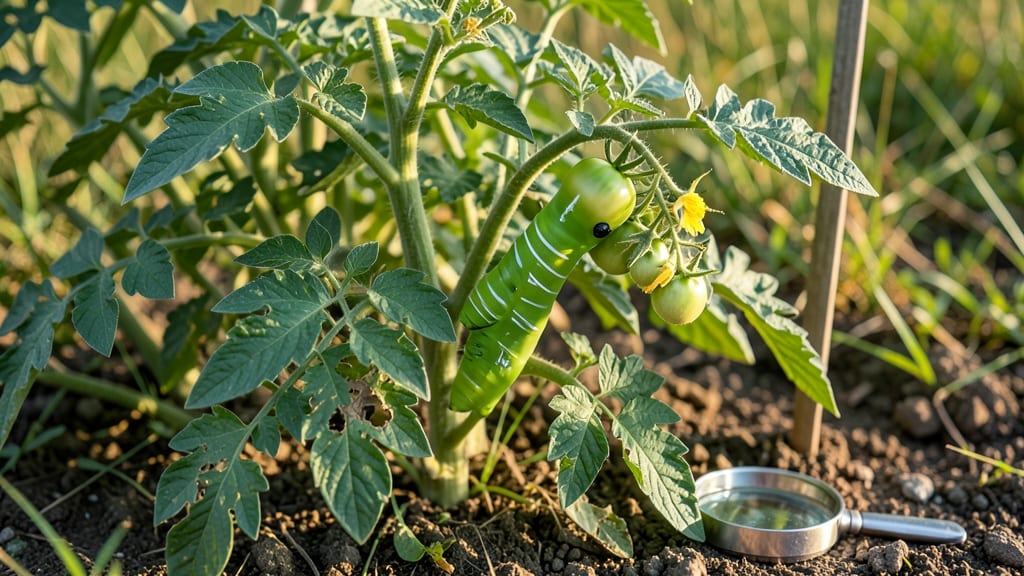
Those striped green hornworms devouring your tomato plants faster than you can say "sauce" aren't just pests—they're nature's most aggressive tomato thieves. 🌱 I've battled them for years, and the key to winning this war is knowing when to fight (and when to let predators take over).
These inch-long bandits with white stripes can strip a plant bare in days, but their lifecycle gives us a narrow window to strike back. The good news? You don't need harsh chemicals.
Healthy tomato plants grow back fast, and their natural predators—ladybugs, parasitic wasps, and birds—will handle the rest if you give them a chance. My secret weapon? A combination of handpicking (yes, it's gross but effective) and strategic companion planting that makes your garden less appealing to hornworm moms.
By next week, you'll see fewer skeletonized leaves and more fruit setting on your plants. The trick is acting before the caterpillars reach their full size—then letting nature do the heavy lifting.
And trust me, once you've pulled one of these guys off your prized heirloom, you'll never look at a tomato plant the same way again.
You'll need a few simple tools: a pair of sharp scissors or tweezers (for those hard-to-reach caterpillars), a bucket of soapy water (their last stop), and some row covers or netting if you're dealing with a serious infestation.
Prevention starts with strong plants—healthy tomatoes with good airflow and proper fertilization deter hornworms better than any spray ever could. The real game-changer is timing. Check your plants daily after they reach 6 inches tall, focusing on the undersides of leaves where hornworms hide.
A single egg mass can hatch 50 caterpillars in days, so early detection is everything. And here's the plot twist: those tiny white eggs? They're the perfect target for parasitic wasps, which you want in your garden more than anything.
This method works in any garden—from backyard plots to container tomatoes—and the best part? You'll end up with more fruit and fewer pests without harming your local ecosystem. The key is staying one step ahead of those striped invaders while letting nature handle the cleanup crew.
📚 In This Guide
- What you need
- Instructions
- Tips and common mistakes
- Wrapping up and next steps
What you need
- ● Companion Plants: 1–2 basil plants (potted or in-ground)
- ● 1–2 marigold plants (French or Mexican varieties work best)
- ● 1 dill or fennel plant (for attracting beneficial predators)
- ○ Beneficial Insects (Optional but Helpful): 5–10 ladybugs (available at garden centers)
- ● 1–2 praying mantis egg cases (or adult mantises)
- ● 1 parasitic wasp nest (e.g., Cotesia congregata)
- ● Hand Tools: 1 pair of gardening gloves (for safe handling)
- ● 1 small hand trowel (for transplanting companion plants)
- ● 1 spray bottle (500ml–1L, for neem oil or soapy water)
- ● 1 row cover fabric (lightweight, for early-season protection)
- ● 1 neem oil concentrate (1–2 oz, for deterrent spray)
- ● 1 reflective mulch (aluminum foil strips, to disorient pests)
- ● 1 magnifying glass (for spotting tiny eggs or larvae)
How to remove green hornworms from tomato plants organically
Here's the fast, effective method I use to protect my tomato plants—no harsh chemicals needed.
🪰 Step 1: Scout Early and Identify the Problem
Check your tomato plants every 2-3 days for green hornworms, especially on the undersides of leaves and near growing tips. These caterpillars can strip a plant bare in just a few days, so early detection is key. Look for large green larvae (1-3 inches long) with white diagonal stripes and tiny black horns on their rear ends.
If you spot just one, act immediately—hornworms reproduce quickly. I always check the undersides of leaves first, as that's where they hide during the day. The sooner you find them, the easier they are to remove before they cause serious damage.
✂️ Step 2: Hand-Pick Hornworms Daily
Early morning is the best time to remove hornworms because they're sluggish and easier to spot when dew is still on the leaves. Wear gloves if you're squeamish—these caterpillars can be surprisingly slimy. Simply grasp them firmly by the body (not the head) and drop them into a bucket of soapy water.
I like to do this while I'm already watering the plants, so I don't forget. If you see eggs (tiny yellow ovals on leaf undersides), scrape them off with your fingernail and drop them in soapy water too. This prevents the next generation from hatching and continuing the cycle.
🐞 Step 3: Introduce Natural Predators
Encourage beneficial insects like parasitic wasps and ladybugs to control hornworm populations naturally. These predators lay their eggs on hornworms, and their larvae will eventually kill them. To attract them, plant dill, fennel, or parsley nearby—these herbs draw in the wasps that hunt hornworms.
You can also purchase Trichogramma wasps from garden centers—they're tiny but incredibly effective at preying on hornworm eggs. Release them in the evening when temperatures are cooler, and they'll get to work immediately. This method works fast but requires consistency over time.
🌿 Step 4: Use Organic Sprays as a Last Resort
If hornworms are overwhelming your plants, mix 1 tablespoon of dish soap with 1 quart of water in a spray bottle. Spray the affected leaves thoroughly, focusing on the undersides where hornworms hide. The soap suffocates them without harming your plants or beneficial insects. Reapply every 3-4 days until the infestation is under control.
I only use this method when hand-picking isn't enough, as it's less targeted than natural predators. Always spray in the early morning or late evening to avoid harming bees and other pollinators. Test a small area first to ensure your plants tolerate the solution.
🌱 Step 5: Prevent Future Infestations
Remove all tomato plant debris at the end of the season to eliminate overwintering sites for hornworm eggs. I also rotate crops yearly—never plant tomatoes, peppers, or eggplants in the same spot. Hornworms specifically target these plants, so breaking their cycle prevents future outbreaks.
Planting basil nearby can also help—its strong scent repels hornworms naturally. I keep a few basil plants interspersed with my tomatoes, and it makes a noticeable difference in reducing infestations. This preventive approach saves time and keeps your garden thriving.
Tips & tricks for effective organic hornworm control
Here's what I've learned from years of battling these garden pests—quick tricks that'll save you time and keep your tomatoes thriving.
Timing Tip: Those 2-3 day checks in Step 1 are non-negotiable. I set a phone reminder every Tuesday and Friday because that's when I notice new damage. Hornworms grow rapidly, so catching them early means less damage and easier removal. The first sign is usually chewed leaves near the growing tips—don't wait for the classic "skeletonized" look before acting.
Hand-Picking Hack: In Step 2, I keep a small bucket with soapy water right by my garden hose. When I water in the morning, I grab the bucket and check leaves as I go. The dew makes them easier to spot, and I can remove 3-4 at a time without missing any. Pro tip: Use a pair of tongs if you're really squeamish—they let you handle them without direct contact.
Predator Strategy: For Step 3, I plant dill in pots around my tomato patch because it attracts parasitic wasps without taking up permanent garden space. The wasps arrive within a week, and I can see them hunting hornworms within days. If you're impatient, release Trichogramma wasps in the evening—they're most active when temperatures drop below 85°F.
Soap Spray Safety: When using the 1 tablespoon dish soap/quart water mix from Step 4, I always add a few drops of vegetable oil. This helps the soap cling better to leaves and makes it more effective against hornworms. Just shake well before each use—the oil and soap separate over time. And remember, always test on a small leaf first to check for plant sensitivity.
Pro Tips for Green Hornworms Tomato Plants
- Here's what I've learned from years of battling these garden pests—quick tricks that'll save you time and keep your tomatoes thriving.
- Timing Tip: Those 2-3 day checks in Step 1 are non-negotiable.
- Hand-Picking Hack: In Step 2, I keep a small bucket with soapy water right by my garden hose.
Frequently asked questions
What do green hornworms look like, and how can I tell if they’re damaging my tomatoes?
Green hornworms are large, bright green caterpillars (up to 4 inches long) with white diagonal stripes and tiny black "horns" on their rear. Look for skeletonized leaves (chewed but still attached) or missing tomato fruits—their favorite snack! They’re often hidden on the underside of leaves during the day.
When is the best time to remove green hornworms from tomato plants?
Act early and often—handpick them daily (especially in the morning) when they’re sluggish. Larvae under 1 inch are easiest to spot and remove. Wait until late afternoon if you’re using soapy water or neem oil, as it reduces stress on beneficial insects like parasitic wasps that also control hornworms.
Are there natural predators that can help control green hornworms?
Yes! Parasitic wasps (like Cotesia congregata) lay eggs inside hornworms, killing them. Ladybugs, lacewings, and birds also eat them. Plant dill, fennel, or parsley nearby to attract these allies. Pro tip: Avoid pesticides—even organic ones—to protect these helpers!
Will removing green hornworms hurt my tomato yield if I wait too long?
If left unchecked, hornworms can devour entire tomato fruits in days, slashing yields. However, tomato plants are resilient—they’ll produce more flowers/fruit if you prune damaged leaves and fertilize lightly (use compost or fish emulsion). Key: Remove 90% of larvae within 3–5 days to prevent major damage.
What’s the fastest organic way to kill green hornworms if handpicking isn’t enough?
For immediate results, use a soapy water spray (1 tsp mild soap per quart of water) or neem oil (mix 1 tbsp with 1 quart water + drop of dish soap). Bacillus thuringiensis (Bt) is another organic option—it targets caterpillars without harming bees. Reapply every 3–5 days after rain.
Can companion plants like basil or marigolds really repel green hornworms?
While basil and marigolds may deter some pests, they’re not foolproof against hornworms. However, planting strong-smelling herbs (like thyme, oregano, or rosemary) around tomatoes can mask plant scents, making it harder for moths to find your garden. Best combo: Interplant tomatoes with basil + nasturtiums for extra protection.
Wrapping up and next steps
Dealing with green hornworms on your tomato plants doesn’t have to be a battle—it can be a simple, eco-friendly win! 🌱 By leveraging natural predators like Trichogramma wasps, parasitic flies, and beneficial nematodes, you’re not just saving your harvest, you’re fostering a healthier garden ecosystem.
Plus, companion plants like basil, marigolds, and dill act as your first line of defense, making your garden both productive and pest-resistant.
Ready to take action? Start small—pick one or two methods from this guide and monitor your progress. Before you know it, your tomato plants will thrive, and you’ll be the proud guardian of a hornworm-free (or at least, well-managed!) garden. Happy growing! 🌿