
Companion Plants
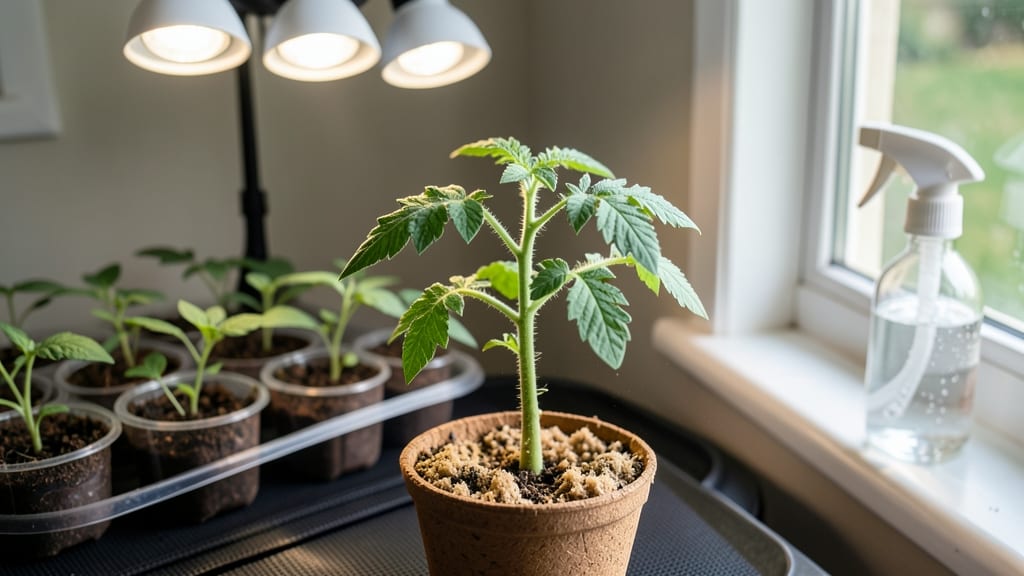
Starting tomato plants indoors can give you a 6-week head start on the season—just like my first batch of 'Sungold' cherry tomatoes that outpaced every store-bought plant last summer. 🌱 The secret isn't fancy setups but lightweight trays, consistent warmth, and a little patience.
Most beginners overthink it, but you only need a sunny window, some seed-starting mix, and a spray bottle.
Timing matters more than you'd expect: sow seeds 6-8 weeks before your last frost date—earlier for cold climates. I use shallow trays with drainage holes to prevent soggy roots, and a heating mat underneath speeds up germination from 5-7 days to just 3-4.
The soil stays warm, the seeds sprout faster, and you avoid that frustrating "waiting game" that kills motivation.
Once those first green leaves appear, you'll be hooked on the process. Seedlings need 12-16 hours of light daily—grow lights help if your windows aren't sunny enough—and watering just enough to keep the soil damp, not drenched.
By the time you transplant, they'll be stocky, dark green, and ready to outcompete anything from a nursery.
This method works for any tomato variety, from beefsteaks to tiny cherry tomatoes, and scales from a single pot to a full seed-starting rack. The key is consistency—light, warmth, and patience pay off with plants that hit the ground running. Ready to get started?
📚 In This Guide
- What you need
- Instructions
- Tips and common mistakes
- Wrapping up and next steps
What you need
- ● Lightweight seed trays or pots: 4–6" deep, with drainage holes (2–4 trays, depending on quantity). Pro tip: Plastic or biodegradable options work great!
- ● Seed-starting mix: 3–5 lbs of sterile, well-draining potting mix (avoid garden soil—it’s too dense!).
- ● Tomato seeds: 5–10 seeds per tray (start extra—some may not sprout!).
- ● Grow lights or sunny window: 12–16 hours of light daily (LED or fluorescent grow lights are ideal).
- ○ Heat mat (optional but helpful): 60–75°F range to speed germination (especially for slow starters!).
- ● Misting bottle or spray nozzle: For gentle watering (no drowning seedlings!).
- ● Plastic wrap or humidity dome: To retain moisture while seeds sprout.
- ● Labels & markers: Track varieties (tomatoes can look alike early on!).
- ● Fertilizer: Balanced starter formula (5-5-5 or 10-10-10) for post-sprout boost.
- ● Thermometer: Monitor soil temp (ideal: 70–85°F for germination).
- ● Fans: Gentle airflow to strengthen seedlings (prevents leggy growth!).
- ● Bottom watering tray: Keeps moisture consistent without overwatering.
Step-by-step instructions for starting tomato plants indoors
Here's how I get sturdy seedlings in just 7-10 days using simple trays and warmth tricks.
🌱 Step 1: Prepare Lightweight Trays and Moisten Seed-Starting Mix
Use clean 2-3 inch deep trays with drainage holes—plastic or biodegradable works best. I like lightweight trays because they're easier to move under grow lights later. Fill each cell with a sterile seed-starting mix (never garden soil), leaving about ¼ inch below the rim for watering later.
Moisten the mix until it feels like a damp sponge—not dripping, but holding together when squeezed. Tap the tray gently to settle the soil without compacting it. The goal is a fine, airy texture that won't suffocate tiny roots. I always pre-moisten because dry soil repels water and creates uneven germination.
🌱 Step 2: Sow Seeds at the Right Depth and Cover Lightly
Plant 1-2 seeds per cell at a depth of about ¼ inch—roughly the diameter of a tomato seed. Sowing too deep makes seedlings struggle to reach light, while planting too shallow risks drying them out. I use my finger to make a small dimple, drop in the seed, then cover with a sprinkle of additional mix.
Mist the surface gently with a spray bottle until evenly moist—no heavy watering here. Overwatering now will bury seeds too deep or wash them away. I label each tray with the variety and date because identical green sprouts look the same until they're established. Cover the tray with a clear humidity dome or plastic wrap to trap warmth and moisture.
🔥 Step 3: Provide Warmth for Fast Germination
Tomato seeds germinate fastest at 75-85°F. Place the tray on a seedling heat mat set to 70-75°F—this keeps the soil 10°F warmer than room temperature and speeds up germination by 3-5 days. Without warmth, seeds may take 2-3 weeks to sprout, and some might never emerge.
Check daily but resist the urge to water. The dome traps enough moisture that the soil stays evenly damp. Once 50% of seeds have sprouted (usually 5-7 days), remove the dome immediately—trapped humidity invites damping-off disease that collapses stems overnight. I keep the tray in bright, indirect light during this phase to prevent leggy growth.
☀️ Step 4: Move to Bright Light Immediately After Germination
The instant seedlings break through the soil, they need 14-16 hours of light daily. A south-facing window rarely provides enough intensity, so I use a full-spectrum LED grow light positioned 2-4 inches above the plants. Raise it as they grow to maintain that gap. Without sufficient light, seedlings stretch desperately upward (called "leggy") and never recover proper strength.
You'll see strong seedlings have thick stems, deep green color, and compact spacing between leaves. If stems grow thin and pale with leaves spaced far apart, your light is too far away—move it within 2 inches of the tallest seedlings. Rotate the tray a quarter turn daily so plants grow straight instead of leaning toward the light.
⏰ Step 5: Thin Seedlings and Harden Off Before Transplanting
When seedlings show their first true leaves (the second set after the initial cotyledons), thin to the strongest plant per cell. Use small scissors to snip unwanted seedlings at soil level—don't pull them, which can disturb roots. Keep the tray in bright light and water from below by placing the tray in ½ inch of water for 10-15 minutes twice weekly. This encourages deep root growth.
Two weeks before your last frost date, start hardening off the seedlings. Place them outside in a sheltered, shaded spot for 1-2 hours the first day, then gradually increase outdoor time by 1 hour daily over 10-14 days. This slow introduction to sun and wind prevents transplant shock. Once seedlings tolerate a full day outside without wilting, they're ready for the garden. Transplant on an overcast afternoon to reduce stress.
Tips & tricks for perfect indoor tomato seedlings
Here's what nobody tells you about the details that separate fast sprouts from frustrating failures.
Soil Texture is Everything: The secret to that airy, sponge-like seed-starting mix isn't just about moisture—it's about aeration. After wetting your mix, gently fluff it with a chopstick to create tiny air pockets. Compacted soil suffocates roots and causes uneven germination. I've seen seeds take twice as long to sprout when soil is too dense, even with perfect warmth and moisture.
Germination Timing Secret: Those 75-85°F soil temperatures are non-negotiable for speed, but timing matters too. Place your heat mat under the tray 24 hours before sowing—this pre-warms the mix and creates ideal conditions from day one. I've noticed seeds sown into cold soil take 3-5 days longer to crack through, even with perfect heat afterward.
Light Position Matters More Than You Think: When you're adjusting that 2-4 inch grow light distance, pay attention to the plant's growth pattern. If seedlings stretch toward the light with long, pale stems, you're either too far away or not providing enough intensity. I keep my LED light on a timer that automatically raises ¼ inch daily—this prevents leggy growth while maintaining optimal light exposure during those critical 14-16 hours.
Harden Off Strategically: The 10-14 day hardening process is your secret weapon against transplant shock. I start with just 1-2 hours in shade, then move to partial sun by day 5. The key is gradual exposure—sudden sun can scorch tender leaves. By day 10, my seedlings can handle full sun for 4-6 hours without wilting, making them garden-ready.
Pro Tips for Starting Tomato Plants Indoors
- Here's what nobody tells you about the details that separate fast sprouts from frustrating failures.
- Soil Texture is Everything: The secret to that airy, sponge-like seed-starting mix isn't just about moisture—it's about aeration.
- Germination Timing Secret: Those 75-85°F soil temperatures are non-negotiable for speed, but timing matters too.
Frequently asked questions
Got questions about growing tomato seedlings indoors? You’re not alone! Here are answers to the most common concerns—so you can get those sprouts off to a strong start.
How early can I start tomato seeds indoors?
Typically, sow seeds 6–8 weeks before your last frost date. For warm climates, start 4–6 weeks early. Use a seed-starting kit or lightweight trays to avoid overcrowding. Pro tip: Check your local frost dates—early starts mean bigger, healthier plants!
What’s the best light source for seedlings?
Seedlings need 12–16 hours of light daily. Use a grow light (LED or fluorescent) 2–3 inches above the trays. Natural sunlight works, but a south-facing window may not provide enough intensity. Watch for leggy sprouts—that’s a sign they’re stretching for light!
How warm should the soil be for germination?
Tomato seeds germinate best in soil temps between 70–85°F (21–29°C). Use a seedling heat mat if your home runs cooler. Keep trays in a warm spot (like on top of the fridge) until sprouts appear. No heat mat? A cozy spot near a sunny window can help!
Why are my seedlings turning yellow or wilting?
Yellow leaves often mean overwatering or poor drainage. Let soil dry slightly between waterings, and ensure trays have drainage holes. Wilting could also signal underwatering or root stress. Check for pests (like fungus gnats) and adjust care as needed.
Can I use regular pots instead of seedling trays?
Yes! But opt for small, lightweight containers (2–4 inches deep) to prevent overcrowding. Avoid large pots—they hold too much moisture and can stunt roots. If reusing containers, sterilize them with a 10% bleach solution to kill pathogens.
How long until seedlings are ready to transplant?
Seedlings are ready when they have 2–3 sets of true leaves (not the first seed leaves) and are sturdy enough to handle. Harden them off for 7–10 days before moving outdoors—gradually expose them to outdoor conditions to avoid shock.
Wrapping up and next steps
Starting tomato plants indoors is a rewarding way to kickstart your gardening season—especially with the right tools like lightweight trays and warmth!
By following these steps, you’ll give your seedlings a strong, healthy start before transplanting them outside. Now that you’re armed with knowledge, it’s time to roll up your sleeves and get growing! 🌱
Your next step? Gather your supplies, set up your seed-starting station, and watch those tiny sprouts burst into life! Happy planting! 🌞