
Vegetables
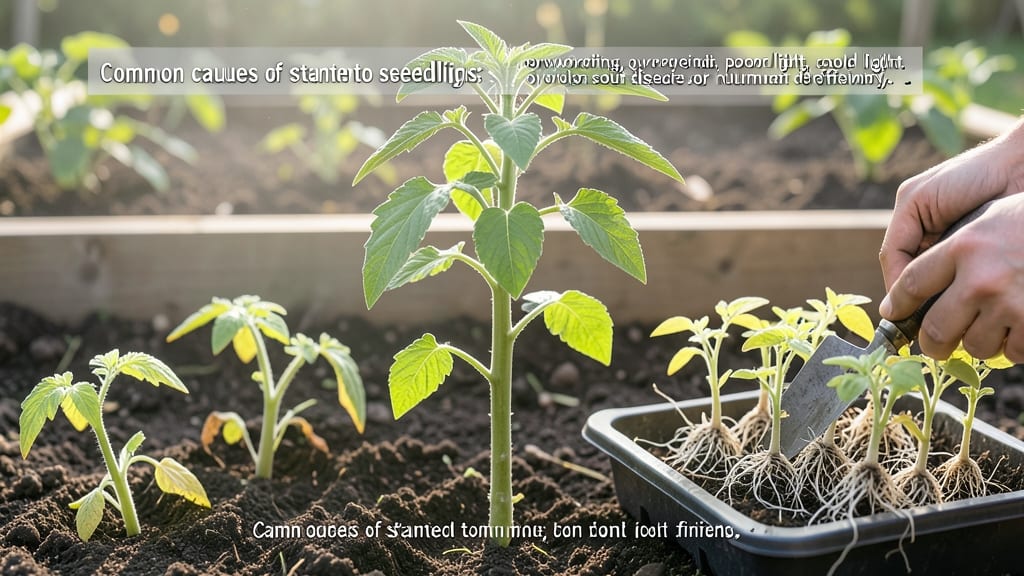
Your stunted tomato seedlings look like they’re stuck in slow motion—leggy, yellowing, or just refusing to grow. 🌱 The good news? Most seedlings can bounce back in 3 days with the right fix, and I’ve saved dozens of my own this way.
Overwatering, poor light, or crowded roots are usually the culprits, but the solution is simpler than you think—no expensive treatments needed.
Start by checking the soil: it should feel like a damp sponge, not a soggy mess. If roots are tangled, gently tease them apart or transplant into slightly larger pots with fresh, well-draining mix.
A quick foliar spray of water in the morning mimics natural dew, giving them a confidence boost. I’ve revived seedlings that looked doomed just by adjusting these two things alone.
Within 72 hours, you’ll see new growth—taller stems, deeper green leaves, and roots reaching for the soil again. The key is consistency: keep them in bright, indirect light (a south-facing window or grow light works best) and water only when the top inch feels dry.
No more guesswork—just watch them perk up before your eyes.
This trick works for any seedling slump, whether it’s peppers, herbs, or even flowers. The same principles apply, so you’ll have a go-to fix for next time. Let’s get those tomatoes growing strong again!
Root Causes of Weak Starts
When your tomato seedlings look like they’re struggling to stand tall—stunted, leggy, or just plain slow to grow—it’s usually a sign that something fundamental is off. Understanding the why behind these issues is the first step to turning things around.
Below, we break down the most common culprits, backed by science, so you can diagnose and fix the problem fast.
Seedlings that never get strong start because of bad germination setups are like babies raised in a drafty, dim nursery—they’re doomed before they even begin. Temperature, moisture, and light play critical roles in breaking dormancy and kickstarting growth.
- Too Cold or Too Hot: Tomato seeds germinate best between 70–85°F (21–29°C). Below 60°F (15°C), germination stalls or fails entirely. Above 90°F (32°C), seeds may rot before sprouting. Solution: Use a seedling heat mat or place trays in a warm, sunny spot (like on top of the fridge).
- Inconsistent Moisture: Seeds need constant moisture (not soggy) to sprout. If the soil dries out or stays waterlogged, seeds suffocate or dry up. Solution: Keep soil damp like a wrung-out sponge—mist lightly daily and cover trays with plastic wrap until sprouts appear.
- Low Light Too Soon: Seedlings stretched toward light (etiolation) because they weren’t given enough 12–16 hours of bright light daily after germination. Weak stems = stunted growth. Solution: Move trays under grow lights or to a south-facing window immediately after sprouting.
Tomatoes are tropical plants at heart—they hate sudden temperature drops or scorching heat. When seedlings experience stress from cold nights or hot afternoons, their energy goes into survival, not growth.
- Cold Stress (Below 50°F / 10°C): Chilly temps slow metabolic processes, causing seedlings to yellow (chlorosis) or stop growing. Solution: Use row covers, move pots indoors at night, or place trays on a heat mat.
- Heat Stress (Above 95°F / 35°C): High temps denature enzymes in leaves, leading to wilting or crispy edges. Solution: Provide shade cloth (30–50% coverage) during peak sun and increase airflow with a small fan.
Water is life—but too much or too little throws seedlings into shock. Roots can’t absorb nutrients if they’re drowning or dehydrated, leading to stunted, wilted, or mushy stems.
- Overwatering: Soggy soil cuts off oxygen to roots, causing root rot (fungal/bacterial). Seedlings may appear stunted with dark, mushy stems. Solution: Let soil dry slightly between waterings (stick your finger in—top inch should be dry). Use well-draining soil with perlite.
- Underwatering: Dry soil triggers osmotic stress, where roots can’t pull up water, leading to wilting and slowed growth. Solution: Water gently at the base (not overhead) when the topsoil feels dry to the touch.
Seedlings need a balanced diet of macronutrients (nitrogen, phosphorus, potassium) and micronutrients (iron, magnesium, calcium). Without them, growth grinds to a halt.
| Symptom | Likely Deficiency | Quick Fix |
|---|---|---|
| Pale yellow leaves (older first) | Nitrogen (N) – Essential for leafy growth | Add balanced fertilizer (10-10-10) or compost tea |
| Purple stems/leaves | Phosphorus (P) – Needed for root and flower development | Use a phosphate-rich fertilizer (5-10-5) or bone meal |
| Yellow between leaf veins (iron chlorosis) | Iron (Fe) – Common in alkaline soils | Apply chelated iron or lower soil pH with sulfur |
| Stunted growth + weak stems | Calcium (Ca) – Prevents cell wall formation | Spray with calcium nitrate or use crushed eggshells |
Pro Tip: 💡 Over-fertilizing is just as bad as under-fertilizing! Use half-strength solutions until seedlings are 2–3 inches tall to avoid burning delicate roots.
Even the hardiest seedlings can be derailed by rough handling or abrupt changes. Disturbing roots or exposing them to harsh conditions after germination sends them into survival mode.
- Root Disturbance: Over-handling seedlings (like picking them up by the stem) damages the taproot, which is critical for nutrient uptake. Solution: Water thoroughly before handling and avoid touching roots when repotting.
- Transplant Shock: Moving seedlings too soon or into cold, windy, or overly competitive conditions stresses them. Solution: Harden off seedlings gradually (5–7 days of outdoor acclimation) and plant in warm soil (60°F+/15°C+).
Now that you know the why, the next step is action—let’s get those seedlings perking up in 3 days or less! 🚀
Revive Weak Seedlings Fast
When your tomato seedlings are stunted, time is of the essence—but don’t panic! With the right care, you can often coax them back to health in just a few days.
Below, we’ve mapped out the most common causes of stunted growth and the practical, step-by-step fixes to turn things around. Plus, we’ll share prevention tips to keep future seedlings thriving.
If seedlings are packed too closely, they compete for nutrients and light, leading to weak, leggy stems.
- 🔥 Step 1: Gently Remove – Use a small trowel or your fingers to loosen the soil around the seedlings. Lift them carefully, keeping the root ball intact.
- 🍳 Step 2: Prune the Roots – Trim any circling or damaged roots with clean scissors. This encourages new root growth.
- 👨🍳 Step 3: Repot or Space Out – If transplanting, choose containers with drainage holes (at least 4–6 inches deep). If spacing out in the garden, ensure 18–24 inches apart for indeterminate varieties.
- 🥘 Step 4: Water Lightly – After transplanting, water gently to settle the soil but avoid oversaturating.
💡 Pro Tip: If you’re short on space, try successive planting—sow new seeds every 2 weeks to stagger growth and reduce competition.
Leggy, pale seedlings with long stems? They’re stretching toward light, weakening their structure.
- 🔥 Step 1: Move to a Sunnier Spot – Place seedlings near a south-facing window or under grow lights (12–16 hours/day).
- 🍳 Step 2: Rotate Daily – Turn pots ¼ turn each day to prevent lopsided growth.
- 👨🍳 Step 3: Use a Reflective Surface – Place a white board or aluminum foil behind seedlings to bounce extra light onto them.
- 🥘 Step 4: Fertilize Lightly – Add a balanced, water-soluble fertilizer (5-5-5 or 10-10-10) at half strength to give them a quick nutrient boost.
💡 Pro Tip: If using artificial light, keep it 2–4 inches above seedlings—closer for weaker plants, farther for stronger ones.
Overwatering or underwatering can both stunt growth by suffocating roots or causing stress.
- 🔥 Step 1: Check Soil Moisture – Stick your finger 1 inch deep into the soil. If it’s soggy, drain immediately. If dry, water thoroughly.
- 🍳 Step 2: Adjust Watering Routine –
- Underwatered: Water deeply until it drains from the bottom, then wait until the top inch is dry before watering again.
- Overwatered: Move to a well-draining pot or add perlite or sand to improve aeration.
- 👨🍳 Step 3: Use the Right Containers – Terracotta pots help wick away excess moisture, while plastic retains it longer.
- 🥘 Step 4: Water at the Base – Avoid wetting leaves to prevent disease.
💡 Pro Tip: Mulch with straw or shredded leaves to retain moisture without soggy soil.
Cold drafts, compacted soil, or poor drainage can halt growth before it starts.
- 🔥 Step 1: Warm Up the Soil – If nights are chilly (<50°F), use a cloche, row cover, or heat mat to keep roots warm.
- 🍳 Step 2: Loosen Compacted Soil – Gently aerate the soil with a fork or your fingers to improve root access to oxygen.
- 👨🍳 Step 3: Amend Heavy Soil – Mix in compost or coconut coir to improve drainage and fertility.
- 🥘 Step 4: Avoid Fertilizer Burn – If seedlings were recently fertilized, flush the soil with water to prevent salt buildup.
💡 Pro Tip: Bottom watering (placing pots in a tray of water) can help hydrate without disturbing roots.
Chewed leaves, wilting, or discoloration could mean pests or fungal issues are draining energy.
- 🔥 Step 1: Identify the Problem –
- Pests (aphids, spider mites): Spray with neem oil or insecticidal soap.
- Fungus (damping off): Remove affected seedlings and treat soil with hydrogen peroxide (1 tsp per gallon of water).
- 🍳 Step 2: Isolate Infected Plants – Keep healthy seedlings separate until the issue is resolved.
- 👨🍳 Step 3: Improve Airflow – Space plants wider or use a fan on low to prevent future fungal growth.
- 🥘 Step 4: Strengthen Seedlings – After treatment, feed with a weak fish emulsion or compost tea to rebuild health.
💡 Pro Tip: Copper tape around pots can ward off slugs and snails.
🎯 Prevention Checklist for Future Seedlings:
- ✅ Start seeds in well-draining seedling mix (not garden soil).
- ✅ Use small pots (2–3 inches) to prevent overcrowding.
- ✅ Provide 12+ hours of light daily from day one.
- ✅ Harden off seedlings gradually before transplanting.
- ✅ Monitor temperature (60–75°F) and humidity.
- ✅ Rotate crops yearly to prevent soil-borne diseases.
Frequently asked questions
Why do my tomato seedlings look stunted but still have green leaves?
Stunted growth with green leaves usually means root-bound conditions or nutrient deficiencies. Check if roots are circling the pot—this restricts growth. Also, pale green leaves may signal low nitrogen, while purple stems indicate phosphorus deficiency. Try repotting with fresh, nutrient-rich soil or a light fertilizer application.
Can I save seedlings that are already leggy and weak?
Yes! Leggy seedlings can recover with proper light and support. Move them to a bright, south-facing window or under grow lights (12–16 hours/day). Bury stems deeper when transplanting to encourage new root growth. A small stake or tomato cage can also provide stability while they strengthen.
How often should I water stunted tomato seedlings?
Water when the top 1 inch of soil feels dry—overwatering causes root rot, while underwatering stresses plants. Use a moisture meter or stick your finger in to check. Always water at the base to avoid wetting leaves, which can lead to fungal issues. Terracotta pots help prevent soggy soil.
Will stunted seedlings still produce fruit later?
With proper care, stunted seedlings can absolutely recover and produce fruit! Focus on light, nutrients, and root health first. If you’ve addressed these issues early, your plants should catch up. Just be patient—growth may be slower at first, but they’ll bounce back stronger than before.
Is it too late to fix my seedlings if they’re already 3 weeks old?
Not at all! 3-week-old seedlings are highly resilient. Focus on light, spacing, and soil health now. If they’re crowded, repot immediately. If they’re leggy, add grow lights and bury stems deeper. With consistent care, you’ll see new growth within 5–7 days. The key is acting fast—don’t wait!