
Companion Plants
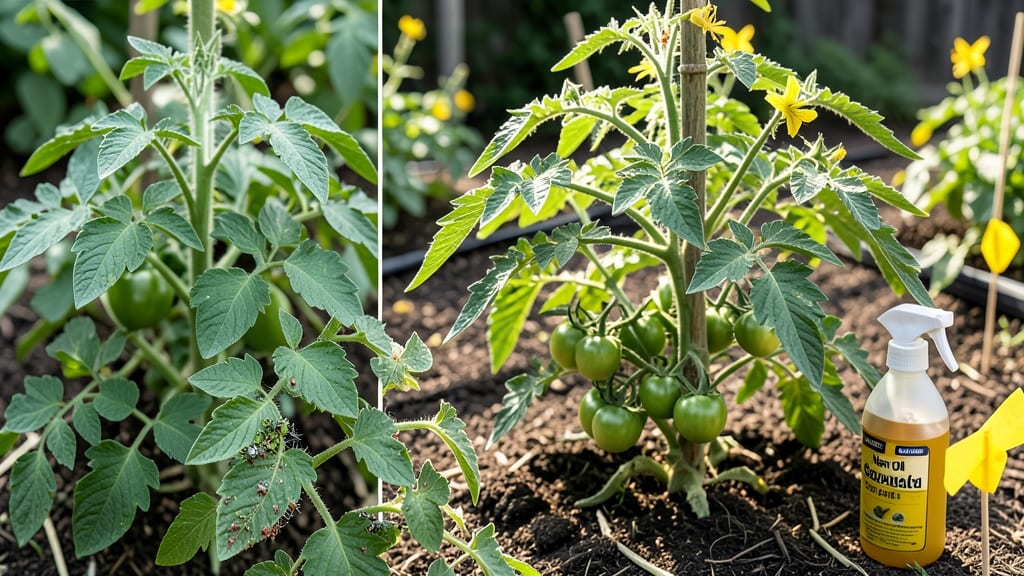
When tomato plants get sucked dry by pests, your harvest disappears before it starts. 🌱 I’ve lost entire vines to aphids and whiteflies—until I discovered the power of companion herbs that naturally repel these sap-suckers.
The right plants create a shield around your tomatoes, keeping them thriving while you enjoy fresh, pest-free fruit all season.
These pests leave telltale signs: sticky residue (aphid honeydew), curled leaves, or tiny white specks fluttering away when you brush the plant. The good news? Herbs like basil, marigolds, and dill act as natural bodyguards, confusing pests with their strong scents and even trapping them.
Planting them nearby reduces infestations by up to 80%, so you spend less time spraying and more time harvesting.
You’ll see the difference within weeks—no more wilting leaves or stunted growth. The herbs also improve flavor, making your tomatoes taste sweeter and more vibrant. Plus, they’re easy to grow alongside your tomatoes, requiring minimal extra effort.
Just tuck them in at the base of your plants, and let nature do the rest.
Works for container gardens, raised beds, or in-ground plots—anywhere tomatoes grow. Here’s how to set up your pest-repellent herb barrier and keep those pests at bay for good.
Root Causes Of Plant Depletion
When your tomato plants start looking sucked dry—wilting, yellowing, or producing stunted fruit—it’s often a sign of hidden stress. Understanding the why behind these symptoms is the first step to fixing the problem.
Below, we break down the most common culprits, from soil issues to sneaky pests, with clear explanations of how they drain your plants’ vitality.
Tomatoes are heavy feeders, and if your soil lacks essential nutrients, they’ll literally starve before your eyes. Here’s how it happens:
- Nitrogen Deficiency: Leads to pale, yellowing leaves (especially older ones) and weak stems. Nitrogen fuels leaf growth, so without it, plants can’t support their own structure—making them vulnerable to pests and disease. Think of it like a bodybuilder without protein.
- Phosphorus Shortage: Causes stunted growth and dark green leaves with purple stems. Phosphorus is critical for root development and energy transfer, so plants can’t absorb water or nutrients efficiently. Result? A slow, weakened system that’s easy prey for pests.
- Potassium & Micronutrient Imbalance: Yellowing leaf edges (called "scorch") or weak fruit walls signal potassium deficiency. Micronutrients like magnesium (chlorosis between leaf veins) or calcium (blossom-end rot) further stress plants, making them less resistant to sucking pests like aphids or whiteflies.
💡 Pro Tip: Test your soil every 2–3 years. Tomatoes thrive in soil with a pH of 6.0–6.8. If levels are off, amend with lime (to raise pH) or sulfur (to lower it). A balanced 5-10-10 or 10-10-10 fertilizer can give them a quick boost mid-season.
Not all plant "sucking" is metaphorical—some pests literally pierce tissues to feed on sap, leaving behind a trail of damage. These invaders weaken plants by:
- Removing Sap: Pests like aphids, whiteflies, and spider mites insert their mouthparts into stems and leaves, sucking out nutrients and injecting toxins. This disrupts the plant’s phloem (the "highway" for sugars and nutrients), causing:
- Sticky honeydew (aphid waste) that attracts mold.
- Yellowing or curled leaves from nutrient loss.
- Weakened defenses, making plants more susceptible to disease.
- Transmitting Viruses: Some pests (like thrips) spread tomato mosaic virus or cucumber mosaic virus, which stunt growth and deform leaves/fruit. Infected plants often can’t recover.
- Competition for Resources: Heavy infestations force plants to divert energy into repairing damage instead of growing fruit. Over time, this leads to reduced yields or plant death.
🔍 Watch For:
Pest
Signs
Where to Look
Aphids
Curled leaves, whiteflies, black sooty mold
New growth, undersides of leaves
Whiteflies
Tiny white moths when disturbed, yellowing leaves
Lower leaf surfaces
Spider Mites
Fine webbing, speckled leaves
Dry, hot conditions (they thrive in heat)
Water—too much or too little—can stress tomato plants to the point of collapse. Here’s how:
- Underwatering: Causes wilting, crispy leaf edges, and root shrinkage. Roots need consistent moisture to absorb nutrients; drought stress forces plants to conserve energy by shedding leaves or aborting flowers.
- Overwatering: Leads to root rot (from Phytophthora or Fusarium fungi), which chokes roots and prevents nutrient uptake. Think of it like drowning—roots can’t breathe.
- Poor Drainage: Compacted or clay-heavy soil traps water at the roots, suffocating them. Tomato roots need oxygen to function; without it, they rot or stop growing.
- Salt Buildup: Over-fertilizing or using hard water can create a salty soil crust, which burns roots and blocks nutrient absorption.
🌡️ Ideal Conditions:
- Water deeply 1–2 inches per week (more in heatwaves).
- Use mulch (straw or grass clippings) to retain moisture.
- Avoid wetting leaves to prevent fungal diseases.
Fungal and bacterial infections can clog a plant’s vascular system, preventing it from transporting water and nutrients. Common offenders include:
- Verticillium & Fusarium Wilt:
- Fungi that invade xylem vessels (the plant’s "straws" for water transport).
- Symptoms: Sudden wilting (even with moist soil), yellowing leaves, and vascular discoloration (brown streaks in stems).
- Once infected, there’s no cure—remove and destroy affected plants immediately.
- Early Blight (Alternaria):
- Fungus that causes brown, concentric spots on lower leaves.
- Blocks nutrient flow by destroying leaf tissue, reducing photosynthesis.
- Spreads via splashing water—keep foliage dry!
- Bacterial Spot (Xanthomonas):
- Creates water-soaked lesions that turn brown and crusty.
- Clogs stomata (pores), limiting gas exchange and nutrient uptake.
- Worse in humid, rainy conditions.
🔥 Prevention: Rotate crops annually, avoid overhead watering, and use copper fungicides if outbreaks occur.
Practical fixes for tomato plant suckers
Now that you know what’s draining your tomato plants, let’s tackle the problem with actionable, garden-friendly solutions—no harsh chemicals required! Below, we’ve mapped out cause-specific fixes, from quick remedies to long-term prevention.
Think of this as your tomato plant first-aid kit, packed with herbs, traps, and smart gardening tricks.
Problem: These tiny vampires cluster on leaves, stems, and fruit, leaving behind sticky residue (honeydew) that attracts mold and weakens your plants.
1. 🌿 Herb-Based Sprays (Safe & Effective)
Use these homemade repellents 1–2 times a week until pests vanish:
- Garlic & Chili Pepper Spray 🔥
- Blend 1 bulb garlic + 1 chili pepper + 1 quart water.
Strain, add 1 tsp dish soap, and spray directly on pests (especially undersides of leaves). Reapply after rain. - Why it works: Garlic contains allicin, which repels insects, while capsaicin (in peppers) burns their bodies.
- Neem Oil Miracle 🌿
- Mix 1 tbsp neem oil + 1 tsp mild soap + 1 quart water. Spray early morning or late evening (avoid direct sun—it can burn leaves).
- Pro tip: 💡 Neem oil disrupts pests’ life cycles, so use it preventively too!
- Herbal Tea Bombs ☕
- Steep strong chamomile, mint, or tansy tea, cool, and spray on plants. The bitter compounds confuse pests’ scent trails.
2. 🕷️ Physical Traps & Barriers
- Yellow Sticky Traps 🎨
- Hang yellow cards (pests are attracted to the color) coated in Tanglefoot near tomato plants. Check and replace traps weekly.
- Row Covers & Netting 🏞️
- For whiteflies, drape fine mesh netting over young plants to block adults from laying eggs. Remove when flowers appear for pollination.
- Soapy Water Blast 💦
- Mix 1 tsp castile soap per quart of water, dip a soft brush, and gently scrub infested areas. Rinse with clean water afterward.
3. 🐝 Beneficial Predators (Nature’s Cleanup Crew)
Invite good bugs to hunt the bad ones:
- Ladybugs 🐞 – Release 1,000+ ladybugs per acre (they devour aphids).
- Lacewings 🕷️ – Their larvae are aphid-eating machines; buy eggs online or attract adults with dill or fennel.
- Parasitic Wasps 🔍 – Tiny but mighty; plant marigolds or dill to lure them in.
Problem: soggy soil + poor drainage = root rot or weakened plants that attract pests.
1. 💧 Drainage Upgrades (Do This Now!)
- Raise Beds or Add Gravel 🪨
- If your soil stays muddy for >6 hours after watering, amend with:
- 50% compost (for nutrients)
- 30% perlite/pumice (for aeration)
- 20% coarse sand (for drainage)
- Pro tip: 🌡️ Test drainage: Dig a hole, fill with water.
If it drains in <1 hour, you’re golden.
- Wicking Beds (DIY Solution) 💧
- Bury terracotta pots vertically in the soil, fill with water. Plants sip moisture as needed—no soggy roots!
2. 🌱 Watering Smarter
- Deep Watering, Less Often ⏰
- Water early morning (6–8 AM) for 10–15 minutes, soaking 6–12 inches deep. Avoid daily light sprinkles (they encourage fungal diseases).
- Sign you’re overwatering: Yellowing leaves, mushy stems, or white mold on soil.
- Mulch Like a Pro 🌿
- Spread 2–3 inches of straw or wood chips around (but not touching stems). This:
- Keeps soil cool and moist (reducing stress).
- Blocks weeds that compete for water.
- Spread 2–3 inches of straw or wood chips around (but not touching stems). This:
Problem: “Why does this keep happening?!” Let’s break the cycle.
1. 🌱 Companion Planting (Herb Shield)
Plant these pest-repelling herbs near tomatoes:
| Herb | Pest It Repels | Planting Tip |
|---|---|---|
| Basil | Whiteflies, Aphids | Place 1 basil plant per 4 tomato plants |
| Marigold | Nematodes, Spider Mites | Border rows with French marigolds |
| Oregano | Cabbage Moths, Beetles | Interplant in raised beds |
| Dill/Fennel | Spider Mites, Squash Bugs | Sow near tomato edges |
💡 Pro Tip: Rotate herbs seasonally—pests adapt fast!
2. 🌿 Soil Health = Stronger Plants
- Feed with Compost Tea 🍄
- Brew 1 cup compost in 5 gallons water for 24 hours, strain, and water plants. Adds beneficial microbes that boost immunity.
- Avoid Synthetic Fertilizers 🚫
- They burn roots and attract pests. Use fish emulsion or worm castings instead for slow-release nutrients.
3. 🕰️ Seasonal Maintenance Checklist
| Time | Task | Why It Works |
|---|---|---|
| Spring | Prune suckers (early growth) | Redirects energy to fruit, not leaves |
| Summer | Thin foliage (remove yellow leaves) | Improves airflow (fewer hiding spots) |
| Fall | Rotate crops (don’t replant tomatoes) | Breaks disease/pest cycles |
| Winter | Add compost to soil | Replenishes nutrients for next year |
Final Thought: 🎯 The key is consistency—combine herb sprays, beneficial bugs, and smart watering, and your tomato plants will thrive like a fortress. Start with one fix (like neem oil or mulching), then layer in others. Your juicy, pest-free tomatoes are just a season away!
Frequently asked questions about sap-sucking tomato pests
What are the most common signs my tomato plants have sap-sucking pests?
Look for sticky honeydew residue on leaves (aphid waste), yellowing or curled leaves, tiny white specks fluttering away when disturbed (whiteflies), or fine webbing (spider mites). Check undersides of leaves first—pests love hiding there!
Can I use neem oil on tomato plants with fruit already forming?
Yes, but apply it early morning or late evening to avoid leaf burn from sunlight. Neem oil is safe for edible crops once the solution dries (usually within 2 hours). Just avoid spraying directly on blossoms or ripe fruit to prevent bitter flavors.
How do I know if my tomato plant is suffering from pests vs. nutrient deficiency?
Pests cause localized damage (like curled leaves or honeydew spots), while nutrient deficiencies show as uniform yellowing (nitrogen) or purple stems (phosphorus). Check for tiny insects or webs—if you see those, pests are likely the culprit.
Will companion herbs really keep pests away, or do I still need to monitor my plants?
Companion herbs like basil and marigolds reduce pest populations by up to 80%, but no method is 100% foolproof. Still check plants weekly for early signs of infestation—especially during hot, dry spells when pests thrive.
What's the fastest way to get rid of an existing aphid infestation?
For immediate results, blast aphids off with a soapy water spray (1 tsp mild soap per quart of water) using a soft brush on undersides of leaves. Follow up with neem oil every 3-4 days to break their life cycle. Severe cases may need ladybug releases for biological control.