
How To
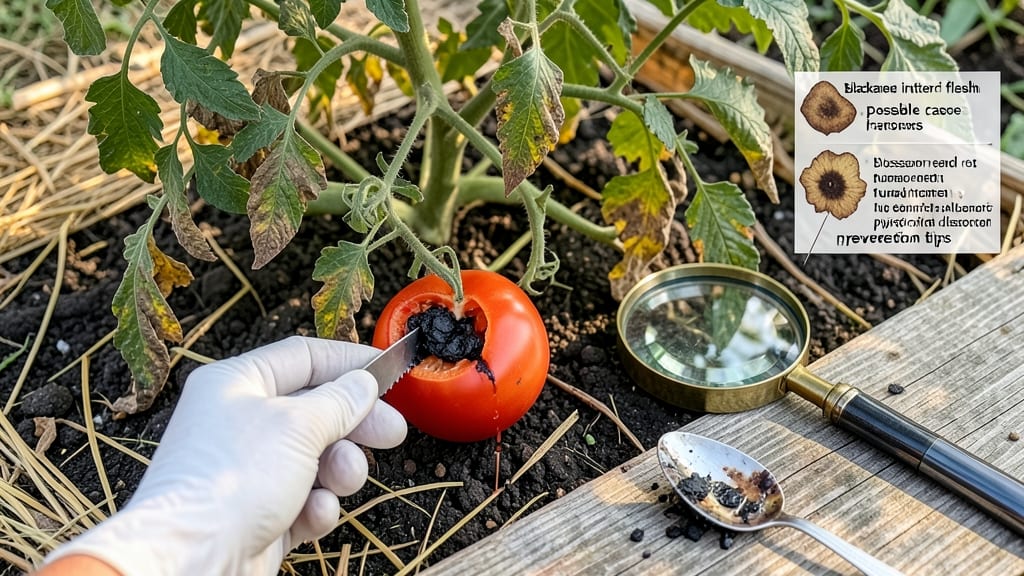
Your tomatoes turn black inside before ripening? That’s the heartbreak I fixed after losing half my harvest to hidden rot last summer. 🌱 The culprit isn’t always what you think—sometimes it’s calcium, other times it’s water stress or even temperature swings.
But here’s the good news: most cases are reversible with simple adjustments.
The first step is identifying the real cause. Black spots near the stem? Likely calcium deficiency (blossom end rot’s sneaky cousin). Black streaks or soft rot? Fungal pressure or uneven watering.
I’ll walk you through how to tell them apart and what to do—starting with the 3-minute soil check that saved my next crop.
Once you know the problem, the fix is straightforward: adjust watering, add crushed eggshells or lime, and protect plants from extreme heat. My plants now stay firm and red all the way through, with no more wasted effort. The key is acting fast—before the black spreads.
This works for both garden beds and containers, and the same principles apply to peppers and eggplants too. Let’s get your tomatoes tasting sweet and uniform again—no more hidden surprises when you slice them open.
Root Causes Of Darkened Tomato Flesh
When you slice into a tomato expecting vibrant red flesh and instead find dark, blackened spots or streaks, it’s usually a sign of stress or damage. These issues don’t just ruin the appearance—they can also affect flavor and texture. Let’s break down the most common culprits behind this frustrating problem.
Tomatoes are sensitive to temperature fluctuations, and extreme heat can trigger oxidative browning or even internal discoloration. When temperatures soar above 90°F (32°C) for prolonged periods, the fruit’s cells break down, leading to:
- Blackened streaks—Caused by ethylene gas buildup (a natural ripening hormone) that accelerates decay.
- Soft, mushy centers—Heat weakens cell walls, making tomatoes prone to collapse and darkening.
- Uneven ripening—Some areas ripen faster than others, creating pockets of discoloration.
💡 Pro Tip: If you’re growing tomatoes in hot climates, use shade cloth (30-50% coverage) or harvest slightly green tomatoes to ripen indoors at room temperature (around 70°F/21°C).
Too much or too little water can wreak havoc on tomato flesh. Here’s how:
- Drought stress—When roots struggle to absorb water, the plant may produce tomatoes with blackened vascular bundles (the white "veins" inside the fruit turn dark).
- Overwatering—Excess moisture leads to anaerobic conditions (lack of oxygen), causing fermentation and blackening.
- Inconsistent watering—Fluctuations in soil moisture stress the plant, leading to cracking and internal discoloration.
🎯 Actionable Fix:
- Water deeply 1-2 times per week (depending on climate), aiming for 1-1.5 inches of water
- Use drip irrigation or soaker hoses to keep moisture consistent.
- Avoid wetting leaves to prevent fungal diseases that worsen discoloration.
Pathogens like Alternaria, Fusarium, or Pythium can invade tomato flesh, causing:
- Black mold spots—Common in humid conditions, these appear as sunken, dark lesions.
- Soft rot—Bacterial infections (e.g., Erwinia) turn flesh black, mushy, and foul-smelling.
- Blossom-end rot (indirectly)—While this causes dark spots at the tomato’s base, severe cases can lead to internal blackening.
🔥 Prevention Tips:
- Rotate crops yearly to prevent soil-borne pathogens.
- Apply copper fungicide or neem oil as a preventive spray.
- Remove and compost infected fruit immediately to stop spread.
Poor soil health or nutrient deficiencies can lead to internal discoloration. Key offenders include:
- Calcium deficiency—Causes blossom-end rot and blackened vascular tissue.
- Excess nitrogen—Leads to soft, watery flesh that darkens quickly.
- Heavy metal toxicity—Contaminated soil (e.g., lead or copper) can cause black speckling.
🌱 Soil Fixes:
- Test soil pH (ideal: 6.0-6.8) and amend with lime if too acidic.
- Add calcium-rich amendments like crushed eggshells or gypsum.
- Avoid over-fertilizing—stick to a balanced 10-10-10 or 5-10-10 NPK ratio.
Now that you know the why, the next step is fixing it—stay tuned for our science-backed solutions to salvage your tomatoes! 🍅✨
Fixing Dark Spots Inside Tomatoes
If you’ve spotted blackened flesh inside your tomatoes, don’t toss them just yet! The good news is that most cases of discoloration—whether from blossom end rot, fungal decay, or overripe spoilage—can be addressed or prevented with simple, science-backed fixes.
Below, we’ll break down the root cause and the exact steps to reverse or avoid the problem, so your tomatoes stay vibrant and delicious.
Cause: Dark, sunken black spots on the bottom of tomatoes (often with a leathery texture) signal calcium deficiency, usually due to uneven watering, soil pH imbalances, or extreme heat.
How to Fix It:
✅ 💧 Adjust Watering Habits
- Water deeply and consistently (1–2 inches per week) to keep soil moisture stable. Avoid shallow sprinkling, which causes calcium uptake issues.
- Mulch around plants with straw or grass clippings to retain moisture and cool roots.
✅ 🌱 Boost Calcium Naturally
- Crush eggshells into a fine powder and sprinkle around the base of plants (or mix into compost). Eggshells are ~95% calcium carbonate!
- Use calcium-rich amendments: Bone meal, crushed oyster shell, or calcium nitrate (follow package rates).
✅ 🌡️ Manage Soil pH & Heat Stress
- Test soil pH (ideal: 6.0–6.8). If too acidic (<5.5), add lime to improve calcium absorption.
- Shade cloth or drip irrigation can prevent heat stress, which worsens rot.
💡 Pro Tip: If rot appears early, prune affected fruits to redirect plant energy to healthier tomatoes.
Cause: Soft, mushy black spots inside the tomato (often smelly) mean fungal infection (e.g., Alternaria, Phytophthora, or Fusarium). Overcrowding, excess moisture, or poor air circulation invite these pests.
How to Fix It:
✅ 🧹 Remove & Dispose Infected Tomatoes
- Do NOT compost rotten tomatoes—spores spread! Toss them in the trash or burn them (if safe).
✅ 🌿 Improve Airflow & Spacing
- Prune leaves touching the soil to reduce humidity.
- Space plants 18–24 inches apart (or use cages/trellises to elevate foliage).
✅ 🛡️ Apply Fungicides Proactively
- Copper fungicide (organic) or neem oil spray (1 tbsp neem oil + 1 tsp mild soap per quart of water) every 7–10 days during wet seasons.
- Baking soda spray (1 tsp baking soda + 1 quart water + few drops of soap) helps prevent Alternaria.
✅ 🌱 Rotate Crops & Sterilize Soil
- Avoid planting tomatoes in the same spot for 3+ years.
- Solarize soil (cover with clear plastic for 4–6 weeks in summer) to kill fungal spores.
💡 Pro Tip: Silica-rich supplements (like kelp meal) strengthen plant cell walls, making them more resistant to fungi.
Cause: Black, mealy flesh near the stem end (often with a fermented smell) means the tomato overripened or was stored improperly.
How to Fix It:
✅ 🍴 Use It Up Fast!
- Sauces, salsas, or roasted tomatoes (blackened spots blend in—just remove seeds first).
- Freeze for soups or stews (blanch whole first to halt decay).
✅ 🧊 Store Correctly
- Never refrigerate until fully ripe (cold turns starches to sugar, ruining texture).
- Keep at room temp (60–70°F) in a paper bag with a banana (ethylene gas speeds ripening).
✅ 🌱 Pick at Peak Ripeness
- Harvest when fully colored (red, yellow, etc.) but still firm.
- Avoid bruising—handle gently to prevent premature spoilage.
💡 Pro Tip: Green tomatoes? Cure them in a paper bag with an apple for 3–5 days to ripen evenly.
Want to avoid blackened tomatoes altogether? Follow this 5-step shield:
- Test soil for calcium & pH (local extension offices offer cheap kits).
- Water at the base (not leaves) early in the morning.
- Rotate crops and sterilize garden beds yearly.
- Prune regularly for airflow—aim for a bushy, open plant.
- Harvest promptly—don’t let tomatoes linger on the vine!
By tackling the specific cause of your tomato’s blackened interior, you can save your harvest and enjoy juicy, flavorful fruits all season. 🍅✨ Which fix will you try first?
Frequently asked questions
Why do my tomatoes turn black inside even when they look fine outside?
This usually means internal stress from calcium deficiency, fungal infections, or uneven watering. The outer skin hides the damage until you slice them open. Check for sunken black spots (calcium issues) or soft, smelly areas (fungal rot) to pinpoint the exact problem.
Can I still eat tomatoes with black inside?
Yes, but only if the blackening is mild and localized! Cut out the affected areas for salads or sauces. For severe cases (mushy, foul-smelling), use them in cooked dishes where the texture won't matter. Avoid eating tomatoes with bacterial soft rot—they can cause food poisoning.
How do I tell if my tomatoes have blossom-end rot or just internal blackening?
Blossom-end rot shows as dark, leathery spots on the bottom of the tomato, while internal blackening appears as streaks or spots inside the flesh. Both can be calcium-related, but blossom-end rot is more visible externally. Test your soil pH—if it's below 6.0, that's likely your issue.
Will adding eggshells really fix blackened tomatoes?
Eggshells are packed with calcium carbonate, which helps prevent internal blackening. Crush them into a fine powder and mix into the soil or sprinkle around plants. For faster results, combine with gypsum (calcium sulfate) and water deeply after application.
Can heat waves cause black spots inside tomatoes?
Yes! Extreme heat above 90°F (32°C) triggers oxidative browning and uneven ripening. Use shade cloth (30-50% coverage) and water deeply in the morning to keep roots cool. Harvest slightly green tomatoes and ripen them indoors at 70°F (21°C) for better results.