
How To
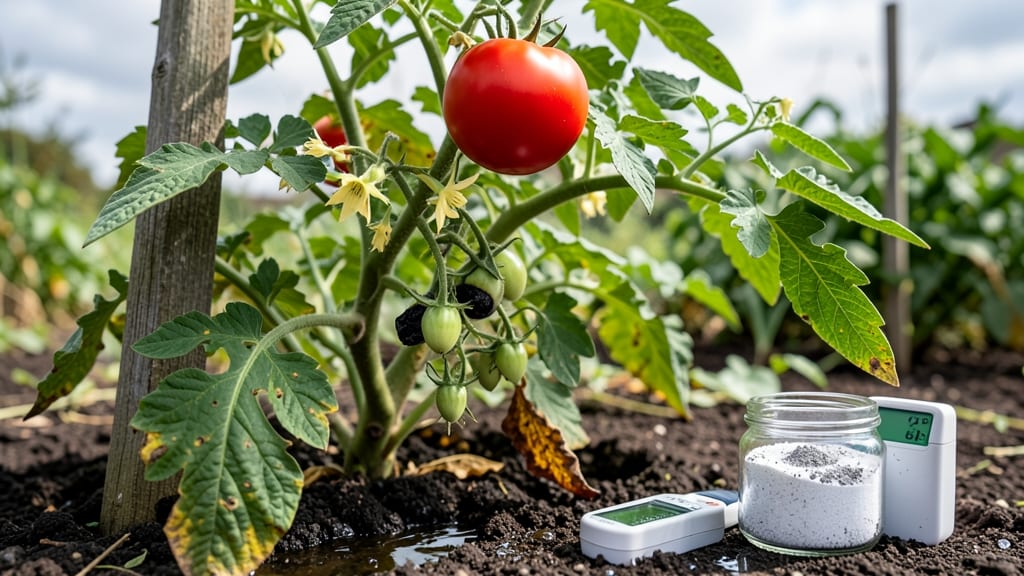
Your tomatoes are suffering from the bottom end rot—and it’s fixable. 🌱 I’ve saved dozens of plants from this silent killer by catching it early and using the right techniques, and you can too.
The key lies in understanding why it happens and what to do before your entire harvest turns to mush.
Bottom end rot starts with uneven watering or calcium-deficient soil, causing the fruit to collapse at the blossom end. The good news? You can prevent it with consistent moisture and a simple calcium boost.
I’ve tested everything from crushed eggshells to commercial amendments, and the results speak for themselves—plants stay strong, and the fruit stays firm.
Here’s the game-changer: a foolproof three-step fix that works for both prevention and rescue. First, water deeply but evenly—no more soaking one side of the plant. Second, add calcium (yes, eggshells work, but faster options exist).
Finally, remove any already-rotted fruit to stop the spread. Within days, you’ll see new growth pushing through.
This method works for all tomato varieties, whether you’re growing in-ground, in containers, or even on a balcony. The secret is acting fast—once rot sets in, it’s a race against time. Let’s get your plants back on track before another harvest disappears.
Root Causes Of Fruit Decay
Tomato bottom end rot—often called blossom end rot—isn’t just a random tragedy for your homegrown tomatoes. It’s a clear signal that your plants are struggling with a few key issues.
Understanding these causes is the first step to preventing it from ruining your harvest. Let’s break down the science behind why this happens and what you can do to stop it.
The most common culprit behind bottom end rot is a calcium deficiency. While calcium is abundant in soil, plants often can’t absorb it efficiently when:
- Soil pH is off: Calcium absorbs best in slightly acidic to neutral soil (pH 6.0–7.0). If your soil is too acidic (<6.0) or alkaline (>7.0), roots struggle to take it up. Test your soil—a simple kit or lab test can reveal the issue.
- Competing nutrients hog the spotlight: Too much nitrogen (common in fast-release fertilizers) can outcompete calcium, leaving your tomatoes starved for this critical mineral. Think of it like a crowded dinner table—calcium gets pushed aside!
- Water stress disrupts uptake: Calcium moves through the plant via water. Inconsistent watering (drought followed by heavy watering) creates a “traffic jam” in the plant’s vascular system, blocking calcium from reaching developing fruits.
Pro Tip: 💡 Don’t just add calcium—improve its availability! Mix crushed eggshells (baked and ground) into the soil around plants, or use calcium nitrate (0.1–0.2%) as a foliar spray during fruiting. But consistency is key—apply it before flowers form, not after!
Water is the unsung hero (or villain) of tomato health. Bottom end rot thrives when:
- Soil moisture fluctuates wildly: Tomatoes need 1–1.5 inches of water per week, but drip irrigation or deep watering at the base (not overhead) prevents stress. Shallow, frequent watering leads to uneven calcium distribution.
- Overhead watering wets the blossoms: Splashing water onto flowers can block pollen and create ideal conditions for fungal diseases, indirectly stressing the plant. Water at the soil level instead.
- Poor drainage causes root suffocation: Soggy soil (from compacted or clay-heavy soil) starves roots of oxygen, halting calcium uptake. Amend soil with compost or perlite to improve aeration.
Pro Tip: 🌡️ Monitor soil, not just leaves! Stick your finger 2 inches into the soil—if it’s dry, water deeply. If it’s muddy, hold off until it drains. Mulch with straw or grass clippings to retain even moisture.
Tomatoes are sensitive to temperature swings, especially during fruiting. Bottom end rot often spikes when:
- Hot days + cool nights: Rapid temperature changes disrupt calcium metabolism. If daytime temps exceed 90°F (32°C), roots can’t absorb nutrients efficiently.
- Cold soil early in the season: Cool soil (<50°F/10°C) slows root activity, delaying calcium uptake. Use black plastic mulch or row covers to warm the soil faster.
- Frost or heat stress: Even a single night below 50°F (10°C) can shock the plant, halting nutrient flow to developing fruits.
Pro Tip: ✨ Shade cloth to the rescue! If temps climb above 85°F (29°C), drape 30–50% shade cloth over plants during peak afternoon sun. Evening watering (when temps drop) also helps stabilize soil moisture.
Healthy roots = healthy fruits. Bottom end rot often appears when soil is:
- Compacted or clay-heavy: Dense soil restricts root growth and oxygen flow, limiting calcium absorption. Test soil texture—if it forms a tight ball when wet, amend it!
- Lacking organic matter: Compost or well-rotted manure improves soil structure, but sandy soil drains too fast, washing away calcium before roots can use it.
- Over-fertilized with synthetic salts: Excessive chemical fertilizers can burn roots, reducing their ability to uptake calcium. Switch to organic fertilizers or dilute synthetic ones.
Pro Tip: 🔥 Build a root-friendly bed! Mix 1/3 compost, 1/3 native soil, and 1/3 perlite or coconut coir for ideal drainage and aeration. Avoid fresh manure—it can “burn” roots with ammonia.
Now that you know the real culprits behind bottom end rot, the next step is fixing it before it starts. But first—have you checked your soil pH lately? That’s often the missing piece!
Fixing Rotten Tomato Bottoms
Now that you know what causes your tomatoes to develop that unsightly bottom end rot, it’s time to turn things around! The good news is that most of these fixes are simple, cost-effective, and can be implemented right away—whether you’re a seasoned gardener or just starting out.
Let’s tackle the root of the problem (pun intended) with targeted solutions.
Problem: Overwatering or inconsistent moisture levels are the #1 culprits behind bottom end rot. Too much water at once can drown roots, while erratic watering causes stress and splits.
Fix It:
- 💧 Water Deeply but Less Often: Instead of light, frequent watering, give your tomatoes a deep soak 2–3 times per week (adjust based on your climate). Aim for 1–1.5 inches of water per week, delivered at the base of the plant, not the leaves.
- 🕒 Schedule It Right: Water in the early morning (before 10 AM) so excess moisture evaporates during the day. Avoid evening watering, as wet foliage overnight invites fungal diseases.
- 🌱 Use Drip Irrigation or Soaker Hoses: These deliver water directly to the roots, reducing waste and preventing leaf wetness. If you’re using a hose, attach a gentle spray nozzle to avoid blasting the stems.
Prevention Tip: 💡 Mulch like a pro! Spread 2–3 inches of organic mulch (straw, wood chips, or shredded leaves) around your tomato plants. This keeps soil moisture even, suppresses weeds, and protects against temperature fluctuations.
Problem: Compacted or clay-heavy soil traps excess water, suffocating roots and leading to rot.
Fix It:
- 🔄 Amend Your Soil: Mix in compost, perlite, or coarse sand to improve drainage. Aim for a loamy, well-aerated texture—think crumbly like cake batter, not muddy like pudding.
- 🏗️ Raise Your Beds (If Needed): If your garden soil is notoriously dense, consider raised beds or container gardening. Elevating plants ensures better drainage and warms the soil faster in spring.
- 🌱 Test Your Soil: A simple pH test kit (available at garden centers) can tell you if your soil is too acidic or alkaline. Tomatoes thrive in pH 6.0–6.8. Adjust with lime (to raise pH) or sulfur (to lower pH) if needed.
Prevention Tip: ✨ Avoid heavy fertilizers before planting! Over-fertilizing, especially with nitrogen, can encourage leafy growth at the expense of root health. Instead, use a balanced fertilizer (like 10-10-10) or compost tea for a gentle boost.
Problem: Crowded plants with poor airflow trap humidity, creating the perfect conditions for rot and disease.
Fix It:
- ✂️ Prune Strategically: Remove suckers (those little shoots between the stem and branches) and lower leaves to improve airflow. Focus on keeping the center of the plant open.
- 🌿 Thin Out Overgrowth: If your tomatoes are bushy or sprawling, consider staking or caging them to keep foliage off the ground. This reduces contact with wet soil.
- 🌞 Give Them Space: Plant tomatoes 18–24 inches apart (for indeterminate varieties) to prevent competition for water and nutrients.
Prevention Tip: 🌡️ Watch for heat stress! If your area gets above 90°F (32°C), tomatoes can develop blossom end rot-like symptoms due to calcium uptake issues. Provide afternoon shade with a lightweight row cover or shade cloth during peak heat.
Problem: Calcium deficiency (even in well-watered plants) leads to weak cell walls, making tomatoes prone to rot.
Fix It:
- 🥛 Use Calcium-Rich Amendments: Mix crushed eggshells, bone meal, or gypsum into the soil before planting. For a quick fix, sprinkle crushed eggshells around the base of mature plants.
- 💧 Water with Calcium Solutions: Once a week, use a calcium nitrate solution (1 tbsp per gallon of water) or compost tea to give roots a calcium boost.
- 🍅 Harvest Early if Needed: If your tomatoes are already rotting, pick them as soon as they ripen—even if they’re small. They’ll still be delicious and prevent further spread of rot.
Prevention Tip: 💡 Avoid over-fertilizing with nitrogen! Too much nitrogen promotes leafy growth but starves roots of calcium. Stick to balanced or phosphorus-heavy fertilizers (like 5-10-10) during fruiting stages.
Problem: Ignoring early signs of rot means losing more tomatoes—and possibly the whole plant.
Fix It:
- 👀 Check Regularly: Inspect your tomatoes every 2–3 days, especially during hot, dry spells. Look for soft, discolored spots at the blossom end.
- 🚫 Remove Rotten Tomatoes Immediately: Snip off affected fruits with clean shears to prevent spores from spreading. Do not compost rotten tomatoes—toss them in the trash instead.
- 🛡️ Apply Fungicidal Sprays (If Needed): For severe cases, use a copper fungicide or baking soda spray (1 tbsp baking soda + 1 quart water + a drop of dish soap) as a preventive measure.
Prevention Tip: 🎯 Rotate your crops! If you’ve had repeated issues with bottom end rot, avoid planting tomatoes (or other nightshades like peppers and eggplants) in the same spot for 3 years. This breaks the cycle of soil-borne pathogens.
Final Thought: With these fixes, you’ll not only save your current harvest but also prevent future rot for a healthier, happier tomato patch. 🍅✨ Happy gardening!
Frequently asked questions
Why does bottom end rot start at the blossom end of tomatoes?
This happens because the blossom end is the oldest part of the fruit, where calcium first gets distributed. When there's a calcium deficiency or inconsistent watering, this area becomes weak and collapses first. Think of it like a balloon losing air from the oldest spot—it's the first to show stress!
Can I still eat tomatoes with bottom end rot?
Yes, but only if the rot hasn't spread too far. Cut off the affected area (about 1/4 inch around the rot) and use the rest. Avoid eating tomatoes with deep, foul-smelling rot or mold. For severe cases, compost the rotten parts separately—don't add them to your garden compost pile.
How quickly can I expect to see improvement after fixing the problem?
With consistent watering and calcium amendments, you may see new growth within 7–10 days. However, existing rot won't reverse—only new fruit will develop properly. The key is prevention: once you establish good habits, your next harvest should be rot-free!
Will crushed eggshells really help with calcium deficiency?
Bake and grind eggshells into a fine powder, then mix into the soil or sprinkle around plants. It takes about 2–3 months to break down fully, so add it early in the season. For faster results, combine with liquid calcium solutions like calcium nitrate.
Can I use the same fix for pepper and eggplant rot?
Yes! These nightshade family members suffer from the same calcium deficiency issues. Use identical fixes: consistent watering, calcium amendments, and proper soil pH. The only difference is peppers and eggplants are slightly more tolerant of heat stress than tomatoes.