Companion Plants
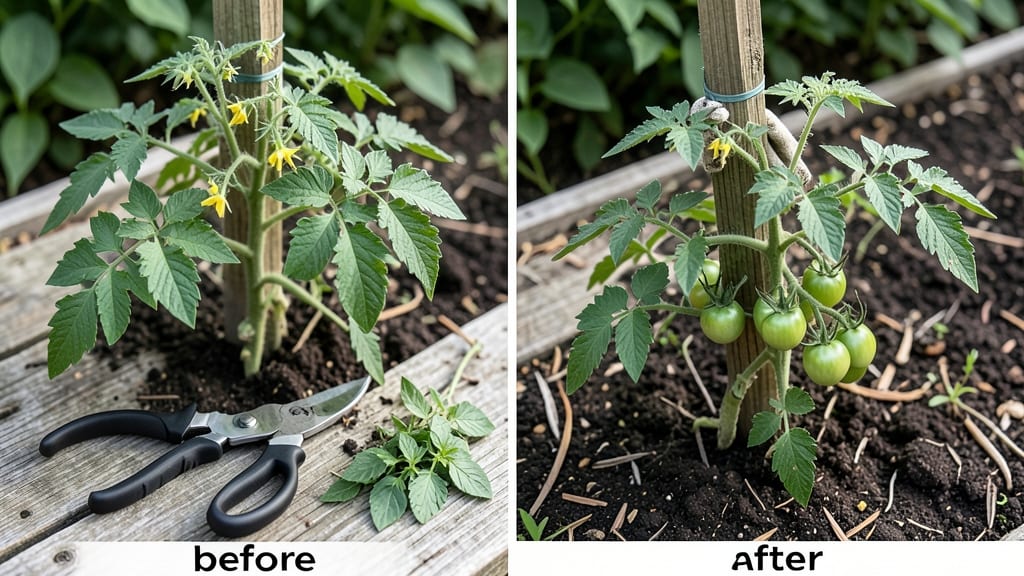
Removing lower leaves from tomato plants at the right time means bigger, healthier harvests—and I’ve learned the hard way that timing matters more than technique. 🌱 The best moment is when plants hit 18 inches tall and just before flowering, but never during wet weather (that’s a surefire way to invite disease).
This isn’t just about aesthetics—it’s about airflow and sunlight. Those lower leaves block light from reaching the fruit, and damp foliage traps moisture, creating the perfect conditions for blight.
I’ve seen plants go from thriving to struggling in weeks when I skipped this step, so don’t wait until you spot the first yellow leaf.
What you’ll gain is stronger stems, more fruit, and fewer problems—think juicier tomatoes and fewer blight spots. The key is patience: prune too early, and you stunt growth; too late, and you lose yield.
Aim for 2-3 inches above the first flower cluster, and use clean, sharp shears to avoid tearing the plant.
Works for both determinate (bush) and indeterminate (vining) varieties, though indeterminates need more frequent pruning. And if you’re in a humid climate, do this early in the morning so leaves have time to dry before evening moisture sets in.
📚 In This Guide
- What you need
- Instructions
- Tips and common mistakes
- Wrapping up and next steps
What you need
- ● Sharp pruning shears or scissors – Must be clean and sterilized (avoid dull tools that tear leaves). A pair with bypass blades works best.
- ○ Hand pruners (optional but handy) – For smaller leaves or tight spaces. Look for ergonomic grips to avoid hand fatigue.
- ● Disinfectant (70% isopropyl alcohol or bleach solution) – 1 part bleach to 9 parts water. Sterilize tools before and after use to prevent disease spread.
- ○ Gloves (optional but recommended) – Nitrile or latex gloves protect against thorns and sap irritation.
- ● Garden twine or stakes (if needed) – For supporting plants after pruning. Use biodegradable twine or soft plant ties.
- ● Healthy tomato plants – Wait until plants are at least 12–18 inches tall with 5–7 true leaves (not just seed leaves).
- ● Dry weather conditions – Prune on a sunny, dry day to allow wounds to heal quickly and reduce disease risk.
- ● Patience and observation – Check plants weekly for signs of pests, disease, or overgrowth before pruning.
Instructions: how to prune lower leaves for healthier tomato plants
Here's my foolproof method for pruning that boosts fruit production without stressing your plants.
✂️ Step 1: Wait Until Plants Reach 12-18 Inches Tall
Don't rush—prune too early and you'll stunt growth. Wait until your tomato plants have 4-6 true leaves and stand 12-18 inches tall. This is when the plant has enough energy to recover from pruning and still produce strong new growth. You'll know it's time when the main stem is thick as your thumb and the leaves are deep green with no yellowing.
I check plants every 3-4 days during warm weather. If you see new leaves forming above the first 6 inches, that's your signal to start pruning. The goal is to remove leaves that touch the soil—these create damp conditions that invite disease.
🌱 Step 2: Remove Only the Lowest Leaves Below the First Flower Cluster
Use clean, sharp pruners or your fingers to gently pinch off leaves below the first flower cluster. Focus on leaves that would naturally touch the soil or block airflow. I remove 1-2 leaves at a time, never more than 1/3 of the plant's foliage at once—this prevents shock. Look for the first set of flowers (usually where the stem starts to branch) and stop pruning just above that point.
Don't cut into the stem—just remove the entire leaf. If you accidentally nick the stem, it won't heal properly and may invite rot. You'll see a clean break when done right, with no jagged edges left behind.
☀️ Step 3: Prune in Mornings on Dry Days
Always prune between 7-10 AM when plants are dry from dew. Wet leaves spread disease faster, and pruning damp foliage can introduce pathogens through open cuts. Choose dry, sunny days with temperatures between 65-85°F—extreme heat or cold stresses plants after pruning.
After pruning, water the base of the plant deeply (about 1 gallon per plant) to help it recover. You'll notice new growth appearing within 5-7 days if conditions are right. If leaves yellow or wilt, you pruned too aggressively—wait until they recover before removing more.
⏰ Step 4: Continue Pruning Weekly as Plant Grows
Keep checking every 7-10 days and remove any new leaves that touch the soil or block sunlight from the lower stem. The goal is to create an open, airy plant that lets sunlight reach all fruit. You'll see bigger, redder tomatoes forming where light hits directly.
Stop pruning 4-6 weeks before your first frost to let the plant harden off. If you prune too late, new growth won't mature before cold weather arrives. Watch for new flower clusters—once they form, prune only the leaves directly below them.
Tips & tricks for perfect tomato plant pruning
Real talk: I learned these tricks after seeing my tomato harvests go from decent to downright impressive. The difference comes from understanding why we prune—and how to do it right.
The Growth Factor: Those 12-18 inches in Step 1 aren't arbitrary—they're when your plant has built enough energy reserves to handle pruning. Think of it like a runner warming up before a race. If you prune too early, you're asking the plant to perform before it's ready, and you'll end up with stunted growth. Wait until you see 4-6 true leaves (not counting the seed leaves) and the stem is as thick as your thumb—that's your green light.
Timing Secret: The 3-4 day check in Step 1 is your early warning system. This is when you'll spot those first leaves forming above the 6-inch mark, signaling it's time to start. But here's what nobody tells you—if you're in a cooler climate, stretch that to 5-6 days. Plants grow slower when nights dip below 60°F, so give them extra time to reach that ready state. The goal is to remove leaves that would touch the soil, not to rush into pruning just because you're eager.
Tool Tip: You don't need fancy pruners—your fingers work perfectly fine for most gardeners. But if you do use tools, sterilize them first with rubbing alcohol (70% or higher). I've seen blight spread just from using the same pruners on healthy plants after infected ones. And always make clean cuts—no jagged edges—that's how diseases sneak in. For stubborn leaves, twist gently rather than sawing at the stem. You'll know you're doing it right when the leaf comes off cleanly with no torn edges.
Post-Prune Care: That 1 gallon of water in Step 3 isn't just for hydration—it's your plant's recovery drink. After pruning, roots are working overtime to support new growth. Water deeply to encourage root expansion, which helps the plant bounce back faster. Pro tip: Add a handful of compost to the soil around the base while you're watering. The extra nutrients give your tomato plants the boost they need to compensate for the leaves you removed.
Pro Tips for When To Remove Lower Leaves From Tomato Plants
- Real talk: I learned these tricks after seeing my tomato harvests go from decent to downright impressive.
- The Growth Factor: Those 12-18 inches in Step 1 aren't arbitrary—they're when your plant has built enough energy reserves to handle pruning.
- Timing Secret: The 3-4 day check in Step 1 is your early warning system.
Frequently asked questions
Got questions about pruning tomato leaves? You’re not alone! Here are answers to the most common concerns—so you can confidently snip and grow those juicy tomatoes like a pro.
When is the best time of day to remove lower leaves?
Prune in the morning when the plant is dry and the air is cooler. This reduces stress on the plant and minimizes the risk of fungal infections. Avoid pruning in the evening or after watering, as wet leaves can attract pests or diseases.
How much of the lower stem should I remove?
Remove leaves up to 12–18 inches from the base, but leave a few lower leaves if they’re healthy. These can help support the plant early in growth. Focus on yellow or diseased leaves first—they’re the biggest energy drain!
What if I wait too long to prune?
Don’t panic! Even late pruning helps, but the earlier you start, the better. If your plant is already flowering or fruiting, prune gently to avoid shocking it. Just remove the worst offenders (diseased, yellow, or touching the soil) and monitor for stress signs.
Can I prune during hot or humid weather?
Pruning in extreme heat (above 90°F) or high humidity can stress the plant or invite fungal issues like blight. If you must prune, do it early morning and water deeply afterward. In humid climates, prioritize removing wet or crowded leaves first.
Are there alternatives to pruning lower leaves?
Yes! If pruning feels overwhelming, try these:
- Mulch heavily: Use straw or grass clippings to block sunlight from lower leaves naturally.
- Train vines upward: Use stakes or cages to lift leaves off the ground, improving airflow.
- Focus on diseased leaves: Remove only the worst ones and let the rest stay for now.
Wrapping up and next steps
Pruning the lower leaves of your tomato plants isn’t just about aesthetics—it’s a game-changer for healthier plants and bigger, juicier harvests! 🌱 By removing those bottom leaves early (when plants hit 12–18 inches) and maintaining airflow, you’ll slash disease risks and redirect energy to fruit production. Remember: consistency is key—check your plants weekly during the growing season.
Now that you’re armed with the know-how, grab those pruners and get pruning! 🌟 Start with your earliest-planted tomatoes, and soon you’ll be basking in the glory of a thriving, productive garden. Pro tip: Snap a photo of your progress—your future self (and future salads!) will thank you.