Planting
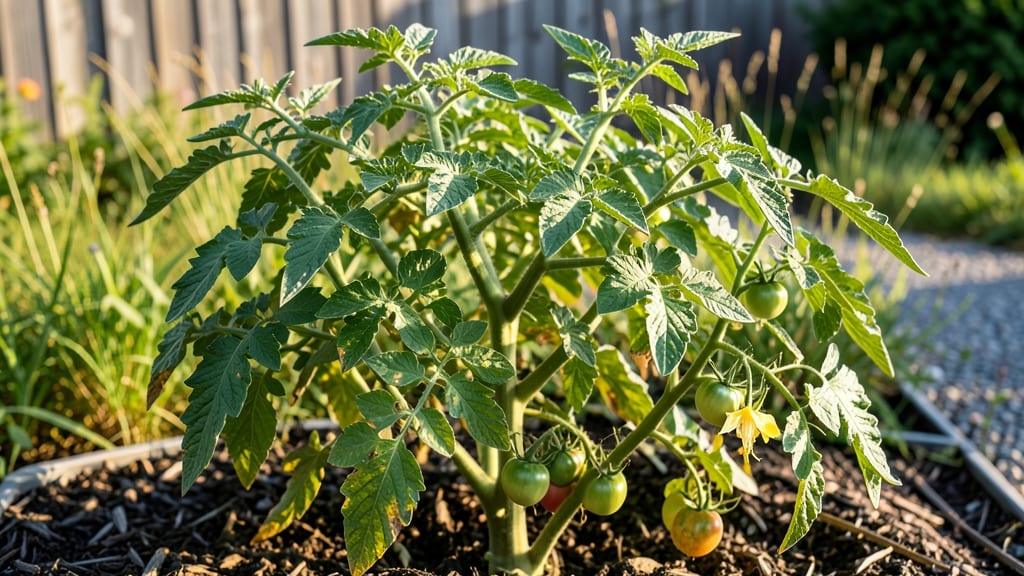
A healthy tomato plant starts with the right foundation—sun, soil, and patience. 🌱 I’ve grown tomatoes for years, and the difference between a thriving vine and a struggling one comes down to these three basics: well-draining soil, 8+ hours of sunlight daily, and consistent care.
Skip any of these, and you’ll end up with weak stems or bitter fruit. The secret isn’t complicated—it’s about balance. Overwatering? Roots drown. Underwatering? Fruits split. Too much nitrogen? Leafy monsters with no tomatoes.
But get it right, and by 60 days, you’ll be harvesting juicy, vine-ripened fruit straight from your garden. The first step? Pick the right variety for your climate and space. Once planted, focus on mulching to retain moisture, pruning to improve airflow, and organic fertilizer to fuel growth.
I swear by a mix of compost and balanced fertilizer—no chemicals needed. The payoff? Plants that stand strong against pests and diseases, with fruit that tastes like summer in every bite. This method works for containers, raised beds, or in-ground gardens.
Whether you’re a beginner or a seasoned gardener, these steps will give you bursting vines and bursting fruit—no guesswork required.
📚 In This Guide
- What you need
- Instructions
- Tips and common mistakes
- Wrapping up and next steps
What you need
- ● Tomato Seeds or Seedlings: Choose disease-resistant varieties like Cherry Tomatoes (Sweet 100) or Beefsteak Tomatoes. Start with 4-6 plants for a bountiful harvest.
- ● Containers or Garden Bed: For containers: 5-gallon pots or fabric grow bags (1 per plant). Ensure they have drainage holes!
- ● For garden beds: A sunny spot (6+ hours of sunlight) with well-draining soil. Space plants 18-24 inches apart.
- ● High-Quality Potting Mix: 10-15 lbs of organic, well-draining mix (avoid garden soil—it’s too dense!). Look for blends with compost or coconut coir.
- ● Fertilizer: Balanced Fertilizer (10-10-10): 1 lb to kickstart growth.
- ● Tomato-Specific Fertilizer (5-10-10 or higher in potassium): 1 lb for flowering and fruiting stages.
- ● Mulch: 2-3 inches of straw or shredded leaves to retain moisture and suppress weeds.
- ● Stakes or Cages: 6-foot wooden stakes or tomato cages (1 per plant) to support vertical growth.
- ● Watering Can or Hose with Nozzle: For gentle, deep watering (avoid wetting leaves to prevent disease).
- ● Pruning Shears: Sharp, clean shears to trim suckers and dead leaves.
- ● Grow Lights: If starting indoors, a full-spectrum LED grow light (12-16 hours/day) to supplement natural light.
- ● Drip Irrigation System: For consistent moisture without overwatering.
- ● Compost Tea or Fish Emulsion: Organic liquid fertilizer for a nutrient boost during flowering.
- ● Row Covers or Shade Cloth: To protect young plants from pests or harsh sun.
- ● pH Test Kit: To ensure soil pH is between 6.0-6.8 (tomatoes thrive in slightly acidic soil!).
Step-by-step guide to cultivating a healthy tomato plant
Here's how I grow vigorous tomato plants that produce abundant fruit—no guesswork, just science-backed care.
🌱 Step 1: Start with Disease-Free Seedlings or Transplants
Choose heirloom or hybrid varieties suited to your climate zone, and look for sturdy, dark green seedlings with no yellowing leaves. I always inspect the stems for thickness and strength—a pencil-sized stem at the base means the plant has the energy to support heavy fruit loads. Avoid seedlings with damp, mushy stems or white fungal growth, as these indicate damping-off disease.
If starting from seed, sow 6-8 weeks before last frost in sterile seed-starting mix under grow lights (not just a sunny windowsill). Seedlings need 14-16 hours of light daily to prevent leggy growth. The moment you see true leaves (not the initial seed leaves), provide balanced fertilizer at half-strength to encourage root and stem development.
☀️ Step 2: Provide Full Sun and Proper Airflow
Tomatoes thrive in full sun—at least 6-8 hours daily—but they also need breathable space to prevent fungal diseases like early blight. I stake my plants with 6-foot bamboo stakes or use cages to support vines while keeping foliage off the ground. If growing in containers, ensure pots are at least 12 inches deep with multiple drainage holes—root-bound tomatoes produce fewer fruits.
Watch for sunburn on young leaves—it appears as white or grayish patches on upper leaves. If this happens, provide light shade (like a sheer cloth) during peak afternoon sun for a few days. Mulch around the base with straw or grass clippings to retain moisture and regulate soil temperature, which keeps roots healthy and encourages strong growth.
💧 Step 3: Water Deeply and Consistently
Tomatoes hate inconsistent moisture—overwatering one day and drying out the next causes blossom-end rot (black spots on fruit) and cracking. I water deeply at the base every 2-3 days, ensuring the top 2-3 inches of soil feel dry before the next watering. Drip irrigation or soaker hoses work best because they deliver water slowly and directly to the roots, reducing leaf wetness that invites disease.
Water in the early morning so foliage has time to dry before evening. Avoid wetting leaves, especially during humid weather. If you must water overhead, do it before 10 AM to minimize fungal risks. You’ll know your watering is right when the soil stays evenly moist but not soggy, and the plant’s leaves stay turgid (firm) rather than wilting or drooping.
✂️ Step 4: Prune for Health and Productivity
Pruning isn’t just about shaping—it’s about directing energy to fruit production. Remove suckers (the small shoots that grow in the joint between the stem and a branch) weekly once the plant reaches 12 inches tall. These compete with fruit for nutrients, so I pinch them off with my fingers or snip with clean pruners. Leave 3-4 main stems on indeterminate varieties (like 'Sungold') for maximum yield.
Also, trim lower leaves that touch the soil to prevent disease. I stop pruning when the plant reaches 5-6 feet tall or when flowers appear—over-pruning late in the season can reduce fruit set. If you see yellow leaves, check for pests like aphids or spider mites. Spray with neem oil if needed, but always apply in the evening to avoid harming bees.
🌿 Step 5: Feed and Monitor for Pests/Diseases
Tomatoes are heavy feeders, so I fertilize every 2-3 weeks with a balanced organic fertilizer (like 5-5-5) once flowers appear. Switch to a low-nitrogen, high-phosphorus fertilizer (like 3-8-6) when fruit sets to boost sugar development. Avoid high-nitrogen fertilizers late in the season—they encourage leafy growth at the expense of fruit.
Watch for common pests like hornworms (large green caterpillars) and diseases like powdery mildew (white fuzzy patches). Handpick hornworms daily—they can defoliate a plant overnight. For mildew, spray leaves with a baking soda solution (1 tsp baking soda + 1 quart water + a drop of dish soap) every 7-10 days as a preventative. Healthy plants resist problems better, so rotate crops yearly and clean up debris in fall to break disease cycles.
Tips & tricks for thriving tomato vines
Here's what nobody tells you about growing tomatoes that actually produce like crazy—no more sad, stunted plants!
Seedling Selection: When choosing seedlings, look for ones with hair-like roots at the base—this indicates a healthy root system that will support vigorous growth. I've learned the hard way that seedlings with no root hairs often struggle later. Also, avoid plants with yellowing cotyledons (the first true leaves) as this can signal nutrient deficiencies that won't resolve themselves.
Lighting Strategy: That 14-16 hours of light is non-negotiable for preventing leggy seedlings. If you're using fluorescent grow lights, position them 2-3 inches above seedlings and adjust as they grow. I use a simple timer to automate this—no more forgetting to turn lights on or off. For natural light, a south-facing window won't cut it; you'll need supplemental lighting to hit that crucial light requirement.
Sunburn Prevention: Those white or grayish patches from sunburn? They're actually dead tissue, and the plant won't regrow it. To prevent this, I always acclimate seedlings gradually to full sun over 7-10 days. Start with 2-3 hours of direct sun and increase by 1 hour daily. This toughening process helps leaves develop protective pigments naturally. For container growers, use lightweight shade cloth during peak afternoon sun when temps exceed 85°F.
Pruning Timing: The weekly sucker removal after the plant reaches 12 inches is about more than just aesthetics—it's about fruit quality. I've found that plants with too many suckers produce smaller, less flavorful tomatoes. Use clean pruners and make cuts just above a leaf node to encourage proper healing. Remember, you can't prune too aggressively early on, but once flowers appear, be gentle—too much pruning stresses the plant when it's already working hard to set fruit.
Pro Tips for Healthy Tomato Plant
- Here's what nobody tells you about growing tomatoes that actually produce like crazy—no more sad, stunted plants!
- Seedling Selection: When choosing seedlings, look for ones with hair-like roots at the base—this indicates a healthy root system that will support vigorous growth.
- Lighting Strategy: That 14-16 hours of light is non-negotiable for preventing leggy seedlings.
Frequently asked questions
Got questions about keeping your tomato plant thriving? Here are some of the most common ones—plus quick, actionable answers to keep your vines happy and your harvest bountiful!
How often should I water a tomato plant?
Water your tomato plant deeply 1–2 times per week, aiming for about 1–2 inches of water. Consistency is key! Let the top inch of soil dry out between waterings to prevent root rot, but avoid letting the soil get bone-dry. Mulch around the base to retain moisture and reduce evaporation. Morning watering is best—it gives foliage time to dry, cutting down on disease risks.
When is the best time to plant tomatoes?
For optimal growth, plant tomatoes after the last frost date in your area, when soil temps reach at least 55°F (13°C). In warm climates, you can start as early as February or March, while cooler regions may wait until April or May. If planting early, use row covers or cold frames to protect tender seedlings from chilly nights.
What are the most common tomato plant pests, and how do I get rid of them?
Watch for hornworms (green caterpillars), aphids (tiny clusters on leaves), and whiteflies (tiny white bugs). Handpick hornworms or spray with neem oil for a natural fix. For aphids, blast them off with water or introduce ladybugs. Rotate crops yearly and remove infected plants to prevent reinfestation.
Can I grow tomatoes in containers, and what size pot do I need?
Tomatoes thrive in containers if given enough space. Use a pot at least 5 gallons for dwarf varieties and 10+ gallons for larger types like Beefsteak. Ensure it has drainage holes and fill with well-draining potting mix. Place pots in full sun (6+ hours/day) and fertilize regularly for best results.
Why are my tomato leaves turning yellow?
Yellow leaves often signal overwatering, nutrient deficiency, or disease. Check the soil—it should be moist but not soggy. If the yellowing starts at the bottom leaves, it’s likely overwatering or poor drainage. Yellow edges may mean underwatering or low nitrogen. Brown spots with yellow halos? That’s likely early blight—remove affected leaves and space plants for airflow.
Wrapping up and next steps
Growing a healthy tomato plant is simpler than you think—and the rewards are delicious! With the right soil, sunlight, and care, you’ll enjoy vibrant vines and juicy tomatoes in just 60 days. Remember, consistency is key: prune regularly, watch for pests, and stay patient. 🌱
Now that you’re armed with tips, take the next step—grab your seeds or seedlings and get planting! Whether you’re a beginner or a seasoned gardener, your thriving tomato patch is just a few weeks away. Happy growing! 🍅✨