
Vegetables
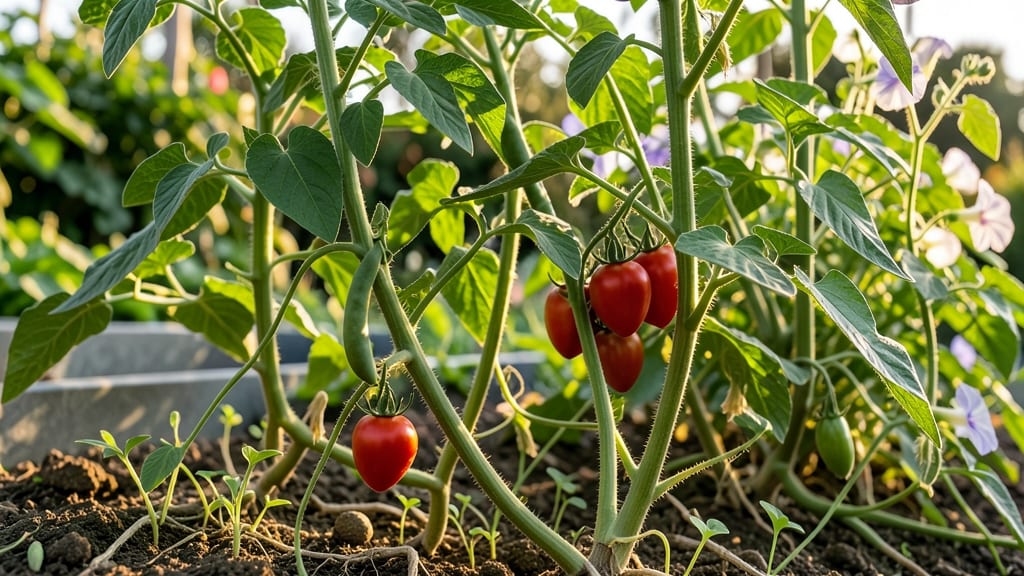
Tired of flimsy tomato cages collapsing under heavy fruit? These ten sturdy alternatives will keep your tomatoes upright, maximize space, and prevent disease while supporting even the heaviest harvests—without taking over your garden.
Bamboo Stakes for Tall Determinate Tomatoes
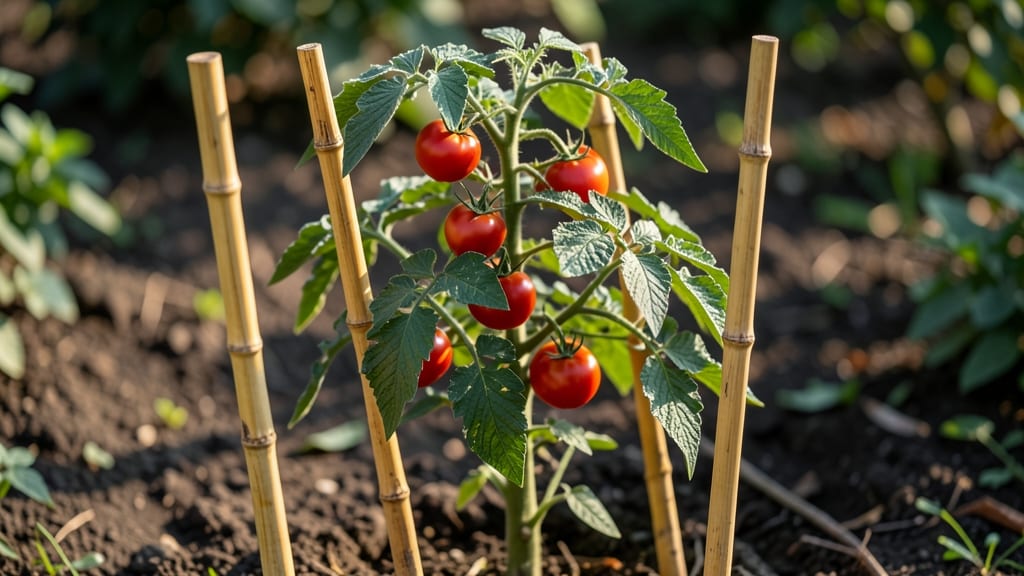
Say goodbye to bulky plastic cages and hello to bamboo stakes—nature’s answer to supporting tall determinate tomatoes like heirloom varieties. These lightweight yet sturdy supports are perfect for small gardens, balconies, or containers where space is limited but flavor isn’t.
Use 3-4 stakes per plant, arranged in a triangular formation and tied gently with soft twine or old fabric strips to avoid damaging stems. Bamboo’s natural strength handles 2-3 pound tomatoes without bending, and its rustic look blends seamlessly into cottage or organic gardens. For extra stability, drive stakes 6-8 inches deep into moist soil before planting.
Small-space growers and eco-conscious gardeners will love this zero-waste, reusable solution—simply soak stakes in water overnight before use to prevent splitting. Plus, they’re budget-friendly and compostable at the end of the season. 🌱
Galvanized Metal T-Posts with Twine
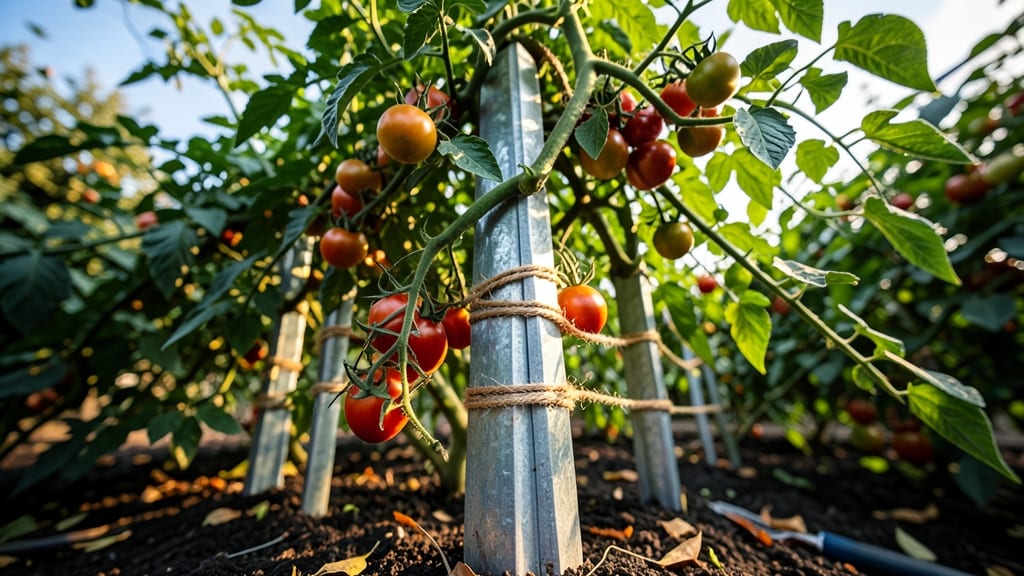
When your indeterminate tomatoes reach sky-high heights and traditional cages can’t keep up, galvanized metal T-posts with twine step in as the heavyweight champion of support. These sturdy, rust-resistant posts are designed to handle the weight of sprawling vines and fruit loads up to 20 pounds per plant—ideal for containers or raised beds where space is limited but yield potential is high.
Install them by driving the posts 12–18 inches into the soil (deeper in windy areas) and securing vines with soft twine or horticultural tape every 12–18 inches. The key advantage? You can adjust the height as your plant grows, unlike rigid cages. For extra stability in containers, add a second post on the opposite side or use a crossbar between posts for wider varieties like Brandywine or Cherokee Purple.
This system is a game-changer for urban gardeners or those with raised beds, offering durability without the bulk. Plus, the galvanized coating ensures long-term use—no rust, no replacement needed for years. 🌟
Cattle Panel Trellis System
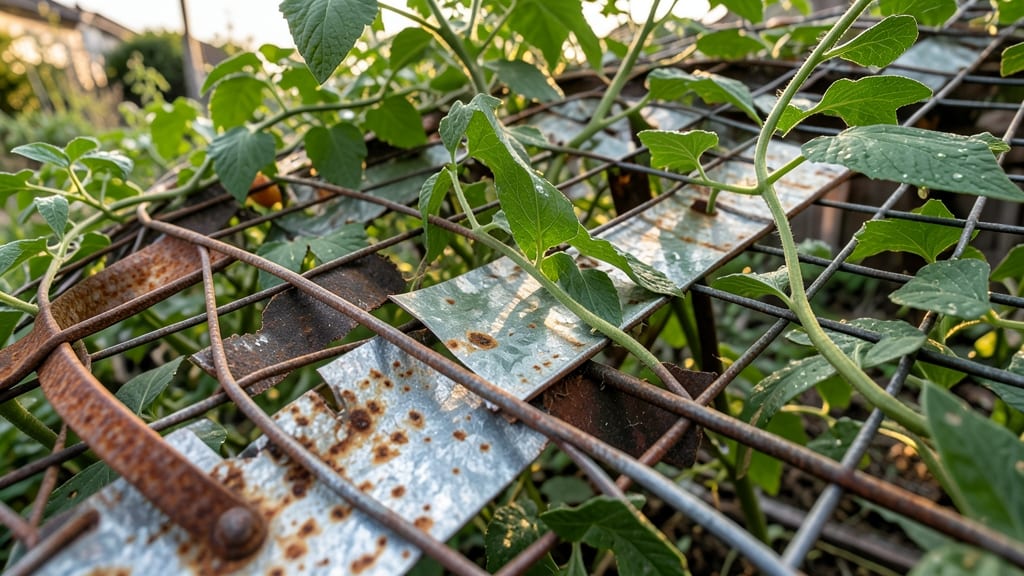
Transforming scrap metal into a cattle panel trellis is one of the most versatile ways to support cherry tomatoes and other vining plants while tackling wind exposure in urban or breezy gardens. This dual-purpose system not only elevates your plants vertically but also acts as a sturdy windbreak, protecting delicate foliage from harsh gusts.
Start by cutting a section of cattle panel (about 4 feet wide) and bending it into an arch shape, securing the ends with heavy-duty wire or metal brackets. The rustic metal grid provides plenty of grip for tomato vines, while the curved design naturally channels wind away from your plants. For extra stability, anchor the trellis to wooden posts or bury the ends slightly in the soil. This setup works beautifully for multiple plants, allowing you to train cucumbers, beans, or even grapes alongside your tomatoes.
Perfect for urban gardeners or those with limited space, this trellis maximizes vertical growth without sacrificing durability. Plus, it’s an eco-friendly way to repurpose materials you might already have lying around. 🌱
Wooden Tomato Tower with Built-In Pruning Shelf
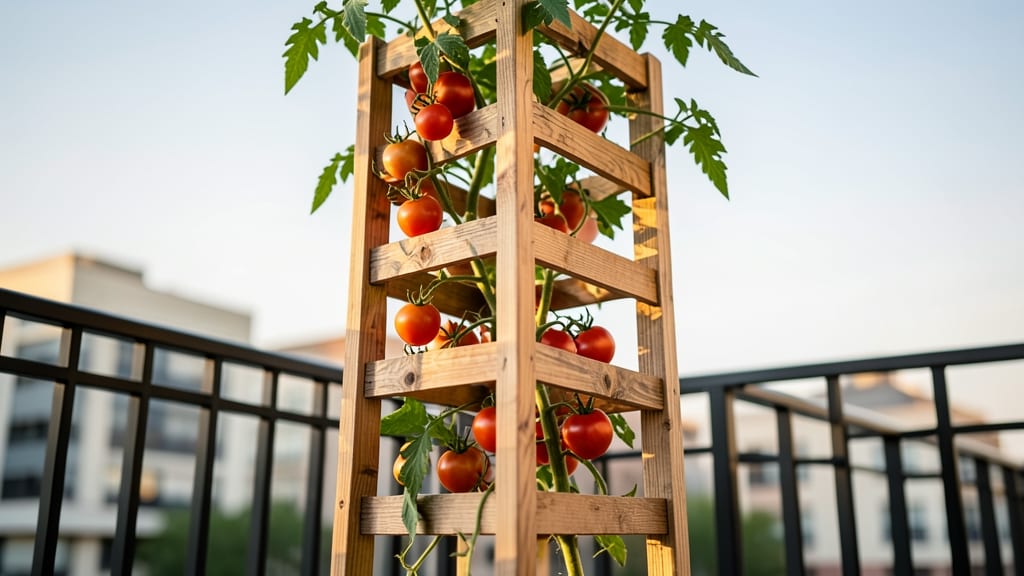
Balcony gardeners, rejoice—this wooden tomato tower solves two problems at once: space constraints and soil-borne diseases. By lifting plants off the ground, it creates a clean break between your tomatoes and potential pathogens lurking in the soil below.
Constructed from untreated cedar or redwood (naturally rot-resistant), the tower features slatted sides for airflow and a built-in shelf at waist height—perfect for pruning shears or storing freshly picked tomatoes. The shelf also doubles as a harvesting station, keeping ripe fruit off the ground and within easy reach. For best results, train vines upward using soft jute twine and water only at the base to prevent shelf rot.
This DIY structure is a game-changer for container growers or anyone with limited patio space, offering year-round support without sacrificing aesthetics. Plus, the elevated design makes it easier to spot pests before they become a problem. 🌱
Plastic Milk Jug Stakes for Small Plants
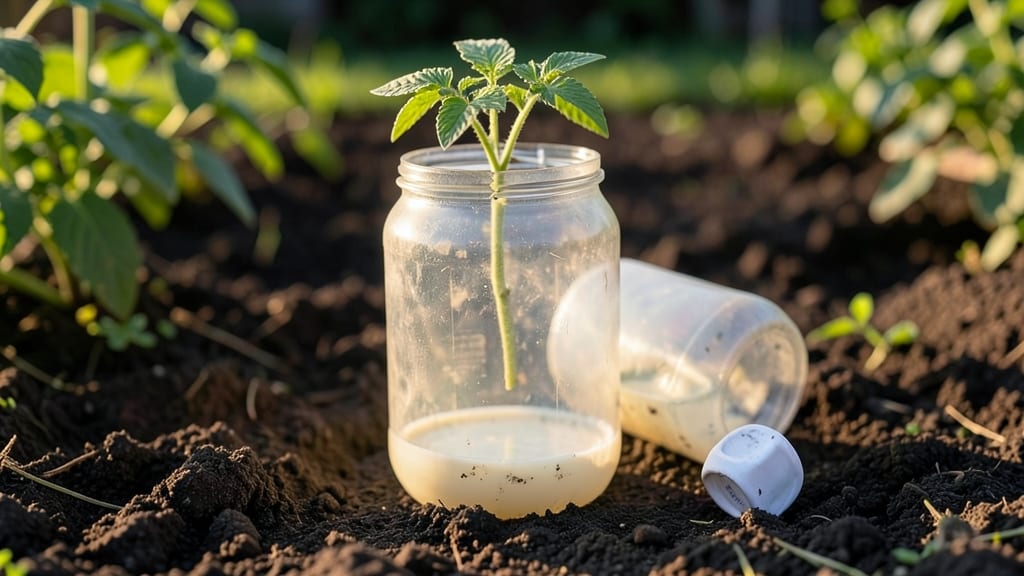
Skip the store-bought stakes and turn your plastic milk jugs into sturdy, zero-cost supports for cherry tomatoes and other lightweight seedlings. This clever repurposing method transforms everyday trash into a functional garden tool—ideal for beginners or anyone watching their budget.
Start by cutting the jug into 8-inch stakes, then reinforce the sides with copper or floral wire to prevent splitting. Drive the stakes into the soil around your plant, leaving the top open to secure the stem. These stakes work best for small varieties like bush tomatoes or peppers, offering just enough support without taking up space.
This solution is perfect for urban gardeners or anyone with limited funds, as it uses materials you already have lying around. Plus, it’s lightweight and easy to adjust as your plants grow—no heavy lifting required! 🌱
Hemp Twine and Wooden Dowels System
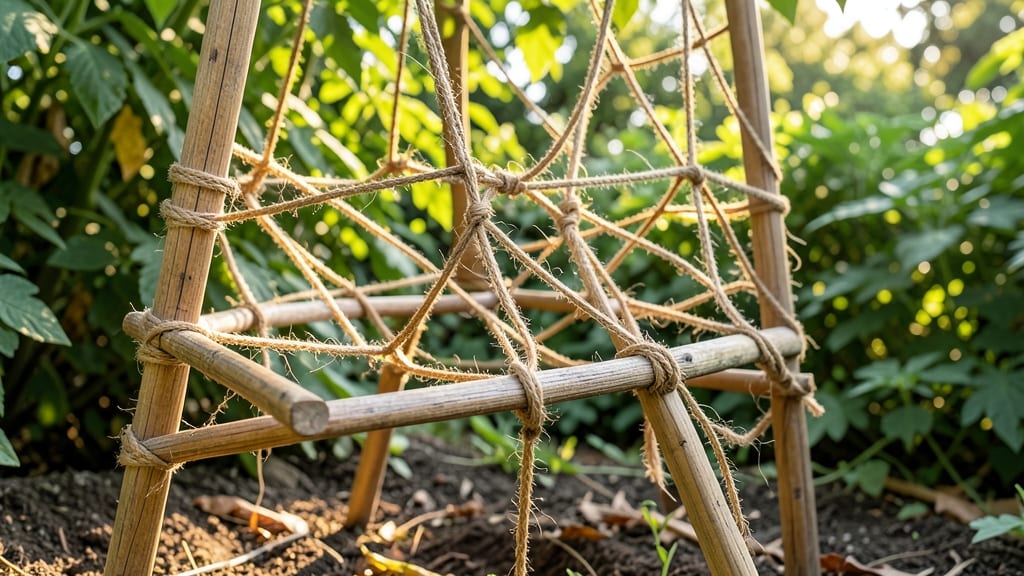
Skip the plastic and embrace a fully biodegradable tomato support system that works with your garden’s natural rhythm. This hemp twine and wooden dowels combo creates a flexible, adjustable framework that grows alongside your plants—no rust, no degradation, and zero waste when it’s time to compost everything at season’s end.
Start by driving untreated cedar or pine dowels (18–24 inches long) into the soil in a triangular formation around each plant, spacing them 12–18 inches apart. As your tomato vines grow, gently tie them to the dowels using hemp twine (not too tight—you want to encourage natural movement). The twine stretches slightly as plants mature, so you can adjust it without damaging stems. For indeterminate varieties, add a third dowel later in the season to create a mini trellis effect that supports heavier fruit loads.
This system is a game-changer for organic gardeners and permaculture practitioners who prioritize sustainability. The untreated wood won’t leach chemicals into the soil, and the hemp twine breaks down harmlessly, leaving your garden cleaner than ever. Plus, it’s lightweight enough for container gardening but sturdy enough for ground-planted tomatoes. 🌱
A-Frame Wire Trellis for Bush Tomatoes
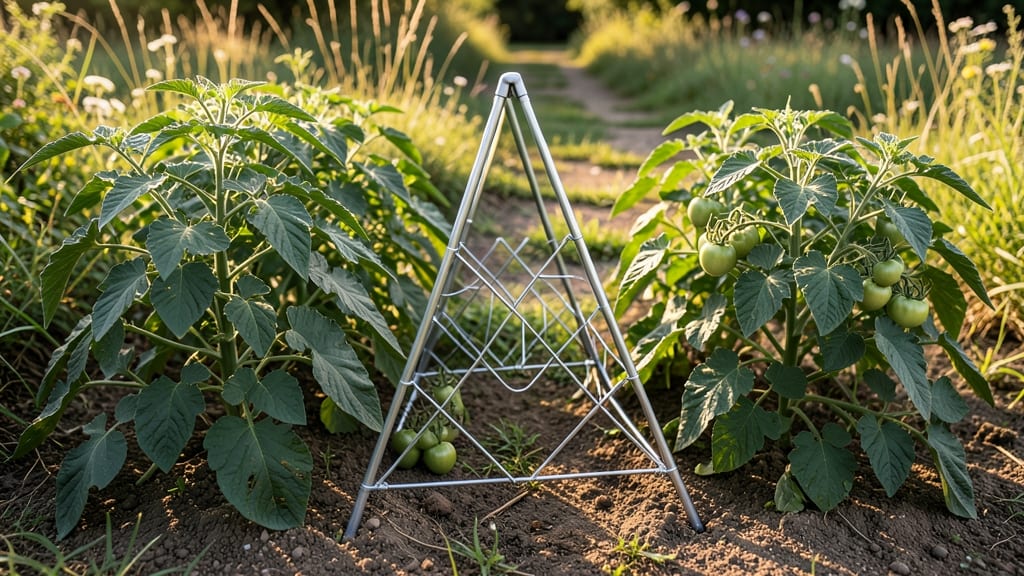
If your determinate tomatoes are sprawling into every available inch of your garden, an A-frame wire trellis is the lightweight yet sturdy solution you’ve been missing. Unlike bulky cages, this collapsible design fits snugly between plants, preventing sprawl while improving air circulation—critical for disease prevention in dense plantings.
Made from durable galvanized wire, these trellises support bush varieties without weighing down the soil or taking up valuable space. Simply stake the frame at planting time, train vines through the open weave, and watch your tomatoes stay upright and accessible. The collapsible design makes it perfect for greenhouses or high-density raised beds, where space and stability matter most.
This option is ideal for gardeners who want easy setup and storage without sacrificing support. Whether you’re growing in containers or maximizing square footage, this trellis keeps your harvests organized and off the ground. 🌱
Upcycled Ladder Trellis for Vertical Gardens
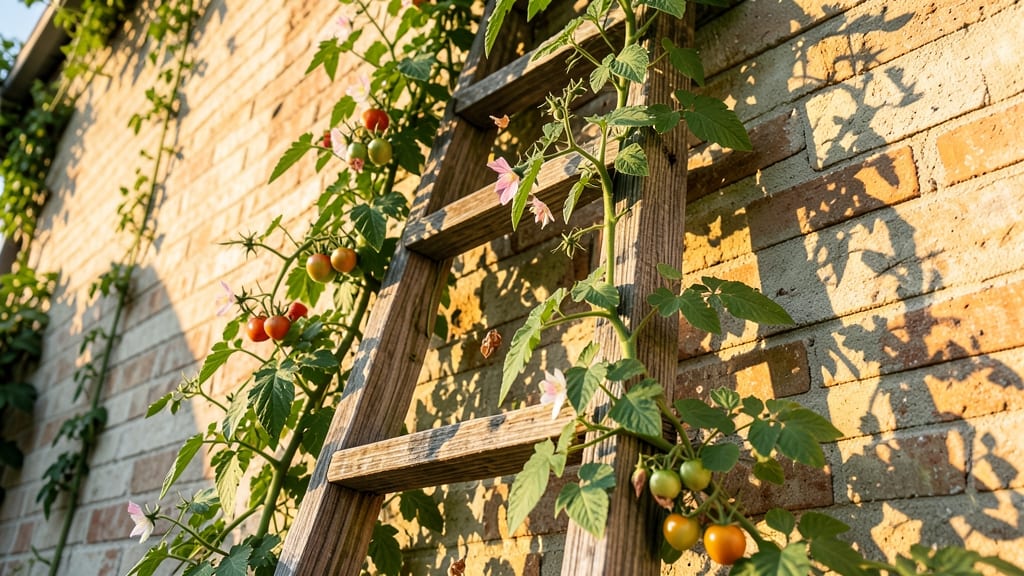
Turn clutter into a vertical garden showstopper by repurposing an old wooden ladder as a tomato trellis—no tools or special skills required. This rustic solution transforms limited space into a productive, eye-catching display while giving indeterminate varieties the support they crave.
Start by propping the ladder vertically in your garden bed, ensuring the rungs face outward for easy vine training. Secure the base with stakes or bricks to prevent tipping, then gently weave tomato vines through the rungs as they grow. The multi-level design naturally elevates fruit off the ground, reducing rot risk and making harvests effortless. For extra stability, plant cherry tomatoes along the sides or heirloom varieties at the base.
Urban gardeners and balcony growers will love this zero-cost, space-saving hack—it’s perfect for patios, small yards, or even indoor growing setups with grow lights. Plus, the ladder’s weathered charm adds rustic aesthetic appeal while keeping your tomatoes thriving. 🌱
PVC Pipe Cage with Zip Ties
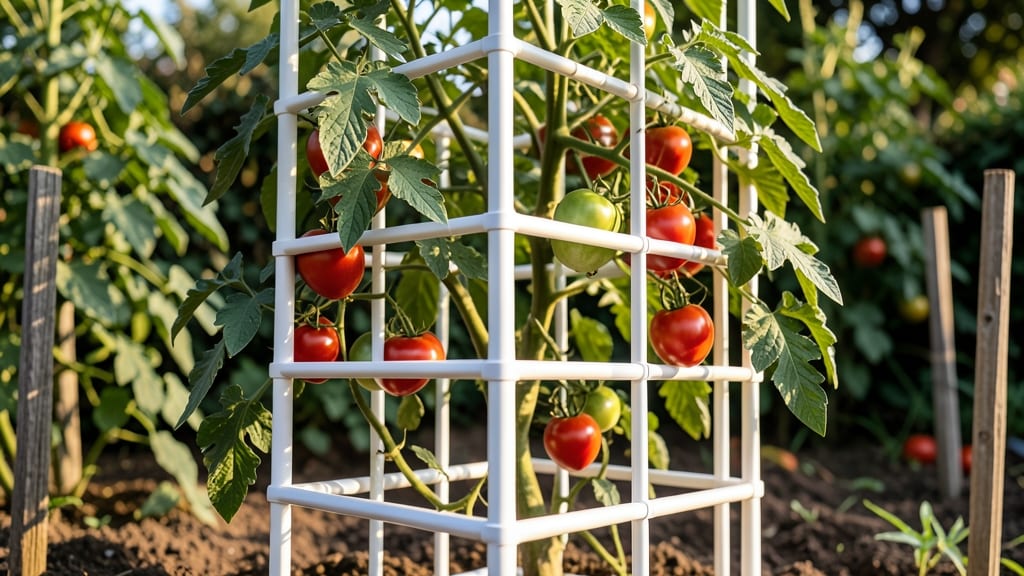
When your heirloom tomatoes produce more fruit than your flimsy cages can handle, PVC pipe cages become your secret weapon. Unlike metal cages that rust or wire cages that sag, these DIY structures stay rigid year after year, offering a disease-resistant alternative that won’t rot or corrode.
Start with 4-foot sections of 2-inch PVC pipe, cutting them into 18-inch lengths for a sturdy hexagonal frame. Secure the joints with zip ties (they’re easier to adjust than wire) and anchor the base with stakes. This system supports indeterminate varieties like 'Brandywine' or 'Sungold' without collapsing, and the open design improves airflow to prevent blight. For extra stability, add a horizontal crossbar midway up the cage.
Perfect for gardeners who want long-term durability without the annual replacement costs, these cages are especially great for container gardens or small plots where space is tight. 💪
Living Trellis with Fast-Growing Vines

Turn your tomato patch into a thriving vertical garden by pairing indeterminate tomatoes with fast-growing vines like pole beans or morning glories. This natural trellis system eliminates the need for artificial supports while maximizing your harvest in tight spaces.
Plant pole beans (ready in 50-60 days) alongside tomatoes in early spring, or interweave morning glories (which bloom in 60-70 days) for a dual-purpose structure. The beans' sturdy stems and morning glories' twining habit create a self-supporting lattice that tomatoes can climb. This method also improves soil health—beans fix nitrogen while morning glories deter pests with their fragrant blooms.
Perfect for small-space gardeners or those practicing companion planting, this approach reduces soil-borne diseases by elevating tomatoes off the ground. Plus, the cascading flowers add beauty to your harvest. 🌻